
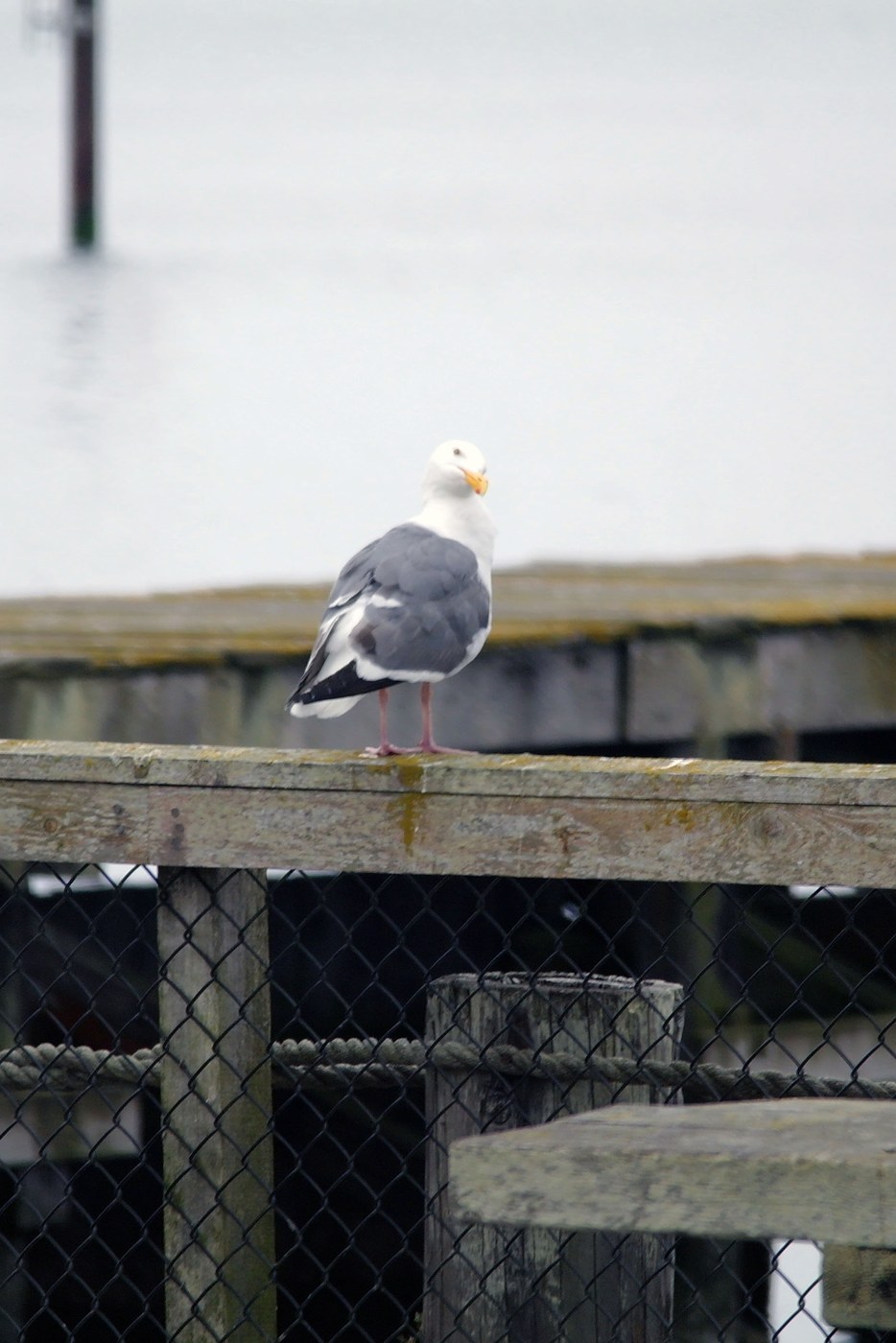
Western Gull
Larus occidentalis
A large, dark-backed gull restricted almost entirely to the Pacific coast of North America, a common sight on rocky shorelines and piers from Washington to Baja California.
- Size
- 55-68 cm (22-27 in) long, 130-144 cm wingspan
- Habitat
- rocky coastlines, cliffs, harbors, and beaches along the Pacific coast
- Type
- seabird
Spotted a bird like this?
Identify any bird from a photo, free.
Overview
The Western Gull is a big, powerfully built gull found almost exclusively along the immediate Pacific coastline, rarely straying far from saltwater. Adults have a notably dark slate-gray mantle, among the darkest of any large white-headed gull in North America, contrasting sharply with a clean white head and underparts.
The bill is thick and yellow with a bold red spot near the tip of the lower mandible, and the legs are bubblegum pink. The eye is dark, adding to the bird's somewhat fierce expression. Immature birds are mottled brown and take about four years to reach full adult plumage.
Western Gulls are a dominant, conspicuous presence at fishing harbors, piers, and seabird colonies, where they are notorious predators of the eggs and chicks of other nesting seabirds.
How to identify it
Key field marks
- Dark slate-gray mantle, among the darkest of West Coast large gulls
- Thick yellow bill with a bold red gonydeal spot
- Bright pink legs
- Dark eye
- Bulky, heavy-bodied build
Similar species
- Glaucous-winged Gull: paler gray mantle with wingtips only slightly darker (not black); the two species frequently hybridize where ranges overlap, producing intermediate birds.
- California Gull: notably paler mantle and yellow-green legs rather than pink.
- Herring Gull: paler gray mantle, rarely found on the immediate Pacific coast.
Habitat & range
Habitat
Strictly coastal, favoring rocky shorelines, offshore islands, cliffs, sandy beaches, harbors, and piers; almost never found far from the ocean.
Range and migration
Breeds along the Pacific coast from Washington State south to Baja California, Mexico, with the population largely resident, though some post-breeding dispersal occurs along the coast.
Behavior & voice
Behavior
Bold and dominant, Western Gulls are frequent scavengers at harbors, fish markets, and landfills, and aggressively defend nesting territories on offshore islands, often preying on the eggs and chicks of other seabirds such as murres and cormorants.
Voice
Calls include deep, resonant "kyow" and "ha-ha-ha" notes, similar in structure to other large gulls but typically deeper and huskier.
Feeding
An opportunistic predator and scavenger, taking fish, crabs, mussels, seabird eggs and chicks, carrion, and human refuse.
Nesting and breeding
Nests colonially on offshore rocks and islands, building a ground scrape lined with grass and debris. Clutches typically contain two to three eggs, incubated by both parents for about a month.
Frequently asked questions
Where are Western Gulls found?
They live almost entirely along the immediate Pacific coast of North America, from Washington State to Baja California, Mexico.
How do you identify a Western Gull?
Look for a large, bulky gull with a very dark slate-gray back, thick yellow bill with a red spot, and bright pink legs.
Do Western Gulls hybridize with other gulls?
Yes, they commonly hybridize with Glaucous-winged Gulls where their ranges overlap in the Pacific Northwest, producing gulls with intermediate mantle color.
What do Western Gulls eat?
A varied diet including fish, marine invertebrates, seabird eggs and chicks, carrion, and refuse.
Western Gull guides
In-depth guides for identifying, finding, and understanding Western Gull.
Other birds you may enjoy
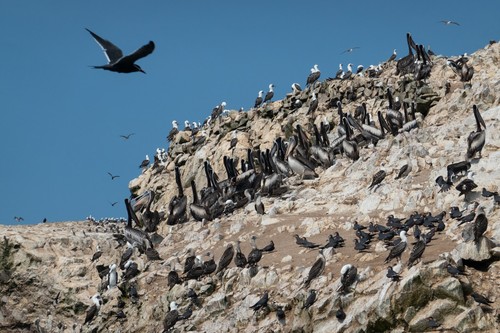
Peruvian Pelican
137-152 cm (54-60 in) long, up to 228 cm wingspan
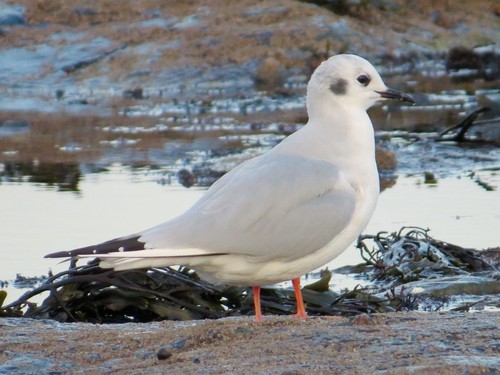
Bonaparte's Gull
28-33 cm (11-13 in) long, 76-84 cm wingspan
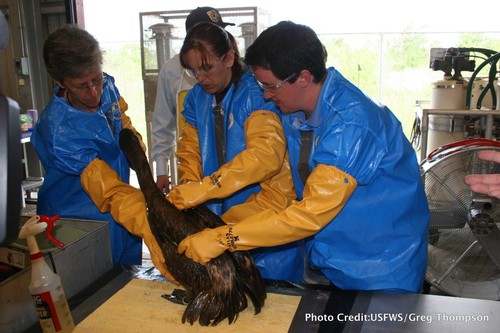
Brown Pelican
106-137 cm (42-54 in) long, 200-230 cm wingspan
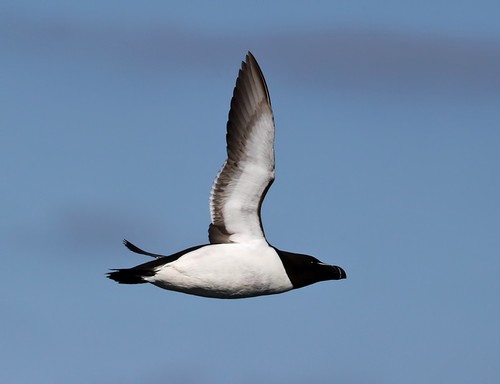
Razorbill
37-39 cm (15-15.5 in) long, 63-68 cm wingspan
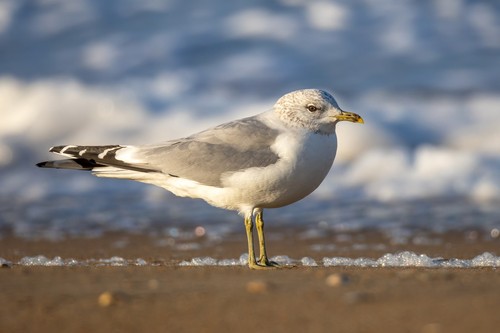
Common Gull
40-46 cm (16-18 in) long, 110-130 cm wingspan
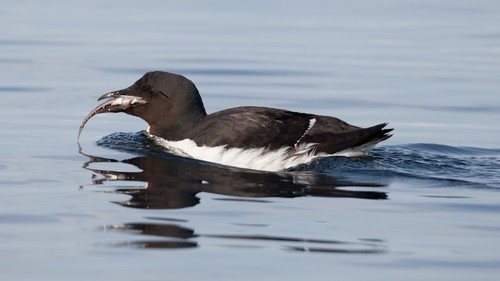
Thick-billed Murre
40-48 cm (16-19 in) long, 65-75 cm wingspan
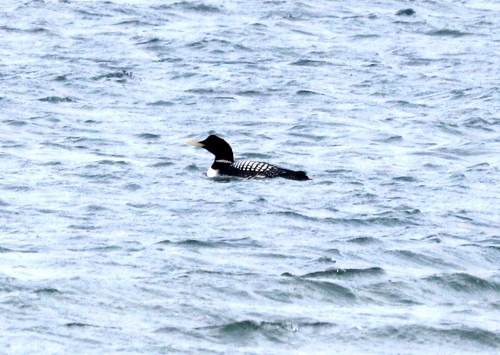
Yellow-billed Loon
76-97 cm (30-38 in) long, 135-152 cm wingspan
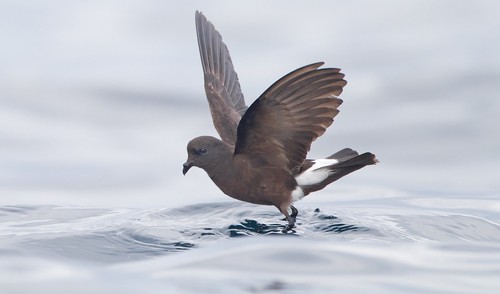
Wilson's Storm-Petrel
15-19 cm (6-7.5 in) long, wingspan 38-42 cm (15-16.5 in)
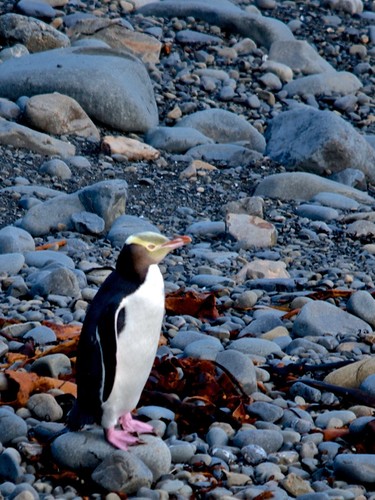
Yellow-eyed Penguin
62-79 cm (24-31 in) tall, 3-8.5 kg (6.6-18.7 lb)
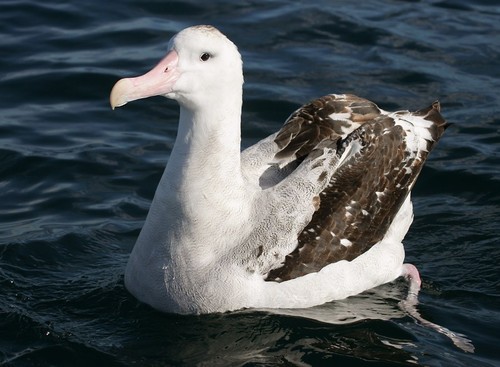
Wandering Albatross
107-135 cm (42-53 in) long, wingspan up to 3.5 m (11.5 ft)
Tufted Puffin
35-41 cm (14-16 in) long, about 63-70 cm wingspan
White Tern
28-33 cm (11-13 in) long, 70-87 cm wingspan