
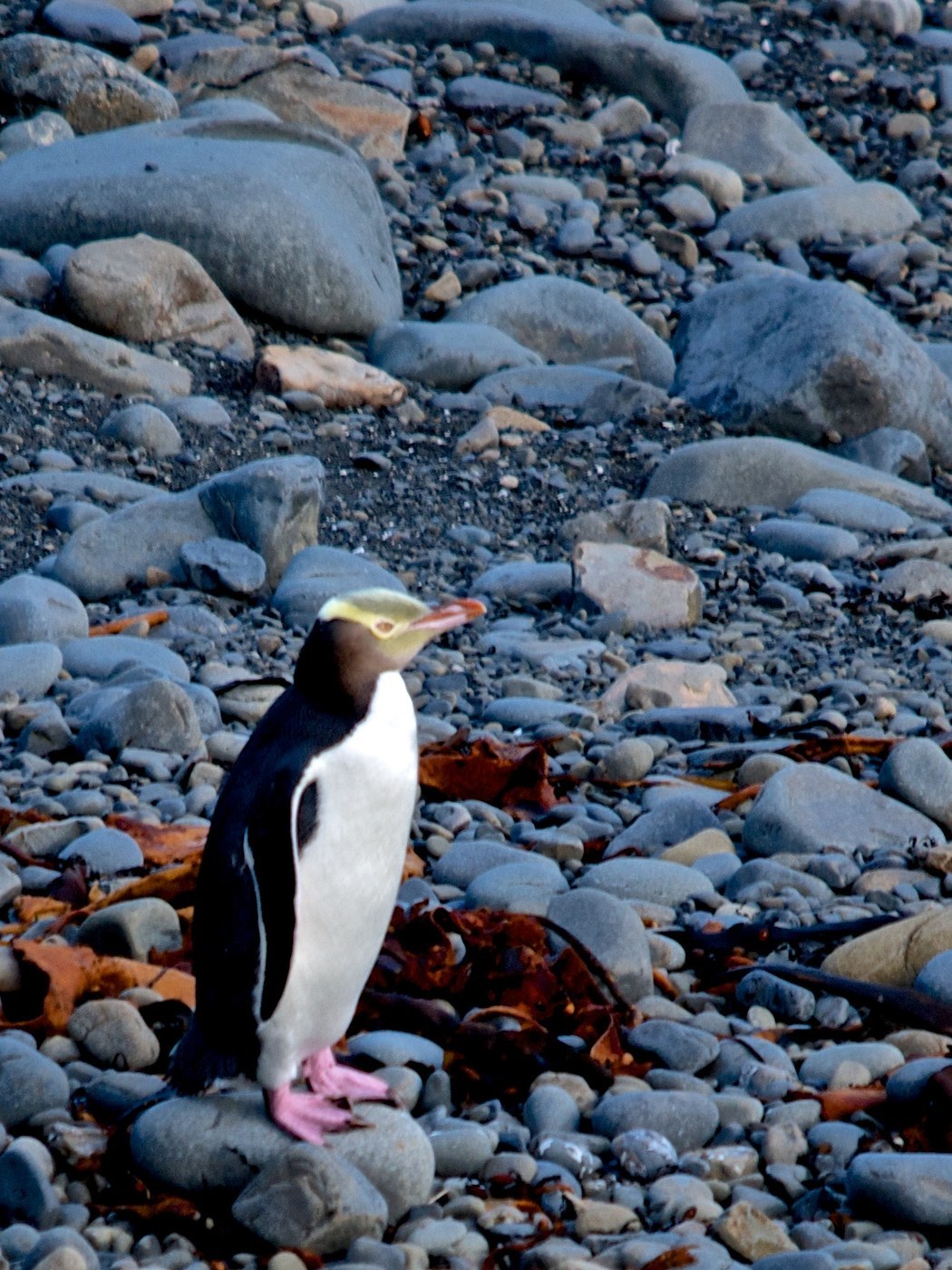
Yellow-eyed Penguin
Megadyptes antipodes
A large, solitary-nesting New Zealand penguin named for its pale yellow eyes and the yellow band that sweeps across its head, considered one of the rarest penguin species.
- Size
- 62-79 cm (24-31 in) tall, 3-8.5 kg (6.6-18.7 lb)
- Habitat
- coastal forest, scrub, and grassland adjoining beaches in New Zealand
- Type
- seabird
Spotted a bird like this?
Identify any bird from a photo, free.
Overview
The Yellow-eyed Penguin, known to the Maori as "hoiho" (noise shouter), is a large, pale-headed penguin found only in New Zealand. It has slate-grey upperparts, white underparts, and a distinctive pale yellow band that runs from the eyes around the back of the head, framing its striking pale yellow eyes.
Unlike many penguin species that nest in dense, noisy colonies, the Yellow-eyed Penguin is unusually solitary, preferring nest sites hidden within coastal forest or scrub, out of sight and sound of neighboring pairs.
One of the world's rarest penguin species, its population has declined due to habitat loss, introduced predators, disease, and changing ocean conditions affecting its food supply.
How to identify it
Key field marks
- Pale yellow eyes and a pale yellow band sweeping from the eyes around the back of the head
- Slate-grey back and crown, white underparts
- Pinkish feet, stout pinkish-grey bill
Similar species
- Fiordland Penguin and other crested penguins have dark eyes and prominent yellow crest plumes over the eyebrows rather than a yellow head-band, and dark eyes rather than pale yellow ones.
- No other New Zealand penguin combines pale yellow eyes with the solid yellow head-band, making this species distinctive within its range.
Habitat & range
Yellow-eyed Penguins breed along the southeastern coast of New Zealand's South Island, on Stewart Island, and on the subantarctic Auckland and Campbell Islands. Unlike most penguins, they nest inland from the shoreline in coastal forest, scrub, or tall grassland, favoring sites with cover that shield the nest from view.
The species is largely sedentary, remaining near its breeding range throughout the year, with some local movement in search of food.
Behavior & voice
Voice
Yellow-eyed Penguins give a variety of calls including loud shrieking or trumpeting sounds, particularly at dawn and dusk, which contributed to the Maori name "hoiho."
Feeding
They dive to moderate depths to catch small fish such as opalfish and red cod, along with squid, typically foraging alone rather than in groups.
Nesting and breeding
Pairs nest apart from one another, often out of sight of neighboring nests, tucked into vegetation, tree roots, or rock crevices. They generally lay two eggs, and both parents share incubation and chick-rearing over an extended breeding season.
Frequently asked questions
Why is it called the Yellow-eyed Penguin?
It has distinctive pale yellow eyes and a yellow band of feathers that sweeps across the back of its head.
Where does the Yellow-eyed Penguin live?
It breeds along the southeastern coast of New Zealand's South Island, on Stewart Island, and on subantarctic islands further south.
Why does the Yellow-eyed Penguin nest alone instead of in colonies?
Unlike most penguins, it prefers hidden nest sites in coastal forest or scrub, likely to reduce conflict with neighboring pairs and avoid predators.
Is the Yellow-eyed Penguin endangered?
Yes, it is classified as Endangered and is considered one of the rarest penguin species in the world.
What is the Maori name for the Yellow-eyed Penguin?
It is called "hoiho," meaning noise shouter, a reference to its loud calls.
Yellow-eyed Penguin guides
In-depth guides for identifying, finding, and understanding Yellow-eyed Penguin.
Other birds you may enjoy
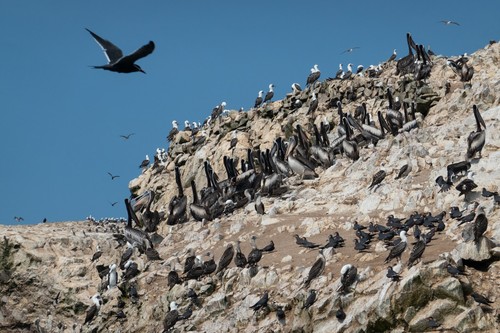
Peruvian Pelican
137-152 cm (54-60 in) long, up to 228 cm wingspan
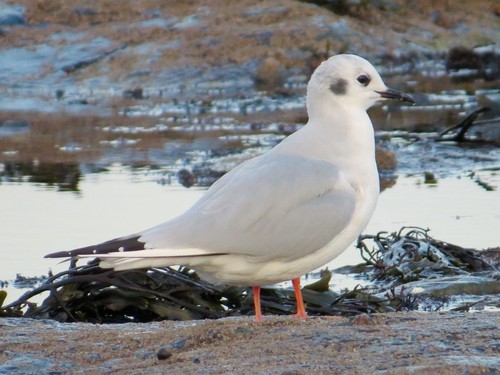
Bonaparte's Gull
28-33 cm (11-13 in) long, 76-84 cm wingspan
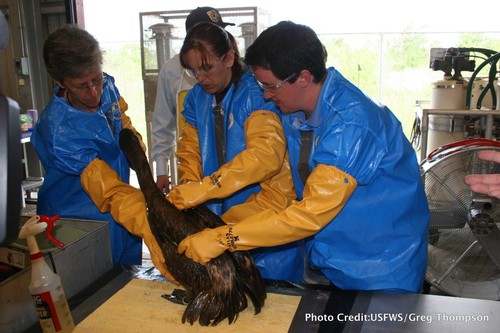
Brown Pelican
106-137 cm (42-54 in) long, 200-230 cm wingspan
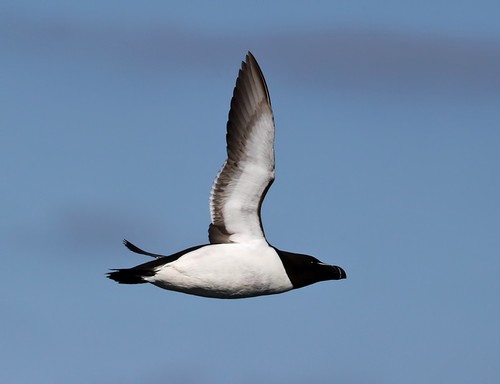
Razorbill
37-39 cm (15-15.5 in) long, 63-68 cm wingspan
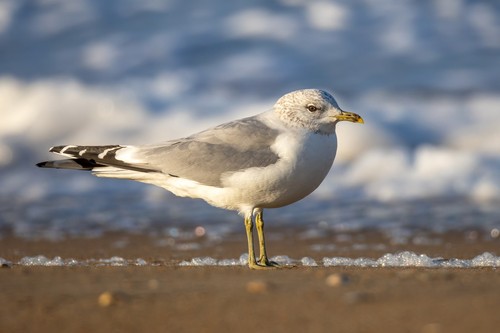
Common Gull
40-46 cm (16-18 in) long, 110-130 cm wingspan
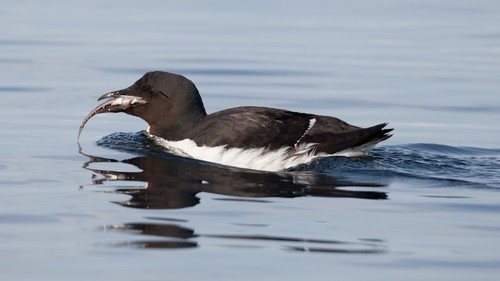
Thick-billed Murre
40-48 cm (16-19 in) long, 65-75 cm wingspan
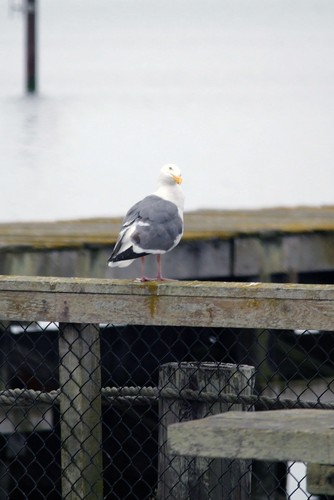
Western Gull
55-68 cm (22-27 in) long, 130-144 cm wingspan
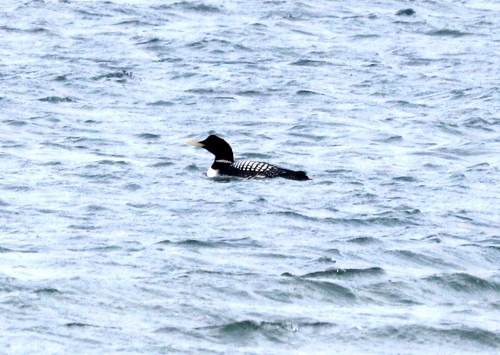
Yellow-billed Loon
76-97 cm (30-38 in) long, 135-152 cm wingspan
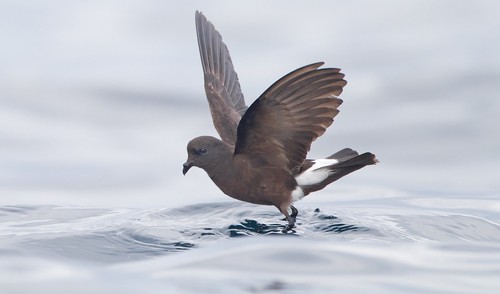
Wilson's Storm-Petrel
15-19 cm (6-7.5 in) long, wingspan 38-42 cm (15-16.5 in)
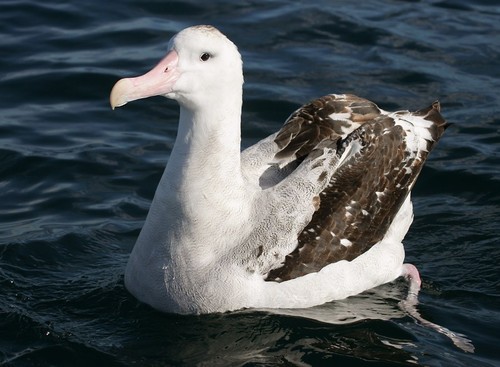
Wandering Albatross
107-135 cm (42-53 in) long, wingspan up to 3.5 m (11.5 ft)
Tufted Puffin
35-41 cm (14-16 in) long, about 63-70 cm wingspan
White Tern
28-33 cm (11-13 in) long, 70-87 cm wingspan