
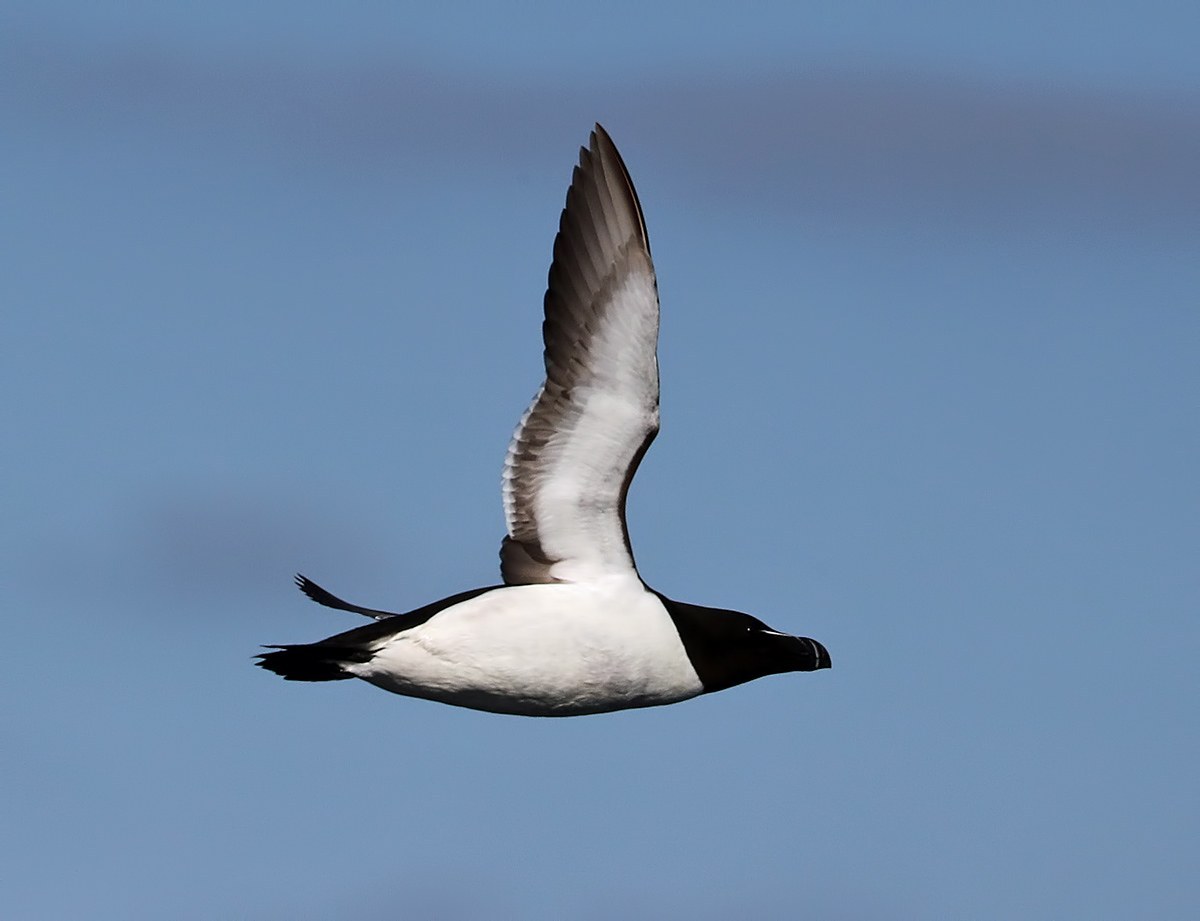
Razorbill
Alca torda
A stocky black-and-white North Atlantic auk with a deep, blunt bill crossed by a white line, the closest living relative of the extinct Great Auk.
- Size
- 37-39 cm (15-15.5 in) long, 63-68 cm wingspan
- Habitat
- North Atlantic coastal cliffs and islands, open ocean
- Type
- seabird
Spotted a bird like this?
Identify any bird from a photo, free.
Overview
The Razorbill is a striking, thickset seabird of the North Atlantic, notable for its deep, laterally flattened bill marked with a bold white vertical line near the tip, giving it a distinctly "razor"-like profile. Plumage is glossy black above and crisp white below, with a thin white line running from the bill to the eye in breeding adults. As the closest living relative of the extinct Great Auk, the Razorbill shares a similarly robust build, though it retains the ability to fly.
Razorbills are agile both in the air and underwater, and their bold black-and-white pattern combined with the distinctive bill shape make them one of the more readily identifiable auks at sea.
How to identify it
Key field marks
- Deep, laterally flattened black bill with a white vertical band
- Thin white line from bill to eye in breeding plumage
- Glossy black upperparts, white underparts
- Pointed tail, often held cocked upward, unlike murres
Similar species
- Common Murre and Thick-billed Murre have slimmer, more pointed bills lacking the Razorbill's deep, blunt shape and white band.
- Black Guillemot is smaller, all-black in summer with large white wing patches, quite different in pattern.
- Non-breeding Razorbills lose the white face line and show more white on the face and throat, similar to winter murres, but the bill shape remains diagnostic.
Habitat & range
Razorbills breed on rocky cliffs, boulder fields, and crevices around the North Atlantic, from eastern Canada and Maine across Greenland, Iceland, and the Faroe Islands to Britain, Ireland, and Scandinavia. They favor sheltered crevices and boulder scree more than the open ledges used by murres.
Outside the breeding season, Razorbills disperse over the North Atlantic, with many wintering off the coasts of western Europe and the eastern United States, sometimes moving well offshore or occasionally turning up further south than usual during severe winter weather.
Behavior & voice
Behavior
Razorbills are strong underwater swimmers, diving to moderate depths using their wings for propulsion in pursuit of small fish, often forming rafts on the water near breeding colonies.
Voice
A low, growling call is given at the colony; birds are typically quiet away from breeding sites.
Feeding
Small schooling fish such as sand eels, sprat, and herring make up most of the diet, along with some invertebrates, caught during underwater pursuit dives.
Nesting and breeding
A single egg is laid in a crevice or under a boulder rather than on an open ledge, offering more protection than the exposed nest sites of murres; chicks leave the colony for the sea before fledging fully, accompanied by an adult, similar to murres.
Frequently asked questions
What is the Razorbill's closest relative?
The extinct Great Auk was its closest relative, sharing a similarly robust, laterally flattened bill, though the Great Auk was flightless.
How do you identify a Razorbill?
Look for a deep, blunt black bill crossed by a bold white vertical line, along with glossy black upperparts and white underparts.
Where do Razorbills nest?
In crevices and under boulders on rocky cliffs and islands around the North Atlantic, offering more shelter than the open ledges preferred by murres.
How is a Razorbill different from a murre?
The Razorbill has a much deeper, blunter bill with a white band, while murres have slimmer, more pointed bills.
What do Razorbills eat?
Small schooling fish like sand eels, sprat, and herring, caught by diving and swimming underwater.
Razorbill guides
In-depth guides for identifying, finding, and understanding Razorbill.
Other birds you may enjoy
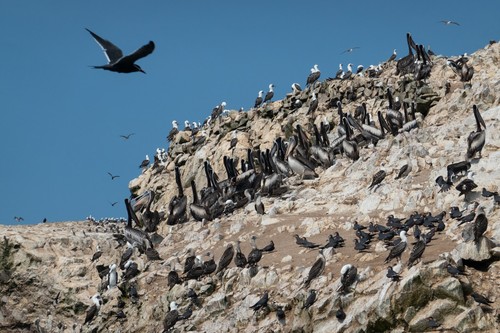
Peruvian Pelican
137-152 cm (54-60 in) long, up to 228 cm wingspan
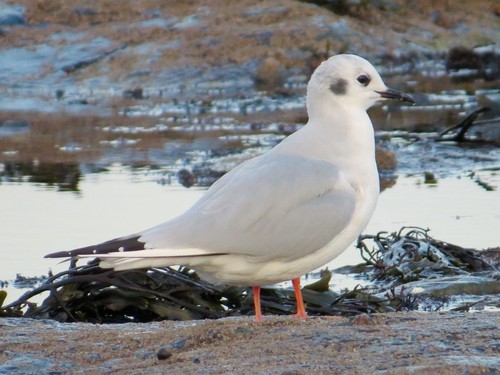
Bonaparte's Gull
28-33 cm (11-13 in) long, 76-84 cm wingspan
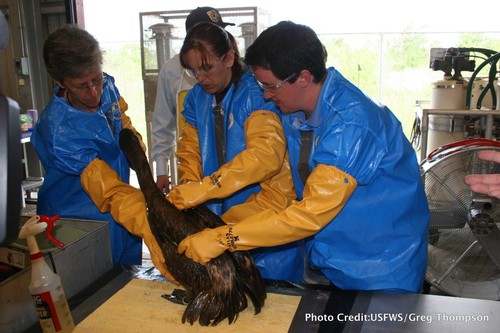
Brown Pelican
106-137 cm (42-54 in) long, 200-230 cm wingspan
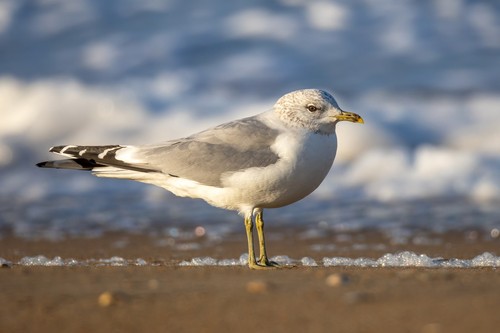
Common Gull
40-46 cm (16-18 in) long, 110-130 cm wingspan
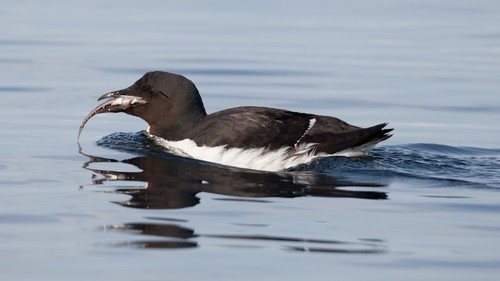
Thick-billed Murre
40-48 cm (16-19 in) long, 65-75 cm wingspan
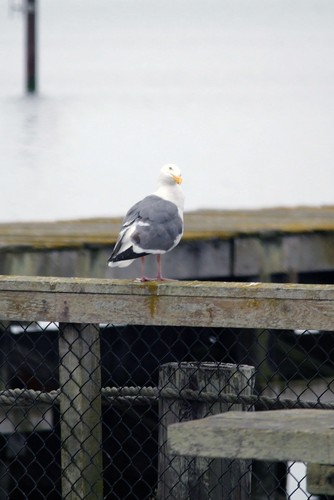
Western Gull
55-68 cm (22-27 in) long, 130-144 cm wingspan
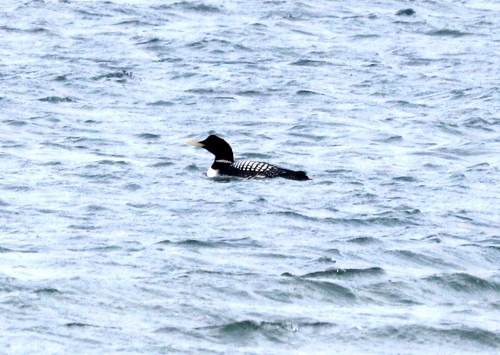
Yellow-billed Loon
76-97 cm (30-38 in) long, 135-152 cm wingspan
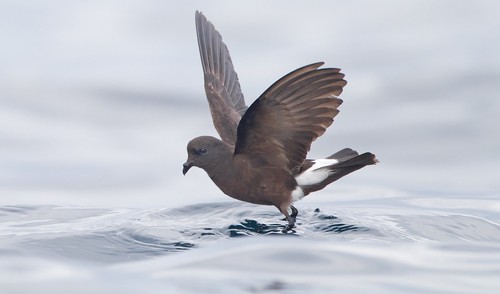
Wilson's Storm-Petrel
15-19 cm (6-7.5 in) long, wingspan 38-42 cm (15-16.5 in)
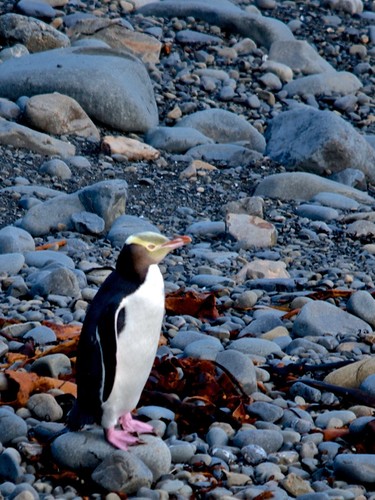
Yellow-eyed Penguin
62-79 cm (24-31 in) tall, 3-8.5 kg (6.6-18.7 lb)
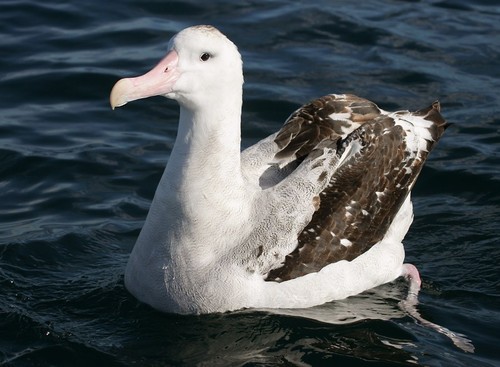
Wandering Albatross
107-135 cm (42-53 in) long, wingspan up to 3.5 m (11.5 ft)
Tufted Puffin
35-41 cm (14-16 in) long, about 63-70 cm wingspan
White Tern
28-33 cm (11-13 in) long, 70-87 cm wingspan