
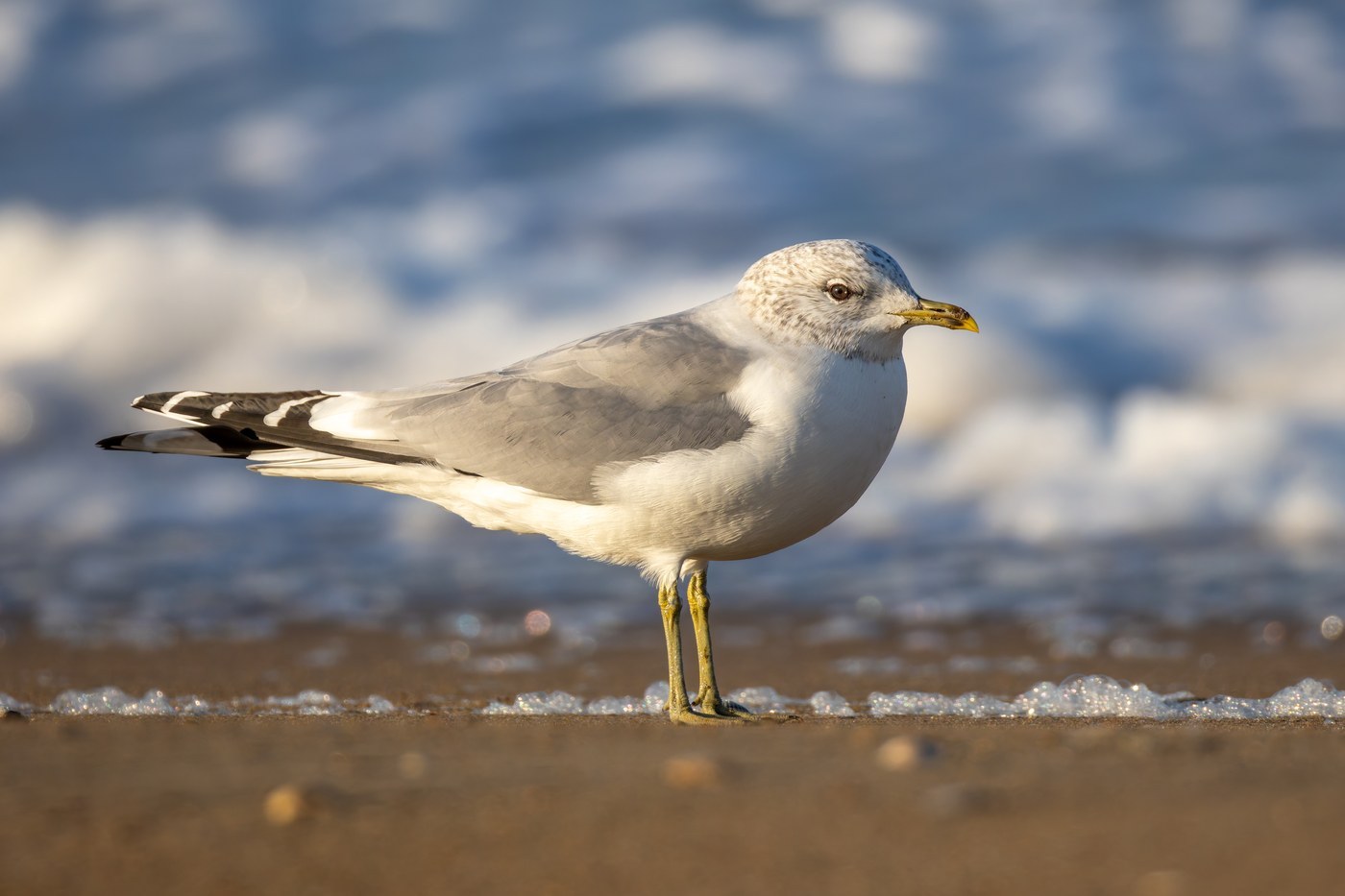
Common Gull
Larus canus
A gentle, medium-sized gull widespread across northern Eurasia, closely related to but geographically separate from the North American Mew (Short-billed) Gull.
- Size
- 40-46 cm (16-18 in) long, 110-130 cm wingspan
- Habitat
- lakes, moorland, coasts, and farmland across northern Eurasia
- Type
- seabird
Spotted a bird like this?
Identify any bird from a photo, free.
Overview
The Common Gull is a familiar, medium-sized gull across much of northern and western Eurasia, equally at home on rocky coastlines, inland lakes, and plowed farm fields. Adults have a rounded head, dark eyes, and a soft, gentle expression, with a pale gray mantle and clean white head and underparts.
The bill is slim and yellow-green, typically unmarked or with only a faint dark ring, and the legs are yellow-green. Wingtips show black with white spots. In winter, the head becomes lightly streaked with gray-brown.
Until a 2021 taxonomic revision, this species was considered the same as the North American Mew Gull (now Short-billed Gull); the two are now treated as distinct species that replace each other geographically across the Northern Hemisphere.
How to identify it
Key field marks
- Rounded head with a gentle, dark-eyed expression
- Slim, unmarked or lightly marked yellow-green bill
- Yellow-green legs
- Pale gray mantle with black-and-white wingtips
- Streaky head in winter plumage
Similar species
- Mew Gull / Short-billed Gull: nearly identical in appearance but found in North America rather than Eurasia; the two species were formerly lumped together.
- Ring-billed Gull: larger, pale eye, black ring around a thicker bill.
- Kittiwake: solid black wingtips without white spots and black legs.
Habitat & range
Habitat
Uses a wide range of habitats including coastal cliffs and beaches, inland lakes, moorland, and farmland, often seen following the plow for exposed invertebrates.
Range and migration
Breeds across northern Europe and Asia, from Iceland and the British Isles east across Scandinavia and Russia. Northern and eastern populations migrate south to milder coasts and farmland in winter, with some populations largely resident in milder parts of their range.
Behavior & voice
Behavior
Social and adaptable, Common Gulls forage in flocks on farmland and playing fields as readily as along the coast, and roost communally on lakes and reservoirs outside the breeding season.
Voice
Calls include a high-pitched, mewing "kee-ya" note along with various chattering calls at breeding colonies.
Feeding
Feeds on earthworms and insects on farmland and grassland, as well as small fish and invertebrates along coasts and at lakes.
Nesting and breeding
Nests on the ground near water, on cliff ledges, or occasionally on buildings, either solitarily or in loose colonies. Clutches typically contain two to three eggs, incubated by both parents.
Frequently asked questions
Is the Common Gull the same as the Mew Gull?
They were formerly considered the same species, but a 2021 split now treats the Eurasian population as the Common Gull and the North American population as the Mew (Short-billed) Gull.
How do you identify a Common Gull?
Look for a medium-sized gull with a rounded head, dark eyes, slim yellow-green bill, and yellow-green legs.
Where does the Common Gull live?
Across northern Europe and Asia, breeding near lakes, moorland, and coasts, and wintering farther south on coasts and farmland.
What does the Common Gull eat?
Mainly earthworms and insects on farmland, along with small fish and invertebrates near water.
Common Gull guides
In-depth guides for identifying, finding, and understanding Common Gull.
Other birds you may enjoy
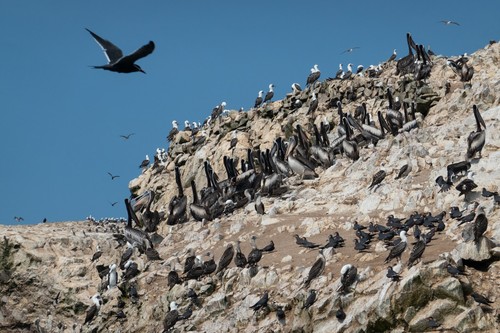
Peruvian Pelican
137-152 cm (54-60 in) long, up to 228 cm wingspan
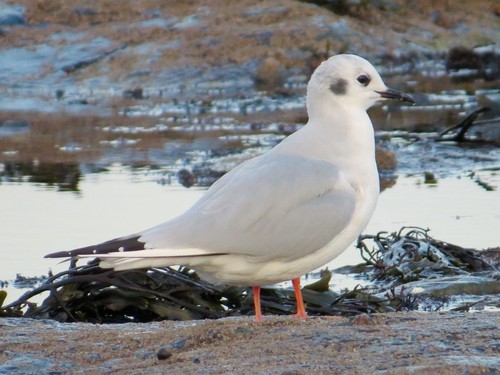
Bonaparte's Gull
28-33 cm (11-13 in) long, 76-84 cm wingspan
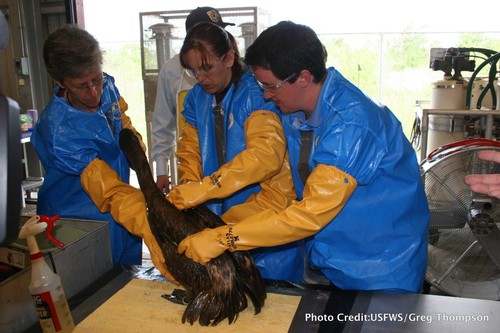
Brown Pelican
106-137 cm (42-54 in) long, 200-230 cm wingspan
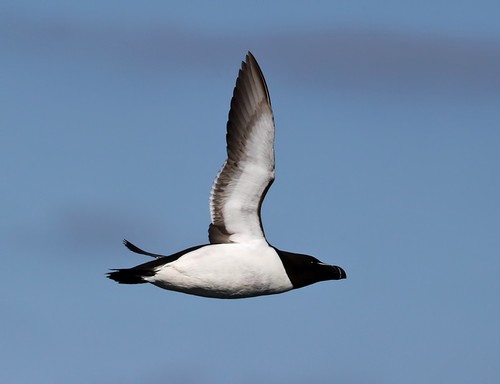
Razorbill
37-39 cm (15-15.5 in) long, 63-68 cm wingspan
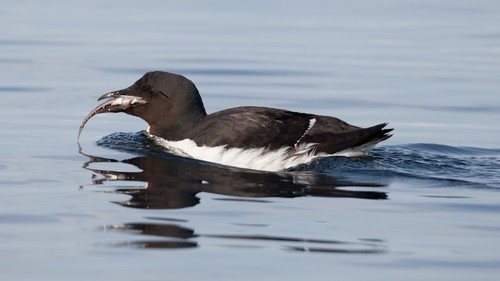
Thick-billed Murre
40-48 cm (16-19 in) long, 65-75 cm wingspan
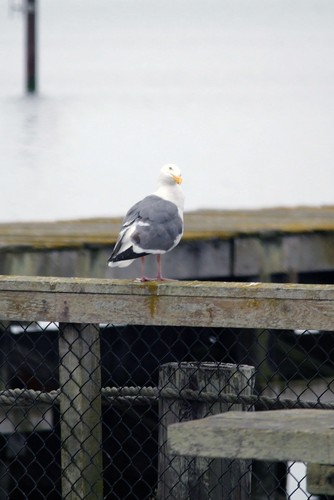
Western Gull
55-68 cm (22-27 in) long, 130-144 cm wingspan
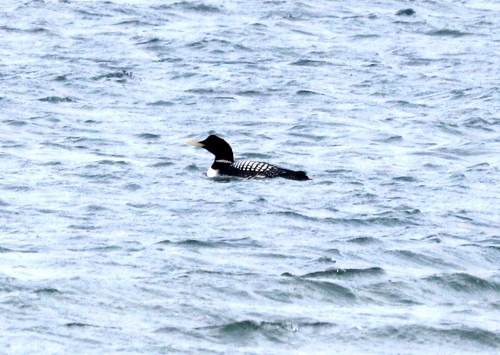
Yellow-billed Loon
76-97 cm (30-38 in) long, 135-152 cm wingspan
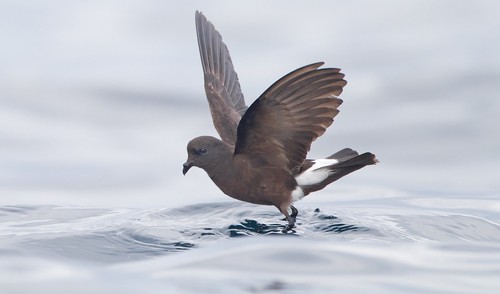
Wilson's Storm-Petrel
15-19 cm (6-7.5 in) long, wingspan 38-42 cm (15-16.5 in)
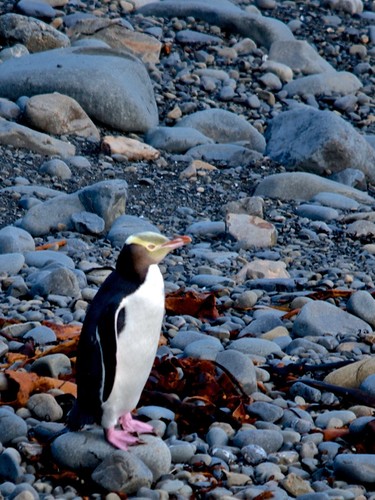
Yellow-eyed Penguin
62-79 cm (24-31 in) tall, 3-8.5 kg (6.6-18.7 lb)
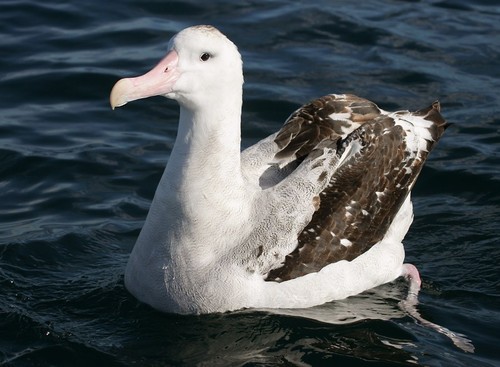
Wandering Albatross
107-135 cm (42-53 in) long, wingspan up to 3.5 m (11.5 ft)
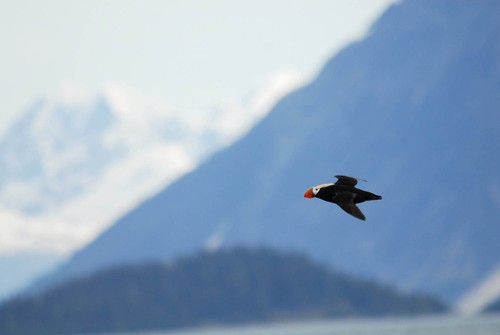
Tufted Puffin
35-41 cm (14-16 in) long, about 63-70 cm wingspan
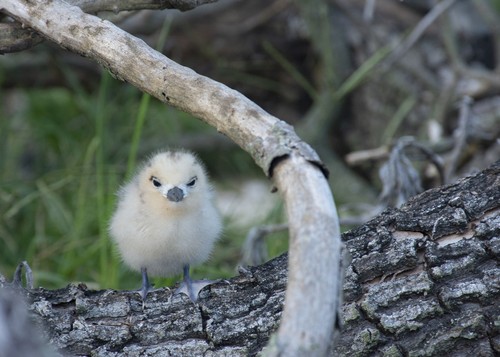
White Tern
28-33 cm (11-13 in) long, 70-87 cm wingspan