
Brown Pelican
Pelecanus occidentalis
A familiar coastal seabird known for its dramatic head-first plunge-dives from height into the ocean to catch fish, once endangered by DDT but now fully recovered.
- Size
- 106-137 cm (42-54 in) long, 200-230 cm wingspan
- Habitat
- coastal marine waters, beaches, and estuaries
- Type
- seabird
Spotted a bird like this?
Identify any bird from a photo, free.
Overview
The Brown Pelican is a beloved and highly recognizable coastal bird of the Americas, famous for its spectacular fishing technique of plunging directly into the water from significant heights. It is smaller and darker than the American White Pelican and behaves quite differently.
Appearance
Adults have greyish-brown body plumage, a whitish or pale yellow head, and a dark brown neck during the breeding season. The bill and throat pouch are large, and juveniles are duller brown overall with a pale belly.
How to identify it
Key field marks
- Large size with a long bill and expandable throat pouch
- Greyish-brown body plumage, distinctly darker than white pelicans
- Pale head with a dark brown neck stripe in breeding adults
- Characteristic head-first plunge-dive from the air into the water
Similar species
The Brown Pelican is easily distinguished from the much larger, mostly white American White Pelican by its smaller size, dark brown-grey plumage, and its habit of plunge-diving rather than foraging while swimming.
Habitat & range
Habitat and range
Brown Pelicans inhabit coastal marine waters, beaches, mangroves, and estuaries along the Atlantic, Gulf, and Pacific coasts of the Americas, from the United States south through Central America to northern South America. They are rarely found far inland or over open ocean, staying close to productive coastal waters.
Some populations make local seasonal movements, but many Brown Pelicans remain resident year-round in favorable coastal habitats.
Behavior & voice
Behavior
Brown Pelicans hunt by flying above the water and plunging headfirst from heights of several meters, folding their wings back just before impact to scoop up fish in their expandable throat pouch, which they then drain of water before swallowing prey.
Voice
Adults are mostly silent, but low grunts and croaks may be given near nesting colonies.
Nesting and breeding
Brown Pelicans nest colonially on coastal islands, in trees, shrubs, or directly on the ground, typically laying two to three eggs. The species suffered severe population declines in the mid-20th century due to the pesticide DDT thinning eggshells, but has since fully recovered following the chemical's ban.
Frequently asked questions
How does the Brown Pelican catch fish?
It spots fish from the air and plunge-dives headfirst into the water, folding its wings back just before impact and scooping prey into its expandable throat pouch.
Why did Brown Pelicans nearly disappear in the past?
The pesticide DDT caused their eggshells to thin and break during incubation, leading to severe population crashes until the chemical was banned and populations recovered.
How is the Brown Pelican different from the American White Pelican?
The Brown Pelican is smaller, has greyish-brown plumage, and plunge-dives for food, while the American White Pelican is larger, mostly white, and forages by swimming and dipping its bill.
Where do Brown Pelicans live?
Along coastal marine waters, beaches, and estuaries of the Americas, from the United States through Central America to northern South America.
Is the Brown Pelican endangered?
No, it is currently listed as Least Concern after recovering from historic declines caused by pesticide contamination.
Brown Pelican guides
In-depth guides for identifying, finding, and understanding Brown Pelican.
Other birds you may enjoy
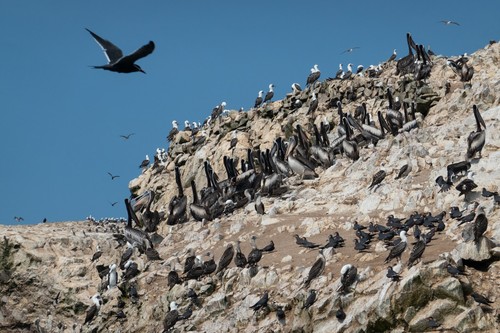
Peruvian Pelican
137-152 cm (54-60 in) long, up to 228 cm wingspan
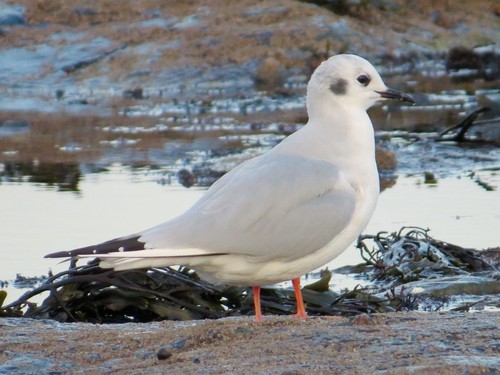
Bonaparte's Gull
28-33 cm (11-13 in) long, 76-84 cm wingspan
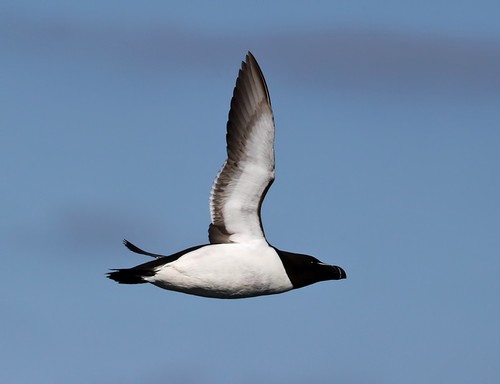
Razorbill
37-39 cm (15-15.5 in) long, 63-68 cm wingspan
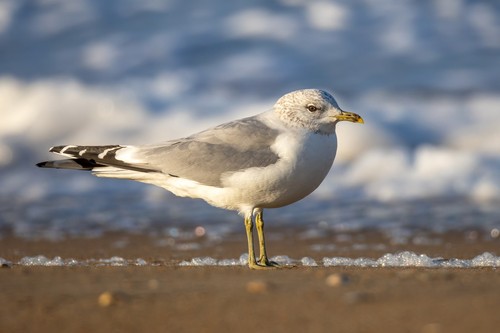
Common Gull
40-46 cm (16-18 in) long, 110-130 cm wingspan
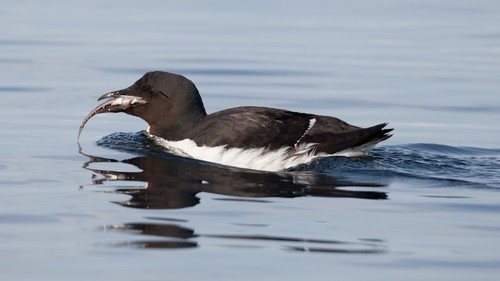
Thick-billed Murre
40-48 cm (16-19 in) long, 65-75 cm wingspan
Western Gull
55-68 cm (22-27 in) long, 130-144 cm wingspan
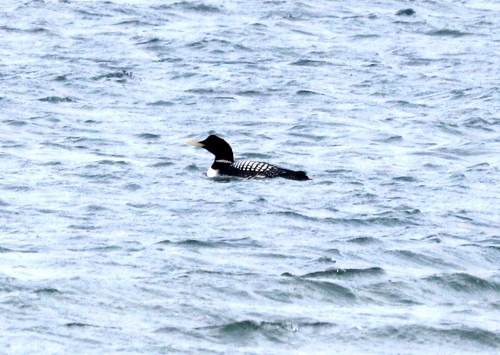
Yellow-billed Loon
76-97 cm (30-38 in) long, 135-152 cm wingspan
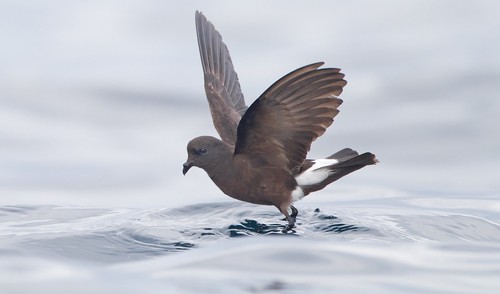
Wilson's Storm-Petrel
15-19 cm (6-7.5 in) long, wingspan 38-42 cm (15-16.5 in)
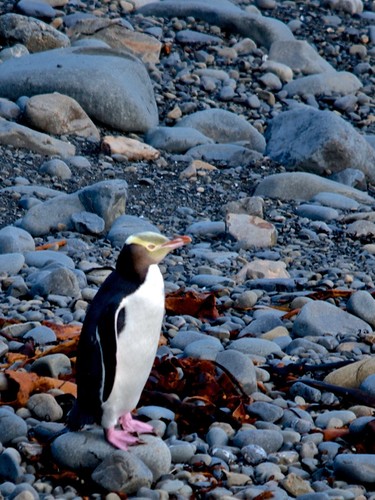
Yellow-eyed Penguin
62-79 cm (24-31 in) tall, 3-8.5 kg (6.6-18.7 lb)
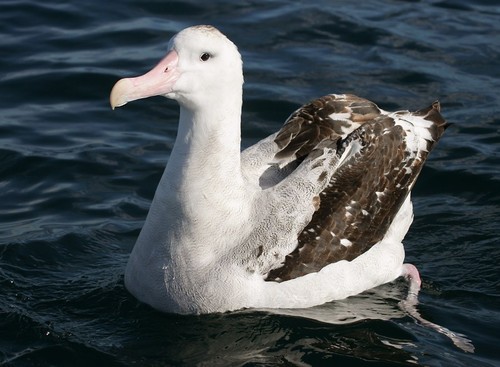
Wandering Albatross
107-135 cm (42-53 in) long, wingspan up to 3.5 m (11.5 ft)
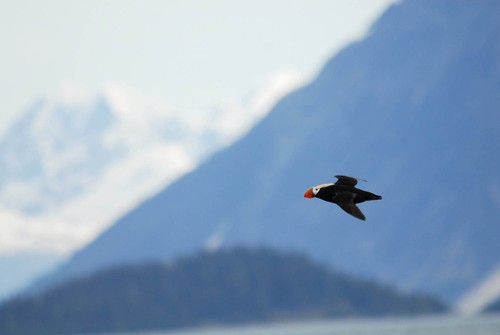
Tufted Puffin
35-41 cm (14-16 in) long, about 63-70 cm wingspan
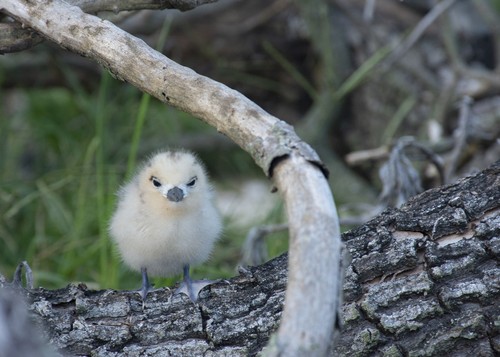
White Tern
28-33 cm (11-13 in) long, 70-87 cm wingspan