
Yellow-legged Gull Identification Guide
A large, robust gull closely resembling Herring Gull but told by its bright yellow legs, darker gray mantle, and bold yellow bill with a red spot.
Read the full Yellow-legged Gull encyclopedia entry →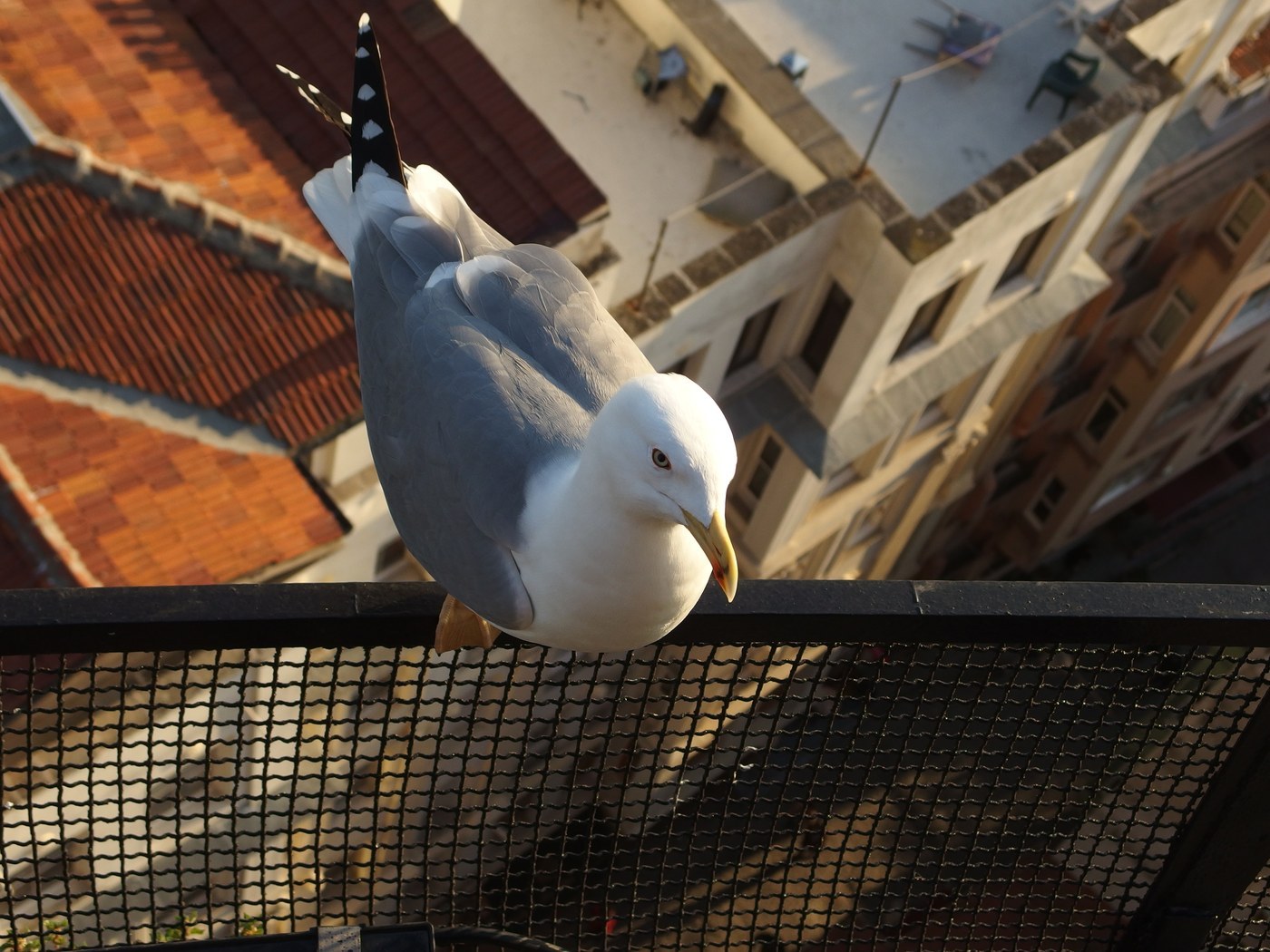
Key Field Marks
- Size and shape: A large, powerfully built gull with a fairly heavy bill and long wings, similar in structure to Herring Gull but often looking slightly bulkier-headed and longer-legged.
- Adult plumage: Medium-to-darker gray mantle (noticeably darker than most Herring Gull populations, closer to Lesser Black-backed Gull in tone but paler than that species), white head and underparts in breeding condition with minimal streaking, black wingtips with white mirrors.
- Bare parts: Bright yellow legs (a key distinguishing feature), a strong yellow bill with a red gonydeal spot, and a pale yellow to orange-yellow eye ring.
- Behavior: Gregarious and opportunistic, frequenting coastlines, harbors, landfills, and urban areas, often in mixed gull flocks.
Similar Species
- Herring Gull has pink (not yellow) legs and typically a paler gray mantle, the most reliable distinguishing features in adult plumage.
- Lesser Black-backed Gull also has yellow legs but shows a distinctly darker, slate-to-blackish mantle compared to the medium gray of Yellow-legged Gull.
- Immature and subadult gulls of these species are notoriously difficult and require attention to overall structure, mantle tone as it develops, and leg color, which can take a few years to become reliably yellow.
Habitat, Range & Season
- Breeds around the Mediterranean, Iberian Peninsula, and along parts of the Atlantic coast of Europe and northwest Africa, using cliffs, islands, and increasingly urban rooftops.
- Largely resident to short-distance migrant; some post-breeding dispersal and vagrancy occurs, with birds occasionally recorded well outside the core range, including rare vagrants to North America.
- Common and increasing in numbers around Mediterranean coastlines, ports, and cities.
Voice
- Calls are typical large-gull yelping and laughing notes, similar to Herring Gull's repertoire, including a long call given with head thrown back, generally not usable alone for identification apart from close relatives.
Frequently asked questions
What is the single best field mark for Yellow-legged Gull?
Bright yellow legs combined with a medium-gray mantle distinctly darker than Herring Gull is the most useful combination for adult birds.
How do you separate Yellow-legged Gull from Lesser Black-backed Gull?
Both have yellow legs, but Yellow-legged Gull has a medium gray mantle while Lesser Black-backed Gull's mantle is much darker, slate-gray to blackish.
Where is the Yellow-legged Gull typically found?
It breeds mainly around the Mediterranean and the Iberian Atlantic coast, and is common in harbors, cities, and coastal areas of southern Europe and northwest Africa.
Can Yellow-legged Gull be seen in North America?
It is a rare vagrant to North America, primarily recorded along the northeastern Atlantic coast, and requires careful documentation given similarity to Herring and Lesser Black-backed Gulls.