
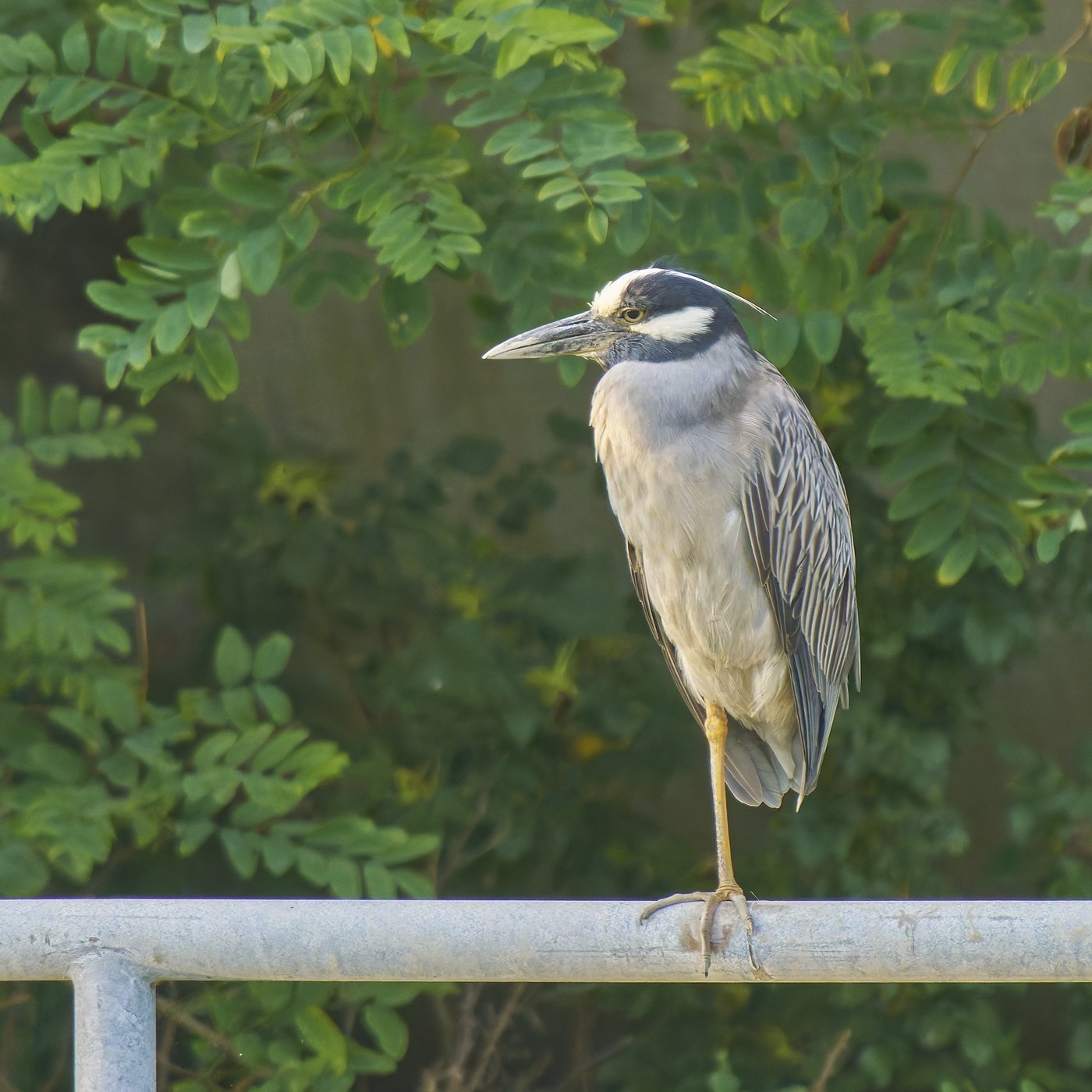
Yellow-crowned Night-Heron
Nyctanassa violacea
A stocky grey heron with a bold black-and-white striped face and a pale yellowish crown, specialized for hunting crabs and crayfish.
- Size
- 56-70 cm (22-28 in) long, 101-112 cm wingspan
- Habitat
- coastal marshes, wooded swamps, and mangroves in the Americas
- Type
- wading-bird
Spotted a bird like this?
Identify any bird from a photo, free.
Overview
The Yellow-crowned Night-Heron is a stocky, medium-sized heron with an overall slate-grey body and a striking head pattern: a black face marked with a bold white cheek stripe, and a pale yellow to cream-colored crown that gives the species its name. During the breeding season, adults grow several long white plumes from the back of the head.
Compared to its relative the Black-crowned Night-Heron, this species has proportionally longer legs and a heavier, stouter bill, adaptations suited to its specialized diet of crustaceans, especially crabs, which it crushes and manipulates with practiced skill.
How to identify it
Key field marks
- Overall slate-grey body
- Black face with a bold white stripe along the cheek
- Pale yellowish-cream crown
- Longer legs and stouter bill than the Black-crowned Night-Heron
Similar species
- Black-crowned Night-Heron: adult has a solid black crown and back with paler grey wings, lacking the striped facial pattern
- Juveniles of both night-heron species are brownish and heavily spotted, best separated by leg length (longer in Yellow-crowned) and bill thickness
The bold black-and-white face stripe combined with an all-grey body is the clearest mark for adult Yellow-crowned Night-Herons.
Habitat & range
Range and habitat
Yellow-crowned Night-Herons are found across the southeastern and south-central United States, Mexico, Central America, the Caribbean, and parts of South America, favoring coastal marshes, mangroves, swamps, and wooded wetlands, and are notably tolerant of urban and suburban settings in some regions.
Migration
Northern populations in the United States migrate south for winter to warmer coastal areas, Mexico, and Central America, while populations in tropical parts of the range are largely resident.
Behavior & voice
Behavior
More active during the day than the Black-crowned Night-Heron, though still often crepuscular, Yellow-crowned Night-Herons forage by walking slowly and deliberately, especially in areas with fiddler crabs or crayfish.
Voice
The call is a loud, harsh "quock," somewhat higher-pitched than the Black-crowned Night-Heron's call.
Feeding
This species specializes heavily on crustaceans, particularly crabs and crayfish, which it captures with its stout bill and often manipulates or dismembers before swallowing; it also eats other invertebrates, small fish, and amphibians.
Nesting and breeding
Yellow-crowned Night-Herons nest colonially or in loose groups, sometimes solitarily, building stick nests in trees near water; both parents incubate and feed the typically three to five pale bluish-green eggs.
Frequently asked questions
What does a Yellow-crowned Night-Heron eat?
It specializes in crustaceans, especially crabs and crayfish, along with other aquatic invertebrates, small fish, and amphibians.
How do you identify a Yellow-crowned Night-Heron?
Look for a slate-grey body, a black face with a bold white cheek stripe, and a pale yellowish crown, along with relatively long legs for a night-heron.
Is the Yellow-crowned Night-Heron nocturnal?
It is more active during daylight than the Black-crowned Night-Heron, though it still forages at dusk and night, especially in areas with human disturbance.
How do you tell it apart from the Black-crowned Night-Heron?
Adults differ mainly in head pattern: Yellow-crowned Night-Herons have a striped black-and-white face and pale crown, while Black-crowned Night-Herons have a solid black crown and back.
Yellow-crowned Night-Heron guides
In-depth guides for identifying, finding, and understanding Yellow-crowned Night-Heron.
Other birds you may enjoy
Demoiselle Crane
85-100 cm (33-39 in) long, 155-180 cm wingspan
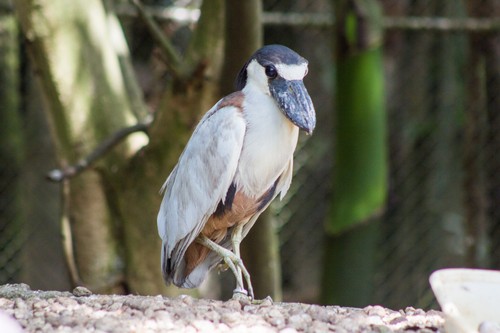
Boat-billed Heron
41-56 cm (16-22 in) long
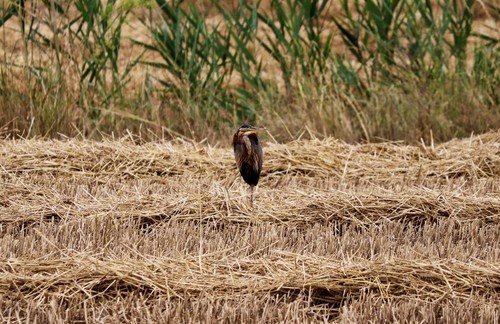
Purple Heron
78-90 cm (31-35 in) long, 120-152 cm wingspan
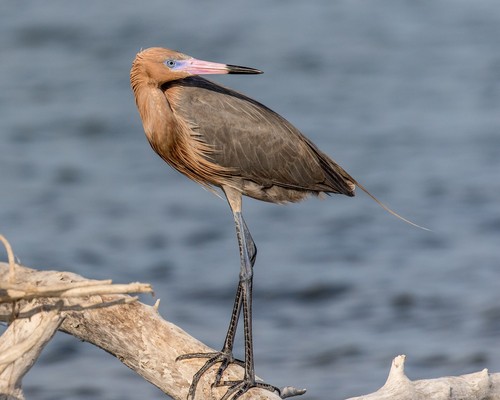
Reddish Egret
68-82 cm (27-32 in) long, 116-125 cm wingspan
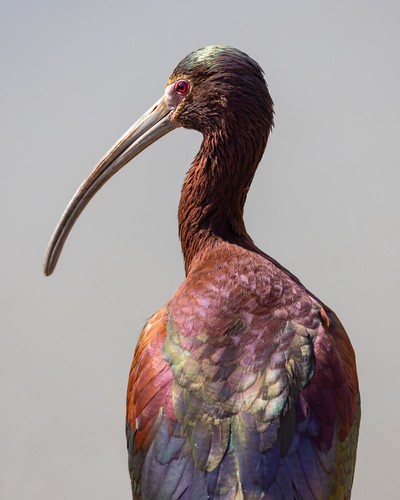
White-faced Ibis
46-56 cm (18-22 in) long, 88-93 cm wingspan
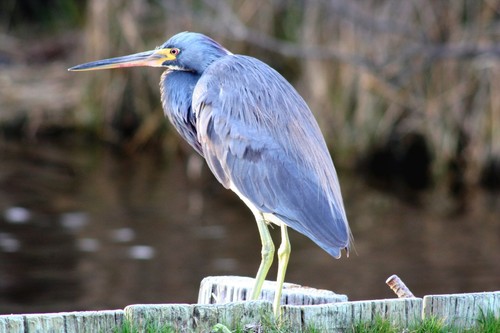
Tricolored Heron
61-76 cm (24-30 in) long, about 96 cm wingspan
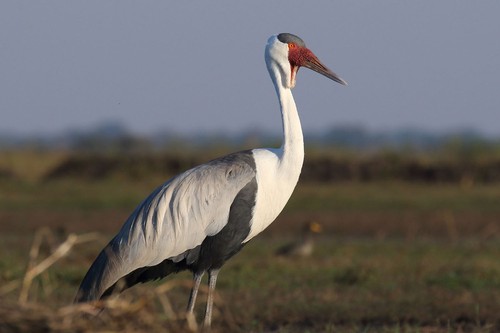
Wattled Crane
120-175 cm (47-69 in) tall, one of the tallest cranes, wingspan up to about 230 cm (7.5 ft)
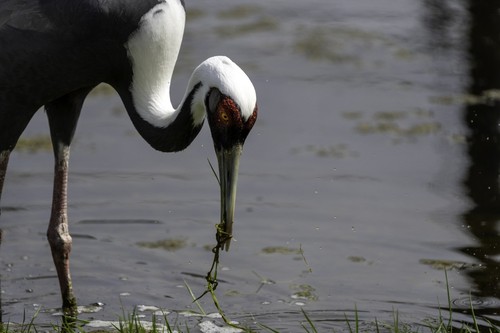
White-naped Crane
112-125 cm (44-49 in) long, 195-210 cm wingspan
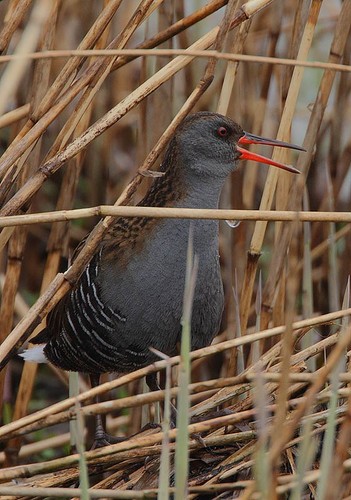
Water Rail
23-28 cm (9-11 in) long, wingspan 38-45 cm
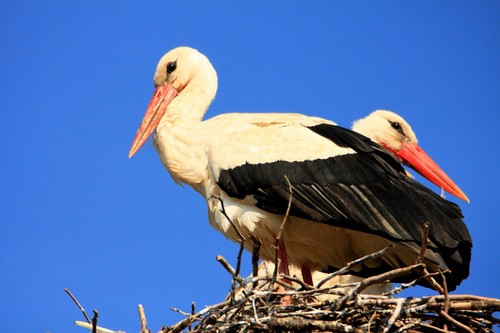
White Stork
100-125 cm (39-49 in) long, 155-215 cm wingspan
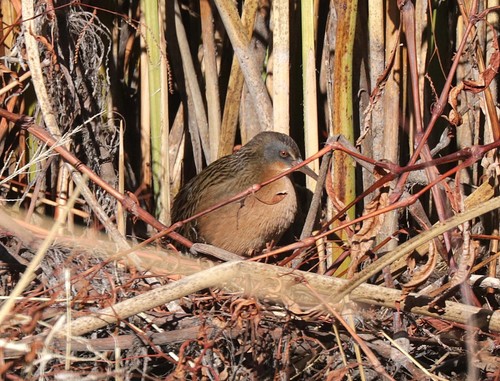
Virginia Rail
20-27 cm (8-11 in) long, wingspan 32-38 cm
Wattled Jacana
17-23 cm (7-9 in) long