
Demoiselle Crane
Grus virgo
The smallest and most delicately built of the crane species, with blue-grey plumage, a black neck, and striking white ear-tuft plumes.
- Size
- 85-100 cm (33-39 in) long, 155-180 cm wingspan
- Habitat
- steppe, grasslands, and semi-arid plains of Eurasia
- Type
- wading-bird
Spotted a bird like this?
Identify any bird from a photo, free.
Overview
The Demoiselle Crane is the smallest species of crane, notable for its slender, elegant build and striking plumage. It has soft blue-grey body feathers, a black face, neck, and breast, and a distinctive plume of long white feathers extending backward from behind each red eye.
Unlike many other cranes, it lacks a bare red skin patch on the crown, relying instead on its bold black-and-white head and neck pattern for its striking appearance. It is renowned for its long-distance, high-altitude migration over the Himalayas.
How to identify it
Key field marks
- Small size and slender build compared to other cranes
- Pale blue-grey body plumage
- Black face, neck, and breast
- Long white plume of feathers behind the red eye
- No bare red skin on the crown (unlike most other true cranes)
Similar species
The Common Crane is larger, with a grey (not black) neck, a red crown patch, and lacks the prominent white ear plumes. The Blue Crane of southern Africa is similarly pale grey but has a very different, restricted range and lacks the black neck and white plumes.
Habitat & range
Demoiselle Cranes breed in open steppe, semi-desert, and grassland habitats across a broad swath of Eurasia, from southeastern Europe and Central Asia to Mongolia and northern China, generally in drier habitats than most other cranes.
The species undertakes one of the most demanding migrations of any bird, with many individuals crossing the Himalayas at extreme altitudes to reach wintering grounds on the Indian subcontinent, alongside other populations wintering in northeastern Africa.
Behavior & voice
Demoiselle Cranes forage in open grassland and agricultural fields for seeds, grains, insects, and small vertebrates, often in flocks outside the breeding season, and are known to cause local crop damage in some wintering areas.
They give loud, rolling, trumpeting calls somewhat higher-pitched than those of the Common Crane, and perform similar elaborate dancing displays as part of courtship. Nests are simple scrapes on the ground in open steppe, typically with two eggs, and both parents share incubation and care of the chicks. Their high-altitude Himalayan crossing during migration is considered one of the most extreme feats of endurance among migratory birds.
Frequently asked questions
Why is the Demoiselle Crane's migration so remarkable?
Many individuals cross the Himalayas at extremely high altitudes during migration between Central Asian breeding grounds and wintering areas in India, facing thin air, low temperatures, and predation risk from eagles along mountain passes.
How is the Demoiselle Crane different from the Common Crane?
The Demoiselle Crane is smaller, has an entirely black neck and breast rather than a grey neck, lacks the red crown patch, and has prominent white plumes behind the eyes.
What does a Demoiselle Crane eat?
It feeds mainly on seeds, grains, and insects, along with occasional small vertebrates, foraging in open grassland and farmland.
Is the Demoiselle Crane the smallest crane species?
Yes, it is the smallest of the world's crane species, with a slender, delicate build compared to its larger relatives.
Demoiselle Crane guides
In-depth guides for identifying, finding, and understanding Demoiselle Crane.
Other birds you may enjoy
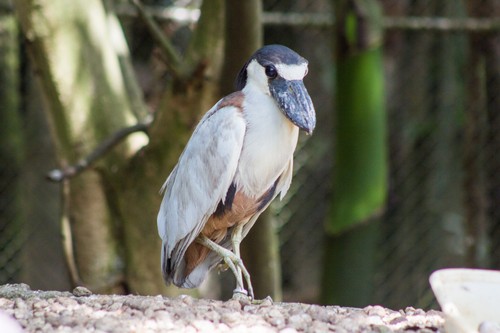
Boat-billed Heron
41-56 cm (16-22 in) long
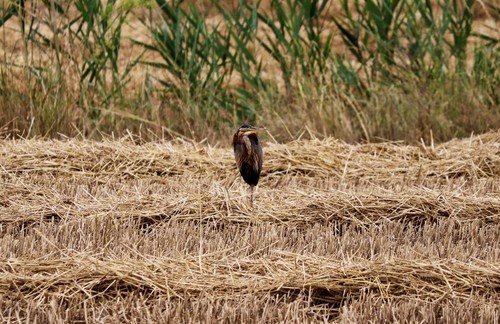
Purple Heron
78-90 cm (31-35 in) long, 120-152 cm wingspan
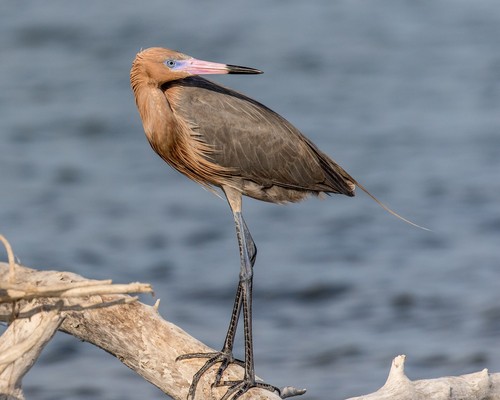
Reddish Egret
68-82 cm (27-32 in) long, 116-125 cm wingspan
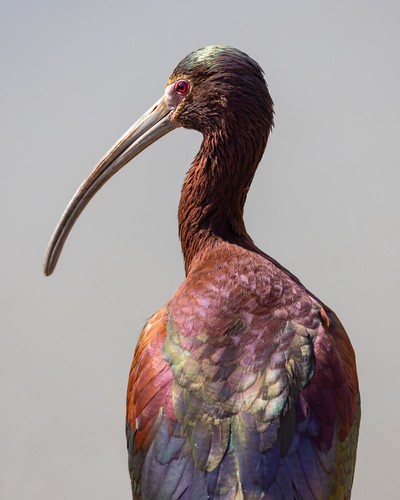
White-faced Ibis
46-56 cm (18-22 in) long, 88-93 cm wingspan
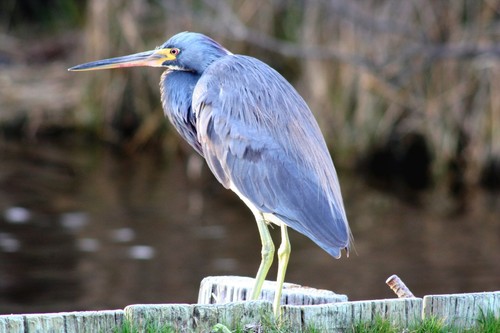
Tricolored Heron
61-76 cm (24-30 in) long, about 96 cm wingspan
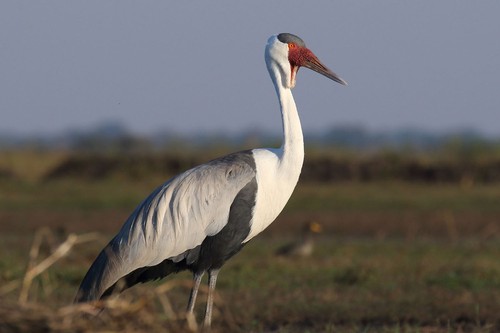
Wattled Crane
120-175 cm (47-69 in) tall, one of the tallest cranes, wingspan up to about 230 cm (7.5 ft)
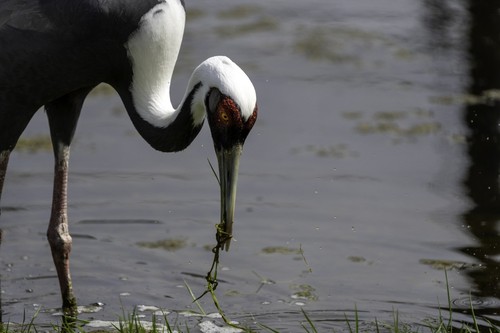
White-naped Crane
112-125 cm (44-49 in) long, 195-210 cm wingspan
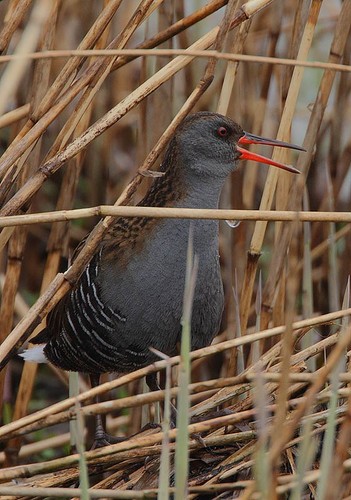
Water Rail
23-28 cm (9-11 in) long, wingspan 38-45 cm
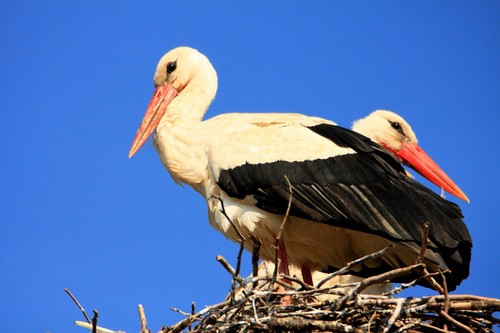
White Stork
100-125 cm (39-49 in) long, 155-215 cm wingspan
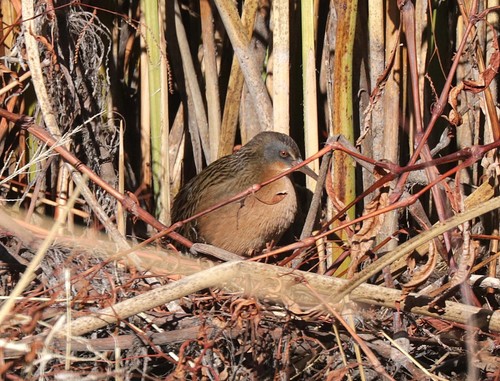
Virginia Rail
20-27 cm (8-11 in) long, wingspan 32-38 cm
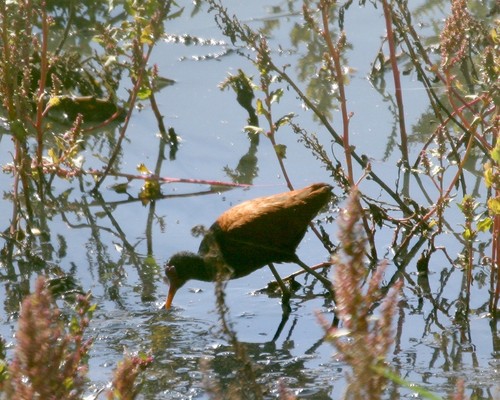
Wattled Jacana
17-23 cm (7-9 in) long
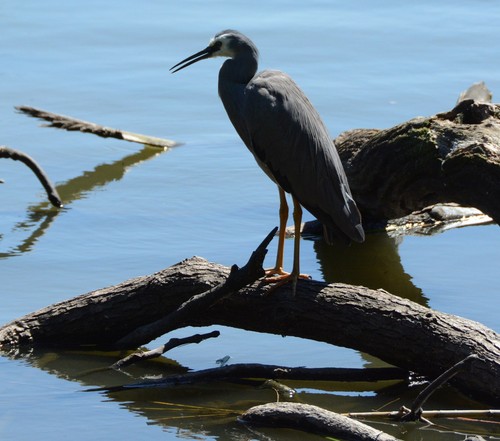
White-faced Heron
60-70 cm (24-28 in) long, 106 cm wingspan