
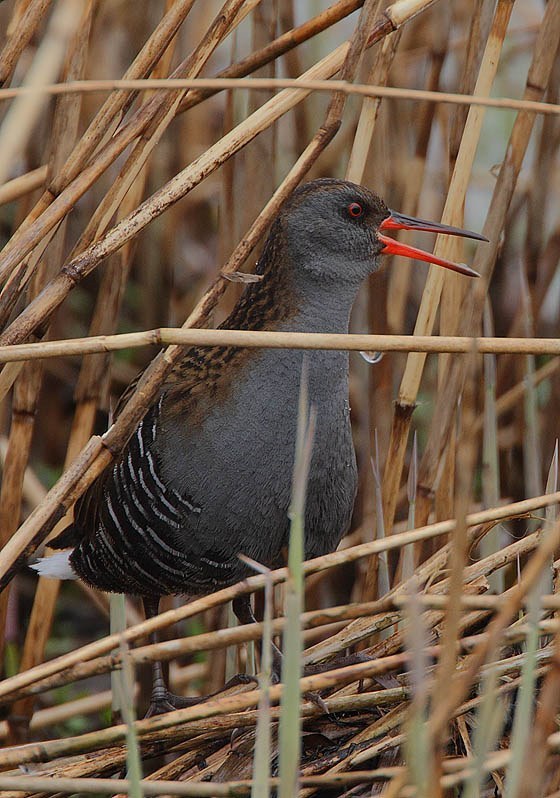
Water Rail
Rallus aquaticus
A slim Eurasian marsh bird with a long red bill, gray underparts, and barred flanks, more often heard than seen.
- Size
- 23-28 cm (9-11 in) long, wingspan 38-45 cm
- Habitat
- dense reedbeds and marshes across Europe and temperate Asia
- Type
- wading-bird
Spotted a bird like this?
Identify any bird from a photo, free.
Overview
The Water Rail is a slender, secretive rail of Eurasian wetlands, with olive-brown upperparts streaked black, blue-gray face and underparts, and boldly barred black-and-white flanks. Its long, slightly downcurved bill is a distinctive bright red.
Despite being widespread across much of Europe and Asia, it is rarely seen in the open, spending nearly all its time deep within dense reedbed cover.
How to identify it
Key field marks
- Long, slightly downcurved red bill
- Blue-gray face and underparts
- Olive-brown, black-streaked upperparts
- Bold black-and-white barred flanks
- Short, cocked tail flashing white undertail coverts
Similar species
The Corn Crake has a shorter, paler bill, buffier plumage, and lives in dry grassland and hay meadows rather than reedbeds. The Common Moorhen is larger and darker overall with a very different bill shape.
Habitat & range
Habitat
Dense reedbeds, marshes, and vegetated ditches.
Range and migration
Found across most of Europe and temperate Asia. Northern and eastern populations migrate south or west to milder wetlands for winter, while western European populations are largely resident.
Behavior & voice
Behavior
Extremely secretive, rarely venturing into the open and usually detected only by its unmistakable call.
Voice
An eerie, pig-like squealing call, sometimes called 'sharming,' along with sharp grunting notes.
Feeding
Probes mud and shallow water for insects, worms, and small fish, walking with a jerky, tail-flicking gait.
Nesting and breeding
Builds a well-concealed nest of reeds and grass just above the waterline within dense vegetation.
Frequently asked questions
What does a Water Rail sound like?
It's best known for an eerie, pig-like squealing call, sometimes called 'sharming,' along with sharp grunts.
How can you identify a Water Rail?
Look for a long red bill, gray face and underparts, and barred black-and-white flanks in dense reedbeds.
Is the Water Rail easy to see?
No, it's highly secretive and usually stays hidden in dense vegetation, more often heard than seen.
Where do Water Rails live?
Reedbeds and marshes across Europe and temperate Asia.
Do Water Rails migrate?
Northern and eastern populations migrate to milder wetlands in winter, while many western European birds are year-round residents.
Water Rail guides
In-depth guides for identifying, finding, and understanding Water Rail.
Other birds you may enjoy
Demoiselle Crane
85-100 cm (33-39 in) long, 155-180 cm wingspan
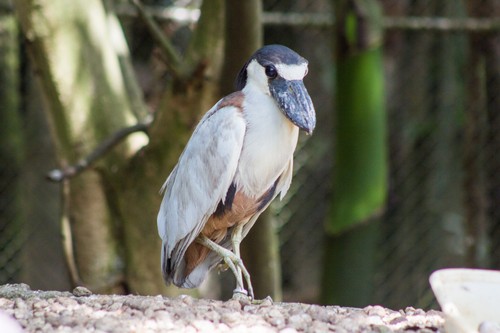
Boat-billed Heron
41-56 cm (16-22 in) long
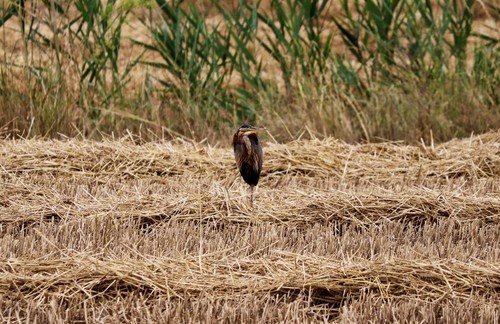
Purple Heron
78-90 cm (31-35 in) long, 120-152 cm wingspan
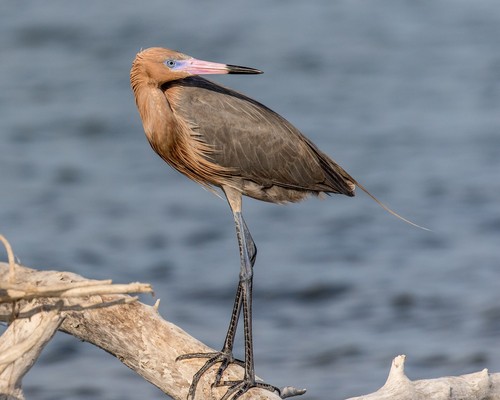
Reddish Egret
68-82 cm (27-32 in) long, 116-125 cm wingspan
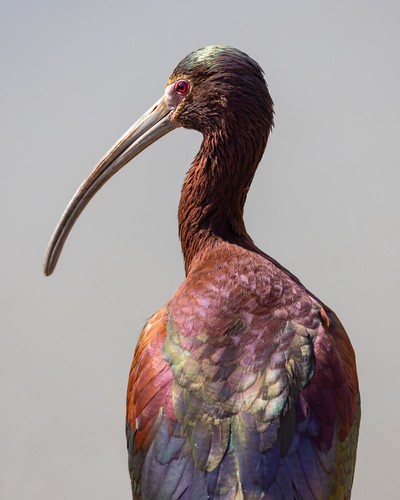
White-faced Ibis
46-56 cm (18-22 in) long, 88-93 cm wingspan
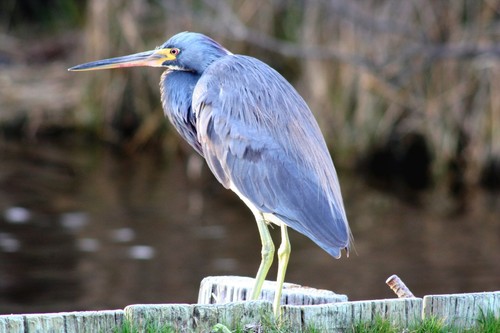
Tricolored Heron
61-76 cm (24-30 in) long, about 96 cm wingspan
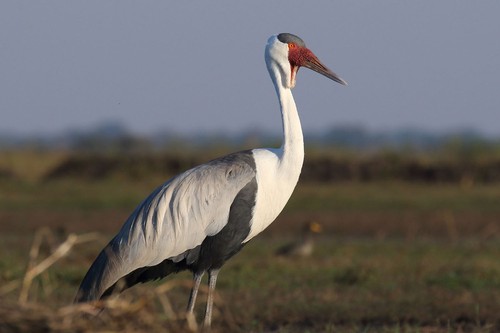
Wattled Crane
120-175 cm (47-69 in) tall, one of the tallest cranes, wingspan up to about 230 cm (7.5 ft)
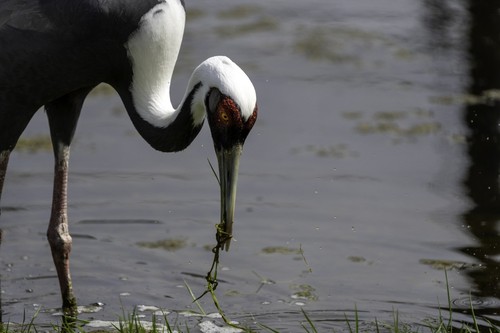
White-naped Crane
112-125 cm (44-49 in) long, 195-210 cm wingspan
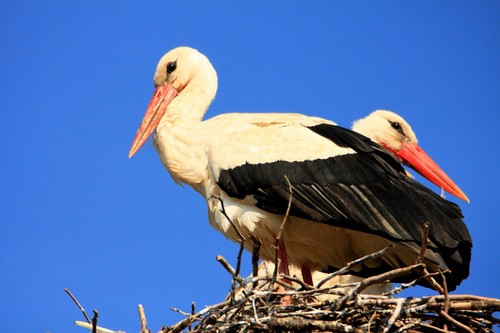
White Stork
100-125 cm (39-49 in) long, 155-215 cm wingspan
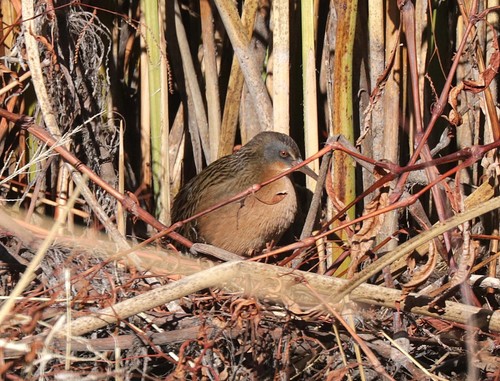
Virginia Rail
20-27 cm (8-11 in) long, wingspan 32-38 cm
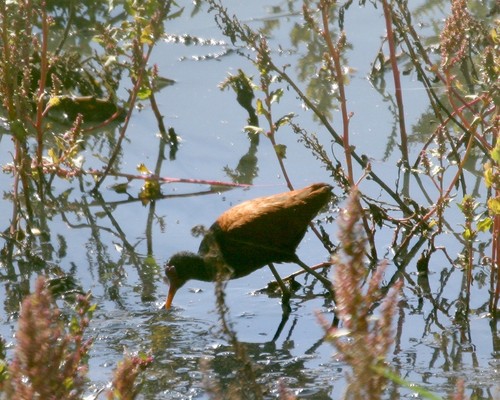
Wattled Jacana
17-23 cm (7-9 in) long
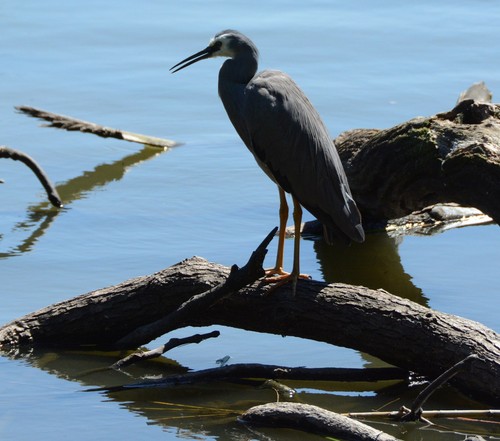
White-faced Heron
60-70 cm (24-28 in) long, 106 cm wingspan