
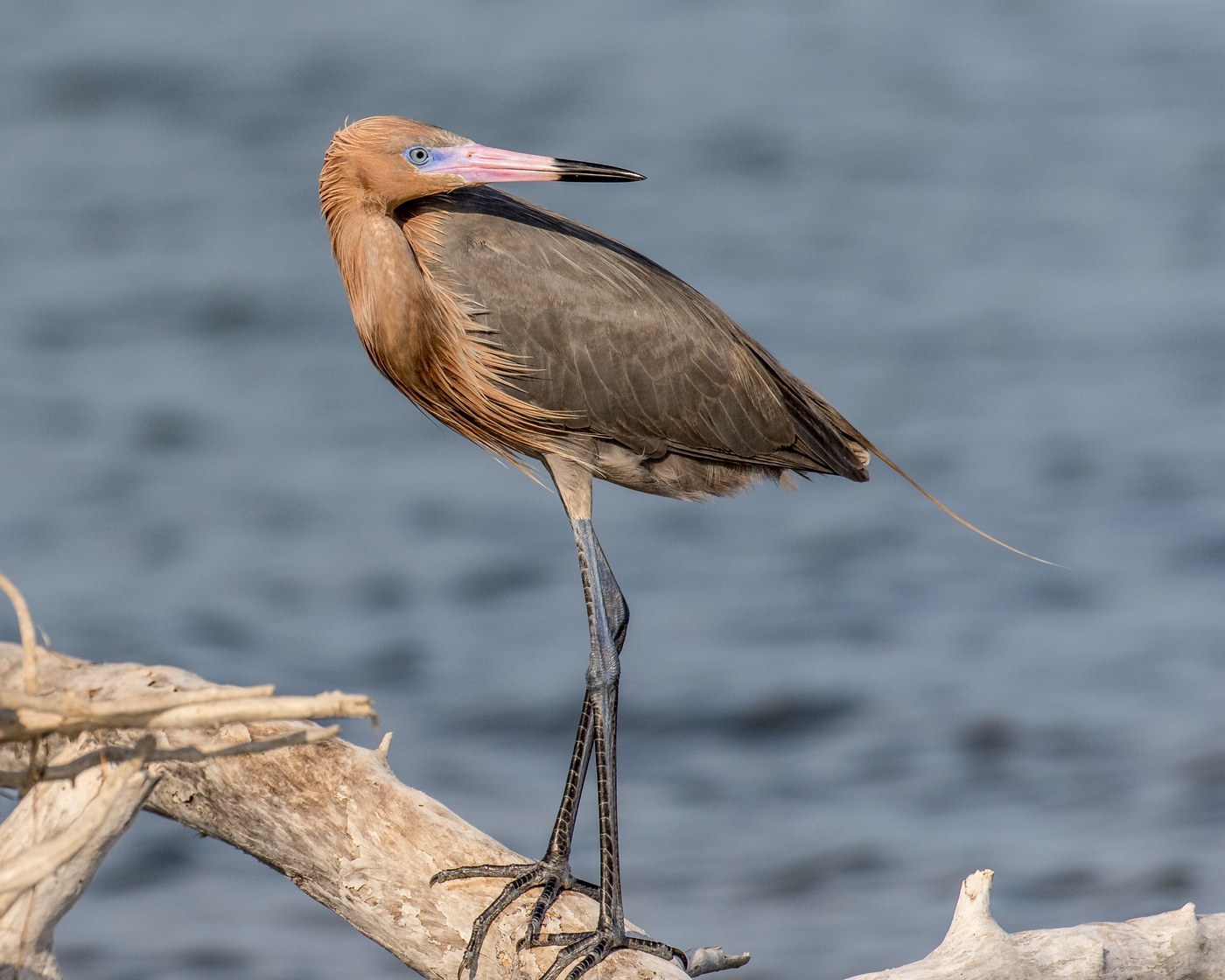
Reddish Egret
Egretta rufescens
An animated, shaggy-necked coastal egret famous for its erratic, staggering 'dancing' feeding style used to startle fish into range.
- Size
- 68-82 cm (27-32 in) long, 116-125 cm wingspan
- Habitat
- shallow coastal lagoons, tidal flats, and salt marshes along the Gulf Coast, Caribbean, and Mexico
- Type
- wading-bird
Spotted a bird like this?
Identify any bird from a photo, free.
Overview
The Reddish Egret is a medium-large, shaggy-plumed heron of shallow coastal waters, occurring in two distinct color morphs. The more common dark morph has a slate-blue body with a rusty-reddish, shaggy-maned head and neck, while the less common white morph is entirely white; both morphs share a bicolored bill that is pink at the base and black at the tip.
The species is best known for its highly active, almost comical feeding behavior, running, leaping, spinning, and staggering through shallow water with wings raised or spread, earning it the nickname "dancing egret" for a foraging style unlike any other heron.
How to identify it
Key field marks
- Dark morph: slate-blue body with a shaggy rust-red head and neck
- White morph: entirely white, distinguished from other white egrets mainly by size, bill color, and behavior
- Bicolored bill: pink base, black tip
- Highly active, erratic feeding style with staggering runs and raised wings
Similar species
- Tricolored Heron: smaller, with a white belly and a thinner bill, lacking the Reddish Egret's shaggy neck and bicolored bill
- Little Blue Heron: smaller and more uniformly slate-blue without the reddish, shaggy neck plumage
- White-morph birds can resemble Great Egret or Snowy Egret but are best told apart by the distinctive pink-and-black bill and animated feeding behavior
The erratic, staggering feeding dance combined with the pink-based, black-tipped bill is diagnostic for the Reddish Egret in either color morph.
Habitat & range
Range and habitat
The Reddish Egret is restricted to shallow coastal waters, including tidal flats, salt marshes, and lagoons, primarily along the Gulf Coast of the United States, Mexico, the Caribbean, and parts of Central America, rarely straying inland or far from salt water.
Migration
Most populations are resident or make only limited local movements, remaining tied year-round to productive shallow coastal foraging areas.
Behavior & voice
Behavior
Reddish Egrets are famous for their energetic, unpredictable foraging behavior, running, staggering, hopping, and spinning through shallow water, often with wings raised to create shade that reduces glare and may help drive fish toward the bird.
Voice
Calls include low, guttural croaks and grunts, typically given at breeding colonies or during aggressive interactions over feeding territory.
Feeding
They feed almost exclusively on small fish, captured using the species' signature active chase-and-startle technique rather than the patient still-hunting typical of most herons.
Nesting and breeding
Reddish Egrets nest colonially, often on isolated coastal islands free of ground predators, building stick nests in low shrubs, mangroves, or on the ground; both parents share incubation of typically three to four pale blue eggs.
Frequently asked questions
Why is the Reddish Egret called the 'dancing egret'?
It earned the nickname for its highly active, erratic feeding style, running, staggering, and spinning through shallow water with wings raised to startle fish into the open.
Does the Reddish Egret always look reddish?
No, it occurs in two color morphs: a more common dark morph with a rusty, shaggy head and neck, and a less common all-white morph.
Is the Reddish Egret rare?
It has a relatively small, geographically restricted population tied to healthy coastal habitat and is classified as Near Threatened.
How do you identify a white-morph Reddish Egret?
Look for its distinctive bicolored bill (pink at the base, black at the tip), larger size and shaggier neck than a Snowy Egret, and its energetic, staggering feeding behavior.
Reddish Egret guides
In-depth guides for identifying, finding, and understanding Reddish Egret.
Other birds you may enjoy
Demoiselle Crane
85-100 cm (33-39 in) long, 155-180 cm wingspan
Boat-billed Heron
41-56 cm (16-22 in) long
Purple Heron
78-90 cm (31-35 in) long, 120-152 cm wingspan
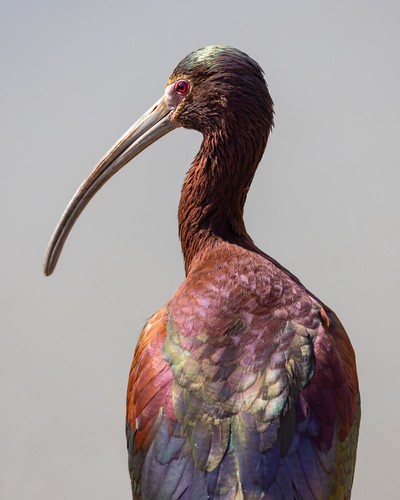
White-faced Ibis
46-56 cm (18-22 in) long, 88-93 cm wingspan
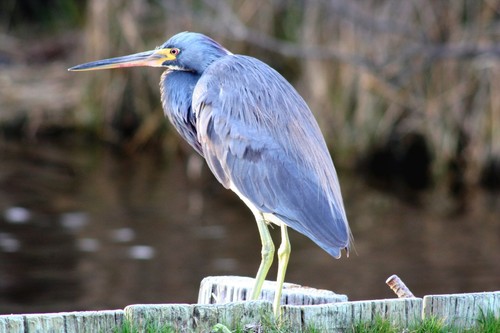
Tricolored Heron
61-76 cm (24-30 in) long, about 96 cm wingspan
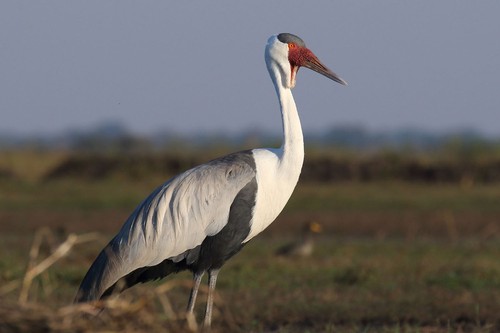
Wattled Crane
120-175 cm (47-69 in) tall, one of the tallest cranes, wingspan up to about 230 cm (7.5 ft)
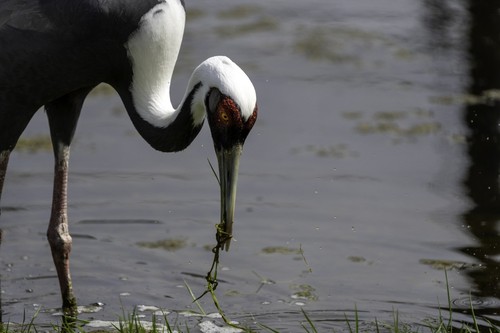
White-naped Crane
112-125 cm (44-49 in) long, 195-210 cm wingspan
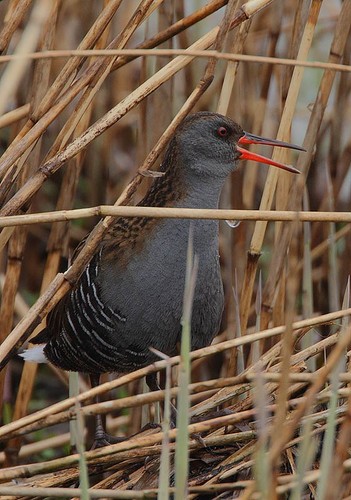
Water Rail
23-28 cm (9-11 in) long, wingspan 38-45 cm
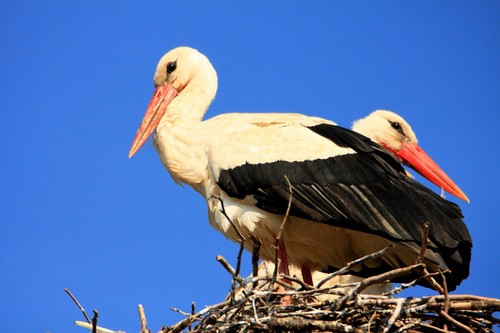
White Stork
100-125 cm (39-49 in) long, 155-215 cm wingspan
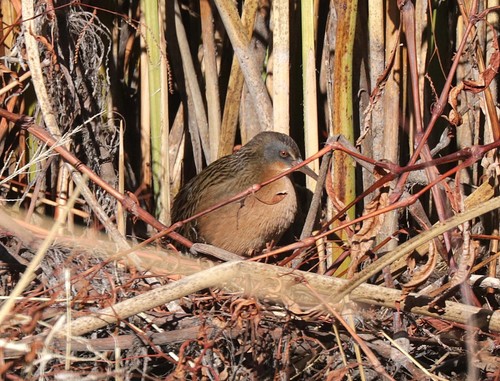
Virginia Rail
20-27 cm (8-11 in) long, wingspan 32-38 cm
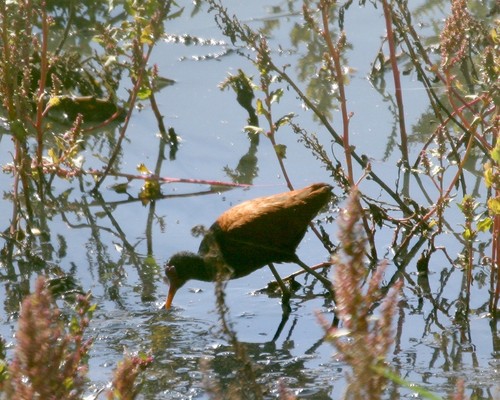
Wattled Jacana
17-23 cm (7-9 in) long
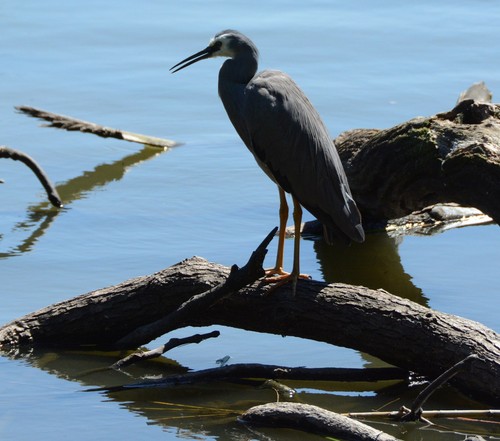
White-faced Heron
60-70 cm (24-28 in) long, 106 cm wingspan