
White-naped Crane
Antigone vipio
A grey East Asian crane with a distinctive white nape and hindneck, a bare red face, and pink legs, threatened by wetland loss along its migration routes.
- Size
- 112-125 cm (44-49 in) long, 195-210 cm wingspan
- Habitat
- wetlands, rivers, and grasslands of East Asia
- Type
- wading-bird
Spotted a bird like this?
Identify any bird from a photo, free.
Overview
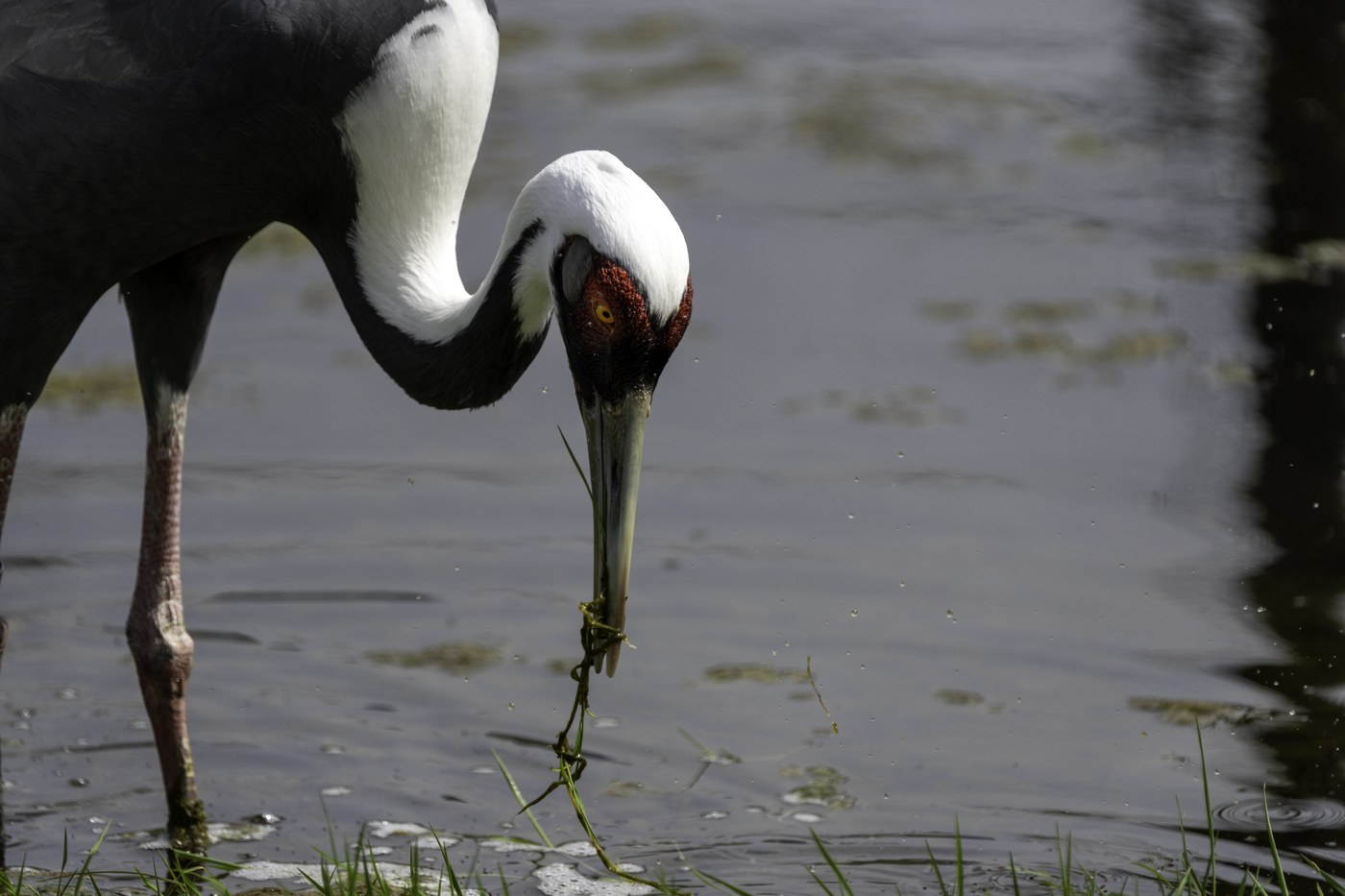
The White-naped Crane is a medium-large crane with a mostly slate-grey body, a striking white stripe running down the back of the neck and nape, and a patch of bare red skin on the face extending around the eye. Its legs are a distinctive pale pink, unusual among cranes.
The species breeds in the grasslands and wetlands of Mongolia, northeastern China, and the Russian Far East, and undertakes long migrations to wintering grounds further south and east in Asia.
How to identify it
Key field marks
- Slate-grey body plumage
- White nape and back of the neck contrasting with a darker grey foreneck
- Bare red facial skin around the eye
- Distinctive pink legs
Similar species
The Common Crane has a black-and-white striped head pattern rather than a solid white nape stripe, and grey (not pink) legs. The Hooded Crane has a white head and neck rather than just a white nape stripe, with the rest of the body a darker slate grey.
Habitat & range
White-naped Cranes breed in wetlands, river valleys, and grasslands across Mongolia, northeastern China, and the Russian Far East, often in areas with a mix of marshland and open steppe.
The species migrates to wintering grounds primarily in the Yangtze River floodplain of China (including Poyang Lake), the Korean Demilitarized Zone, and parts of Japan (notably Izumi), with the DMZ providing an unusually well-protected wintering refuge due to decades of limited human access.
Behavior & voice
White-naped Cranes forage in wetlands and grasslands for roots, tubers, insects, and small vertebrates, often walking through shallow marshes or open fields, and readily use agricultural areas for feeding during migration and winter.
They give loud, resonant calls and perform courtship dances typical of true cranes, including bowing and leaping displays. Nests are built on the ground in wetlands, typically with two eggs, and both parents share incubation and chick-rearing. The species is classified as Vulnerable due to wetland loss and degradation across its breeding, staging, and wintering ranges, particularly pressures on the Yangtze floodplain wetlands.
Frequently asked questions
What is distinctive about the White-naped Crane's appearance?
It has a striking white stripe down the back of the neck and nape, contrasting with grey body plumage, bare red facial skin, and unusually pink legs.
Where do White-naped Cranes winter?
Major wintering areas include the Yangtze River floodplain in China (especially Poyang Lake), the Korean Demilitarized Zone, and parts of Japan.
Why is the White-naped Crane vulnerable?
Loss and degradation of wetland habitat along its breeding, staging, and wintering range, particularly changes affecting Yangtze floodplain wetlands, threaten the species.
How is the White-naped Crane different from the Hooded Crane?
The White-naped Crane has only a white nape stripe with a grey foreneck, while the Hooded Crane has an entirely white head and neck against a darker slate-grey body.
White-naped Crane guides
In-depth guides for identifying, finding, and understanding White-naped Crane.
Other birds you may enjoy
Demoiselle Crane
85-100 cm (33-39 in) long, 155-180 cm wingspan
Boat-billed Heron
41-56 cm (16-22 in) long
Purple Heron
78-90 cm (31-35 in) long, 120-152 cm wingspan
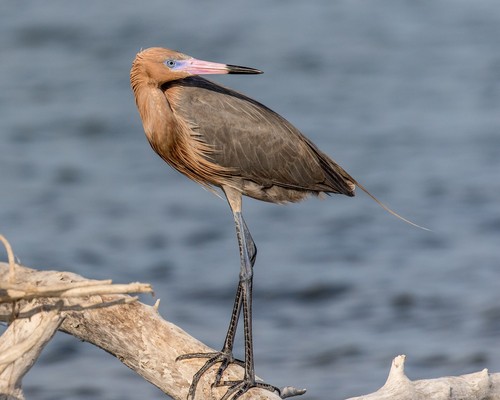
Reddish Egret
68-82 cm (27-32 in) long, 116-125 cm wingspan
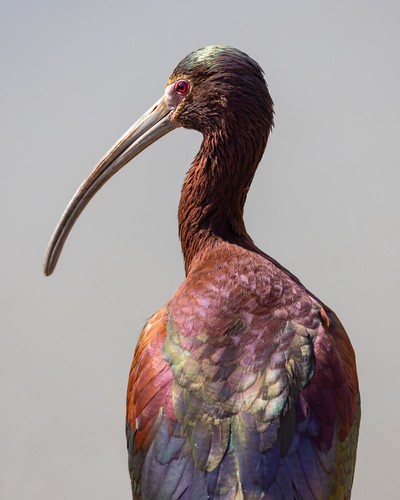
White-faced Ibis
46-56 cm (18-22 in) long, 88-93 cm wingspan
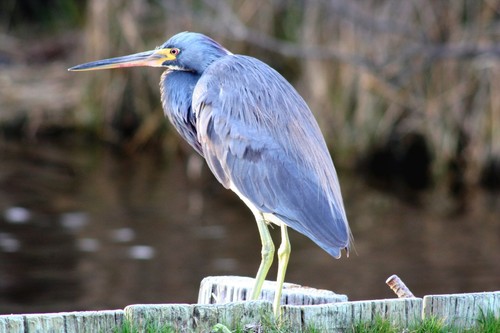
Tricolored Heron
61-76 cm (24-30 in) long, about 96 cm wingspan
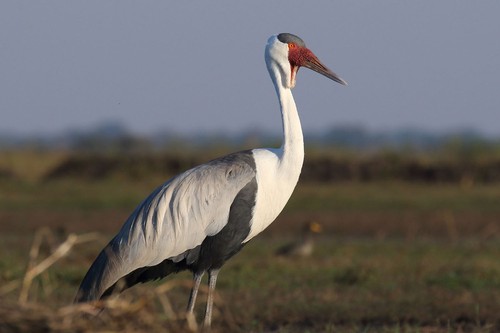
Wattled Crane
120-175 cm (47-69 in) tall, one of the tallest cranes, wingspan up to about 230 cm (7.5 ft)
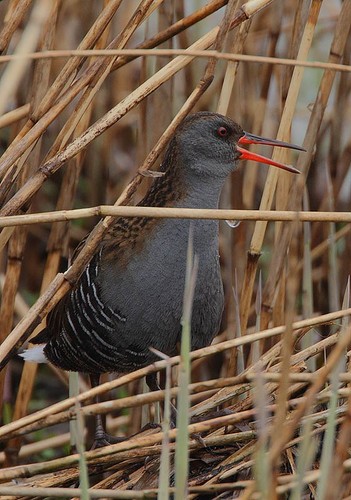
Water Rail
23-28 cm (9-11 in) long, wingspan 38-45 cm
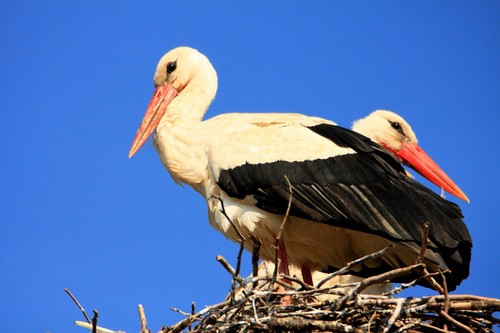
White Stork
100-125 cm (39-49 in) long, 155-215 cm wingspan
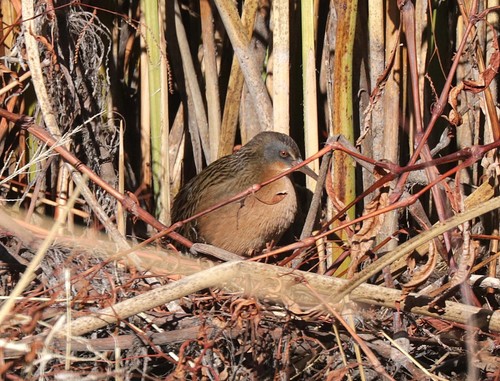
Virginia Rail
20-27 cm (8-11 in) long, wingspan 32-38 cm
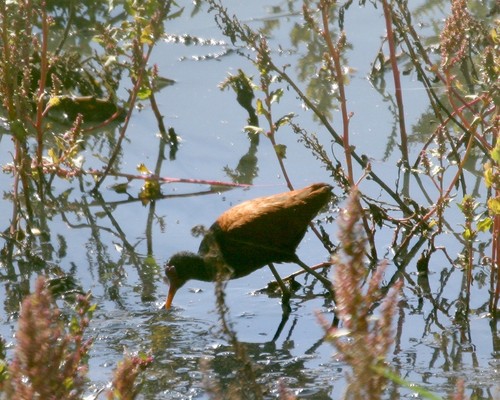
Wattled Jacana
17-23 cm (7-9 in) long
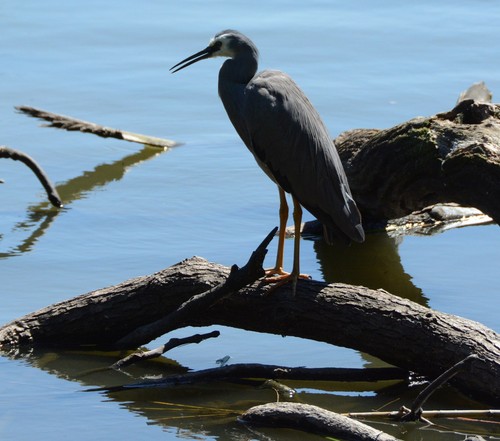
White-faced Heron
60-70 cm (24-28 in) long, 106 cm wingspan