
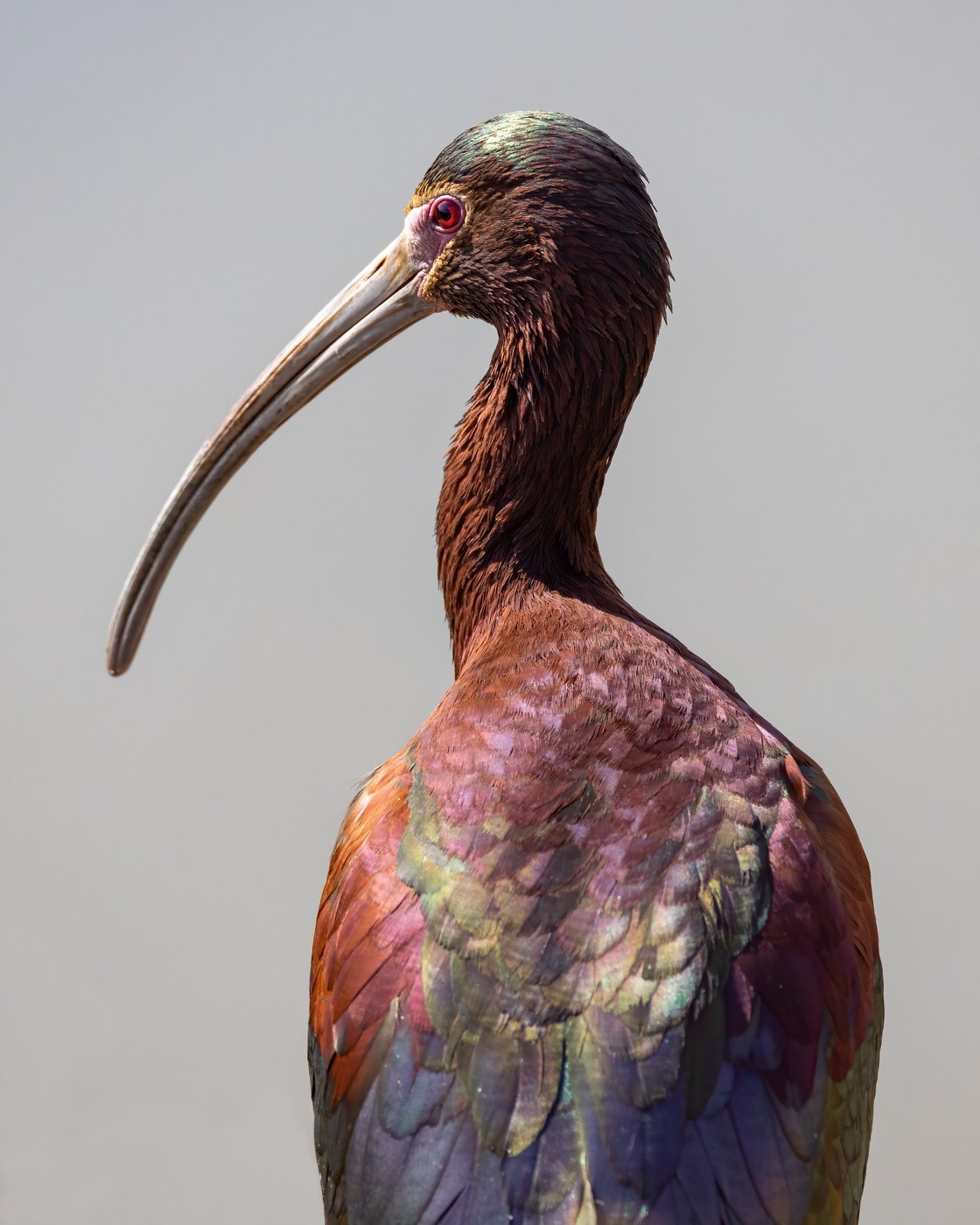
White-faced Ibis
Plegadis chihi
A dark, iridescent ibis of western wetlands, closely resembling the Glossy Ibis but marked by a thin band of white feathering around its red eye and face during breeding.
- Size
- 46-56 cm (18-22 in) long, 88-93 cm wingspan
- Habitat
- freshwater marshes and wet agricultural land in western North America and parts of South America
- Type
- wading-bird
Spotted a bird like this?
Identify any bird from a photo, free.
Overview
The White-faced Ibis is a dark, iridescent wading bird nearly identical to the Glossy Ibis in overall shape, with a long, slender down-curved bill and rich bronze, maroon, and green iridescence across the plumage. In breeding plumage, it develops a narrow band of white feathering bordering the bare reddish skin around the eye, giving the species its name, along with bright red legs and a red eye.
It is the more common Plegadis ibis across much of western North America, favoring interior freshwater wetlands and agricultural wetlands rather than coastal habitats.
How to identify it
Key field marks
- Dark, iridescent bronze-maroon-green plumage
- Long, thin, down-curved bill
- Breeding adults show a thin white feathered border around red facial skin and eye
- Reddish legs (versus greyer legs in Glossy Ibis)
Similar species
The Glossy Ibis is nearly identical and the two overlap in parts of the southern and eastern United States; the complete white facial border and redder legs of breeding White-faced Ibis are the most reliable field marks, though non-breeding and juvenile birds can be very difficult to separate.
Habitat & range
Habitat
This species favors freshwater marshes, flooded pastures, and irrigated agricultural land, especially in the interior western United States.
Range and migration
It breeds in scattered colonies across the western United States and locally in Mexico and South America, wintering from the southwestern US south through Mexico and Central America; many populations are migratory.
Behavior & voice
Behavior
Gregarious and often nomadic, following water availability, White-faced Ibis forage and roost in flocks, frequently alongside other wading birds and waterfowl in managed wetlands and flooded fields.
Voice
A low, grunting series of croaks, similar to the Glossy Ibis, given mainly at breeding colonies.
Feeding
It probes soft mud and flooded fields for earthworms, insects, and crayfish, often foraging in large mixed flocks in agricultural wetlands.
Nesting and breeding
White-faced Ibis nest colonially in marsh vegetation or low shrubs, often over water; clutches typically contain 3-4 eggs.
Frequently asked questions
How do you identify a White-faced Ibis?
Look for a dark, iridescent body and, in breeding plumage, a thin white feathered border around the red facial skin and eye, plus reddish legs.
Where does the White-faced Ibis live?
Mainly in freshwater marshes and agricultural wetlands of the western United States, wintering south into Mexico and Central America.
What is the difference between White-faced Ibis and Glossy Ibis?
White-faced Ibis has a complete white border around the face and redder legs in breeding plumage, and favors interior wetlands rather than coastal habitats.
What does a White-faced Ibis eat?
Earthworms, insects, and crayfish probed from flooded fields and marsh mud.
White-faced Ibis guides
In-depth guides for identifying, finding, and understanding White-faced Ibis.
Other birds you may enjoy
Demoiselle Crane
85-100 cm (33-39 in) long, 155-180 cm wingspan
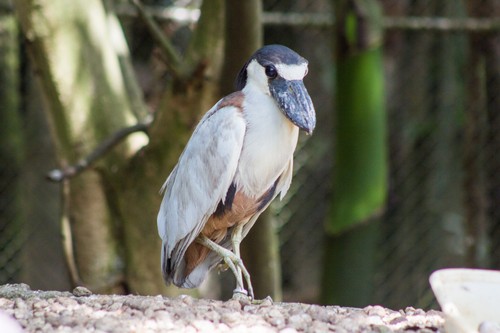
Boat-billed Heron
41-56 cm (16-22 in) long
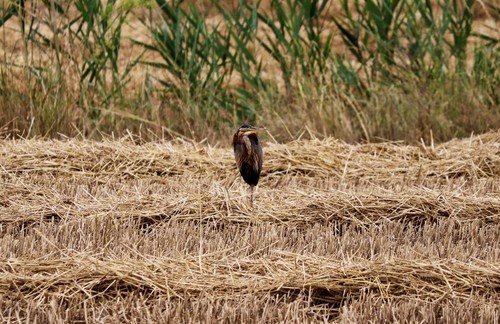
Purple Heron
78-90 cm (31-35 in) long, 120-152 cm wingspan
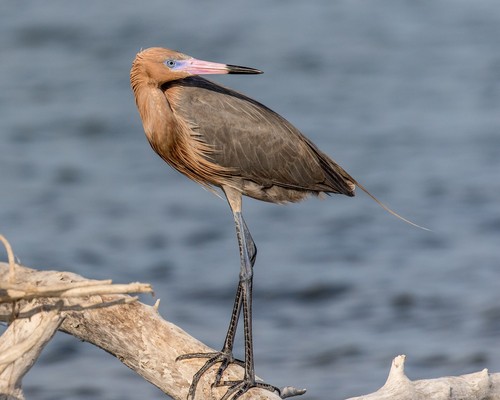
Reddish Egret
68-82 cm (27-32 in) long, 116-125 cm wingspan
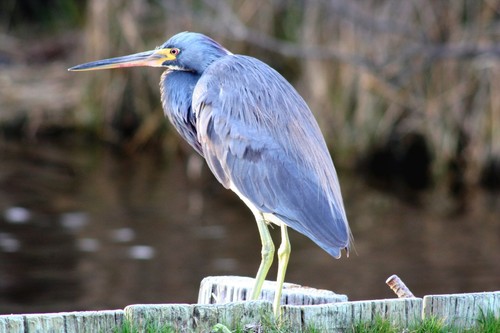
Tricolored Heron
61-76 cm (24-30 in) long, about 96 cm wingspan
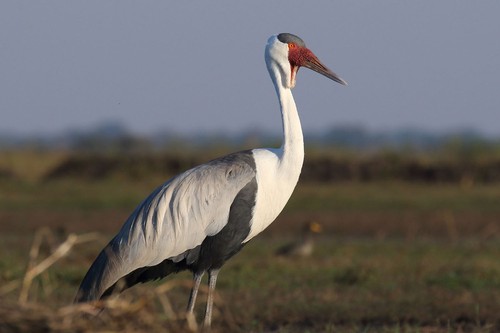
Wattled Crane
120-175 cm (47-69 in) tall, one of the tallest cranes, wingspan up to about 230 cm (7.5 ft)
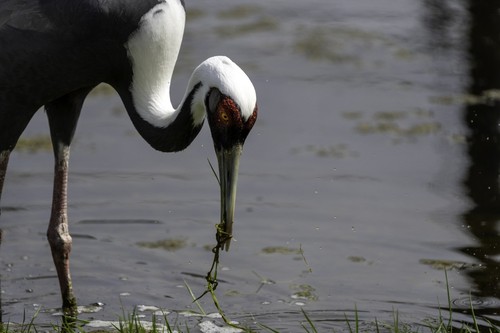
White-naped Crane
112-125 cm (44-49 in) long, 195-210 cm wingspan
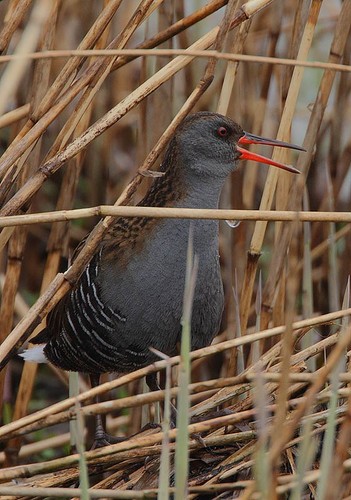
Water Rail
23-28 cm (9-11 in) long, wingspan 38-45 cm
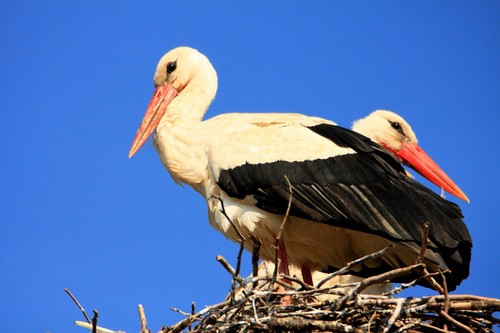
White Stork
100-125 cm (39-49 in) long, 155-215 cm wingspan
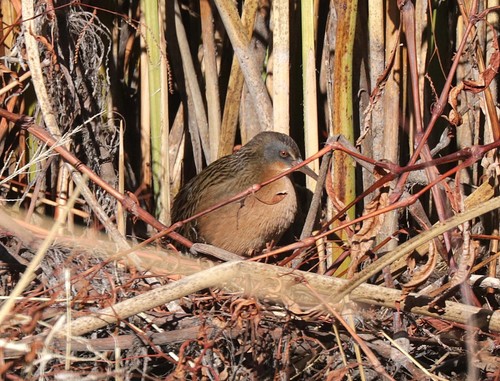
Virginia Rail
20-27 cm (8-11 in) long, wingspan 32-38 cm
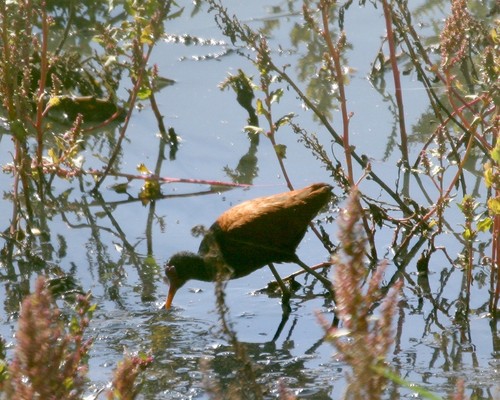
Wattled Jacana
17-23 cm (7-9 in) long
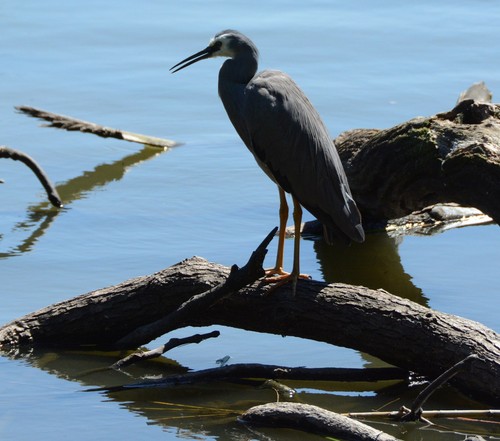
White-faced Heron
60-70 cm (24-28 in) long, 106 cm wingspan