
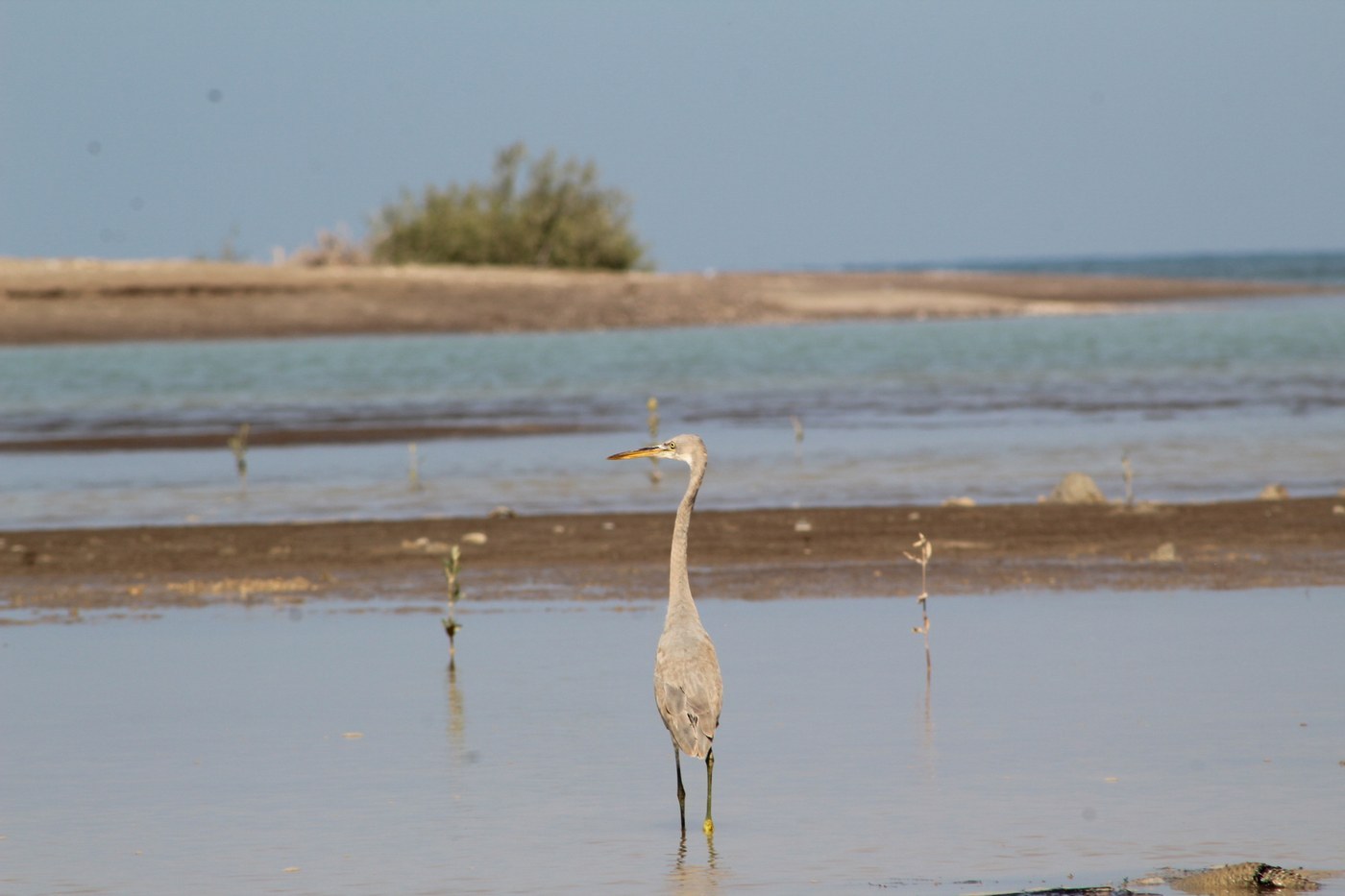
Western Reef-Heron
Egretta gularis
A coastal heron that comes in two color forms, slate-grey and pure white, both stalking crabs and fish along mangroves and reefs.
- Size
- 55-65 cm (22-26 in) long, 88-112 cm wingspan
- Habitat
- coastal mudflats, mangroves, and rocky shores of West Africa and the western Indian Ocean
- Type
- wading-bird
Spotted a bird like this?
Identify any bird from a photo, free.
Overview
The Western Reef-Heron is a medium-sized, coastal heron closely related to the Little Egret, occurring in two distinct color morphs: a dark slate-grey morph, often with a white throat patch, and a pure white morph. Both morphs share a stout, mostly dark bill (often with a yellowish base) and dull yellow-green legs, distinguishing them from the more slender, all-black-billed Little Egret.
Breeding birds develop long, wispy nape plumes similar to those of egrets. This species is a true coastal specialist, rarely venturing far from tidal mudflats, mangroves, and rocky shorelines.
How to identify it
Key field marks
- Two color morphs: dark slate-grey (sometimes with white throat) and pure white
- Stouter bill than Little Egret, often with a paler or two-toned base
- Dull yellow-green legs and feet, less contrastingly bright than the Little Egret's black legs and yellow feet
- Strictly coastal habits
Similar species
The white morph is easily confused with the Little Egret, but the reef-heron's heavier bill, duller leg color, and strictly coastal habitat help separate them. The dark morph can suggest a small dark heron but is told by its egret-like shape and bill structure.
Habitat & range
Habitat
This species is almost exclusively coastal, favoring tidal mudflats, mangrove creeks, rocky reefs, and estuaries, rarely straying inland.
Range and migration
It occurs along the coasts of West Africa and across the northern Indian Ocean, including the Red Sea, Persian Gulf, and coastal South Asia. Most populations are resident, with some local dispersal.
Behavior & voice
Behavior
Western Reef-Herons forage actively, often running through shallow water with wings raised or half-spread to flush prey, a more dynamic hunting style than the sit-and-wait approach of many herons.
Voice
A harsh croaking call, similar to other small herons and egrets, given mainly when disturbed or at breeding colonies.
Feeding
It feeds on small fish, crabs, shrimp, and other invertebrates gleaned from tidal pools, mudflats, and shallow coastal water.
Nesting and breeding
Colonial nester, often alongside other herons and egrets, building stick nests in mangroves or coastal scrub; clutches typically contain 2-4 eggs.
Frequently asked questions
Why does the Western Reef-Heron come in two colors?
It has a genetic color polymorphism, producing both a dark slate-grey morph and a pure white morph within the same population.
How do you tell a white Western Reef-Heron from a Little Egret?
The reef-heron has a heavier, often two-toned bill and duller yellow-green legs, plus a strictly coastal habitat, unlike the Little Egret.
Where does the Western Reef-Heron live?
Along coastal West Africa and the northern Indian Ocean, including the Red Sea and Persian Gulf.
What does a Western Reef-Heron eat?
Small fish, crabs, and other invertebrates found on tidal mudflats and reefs.
Western Reef-Heron guides
In-depth guides for identifying, finding, and understanding Western Reef-Heron.
Other birds you may enjoy
Demoiselle Crane
85-100 cm (33-39 in) long, 155-180 cm wingspan
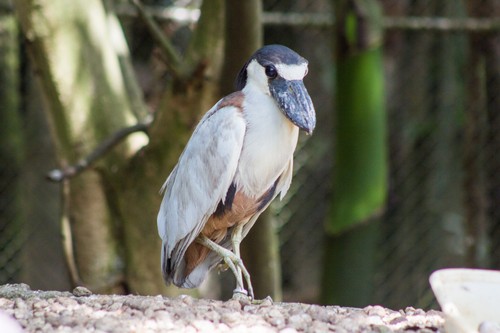
Boat-billed Heron
41-56 cm (16-22 in) long
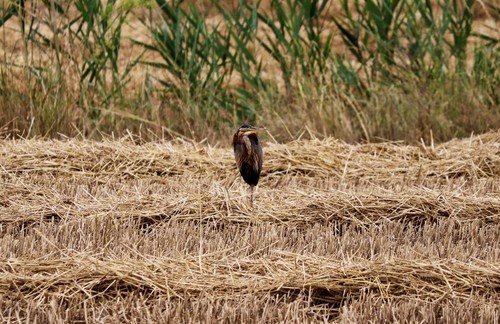
Purple Heron
78-90 cm (31-35 in) long, 120-152 cm wingspan
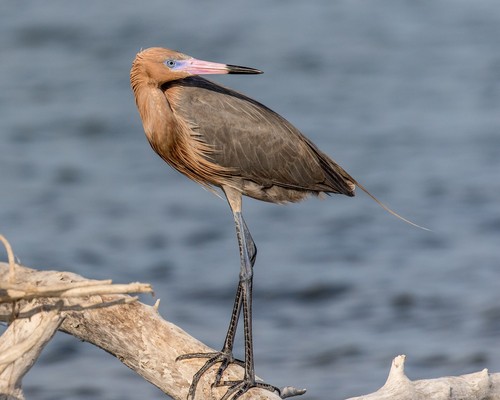
Reddish Egret
68-82 cm (27-32 in) long, 116-125 cm wingspan
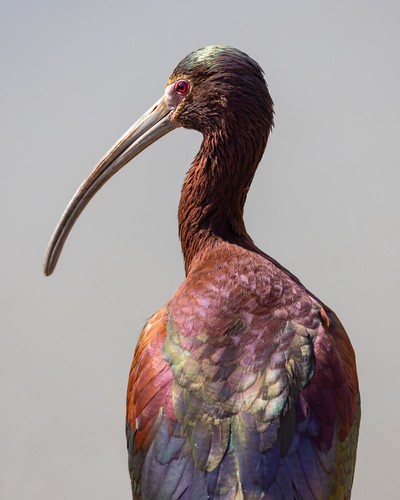
White-faced Ibis
46-56 cm (18-22 in) long, 88-93 cm wingspan
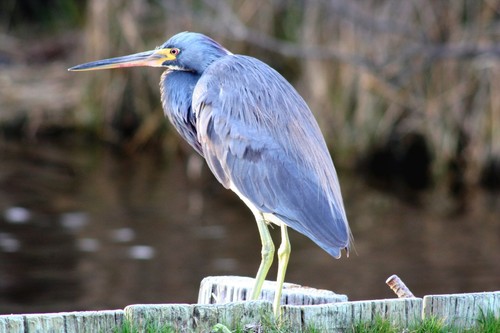
Tricolored Heron
61-76 cm (24-30 in) long, about 96 cm wingspan
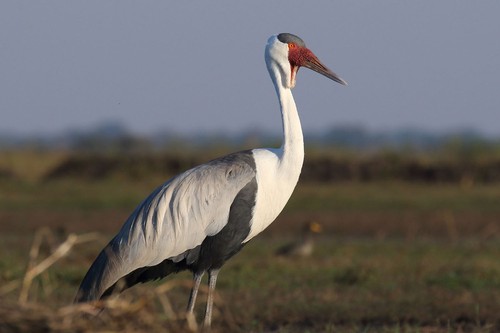
Wattled Crane
120-175 cm (47-69 in) tall, one of the tallest cranes, wingspan up to about 230 cm (7.5 ft)
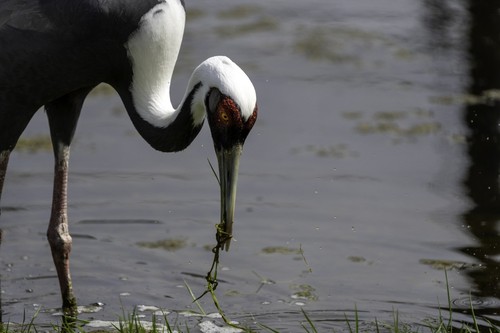
White-naped Crane
112-125 cm (44-49 in) long, 195-210 cm wingspan
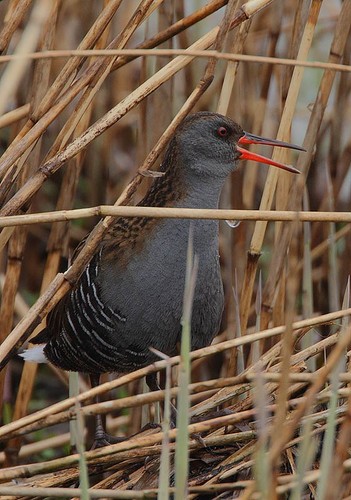
Water Rail
23-28 cm (9-11 in) long, wingspan 38-45 cm
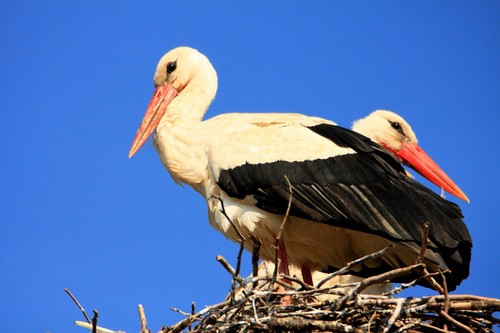
White Stork
100-125 cm (39-49 in) long, 155-215 cm wingspan
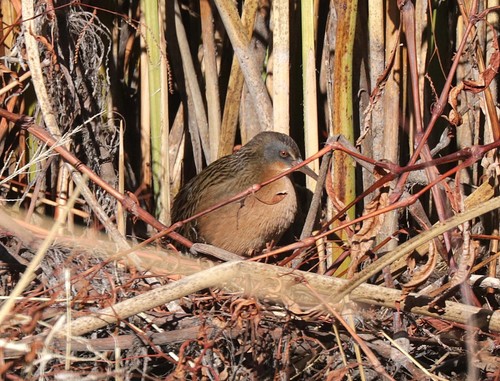
Virginia Rail
20-27 cm (8-11 in) long, wingspan 32-38 cm
Wattled Jacana
17-23 cm (7-9 in) long