
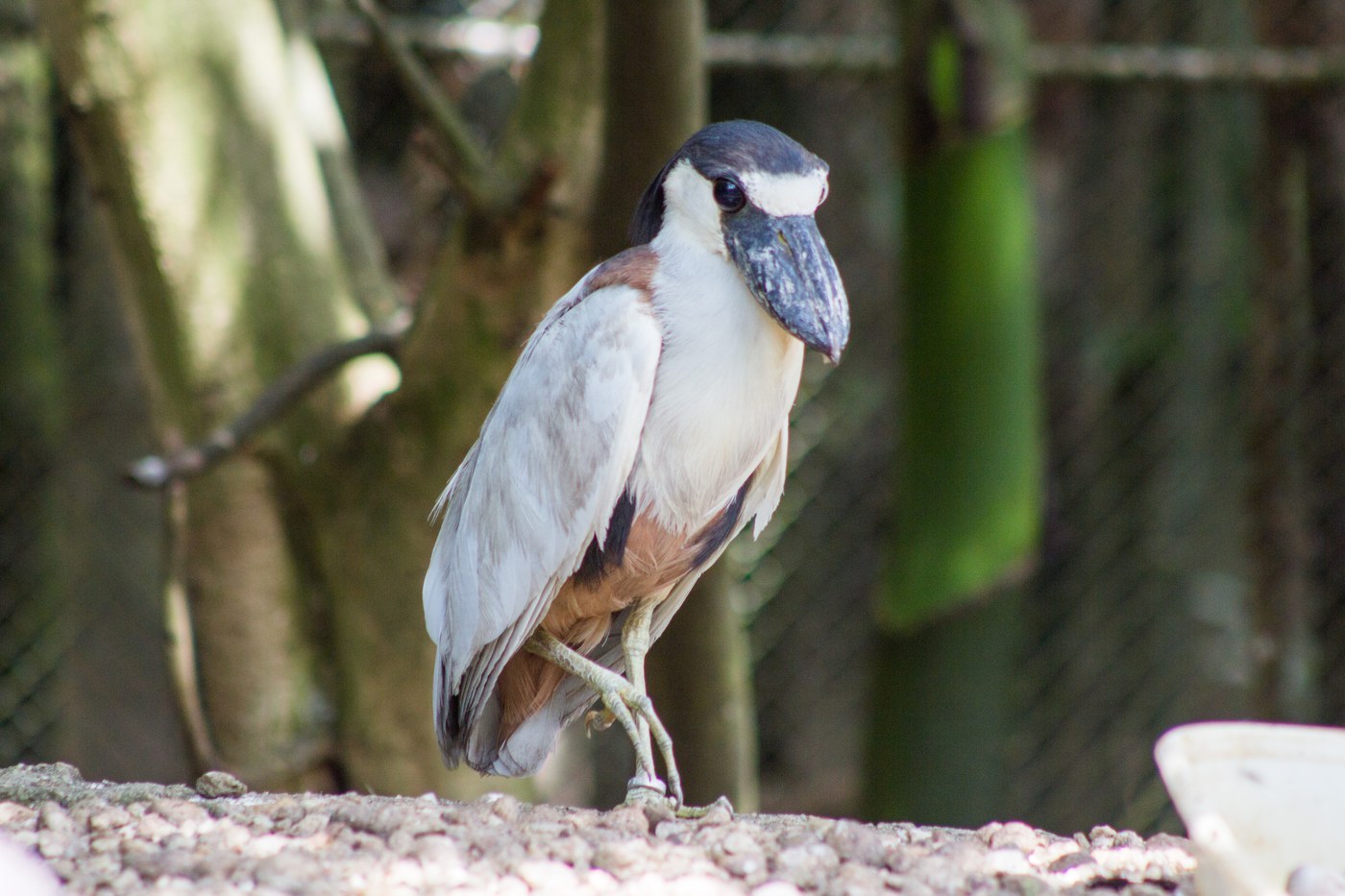
Boat-billed Heron
Cochlearius cochlearius
A bizarre, wide-eyed nocturnal heron of Latin American swamps, instantly recognizable by its enormous broad, boat-shaped bill.
- Size
- 41-56 cm (16-22 in) long
- Habitat
- mangroves and swamp forests of Central and South America
- Type
- wading-bird
Spotted a bird like this?
Identify any bird from a photo, free.
Overview
The Boat-billed Heron is one of the most unusual-looking members of the heron family, defined by its extraordinarily broad, flattened bill that resembles an upturned boat or scoop. It has large, dark, prominent eyes adapted for nocturnal foraging, a black crown with long drooping crest plumes, pale grey underparts, and blackish flanks.
Its unique bill shape is thought to help it detect and grab prey by feel in murky, dark water at night, functioning almost like a sensitive scoop rather than the precision spear-bill of typical herons.
How to identify it
Key field marks
- Massive, broad, flattened bill unlike any other heron
- Large, dark, owl-like eyes
- Black crown with long crest plumes
- Pale grey body with dark flanks
Similar species
No other heron shares its distinctive bill shape; at a glance it can suggest a night-heron due to its stocky build and large eyes, but the boat-shaped bill is unmistakable once seen.
Habitat & range
Habitat
It inhabits dense mangroves, swamp forests, and wooded riverbanks, typically staying hidden in cover during the day.
Range and migration
The species ranges from Mexico through Central America and into much of tropical South America, and is generally non-migratory, remaining resident within its wetland forest habitat.
Behavior & voice
Behavior
Strictly nocturnal or crepuscular, Boat-billed Herons roost in dense foliage during the day and become active at dusk, foraging quietly along shaded creeks and swamp edges.
Voice
A variety of croaks, clacks, and clattering bill-snaps, along with harsh barking notes given at roosts and colonies.
Feeding
It uses its broad bill to feel for and scoop up fish, crustaceans, and insects in dark or muddy water, relying more on touch and low-light vision than on sight alone.
Nesting and breeding
Boat-billed Herons nest colonially, often with other herons, building stick platforms in mangroves or waterside trees; clutches typically contain 2-4 eggs.
Frequently asked questions
Why does the Boat-billed Heron have such an unusual bill?
Its broad, scoop-like bill is thought to help it detect and grab prey by feel while foraging in dark water at night.
Is the Boat-billed Heron nocturnal?
Yes, it is primarily active at night and during twilight, roosting in dense cover during the day.
Where does the Boat-billed Heron live?
In mangroves and swamp forests from Mexico through Central America into tropical South America.
What does a Boat-billed Heron eat?
Fish, crustaceans, insects, and occasionally small mammals caught in dark, shallow water.
Boat-billed Heron guides
In-depth guides for identifying, finding, and understanding Boat-billed Heron.
Other birds you may enjoy
Demoiselle Crane
85-100 cm (33-39 in) long, 155-180 cm wingspan
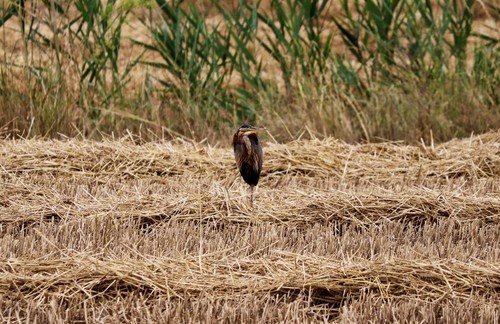
Purple Heron
78-90 cm (31-35 in) long, 120-152 cm wingspan
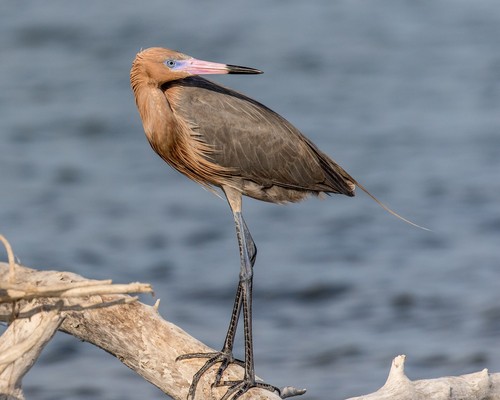
Reddish Egret
68-82 cm (27-32 in) long, 116-125 cm wingspan
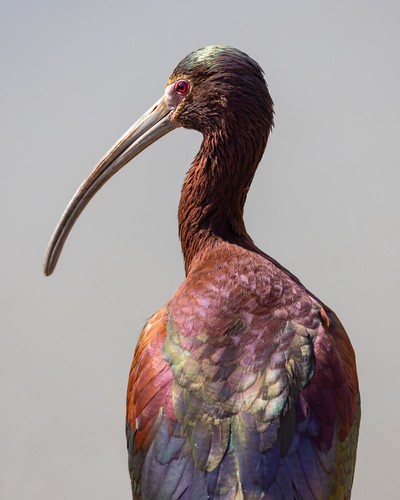
White-faced Ibis
46-56 cm (18-22 in) long, 88-93 cm wingspan
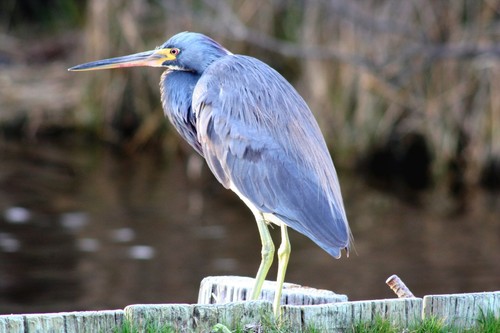
Tricolored Heron
61-76 cm (24-30 in) long, about 96 cm wingspan
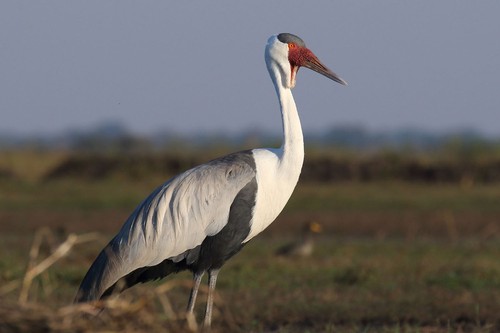
Wattled Crane
120-175 cm (47-69 in) tall, one of the tallest cranes, wingspan up to about 230 cm (7.5 ft)

White-naped Crane
112-125 cm (44-49 in) long, 195-210 cm wingspan
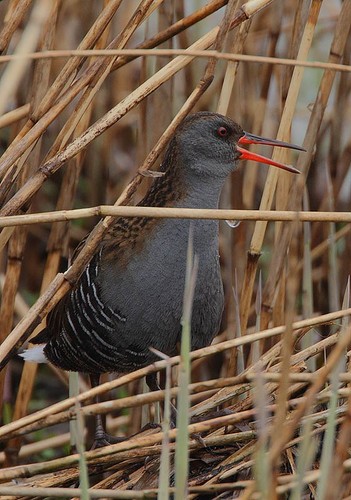
Water Rail
23-28 cm (9-11 in) long, wingspan 38-45 cm
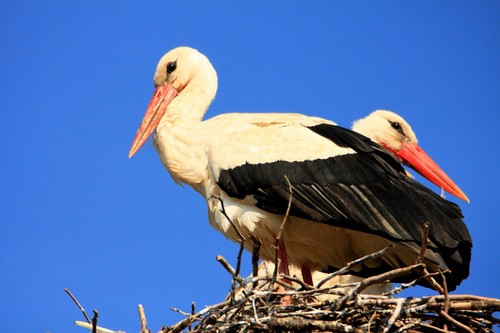
White Stork
100-125 cm (39-49 in) long, 155-215 cm wingspan
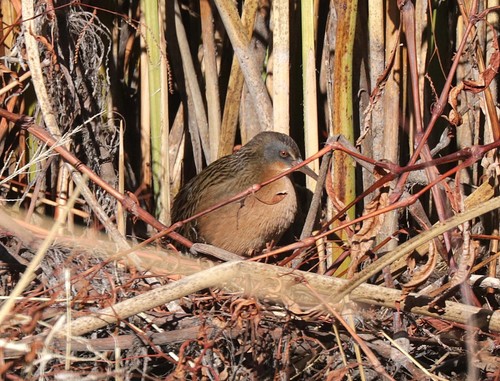
Virginia Rail
20-27 cm (8-11 in) long, wingspan 32-38 cm
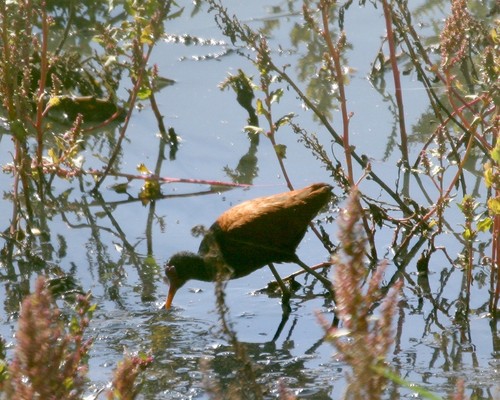
Wattled Jacana
17-23 cm (7-9 in) long
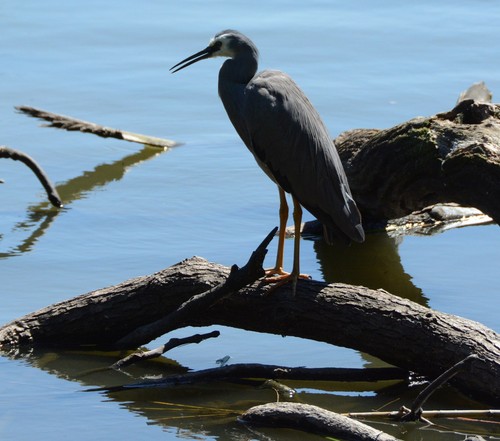
White-faced Heron
60-70 cm (24-28 in) long, 106 cm wingspan