
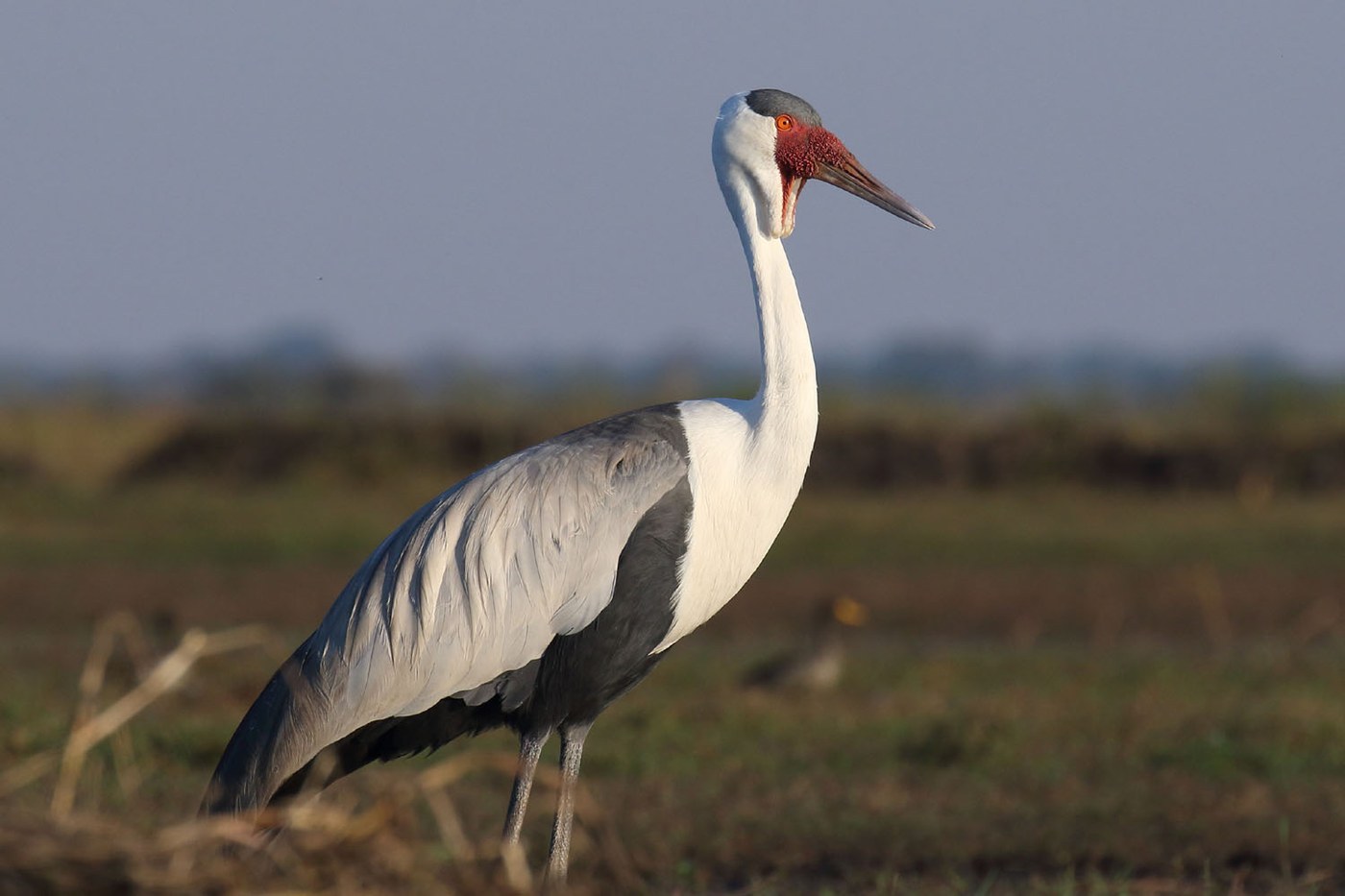
Wattled Crane
Grus carunculata
The tallest crane in Africa, easily told by the pair of long, fleshy white wattles hanging beneath its chin.
- Size
- 120-175 cm (47-69 in) tall, one of the tallest cranes, wingspan up to about 230 cm (7.5 ft)
- Habitat
- large undisturbed wetlands, floodplains, and marshes across sub-Saharan Africa
- Type
- wading-bird
Spotted a bird like this?
Identify any bird from a photo, free.
Overview
The Wattled Crane is the largest of Africa's three crane species and one of the tallest flying birds in the world. Its name comes from the pair of long, pendulous white wattles that hang from the sides of its face below the chin, a feature no other African crane shares. The body plumage is mostly slate-grey, offset by a white foreneck and breast and a patch of bare red skin around the face and crown, which is covered in short, bristly black feathers.
Elegant and elongated in shape, the Wattled Crane has long, drooping tertial feathers that trail gracefully over the tail. It is a specialist of large, undisturbed wetlands and is considered a strong indicator of wetland health, since it depends on stable water levels and minimal human disturbance to breed successfully.
How to identify it
Key field marks
- Long, pale, fleshy wattles hanging beneath the chin
- White foreneck and breast contrasting with a slate-grey body
- Bare red skin patch on the face, capped with short black bristly feathers
- Long, drooping white-grey tertial plumes trailing over the tail
- Very tall stature and long dark legs
Similar species
The Blue Crane lacks wattles entirely and is uniformly pale blue-grey with dark, trailing wingtip plumes. The Grey Crowned Crane has a spiky golden crown of stiff feathers and a much more colorful head, quite unlike the Wattled Crane's plain grey head and drooping wattles.
Habitat & range
Habitat
Wattled Cranes require large, relatively undisturbed wetlands, floodplains, and seasonally flooded grasslands with shallow water for feeding and nesting. They are especially associated with large river floodplain systems and inland deltas.
Range and migration
The species occurs in scattered, declining populations across southern and east-central Africa, with strongholds in Zambia's floodplains, Botswana's Okavango Delta, and Ethiopia's highland wetlands, plus a small isolated population in South Africa. It is largely sedentary or locally nomadic, moving in response to changing water levels rather than undertaking long migrations.
Behavior & voice
Behavior
Wattled Cranes forage by wading in shallow water and probing the mud with their bills for submerged tubers and plant material. Pairs are highly territorial during the breeding season and mate for life, performing bowing and leaping displays.
Voice
A loud, far-carrying trumpeting or bugling call, often given by pairs in duet.
Feeding
Mainly sedge and aquatic plant tubers dug from the mud, supplemented with seeds and small invertebrates.
Nesting and breeding
Nests are built as isolated mounds of vegetation in flooded wetlands, usually holding a single egg. Incubation lasts around 33-36 days, and chicks remain dependent on their parents for an unusually long period among cranes.
Frequently asked questions
What are the wattles on a Wattled Crane for?
The fleshy white wattles are thought to play a role in visual display and courtship communication between pairs.
Where do Wattled Cranes live?
They inhabit large, undisturbed wetlands and floodplains in scattered populations across southern and east-central Africa.
Are Wattled Cranes endangered?
They are classified as Vulnerable, with declining numbers driven mainly by wetland drainage and disturbance.
How tall does a Wattled Crane get?
Adults can stand up to about 175 cm (nearly 6 feet) tall, making it Africa's tallest crane.
What do Wattled Cranes eat?
Mostly sedge tubers and other aquatic plant material dug from wetland mud, plus some small invertebrates.
Wattled Crane guides
In-depth guides for identifying, finding, and understanding Wattled Crane.
Other birds you may enjoy
Demoiselle Crane
85-100 cm (33-39 in) long, 155-180 cm wingspan
Boat-billed Heron
41-56 cm (16-22 in) long
Purple Heron
78-90 cm (31-35 in) long, 120-152 cm wingspan
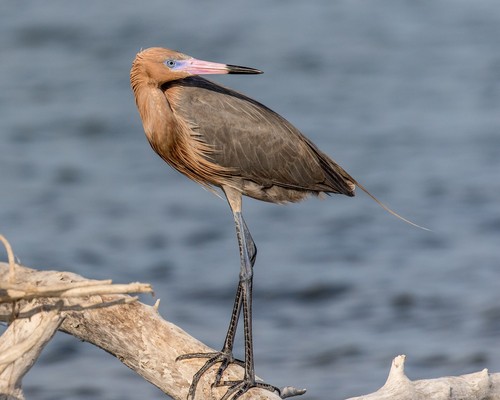
Reddish Egret
68-82 cm (27-32 in) long, 116-125 cm wingspan
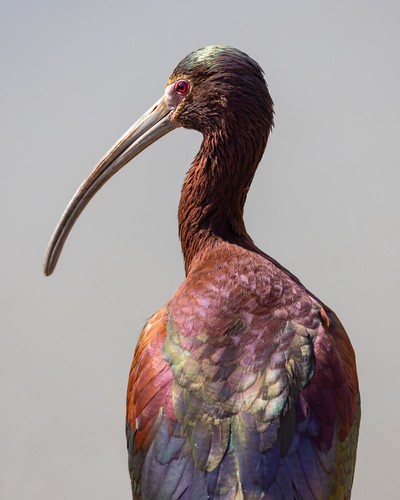
White-faced Ibis
46-56 cm (18-22 in) long, 88-93 cm wingspan
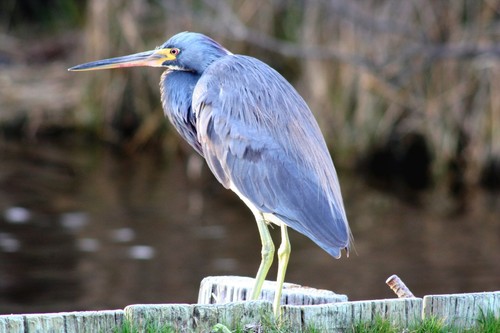
Tricolored Heron
61-76 cm (24-30 in) long, about 96 cm wingspan
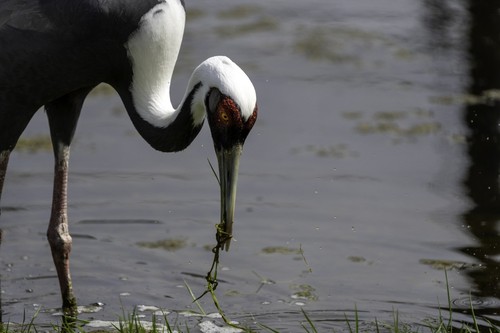
White-naped Crane
112-125 cm (44-49 in) long, 195-210 cm wingspan
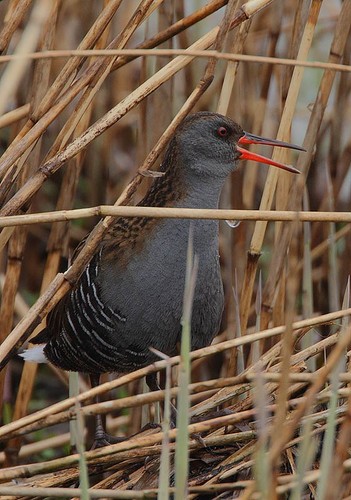
Water Rail
23-28 cm (9-11 in) long, wingspan 38-45 cm
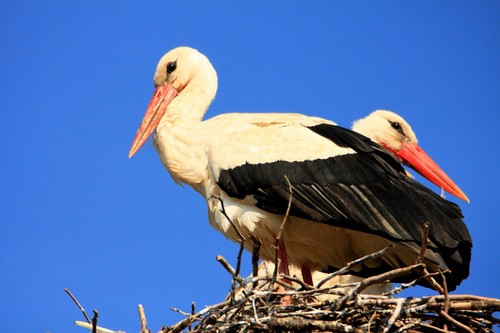
White Stork
100-125 cm (39-49 in) long, 155-215 cm wingspan
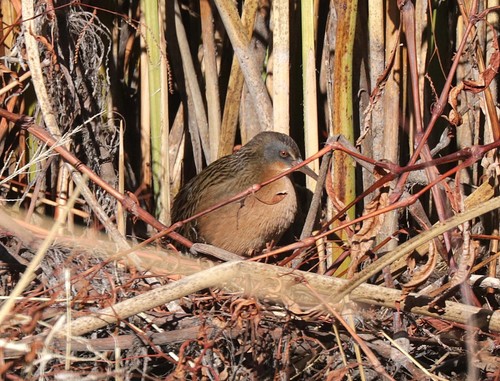
Virginia Rail
20-27 cm (8-11 in) long, wingspan 32-38 cm
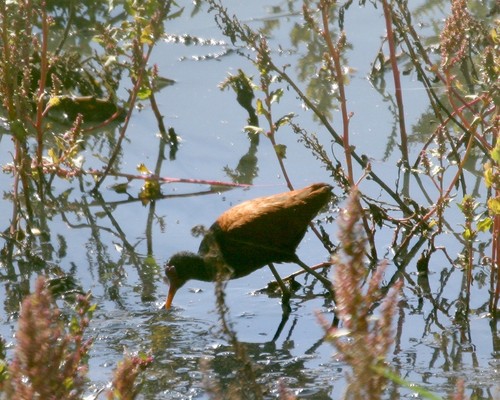
Wattled Jacana
17-23 cm (7-9 in) long
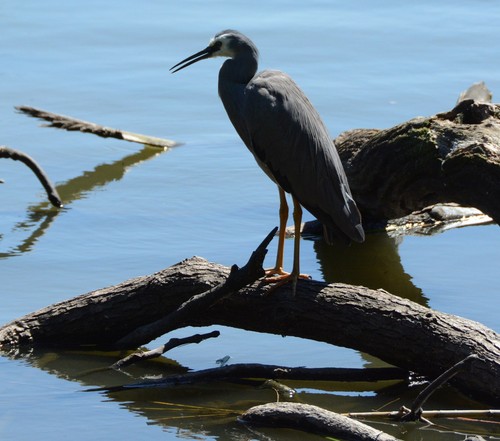
White-faced Heron
60-70 cm (24-28 in) long, 106 cm wingspan