
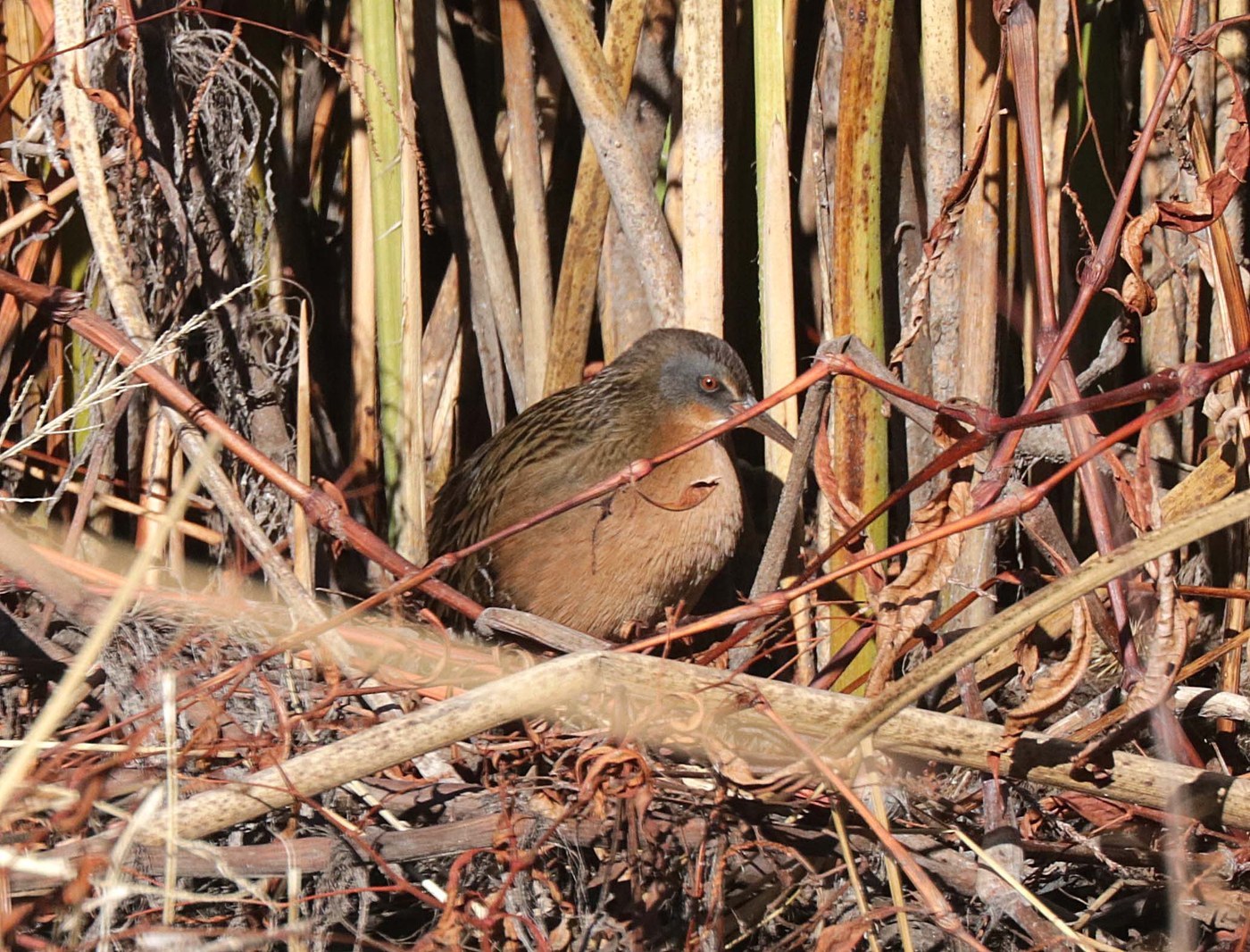
Virginia Rail
Rallus limicola
A slender, secretive marsh bird with a long reddish downcurved bill, rusty breast, and gray cheeks.
- Size
- 20-27 cm (8-11 in) long, wingspan 32-38 cm
- Habitat
- freshwater and brackish marshes with dense cattails and sedges across North America
- Type
- wading-bird
Spotted a bird like this?
Identify any bird from a photo, free.
Overview
The Virginia Rail is a small, laterally compressed rail built for slipping through the densest marsh vegetation. It has a long, slightly downcurved reddish-orange bill, a gray cheek patch, a rich cinnamon-rufous breast and underparts, and brown, black-streaked upperparts.
Its narrow, flattened body is the classic example of the phrase 'thin as a rail,' allowing it to move easily between tightly packed reed and cattail stems that would stop a bulkier bird.
How to identify it
Key field marks
- Long, slightly downcurved reddish-orange bill
- Rich cinnamon-rufous breast
- Gray cheek patch
- Black-and-white barred flanks
- Short, cocked tail showing white undertail coverts
Similar species
The Sora has a short yellow bill and a gray, not rufous, breast. The King Rail shares a similar bill and breast pattern but is much larger and favors fresher, more open marshes. The Clapper Rail is larger and duller gray-brown, restricted to coastal salt marsh.
Habitat & range
Habitat
Dense freshwater, brackish, and occasionally coastal marshes with thick cattails, bulrushes, and sedges.
Range and migration
Breeds across much of North America. Northern populations migrate to the southern United States, Mexico, and Central America for winter, while some populations are year-round residents.
Behavior & voice
Behavior
Extremely secretive, using its narrow, laterally compressed body to slip between dense reed stems largely out of sight.
Voice
A sharp, repeated 'kidick-kidick' call along with various grunting notes.
Feeding
Probes mud and shallow water for insects, worms, snails, and small fish.
Nesting and breeding
Builds a woven nest of marsh vegetation, often with an overhead canopy, positioned just above the water level.
Frequently asked questions
Why is the Virginia Rail's body shaped the way it is?
Its narrow, laterally compressed body lets it move easily through dense reeds and cattails, the origin of the saying 'thin as a rail.'
How can I tell a Virginia Rail from a Sora?
The Virginia Rail has a long reddish bill and rusty breast, while the Sora has a short yellow bill and gray breast.
What does a Virginia Rail sound like?
A sharp, repeated 'kidick-kidick-kidick' call along with various grunts, most often heard at dawn or dusk.
Where do Virginia Rails live?
Dense freshwater and brackish marshes across much of North America.
What do Virginia Rails eat?
Mostly insects, worms, snails, and small fish found by probing mud and shallow water.
Virginia Rail guides
In-depth guides for identifying, finding, and understanding Virginia Rail.
Other birds you may enjoy
Demoiselle Crane
85-100 cm (33-39 in) long, 155-180 cm wingspan
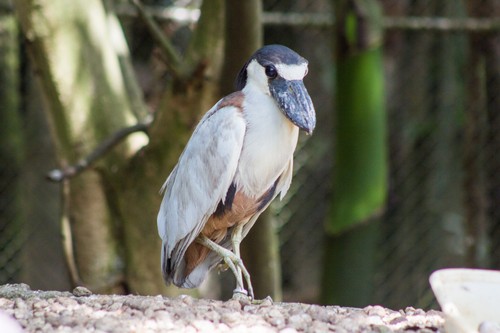
Boat-billed Heron
41-56 cm (16-22 in) long
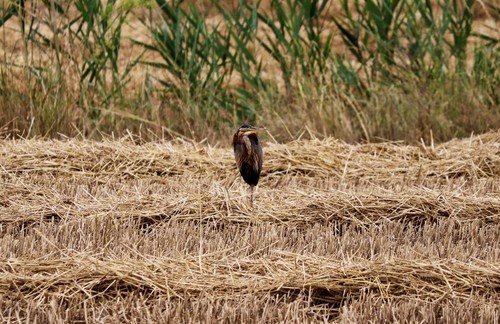
Purple Heron
78-90 cm (31-35 in) long, 120-152 cm wingspan
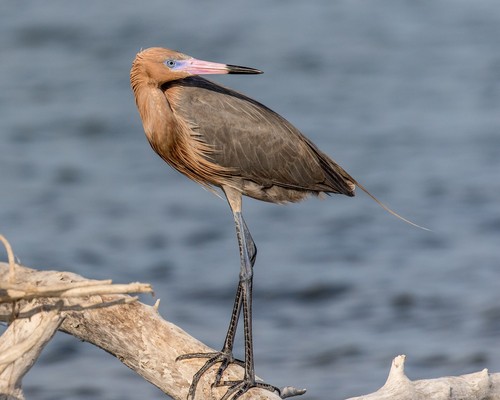
Reddish Egret
68-82 cm (27-32 in) long, 116-125 cm wingspan
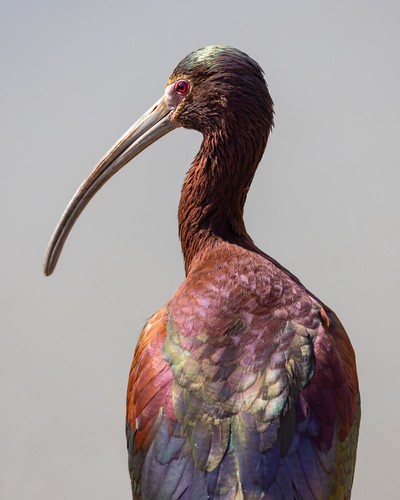
White-faced Ibis
46-56 cm (18-22 in) long, 88-93 cm wingspan
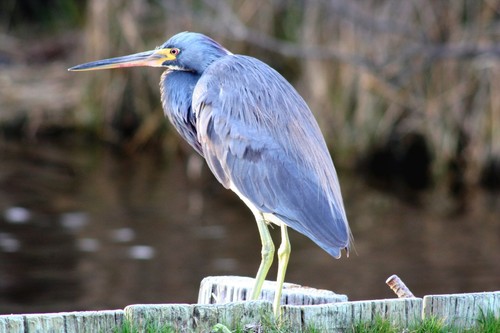
Tricolored Heron
61-76 cm (24-30 in) long, about 96 cm wingspan
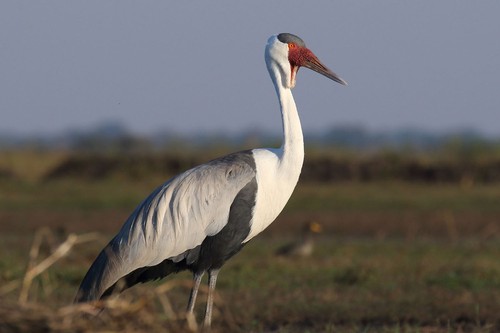
Wattled Crane
120-175 cm (47-69 in) tall, one of the tallest cranes, wingspan up to about 230 cm (7.5 ft)
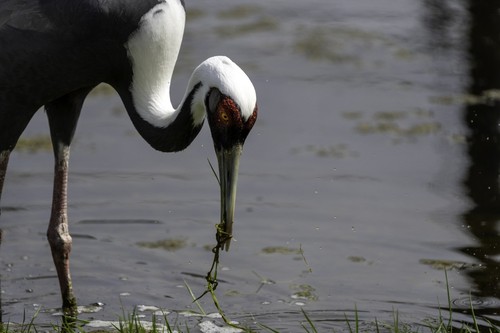
White-naped Crane
112-125 cm (44-49 in) long, 195-210 cm wingspan
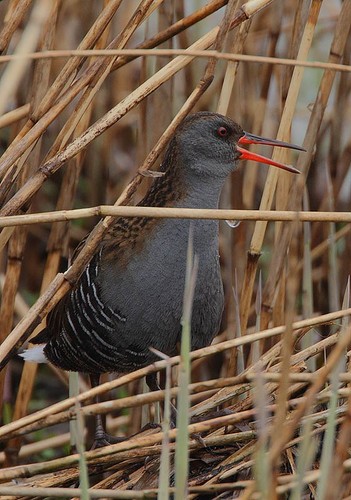
Water Rail
23-28 cm (9-11 in) long, wingspan 38-45 cm
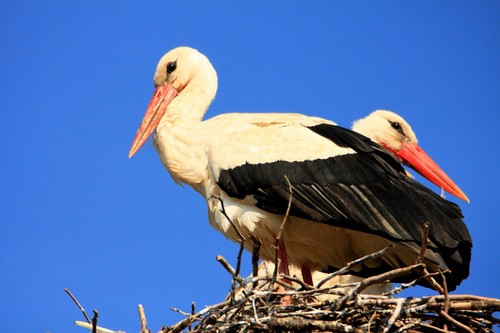
White Stork
100-125 cm (39-49 in) long, 155-215 cm wingspan
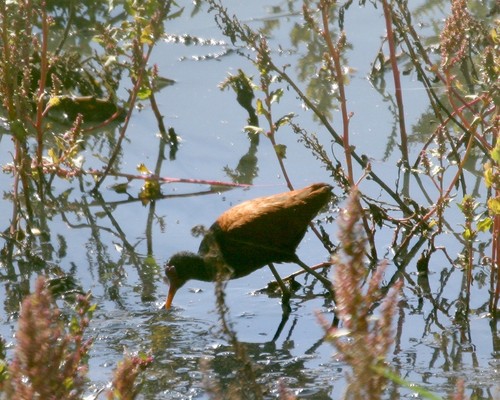
Wattled Jacana
17-23 cm (7-9 in) long
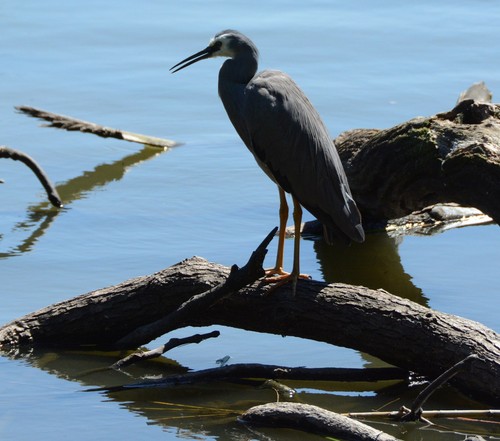
White-faced Heron
60-70 cm (24-28 in) long, 106 cm wingspan