
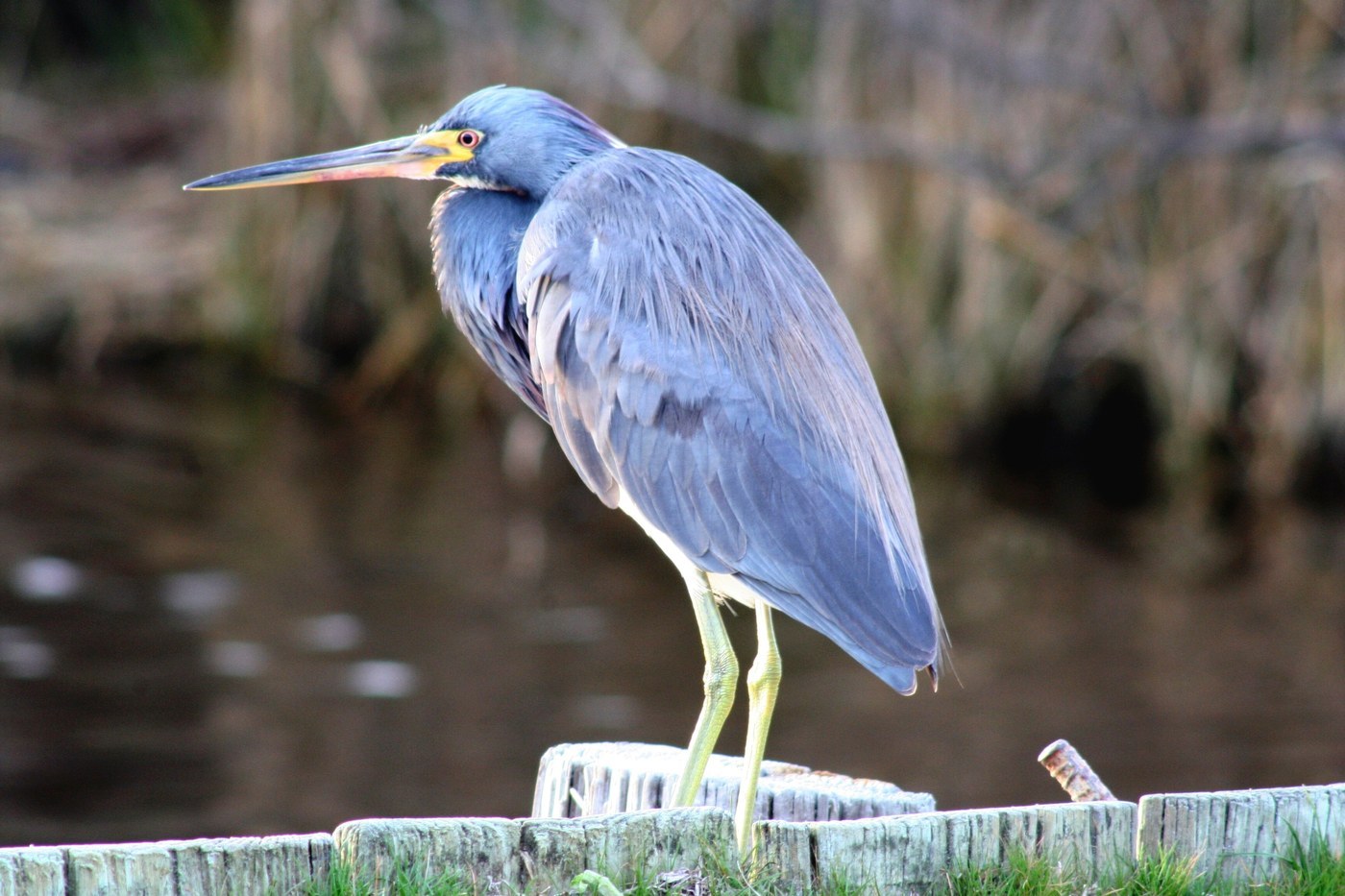
Tricolored Heron
Egretta tricolor
A slender, dark-bodied heron of American coastal marshes with a bright white belly and neck stripe that sets it apart from all other herons.
- Size
- 61-76 cm (24-30 in) long, about 96 cm wingspan
- Habitat
- coastal marshes, mangroves, and estuaries in the Americas
- Type
- wading-bird
Spotted a bird like this?
Identify any bird from a photo, free.
Overview
The Tricolored Heron, formerly known as the Louisiana Heron, is a slim, medium-sized heron with dark blue-grey upperparts, a purplish-maroon neck, and a distinctive white stripe running down the center of the foreneck. Its most diagnostic feature is a contrasting white belly, unique among dark herons, which flashes clearly when the bird flies or stretches during feeding.
During the breeding season, adults develop elongated plumes on the head, neck, and back, and the bill and legs flush with brighter breeding colors.
How to identify it
Key field marks
- Dark slate-blue body with a maroon wash on the neck
- Thin white stripe down the front of the neck
- Contrasting white belly, visible in flight or when foraging actively
- Long, thin, dagger-like bill
Similar species
- Little Blue Heron: uniformly dark underparts without the Tricolored Heron's white belly
- Reddish Egret: larger and stockier with a shaggy neck, lacking the sharply defined white belly
The crisp white belly against an otherwise dark body is unique to the Tricolored Heron among American herons and is the most reliable identification feature.
Habitat & range
Range and habitat
Tricolored Herons are found along coastal areas of the southeastern and Gulf Coast United States, Mexico, Central America, the Caribbean, and northern South America, favoring salt marshes, mangroves, estuaries, and shallow coastal lagoons.
Migration
Southern and coastal populations are largely resident, while northern breeders along the U.S. Atlantic and Gulf coasts may withdraw somewhat southward in winter, though the species remains largely non-migratory compared to many other herons.
Behavior & voice
Behavior
Tricolored Herons are active, energetic foragers, frequently running, darting, and flicking their wings to startle prey into moving, in contrast to the more sedate stalking of larger herons.
Voice
Calls include low croaks and a nasal "aaah" given during breeding displays and interactions at nesting colonies.
Feeding
They feed almost exclusively in shallow coastal waters, using quick chases and lunges to catch small fish and aquatic invertebrates, often wading rapidly with wings partly spread.
Nesting and breeding
Tricolored Herons nest colonially, frequently alongside other wading birds, building stick nests low in mangroves or shrubs near water; both parents incubate and feed the typically three to four chicks.
Frequently asked questions
What was the Tricolored Heron formerly called?
It was historically known as the Louisiana Heron before being renamed the Tricolored Heron to better reflect its distinctive plumage pattern.
How do you identify a Tricolored Heron?
Look for a slender dark blue-grey heron with a maroon neck, a thin white neck stripe, and a contrasting white belly, unique among American herons.
What does the Tricolored Heron eat?
It feeds mainly on small fish and aquatic invertebrates, often caught by actively chasing prey through shallow water.
Where do Tricolored Herons live?
They are found along coastal areas from the southeastern and Gulf Coast United States through Mexico, Central America, the Caribbean, and northern South America.
Tricolored Heron guides
In-depth guides for identifying, finding, and understanding Tricolored Heron.
Other birds you may enjoy
Demoiselle Crane
85-100 cm (33-39 in) long, 155-180 cm wingspan
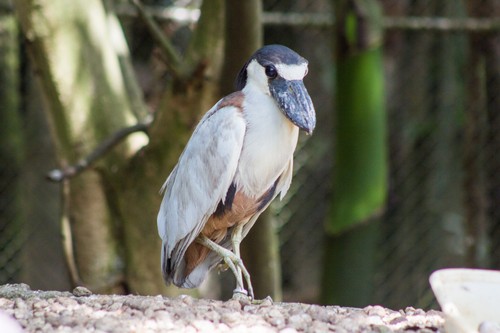
Boat-billed Heron
41-56 cm (16-22 in) long
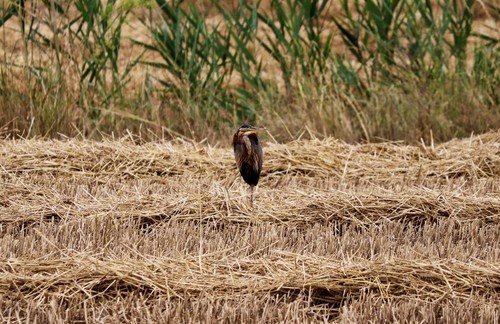
Purple Heron
78-90 cm (31-35 in) long, 120-152 cm wingspan
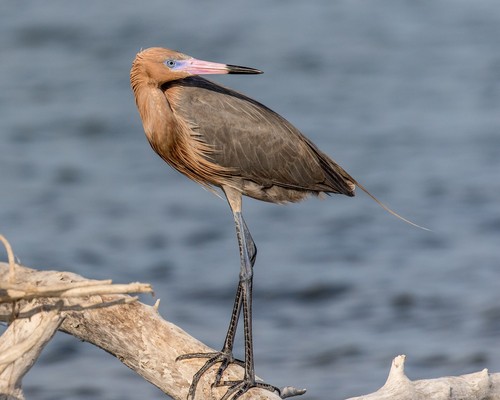
Reddish Egret
68-82 cm (27-32 in) long, 116-125 cm wingspan
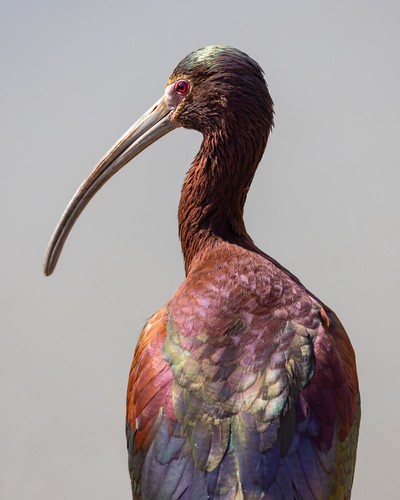
White-faced Ibis
46-56 cm (18-22 in) long, 88-93 cm wingspan
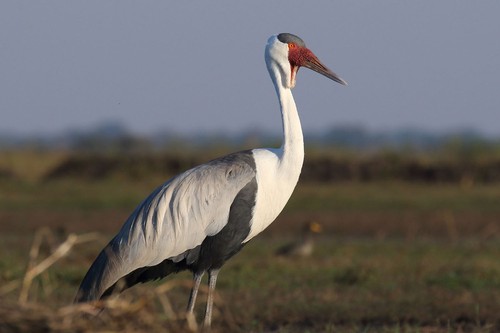
Wattled Crane
120-175 cm (47-69 in) tall, one of the tallest cranes, wingspan up to about 230 cm (7.5 ft)
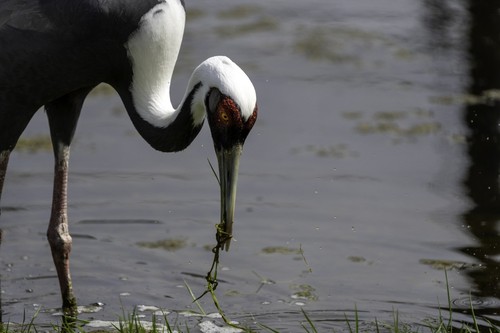
White-naped Crane
112-125 cm (44-49 in) long, 195-210 cm wingspan
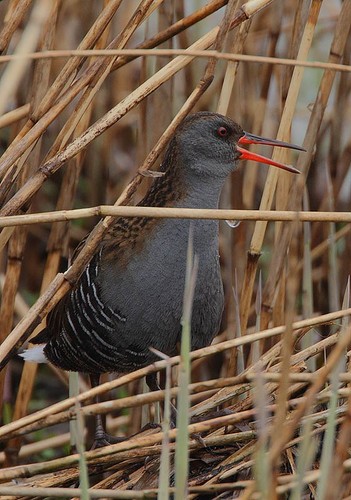
Water Rail
23-28 cm (9-11 in) long, wingspan 38-45 cm
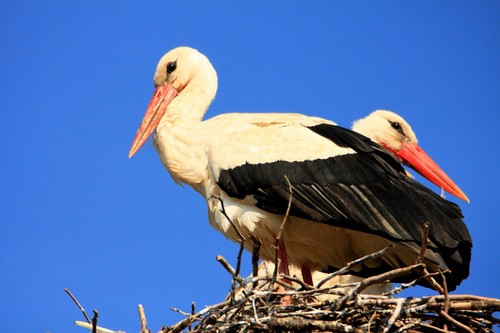
White Stork
100-125 cm (39-49 in) long, 155-215 cm wingspan
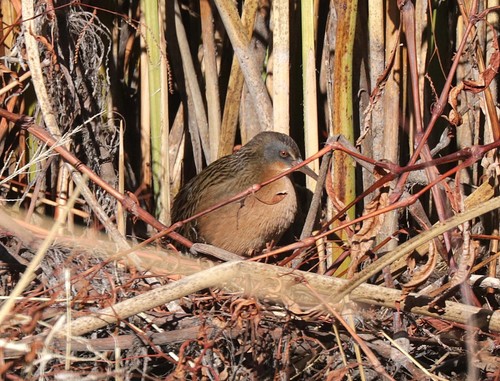
Virginia Rail
20-27 cm (8-11 in) long, wingspan 32-38 cm
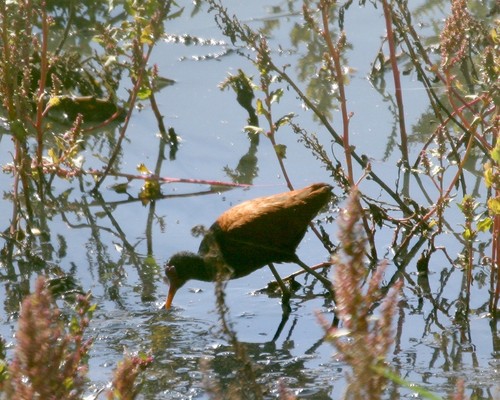
Wattled Jacana
17-23 cm (7-9 in) long
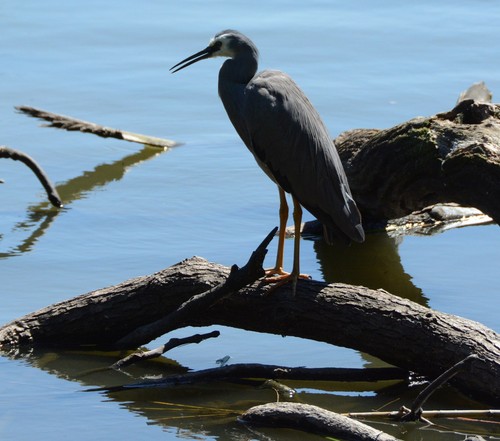
White-faced Heron
60-70 cm (24-28 in) long, 106 cm wingspan