
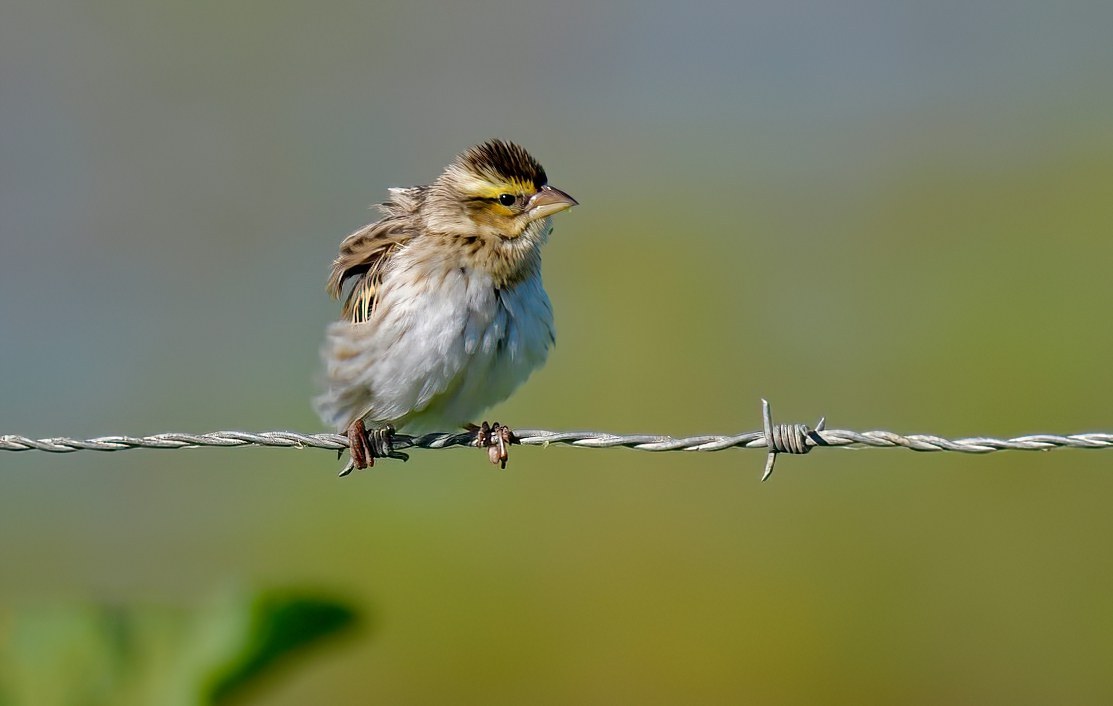
Yellow-crowned Bishop
Euplectes afer
A tiny African grassland bird whose breeding male dons a vivid golden-yellow and black plumage over marshy habitat.
- Size
- About 10-11 cm long
- Habitat
- Marshes, wet grassland, and seasonally flooded fields
- Type
- songbird
Spotted a bird like this?
Identify any bird from a photo, free.
Overview
The Yellow-crowned Bishop, also known as the Golden Bishop, is a small weaver-finch found across much of sub-Saharan Africa in marshes and wet grassland. Like its relative the Southern Red Bishop, it shows dramatic seasonal plumage change in the male.
The breeding male is strikingly patterned: a golden-yellow crown, nape, and rump contrast with an otherwise black body, including the face, throat, breast, and back. Non-breeding males and females are dull, streaky brown and closely resemble female sparrows or other bishops, making identification more difficult outside the breeding season.
It is one of the smallest members of the bishop and widowbird group, Euplectes.
How to identify it
Key field marks
- Breeding male: golden-yellow crown, nape, and rump against black face, throat, breast, and back
- Non-breeding male and female: streaky buff-brown overall, small size, and a stubby conical bill
- Smaller and more compact than most other bishops
- Yellow shoulder patch may show in some plumages
Similar species
- Southern Red Bishop and other red bishops show scarlet rather than yellow in breeding male plumage.
- Yellow Bishop (Euplectes capensis) is a larger, different species with yellow confined mainly to the shoulder and rump against an otherwise black body, and prefers different habitat (grassy hillsides rather than marshes).
- Female and non-breeding plumages across bishop species are very similar and best told apart by the accompanying breeding males or by range.
Habitat & range
Range
Widely distributed across sub-Saharan Africa, from Senegal and Mauritania east to Sudan and Ethiopia, and south through East Africa to South Africa; also introduced in parts of the West Indies and elsewhere.
Habitat
Inhabits marshes, wet grassland, flooded rice fields, and seasonally inundated grassy areas, often near open water.
Movements
Generally resident but locally nomadic, tracking seasonal changes in water levels and grass seed availability; may form large flocks outside the breeding season.
Behavior & voice
Behavior
Gregarious outside the breeding season, often joining large mixed-species flocks of seed-eating birds in grassland and farmland. Breeding males are highly territorial, performing conspicuous bouncing display flights over their territory.
Voice
Gives thin, buzzy chirps and a wheezy, insect-like song, often uttered during the male's low bouncing flight display over grass.
Feeding
Feeds primarily on grass seeds and small seeds picked from the ground or seedheads, supplemented with insects.
Nesting and breeding
The male builds a small, woven, ball-shaped nest of grass low in marsh vegetation or grass tussocks and displays with a distinctive slow, bouncing flight to attract females. The species is polygynous, and males may mate with several females that each raise a brood in separate nests within his territory.
Frequently asked questions
How do you identify a Yellow-crowned Bishop?
Breeding males are golden-yellow on the crown, nape, and rump with an otherwise black body; females and non-breeding males are small, streaky brown birds best told apart from similar species by range and any accompanying breeding males.
Where does the Yellow-crowned Bishop live?
It lives across much of sub-Saharan Africa in marshes, wet grassland, and seasonally flooded fields.
What is another name for the Yellow-crowned Bishop?
It is also commonly called the Golden Bishop.
How is the Yellow-crowned Bishop different from the Southern Red Bishop?
The breeding male Yellow-crowned Bishop shows golden-yellow rather than scarlet-red on the crown, nape, and rump.
Do Yellow-crowned Bishops nest in colonies?
Males hold individual territories in marsh or grass habitat where multiple females may nest, rather than forming dense single-tree colonies.
Yellow-crowned Bishop guides
In-depth guides for identifying, finding, and understanding Yellow-crowned Bishop.
Other birds you may enjoy
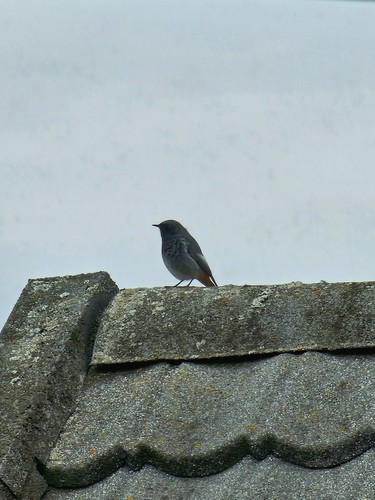
Black Redstart
13-14.5 cm (5.1-5.7 in) long, 23-26 cm wingspan
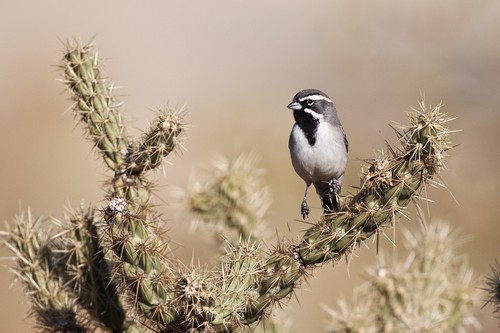
Black-throated Sparrow
12-14 cm (4.7-5.5 in) long, about 19-20 cm (7.5-8 in) wingspan
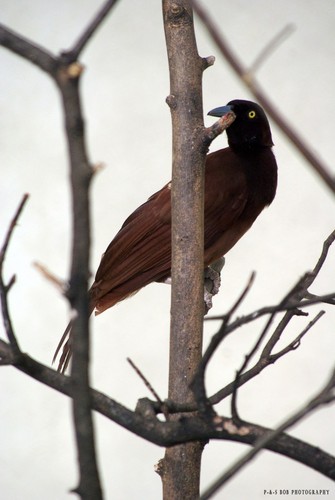
Greater Bird-of-paradise
Body about 43 cm; males with additional flank plumes up to 50 cm and long tail wires
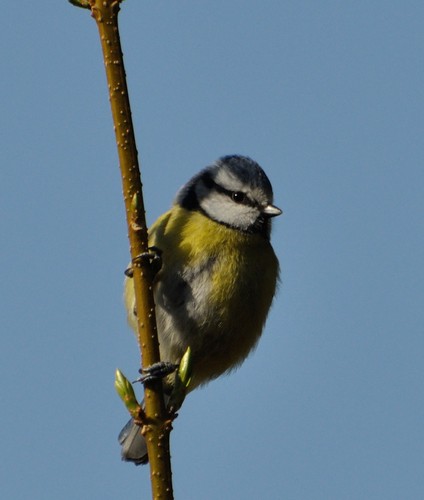
Blue Tit
11-12 cm (4.3-4.7 in) long, 17-20 cm wingspan
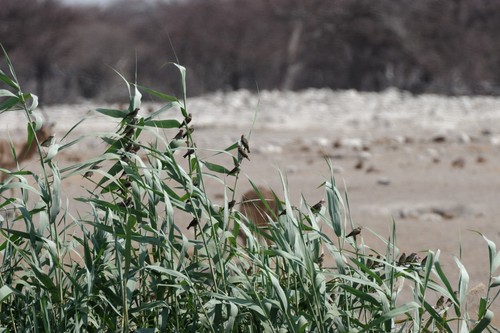
Red-billed Quelea
11.5–13 cm long, wingspan about 20–22 cm
White-plumed Antbird
13-14 cm (5-5.5 in) long
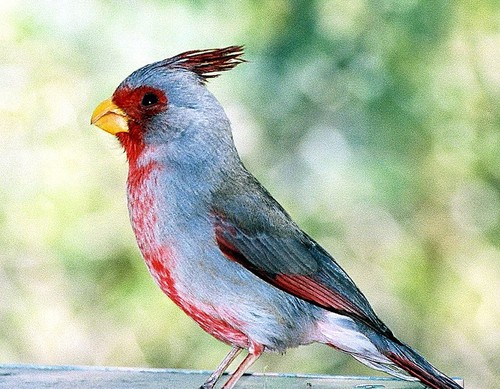
Pyrrhuloxia
19-22 cm (7.5-8.7 in) long, 30 cm wingspan
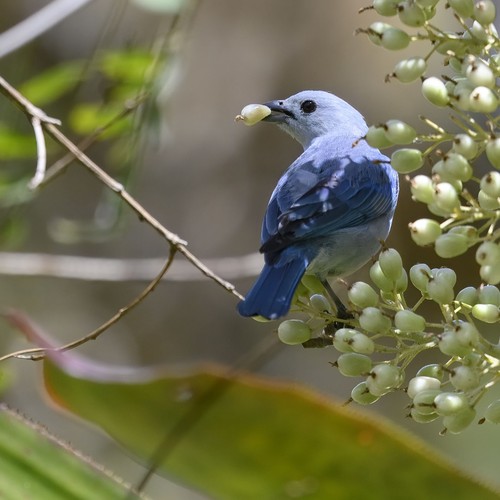
Blue-gray Tanager
16-18 cm (6-7 in) long
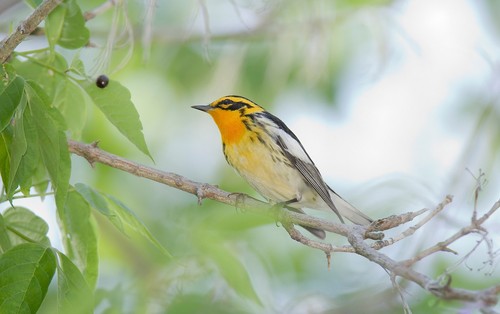
Blackburnian Warbler
11-13 cm (4.3-5.1 in) long, 20-22 cm wingspan
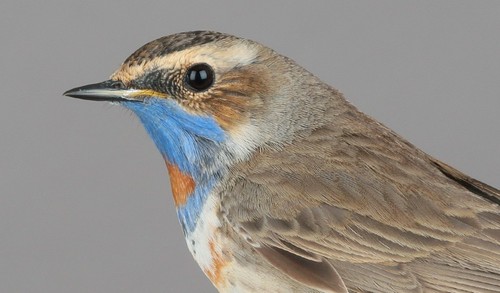
Bluethroat
13-14 cm (5.1-5.5 in) long, 20-22 cm wingspan
Eurasian Nuthatch
12-14.5 cm (4.7-5.7 in) long, 22.5-27 cm wingspan
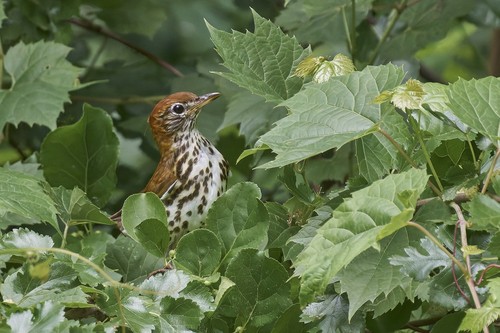
Wood Thrush
19-21 cm (7.5-8.3 in) long, about 33 cm (13 in) wingspan