
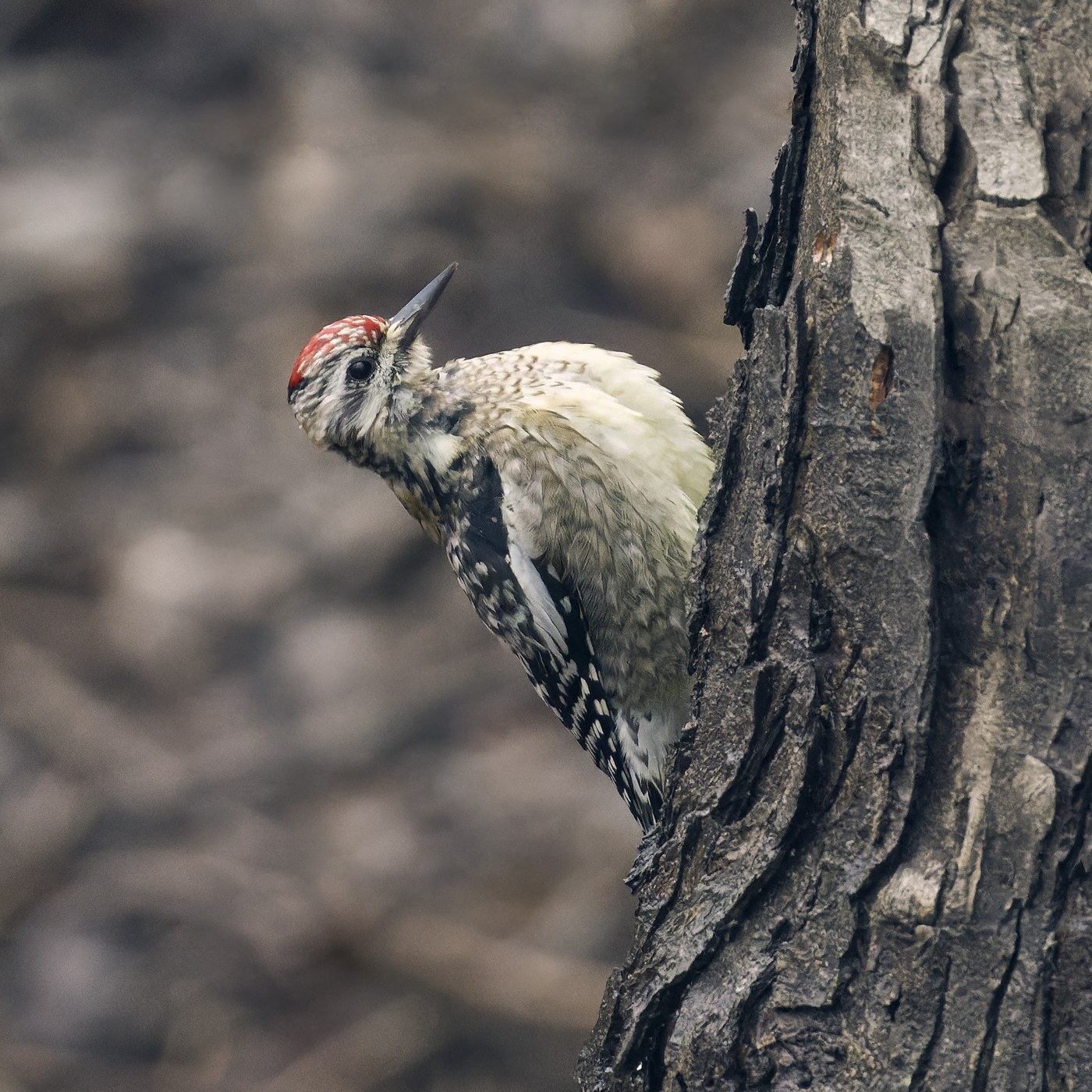
Yellow-bellied Sapsucker
Sphyrapicus varius
A quiet, migratory woodpecker known for drilling neat rows of small holes in tree bark to feed on the flowing sap.
- Size
- 18-21 cm (7-8.3 in) long, 34-40 cm wingspan
- Habitat
- young deciduous and mixed forests, especially aspen, birch, and maple stands
- Type
- woodpecker
Spotted a bird like this?
Identify any bird from a photo, free.
Overview
The Yellow-bellied Sapsucker is a medium-sized, boldly patterned woodpecker best known for its distinctive feeding behavior rather than its plumage: it drills neat, evenly spaced rows of shallow holes, called sap wells, into tree bark and returns repeatedly to drink the sap and eat the insects it attracts. Adults have a black-and-white striped face, a red forehead patch, a black bib, and a pale yellowish wash on the belly that gives the species its name, though the yellow tone is often subtle.
Males additionally show a red throat patch, while females have a white throat, both sexes sharing the black bib and boldly patterned wings with a distinctive long white wing stripe visible at rest.
Relatively quiet and unobtrusive compared to other woodpeckers, sapsuckers are often first detected not by call but by the telltale horizontal rows of small holes they leave in tree trunks.
How to identify it
Key Field Marks
- Black-and-white striped face pattern with a red forehead patch
- Black bib bordered by pale underparts with a faint yellowish wash
- Long white stripe along the folded wing, conspicuous at rest
- Males have a red throat, females a white throat
- Neat horizontal rows of small holes (sap wells) in tree bark are a diagnostic sign
Similar Species
- Red-naped Sapsucker (western, replaces this species largely west of the Rockies) shows a red patch extending onto the nape and less white on the back; ranges mostly separate with limited hybridization zone.
- Downy and Hairy Woodpeckers lack the sapsucker's red forehead/throat combination and the long white wing stripe, and do not create sap wells.
Habitat & range
Yellow-bellied Sapsuckers breed across the boreal and northern hardwood forests of Canada and the northeastern and north-central United States, favoring young to mid-successional deciduous and mixed stands, especially those with aspen, birch, and maple. They are the most migratory of the North American woodpeckers.
This species winters from the southeastern and south-central United States south through Mexico and Central America, with the migratory pattern taking it well outside the breeding range entirely during colder months.
Behavior & voice
Behavior
Sapsuckers maintain and defend systems of sap wells on preferred trees, visiting them regularly throughout the day and defending them from other birds, insects, and even mammals that come to feed on the sap.
Voice
The call is a nasal, cat-like mewing "meah," and the species also gives an irregular, stuttering drum pattern distinct from the steady drumming of most other woodpeckers, often described as Morse-code-like.
Feeding
Sap forms a major part of the diet, supplemented heavily by insects - especially those attracted to the sap wells - as well as fruit and berries, particularly outside the breeding season; many other species, including hummingbirds, rely on sapsucker wells as a food source.
Nesting & Breeding
Both parents excavate a nest cavity, usually in a live deciduous tree often afflicted with heart-rot fungus that softens the wood, laying 4-6 eggs. Both sexes share incubation and feeding of the young.
Frequently asked questions
Why does the Yellow-bellied Sapsucker drill rows of holes in trees?
It excavates shallow "sap wells" in neat horizontal rows to feed on the flowing sap and the insects the sap attracts, returning to maintain and drink from the same wells repeatedly.
Does drilling sap wells harm the tree?
Light to moderate sapsucker drilling is usually not seriously harmful to a healthy tree, though heavy, repeated drilling on the same tree over years can occasionally cause stress or provide entry points for disease.
How do you tell males and females apart?
Males have a red throat patch while females have a white throat; both sexes share the red forehead, black bib, and striped face pattern.
Do other animals use sapsucker wells?
Yes, many species including hummingbirds, warblers, and even some mammals feed at sap wells originally drilled by sapsuckers, making them an important resource for other wildlife.
Yellow-bellied Sapsucker guides
In-depth guides for identifying, finding, and understanding Yellow-bellied Sapsucker.
Other birds you may enjoy
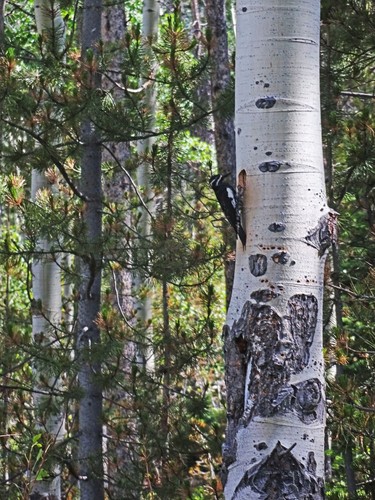
Williamson's Sapsucker
21-25 cm (8-10 in) long, 40-42 cm wingspan
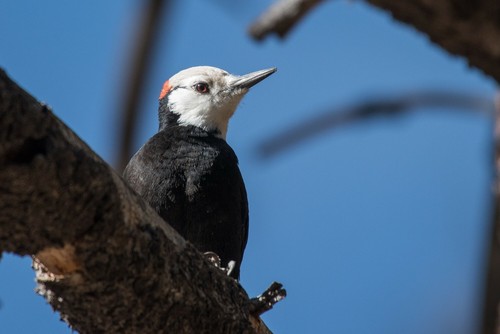
White-headed Woodpecker
20-23 cm (8-9 in) long, 38-41 cm wingspan
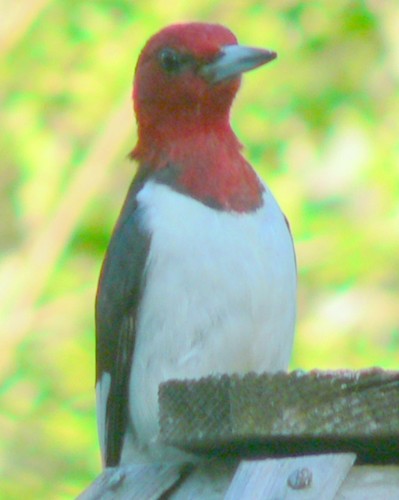
Red-headed Woodpecker
19-23 cm (7.5-9 in) long, 42-46 cm wingspan
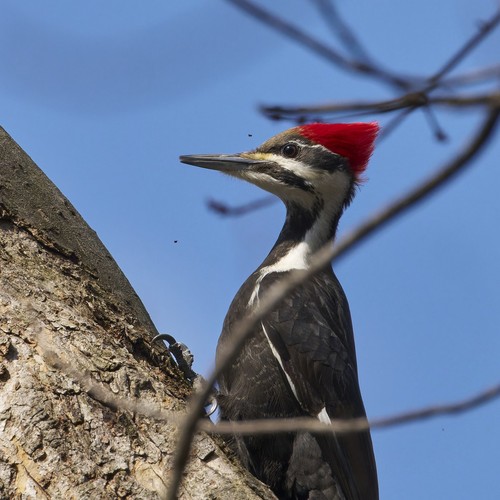
Pileated Woodpecker
40-49 cm (16-19 in) long, 66-75 cm wingspan
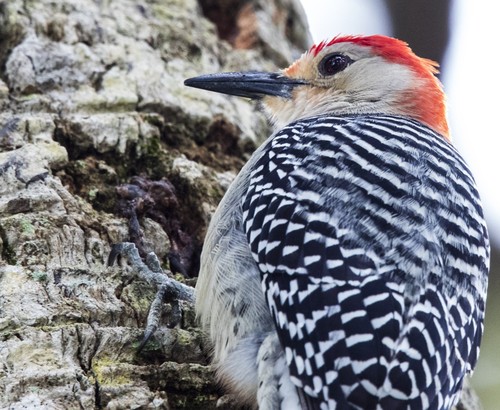
Red-bellied Woodpecker
22-27 cm (9-10.5 in) long, 38-46 cm wingspan
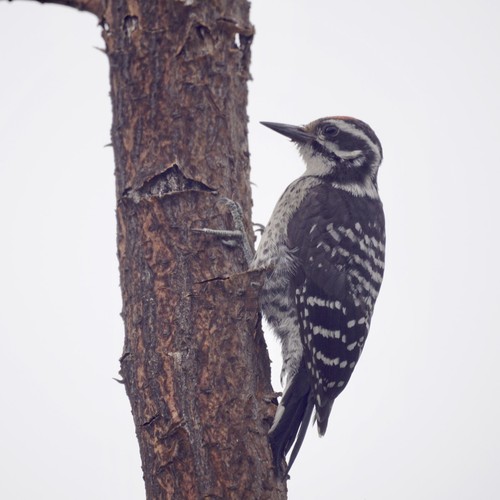
Nuttall's Woodpecker
18-20 cm (7-8 in) long, 34-38 cm wingspan
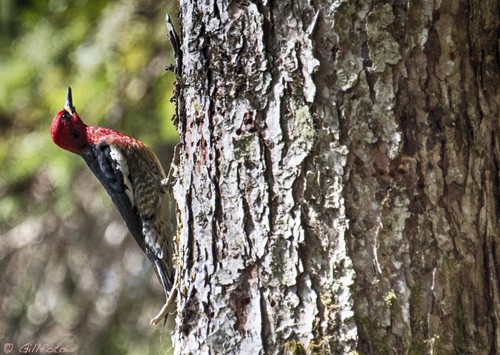
Red-breasted Sapsucker
20-23 cm (8-9 in) long, 34-40 cm wingspan
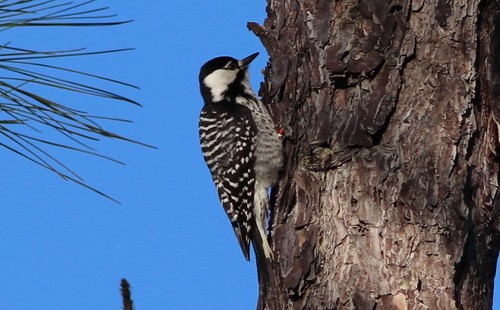
Red-cockaded Woodpecker
20-23 cm (8-9 in) long, 35-38 cm wingspan
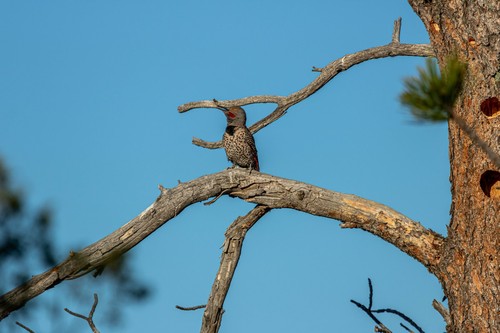
Northern Flicker
28-36 cm (11-14 in) long, 42-51 cm wingspan
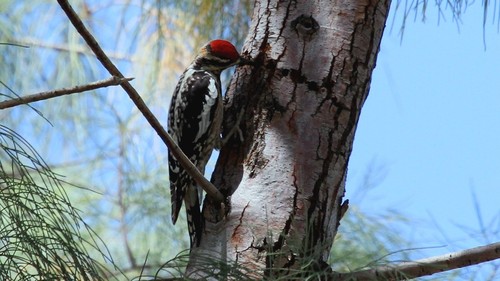
Red-naped Sapsucker
19-21 cm (7.5-8.3 in) long, 34-40 cm wingspan
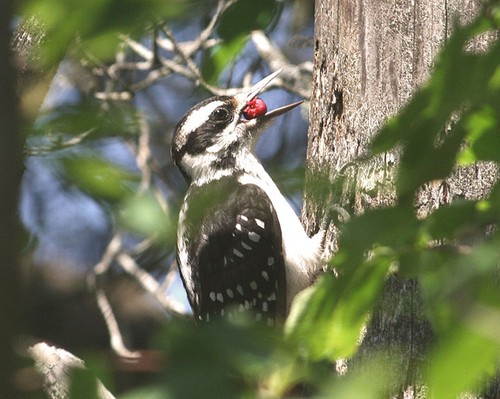
Hairy Woodpecker
23-26 cm (9-10 in) long, 33-41 cm wingspan
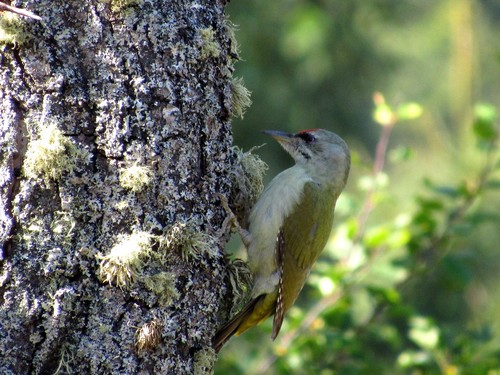
Grey-headed Woodpecker
25-33 cm (10-13 in) long, 38-40 cm wingspan