
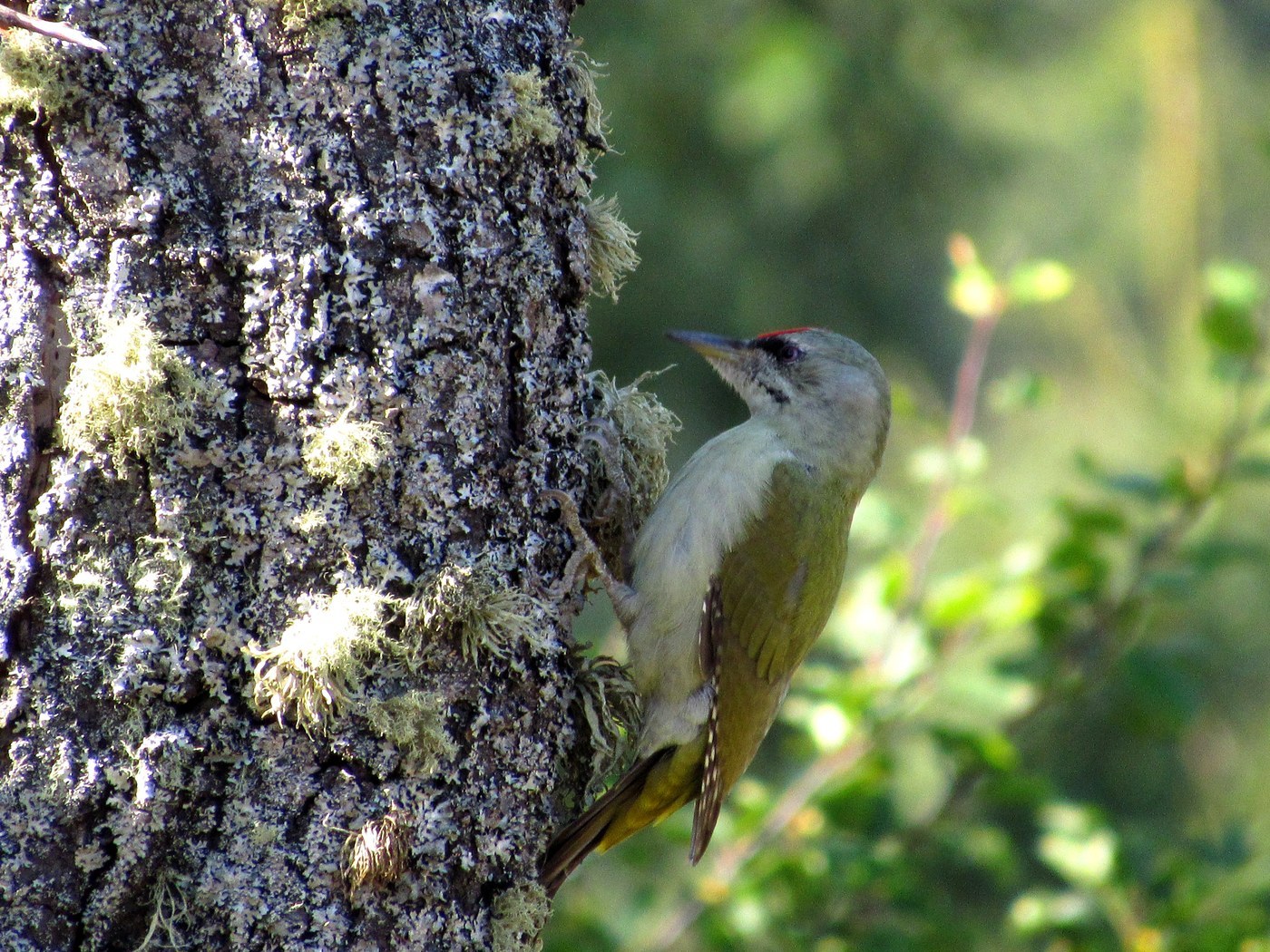
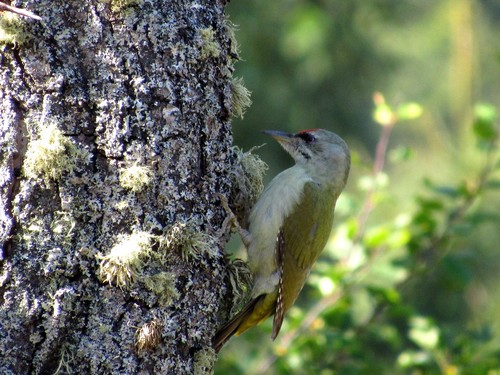
Grey-headed Woodpecker
Picus canus
A medium-sized green woodpecker with a plain grey head and, in males, a small red patch on the forecrown.
- Size
- 25-33 cm (10-13 in) long, 38-40 cm wingspan
- Habitat
- deciduous and mixed forests, riverside woodland, and open parkland
- Type
- woodpecker
Spotted a bird like this?
Identify any bird from a photo, free.
Overview
The Grey-headed Woodpecker is a medium-sized woodpecker with an olive-green back and wings, a pale grey head and underparts, and a stouter, shorter bill than its close relative the Eurasian Green Woodpecker. Males show a small red patch confined to the front of the crown, while females have an entirely grey head with no red at all, a useful distinction between the sexes.
It spends much of its time on the ground or on fallen logs, probing for ants, and like other green woodpeckers it is often heard before it is seen, giving a distinctive, slightly descending laughing call.
How to identify it
Key field marks
- Olive-green back and wings
- Plain grey head, nape, and underparts
- Small red patch restricted to the forecrown in males only; entirely absent in females
- Stouter, shorter bill than the similar Green Woodpecker
Similar species
- Eurasian Green Woodpecker has a black face mask and red extending further back on the crown, with a longer, more pointed bill, and its range overlaps in parts of Europe.
- Japanese Pygmy Woodpecker is much smaller with barred black-and-white plumage rather than plain green.
Habitat & range
Habitat
Inhabits mature deciduous and mixed forests, riverine woodland, orchards, and open parkland with old trees and some open ground for foraging.
Range
Widespread across a broad swath of Europe and temperate Asia, from parts of central Europe eastward through Russia, China, Korea, and Japan.
Migration
Generally resident year-round across its range.
Behavior & voice
Behavior
Often forages on the ground or on fallen wood, probing ant nests with its bill and long, sticky tongue; also excavates dead wood for insects and drums on resonant branches to advertise territory.
Voice
A loud, ringing, slightly descending laughing call, similar to but generally slower and less musical than that of the Green Woodpecker.
Feeding
Specializes heavily on ants and their larvae, also eating other insects and occasionally fruit or berries, especially outside the breeding season.
Nesting
Excavates a nest cavity in a dead or decaying tree trunk; lays 5-9 white eggs.
Frequently asked questions
How do you tell a male from a female Grey-headed Woodpecker?
Males have a small red patch restricted to the front of the crown, while females have an entirely plain grey head without any red.
How is the Grey-headed Woodpecker different from the Green Woodpecker?
The Grey-headed Woodpecker has a plain grey head without a black face mask and a shorter, stouter bill, while the Green Woodpecker shows a black mask and more extensive red on the crown.
What does a Grey-headed Woodpecker eat?
Mainly ants and their larvae, foraged largely on the ground, along with other insects and some fruit.
Where does the Grey-headed Woodpecker live?
Across mature forests and woodland from parts of Europe eastward through Russia, China, Korea, and Japan.
Grey-headed Woodpecker guides
In-depth guides for identifying, finding, and understanding Grey-headed Woodpecker.
Other birds you may enjoy
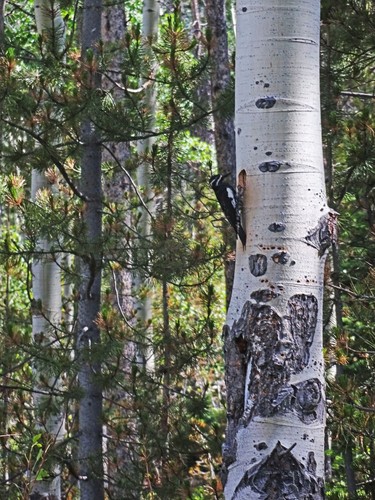
Williamson's Sapsucker
21-25 cm (8-10 in) long, 40-42 cm wingspan
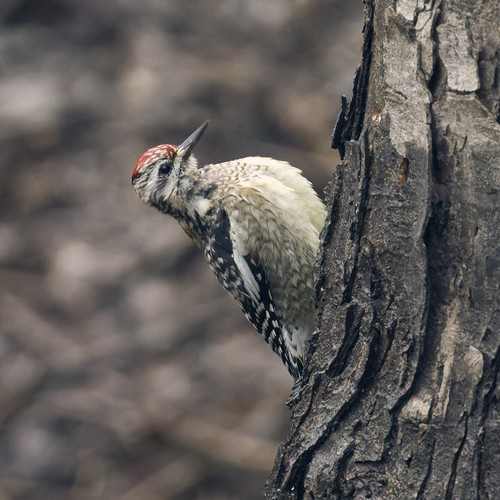
Yellow-bellied Sapsucker
18-21 cm (7-8.3 in) long, 34-40 cm wingspan
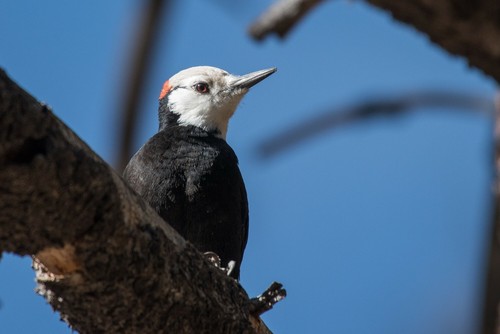
White-headed Woodpecker
20-23 cm (8-9 in) long, 38-41 cm wingspan
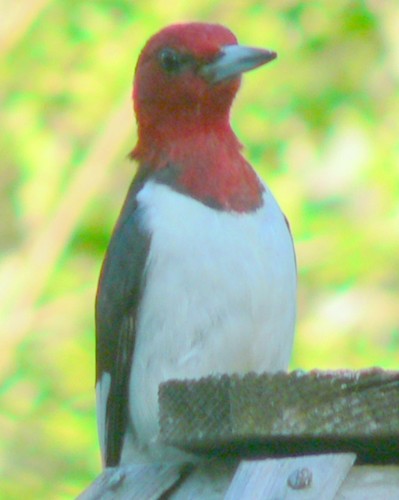
Red-headed Woodpecker
19-23 cm (7.5-9 in) long, 42-46 cm wingspan
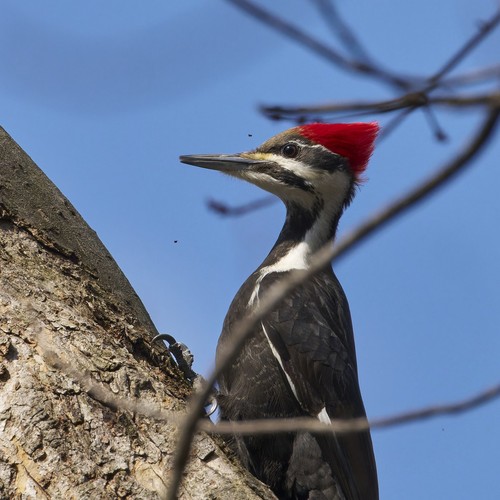
Pileated Woodpecker
40-49 cm (16-19 in) long, 66-75 cm wingspan
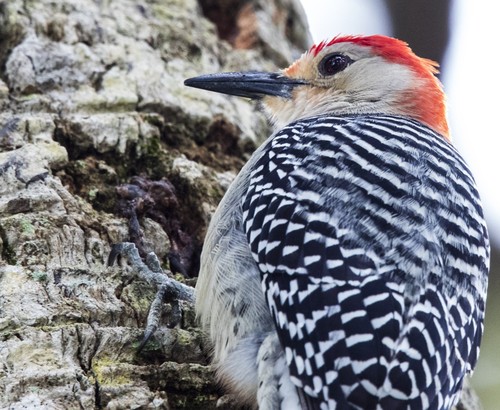
Red-bellied Woodpecker
22-27 cm (9-10.5 in) long, 38-46 cm wingspan
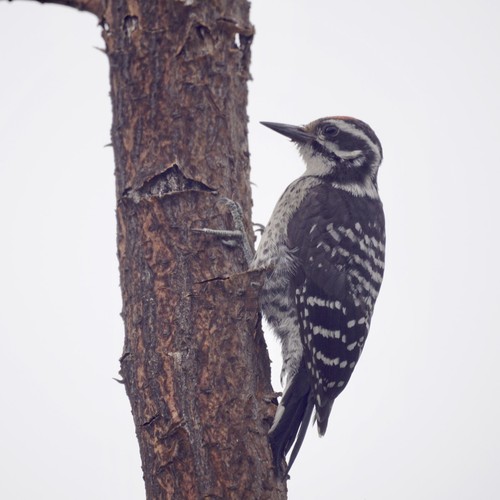
Nuttall's Woodpecker
18-20 cm (7-8 in) long, 34-38 cm wingspan
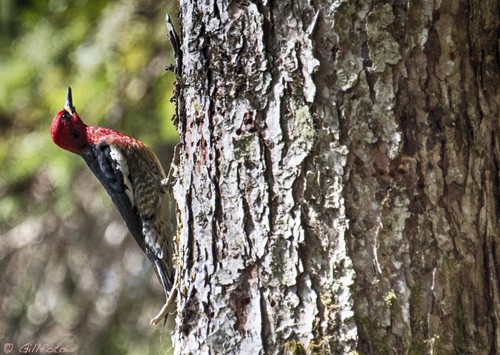
Red-breasted Sapsucker
20-23 cm (8-9 in) long, 34-40 cm wingspan
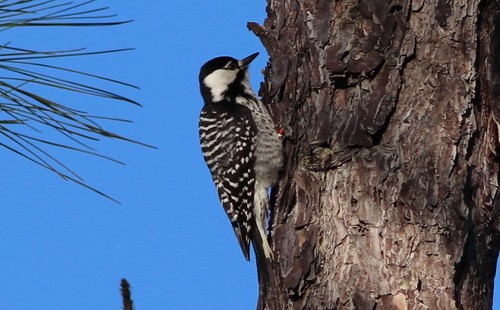
Red-cockaded Woodpecker
20-23 cm (8-9 in) long, 35-38 cm wingspan
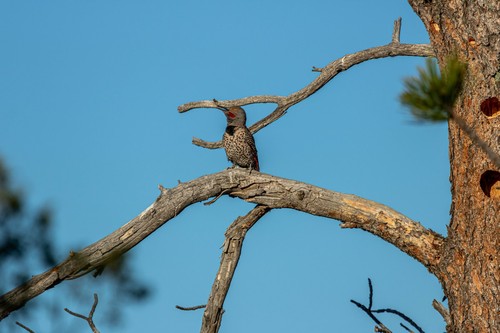
Northern Flicker
28-36 cm (11-14 in) long, 42-51 cm wingspan
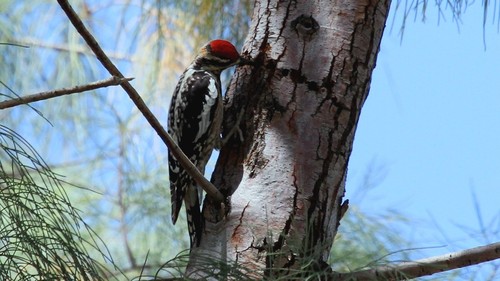
Red-naped Sapsucker
19-21 cm (7.5-8.3 in) long, 34-40 cm wingspan
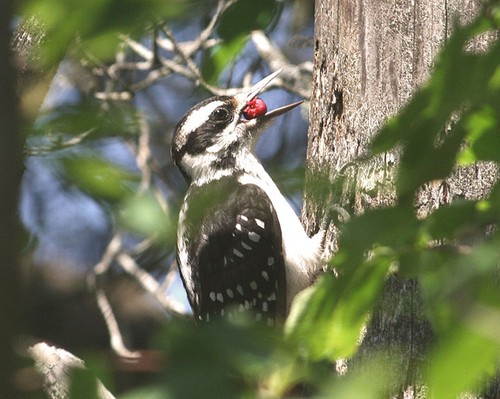
Hairy Woodpecker
23-26 cm (9-10 in) long, 33-41 cm wingspan