
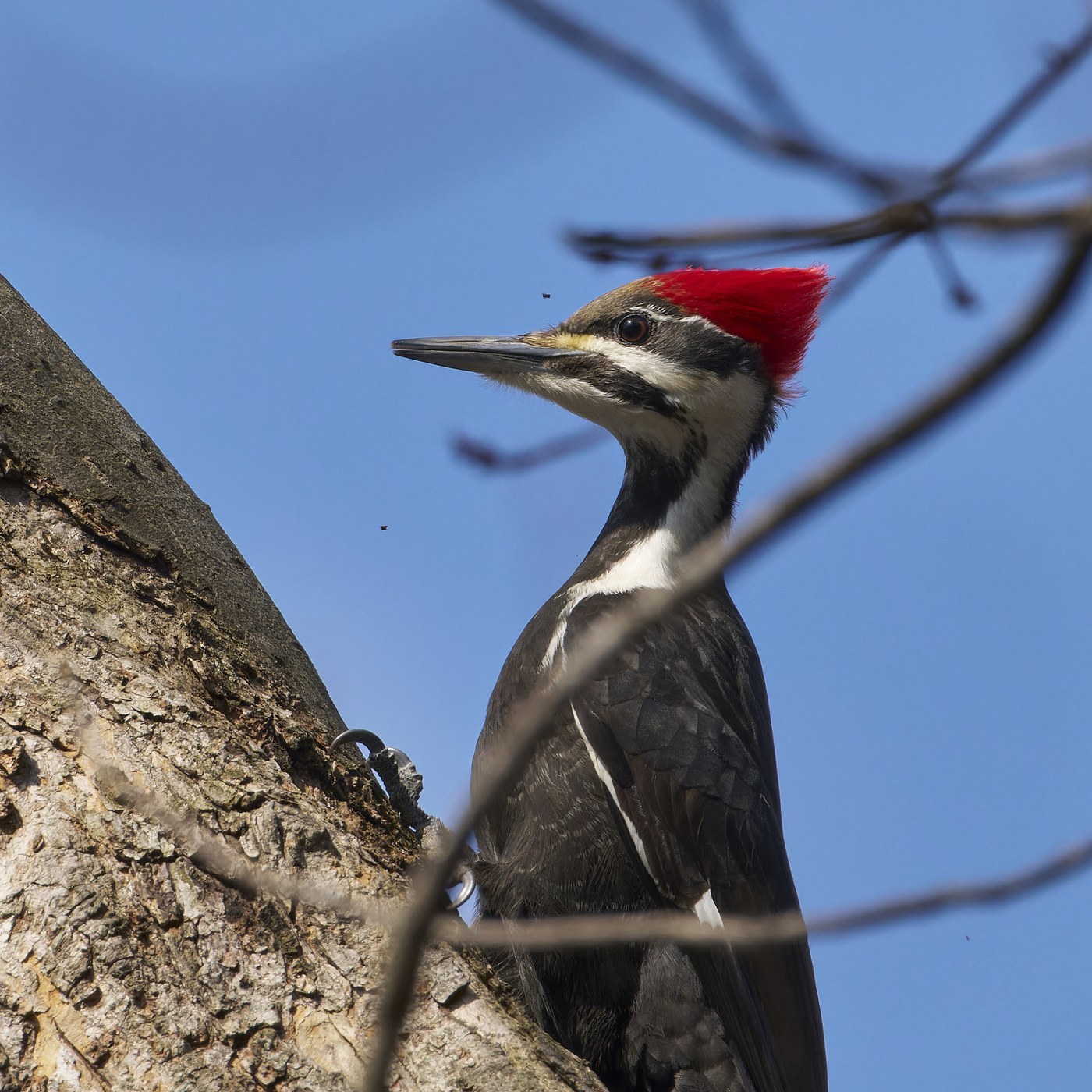
Pileated Woodpecker
Dryocopus pileatus
North America's largest common woodpecker, a crow-sized, mostly black bird with a flaming red crest, famous for excavating large rectangular holes in dead trees.
- Size
- 40-49 cm (16-19 in) long, 66-75 cm wingspan
- Habitat
- mature and old-growth deciduous and mixed forests with large dead trees
- Type
- woodpecker
Spotted a bird like this?
Identify any bird from a photo, free.
Overview
The Pileated Woodpecker is a spectacular, crow-sized woodpecker and the largest widely distributed woodpecker species in North America. It is mostly black with bold white stripes down the neck and a flashing white underwing visible in flight, topped by a tall, flaming red crest that gives the species its name.
Males show a red mustache stripe and a red forehead extending to the crest, while females have a black forehead and lack the red mustache, showing only the crest in red. The powerful, chisel-shaped bill is used to excavate large, deep, rectangular holes in dead and dying trees in pursuit of carpenter ants.
Once feared to be declining toward the fate of the extinct Ivory-billed Woodpecker, Pileated Woodpecker populations have rebounded strongly across much of eastern and parts of western North America as forests have matured, and their large rectangular excavations are a familiar and dramatic sign of their presence in mature woodland.
How to identify it
Key Field Marks
- Very large size, roughly crow-sized, the largest common North American woodpecker
- Mostly black body with white neck stripes and white underwing linings visible in flight
- Tall, pointed, flaming red crest
- Males have a red mustache stripe and red extends to the forehead; females have a black forehead and no red mustache
- Large, distinctive rectangular excavation holes in dead wood
Similar Species
- Northern Flicker is smaller and brown with black barring, lacking the Pileated's solid black body and prominent crest.
- The (functionally extinct) Ivory-billed Woodpecker is larger still with more extensive white on the wings and back and a different bill color, but essentially unrecordable in modern times; virtually all large crested black woodpeckers seen today are Pileated Woodpeckers.
Habitat & range
Pileated Woodpeckers inhabit mature deciduous, coniferous, and mixed forests across much of eastern North America, the Pacific Northwest, and parts of the boreal forest of Canada, favoring stands with large trees and abundant dead or dying wood for foraging and nesting. They have adapted well to wooded suburban and park settings with sufficiently large trees.
This species is non-migratory, maintaining large permanent territories year-round.
Behavior & voice
Behavior
Pileated Woodpeckers are powerful, often solitary or paired foragers, excavating large rectangular holes into dead wood in search of carpenter ants, sometimes producing piles of wood chips at the base of a tree. Their flight is strong and undulating, with slow, deep wingbeats.
Voice
The call is a loud, ringing series of ascending or wild-sounding "kuk-kuk-kuk-kuk" notes, often likened to the classic "jungle bird" sound used in film soundtracks. Both sexes also produce loud, resonant drumming.
Feeding
Carpenter ants are the primary prey, extracted from deep within dead and decaying wood using the powerful bill and long, barbed tongue; the diet also includes other wood-boring insects, wild fruit, and nuts.
Nesting & Breeding
Both parents excavate a large nest cavity in a dead tree, a process that can take several weeks, and lay 3-5 eggs. Abandoned Pileated Woodpecker cavities are ecologically important, later used by many other species including owls, ducks, and mammals. Pairs often mate for life and defend large territories.
Frequently asked questions
How big is a Pileated Woodpecker?
It is roughly crow-sized, about 40-49 cm (16-19 inches) long, making it the largest widespread woodpecker in North America.
Why do Pileated Woodpeckers make rectangular holes?
Their large, deep, rectangular excavations are made while digging out carpenter ant colonies deep within dead or decaying wood, a distinctive sign of their foraging activity.
How do you tell a male from a female Pileated Woodpecker?
Males have a red mustache stripe and red extending to the forehead, while females have a black forehead and lack the red mustache, showing red only on the crest.
Do other animals use old Pileated Woodpecker holes?
Yes, their large abandoned cavities are important nesting and roosting sites for many other species, including owls, wood ducks, and various mammals.
Pileated Woodpecker guides
In-depth guides for identifying, finding, and understanding Pileated Woodpecker.
Other birds you may enjoy
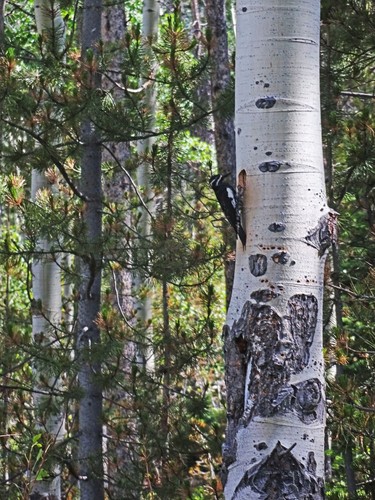
Williamson's Sapsucker
21-25 cm (8-10 in) long, 40-42 cm wingspan
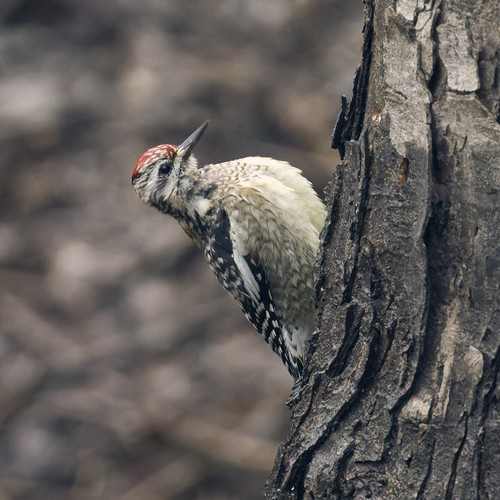
Yellow-bellied Sapsucker
18-21 cm (7-8.3 in) long, 34-40 cm wingspan
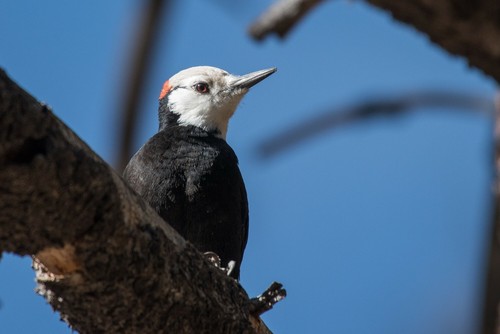
White-headed Woodpecker
20-23 cm (8-9 in) long, 38-41 cm wingspan
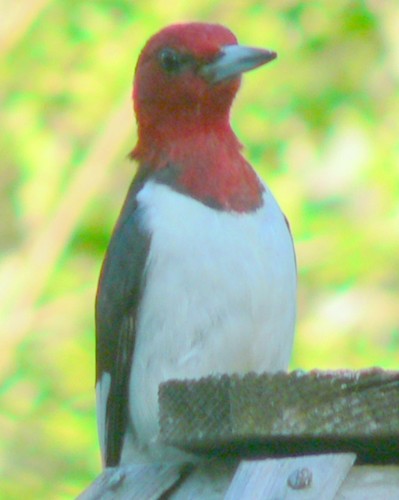
Red-headed Woodpecker
19-23 cm (7.5-9 in) long, 42-46 cm wingspan
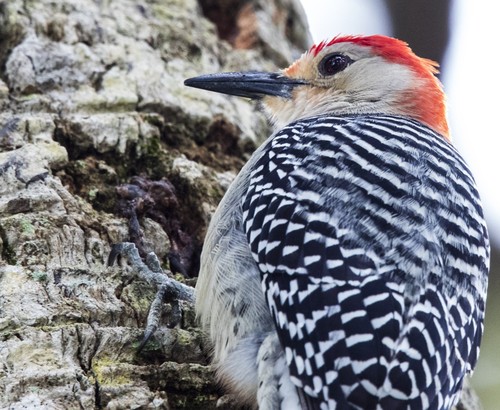
Red-bellied Woodpecker
22-27 cm (9-10.5 in) long, 38-46 cm wingspan
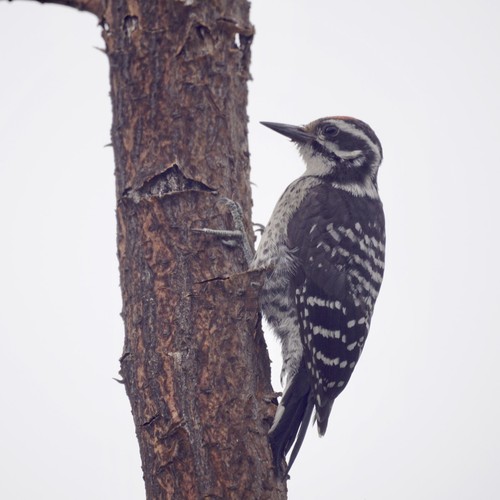
Nuttall's Woodpecker
18-20 cm (7-8 in) long, 34-38 cm wingspan
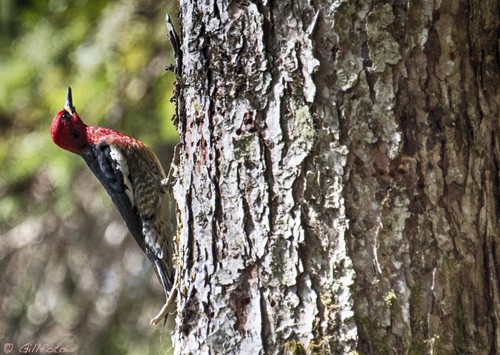
Red-breasted Sapsucker
20-23 cm (8-9 in) long, 34-40 cm wingspan
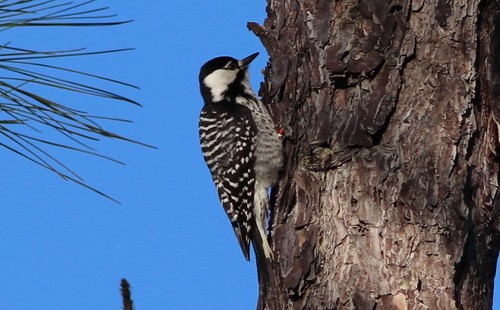
Red-cockaded Woodpecker
20-23 cm (8-9 in) long, 35-38 cm wingspan
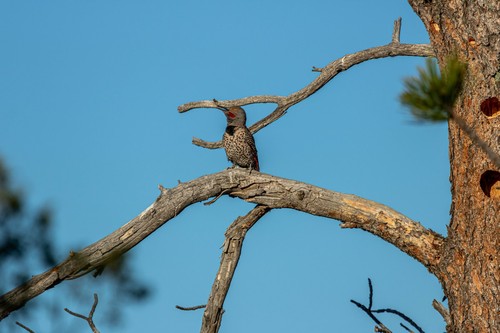
Northern Flicker
28-36 cm (11-14 in) long, 42-51 cm wingspan
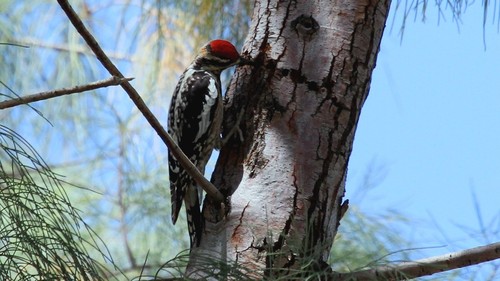
Red-naped Sapsucker
19-21 cm (7.5-8.3 in) long, 34-40 cm wingspan
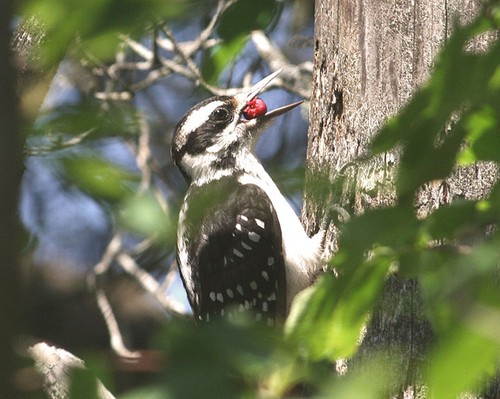
Hairy Woodpecker
23-26 cm (9-10 in) long, 33-41 cm wingspan
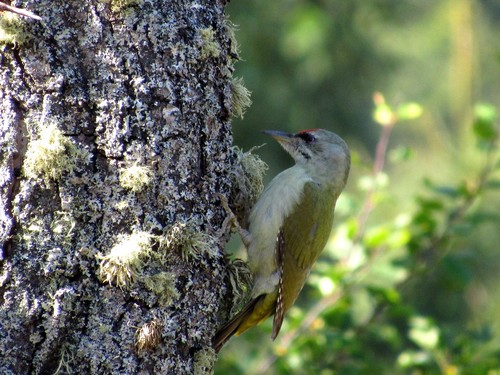
Grey-headed Woodpecker
25-33 cm (10-13 in) long, 38-40 cm wingspan