
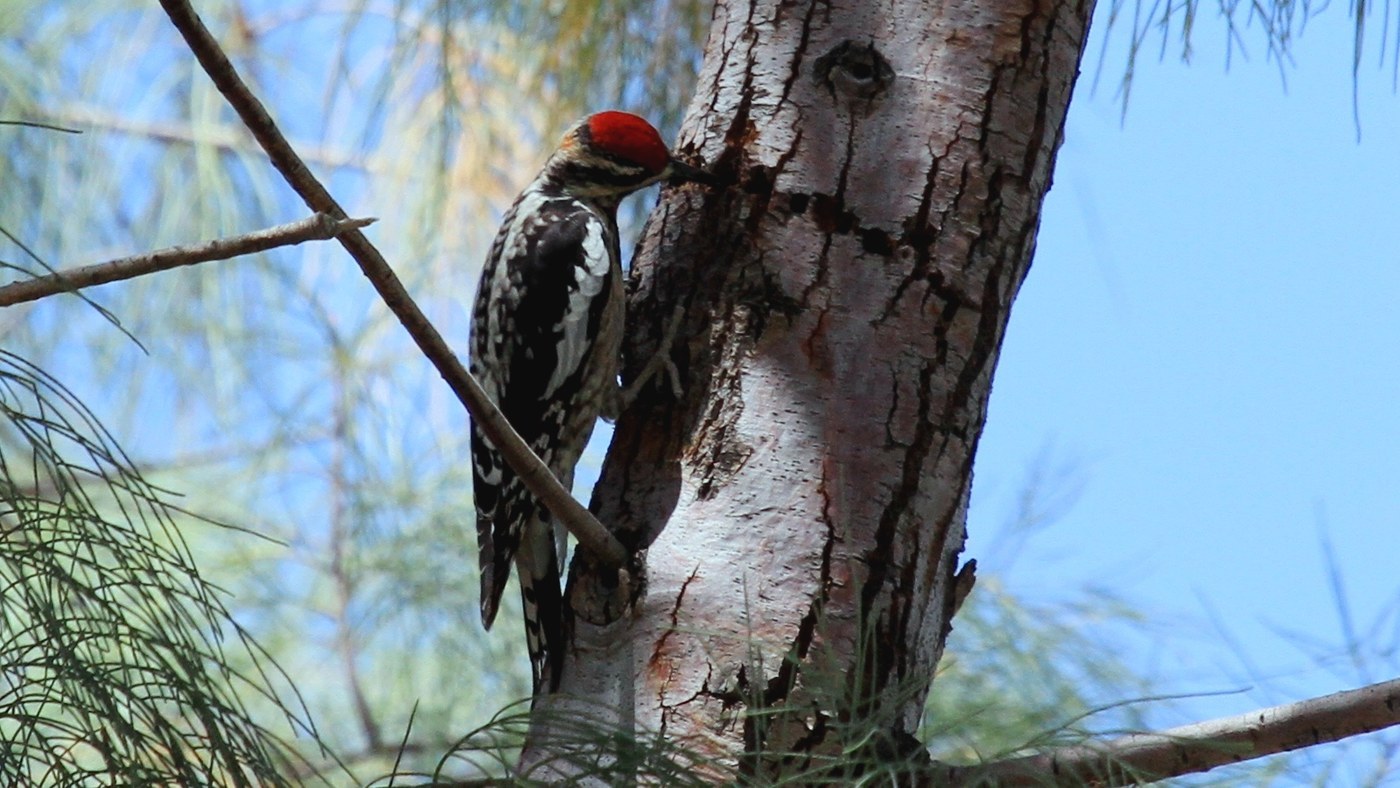
Red-naped Sapsucker
Sphyrapicus nuchalis
A western sapsucker closely resembling the Yellow-bellied Sapsucker, distinguished by a red patch extending onto the nape, and closely tied to mountain aspen groves.
- Size
- 19-21 cm (7.5-8.3 in) long, 34-40 cm wingspan
- Habitat
- montane aspen groves and mixed coniferous forests of the interior western US and Canada
- Type
- woodpecker
Spotted a bird like this?
Identify any bird from a photo, free.
Overview
The Red-naped Sapsucker is a medium-sized woodpecker of interior western mountains, essentially a western counterpart to the more easterly Yellow-bellied Sapsucker, which it closely resembles and with which it was formerly considered a single species. It shares the black-and-white striped face, black bib, and barred wings typical of sapsuckers, along with a faint yellowish wash on the belly.
The key distinguishing feature is a red patch on the nape connecting to the red crown patch, a feature usually absent or much reduced in the Yellow-bellied Sapsucker. Males show a red throat, while females typically show a white throat with some red at the chin.
Like other sapsuckers, this species is best known for excavating neat rows of shallow sap wells in aspen and conifer bark, a resource exploited by many other species including hummingbirds.
How to identify it
Key Field Marks
- Black-and-white striped face with a red crown patch extending down to a red nape patch
- Black bib; pale yellowish-washed underparts
- Long white wing stripe visible at rest
- Rows of small, evenly spaced sap wells in aspen or conifer bark are a telltale sign
Similar Species
- Yellow-bellied Sapsucker (mostly separate range to the east, narrow hybrid zone in the Rockies) usually lacks the red nape patch or shows only a trace of it, and has a more solid black border around the red throat.
- Red-breasted Sapsucker (Pacific coast) has the head and breast almost entirely red rather than showing the black-and-white striped face pattern.
Habitat & range
Red-naped Sapsuckers breed in montane forests of the interior western United States and southwestern Canada, particularly in aspen groves and mixed aspen-conifer stands at mid to high elevations in the Rocky Mountains and Great Basin ranges. They narrowly overlap and occasionally hybridize with Yellow-bellied Sapsuckers where ranges meet.
This species is migratory, wintering in the southwestern United States and Mexico, and returns to breed in mountain aspen stands each spring.
Behavior & voice
Behavior
Like other sapsuckers, this species establishes and maintains systems of sap wells on preferred aspen or conifer trees, returning repeatedly through the day and defending the wells from other species that come to feed.
Voice
The call is a nasal, mewing note similar to other sapsuckers, and the drum pattern is an irregular, stuttering series distinct from the steady drumming of most other woodpeckers.
Feeding
Sap forms a major part of the diet, especially from aspen, supplemented by insects attracted to the sap wells, as well as fruit and berries; many other species, including hummingbirds and warblers, rely on Red-naped Sapsucker wells as a food source in mountain habitats.
Nesting & Breeding
Both parents excavate a nest cavity, most often in a live aspen weakened by heart-rot fungus, laying 3-7 eggs, with both sexes sharing incubation and feeding duties through the nesting period.
Frequently asked questions
How do you tell a Red-naped Sapsucker from a Yellow-bellied Sapsucker?
The Red-naped Sapsucker shows a red patch on the nape connecting to the red crown, a feature usually absent or greatly reduced in the Yellow-bellied Sapsucker; the two species have mostly separate ranges with a narrow hybrid zone in the Rocky Mountains.
Where does the Red-naped Sapsucker breed?
It breeds in montane aspen groves and mixed aspen-conifer forests of the interior western United States and southwestern Canada, especially in the Rocky Mountains and Great Basin.
Why does the Red-naped Sapsucker drill holes in aspen trees?
It excavates neat rows of shallow sap wells to feed on the flowing sap and the insects it attracts, a food source also used by many other species such as hummingbirds.
Does the Red-naped Sapsucker migrate?
Yes, it is migratory, wintering in the southwestern United States and Mexico and returning to breed in mountain aspen habitat each spring.
Red-naped Sapsucker guides
In-depth guides for identifying, finding, and understanding Red-naped Sapsucker.
Other birds you may enjoy
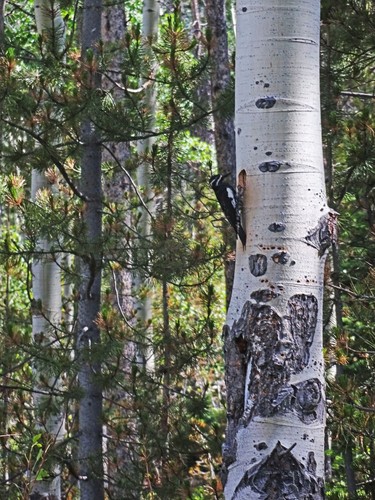
Williamson's Sapsucker
21-25 cm (8-10 in) long, 40-42 cm wingspan
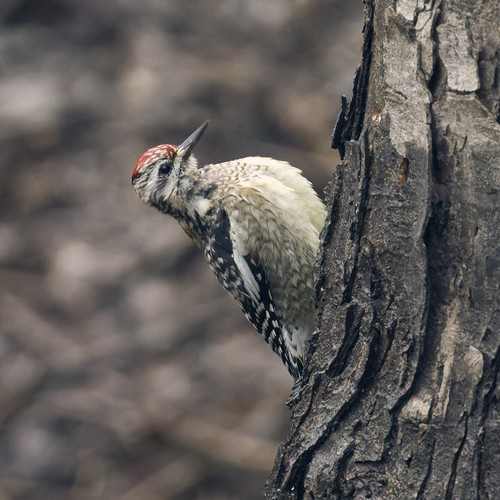
Yellow-bellied Sapsucker
18-21 cm (7-8.3 in) long, 34-40 cm wingspan
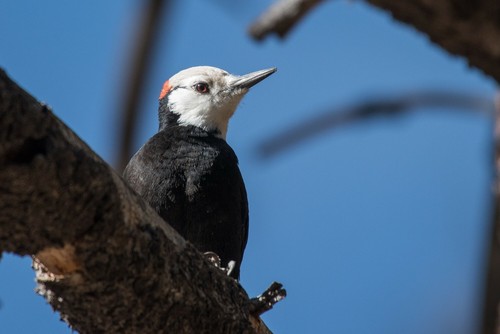
White-headed Woodpecker
20-23 cm (8-9 in) long, 38-41 cm wingspan
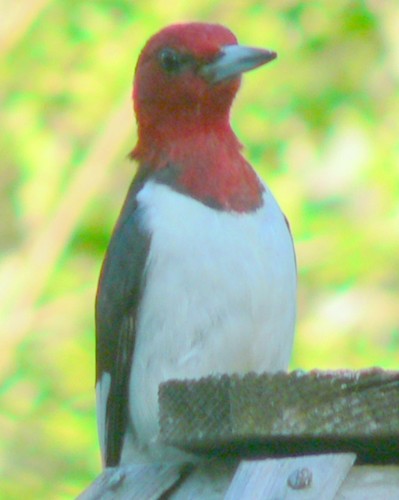
Red-headed Woodpecker
19-23 cm (7.5-9 in) long, 42-46 cm wingspan
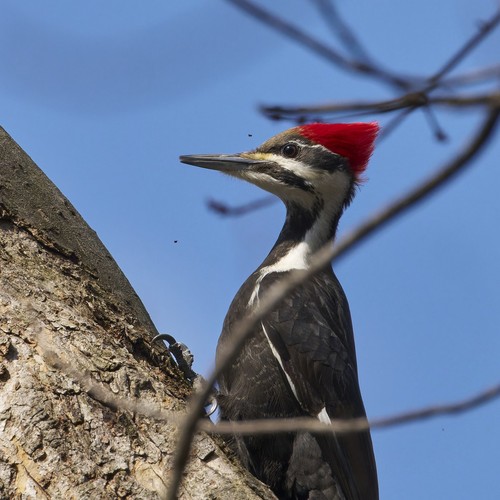
Pileated Woodpecker
40-49 cm (16-19 in) long, 66-75 cm wingspan
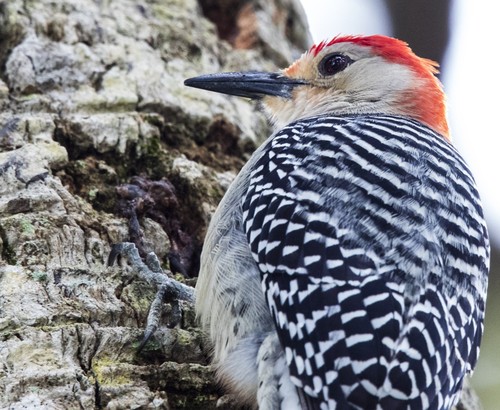
Red-bellied Woodpecker
22-27 cm (9-10.5 in) long, 38-46 cm wingspan
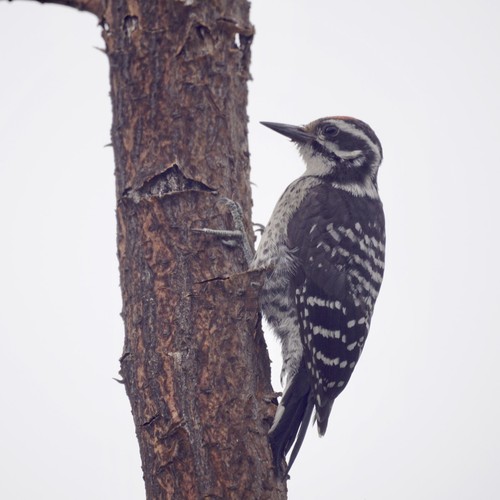
Nuttall's Woodpecker
18-20 cm (7-8 in) long, 34-38 cm wingspan
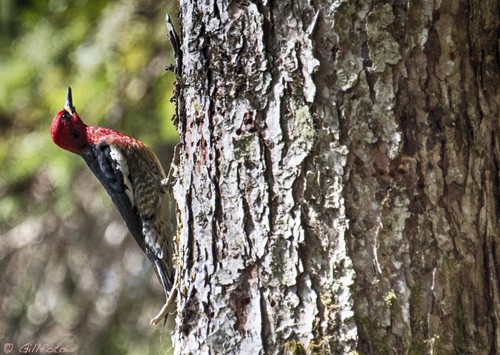
Red-breasted Sapsucker
20-23 cm (8-9 in) long, 34-40 cm wingspan
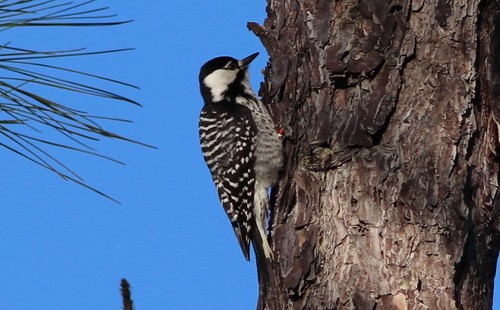
Red-cockaded Woodpecker
20-23 cm (8-9 in) long, 35-38 cm wingspan
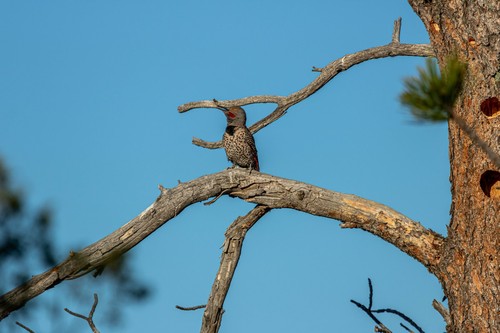
Northern Flicker
28-36 cm (11-14 in) long, 42-51 cm wingspan
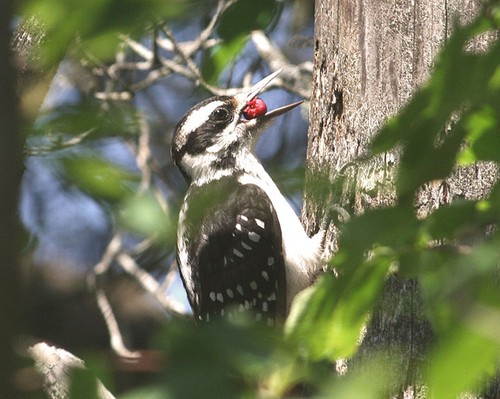
Hairy Woodpecker
23-26 cm (9-10 in) long, 33-41 cm wingspan
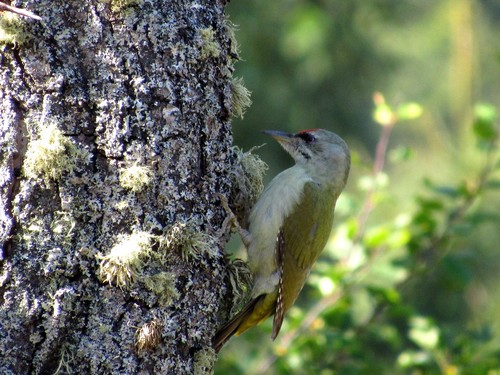
Grey-headed Woodpecker
25-33 cm (10-13 in) long, 38-40 cm wingspan