
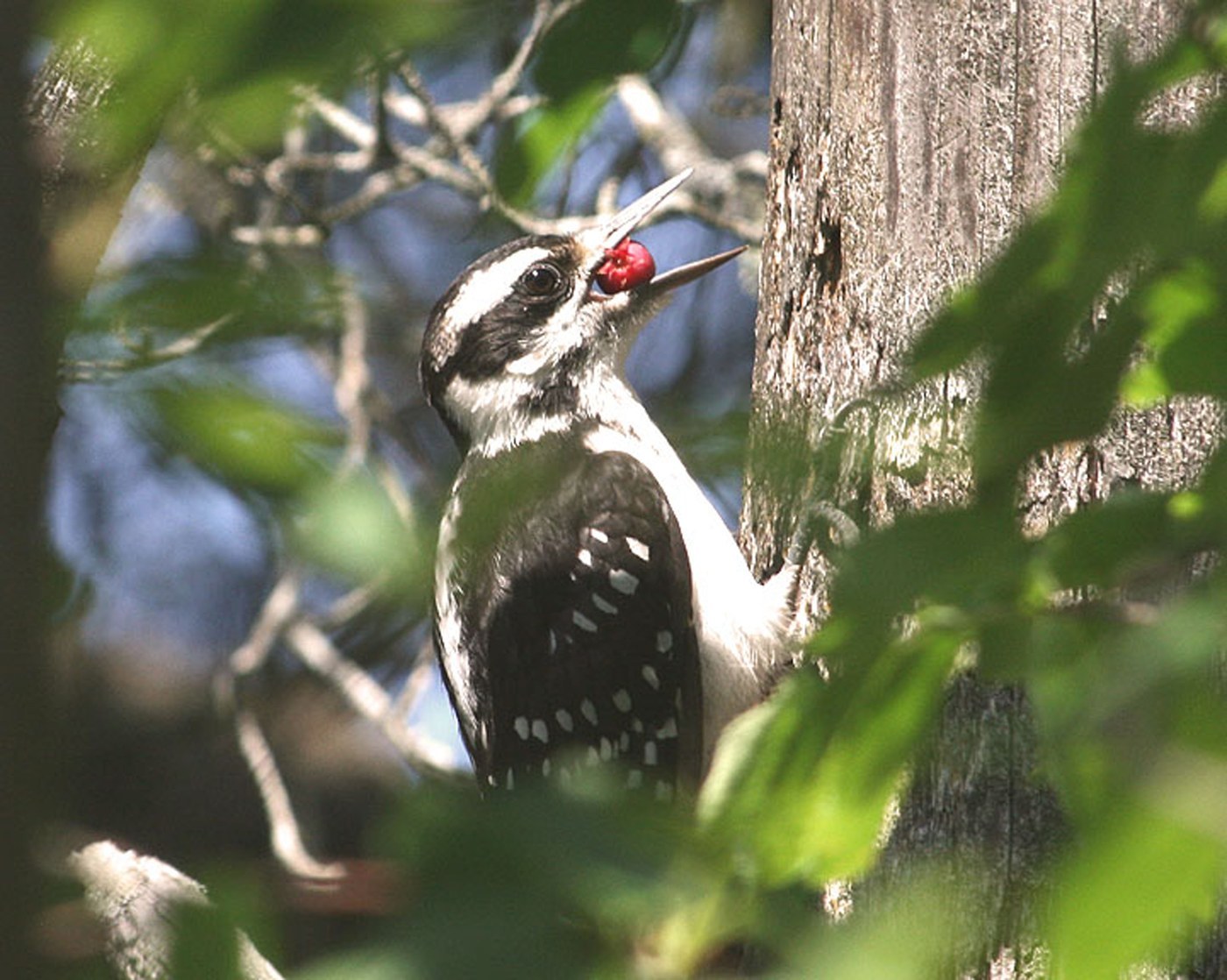
Hairy Woodpecker
Dryobates villosus
A medium-sized black-and-white woodpecker closely resembling the smaller Downy Woodpecker but with a proportionally much longer, chisel-like bill.
- Size
- 23-26 cm (9-10 in) long, 33-41 cm wingspan
- Habitat
- mature deciduous and coniferous forests, woodlots, and parks
- Type
- woodpecker
Spotted a bird like this?
Identify any bird from a photo, free.
Overview
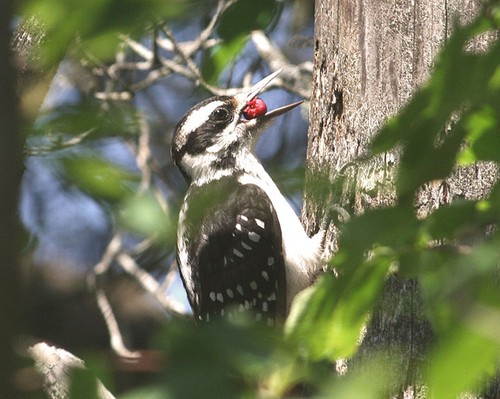
The Hairy Woodpecker is a medium-sized black-and-white woodpecker widespread across North American forests, closely resembling the smaller Downy Woodpecker in overall pattern but larger and more powerfully built. It has a black-and-white checkered back, spotted wings, clean white underparts, and a long, straight, chisel-like bill nearly as long as the head - a key distinguishing feature from its smaller relative.
Males show a small red patch on the back of the head, absent in females. The outer tail feathers are typically plain white, unlike the small black spotting often seen on Downy Woodpeckers.
A powerful excavator capable of penetrating solid wood in search of deeply buried insect larvae, the Hairy Woodpecker plays an important ecological role in forest insect control and cavity creation for other wildlife.
How to identify it
Key Field Marks
- Medium size, noticeably larger and more robust than a Downy Woodpecker
- Long, straight bill roughly equal in length to the depth of the head
- Black-and-white checkered back and spotted wings, clean white underparts
- Outer tail feathers typically unspotted white; males show a red nape patch
Similar Species
- Downy Woodpecker is smaller overall with a short, stubby bill much shorter than the head, and often shows small black spots on the white outer tail feathers.
- Voice also differs: the Hairy's whinny call stays level in pitch, while the Downy's descends toward the end.
Habitat & range
Hairy Woodpeckers range across nearly all of North America, from Alaska and Canada south through the United States into parts of Mexico and Central America, inhabiting mature deciduous, coniferous, and mixed forests, as well as wooded parks, woodlots, and occasionally suburban areas with large trees.
This species is largely non-migratory, maintaining year-round territories, though northern and montane birds may make short-distance movements to lower elevations in severe winters.
Behavior & voice
Behavior
Hairy Woodpeckers forage methodically on trunks and large branches, often working higher and on larger-diameter wood than the smaller Downy Woodpecker, and can be aggressive in defending territory and food resources.
Voice
The call is a sharp, loud "peek," louder and more emphatic than the Downy's; the whinny call is an even, level-pitched rattle, distinguishing it from the Downy's descending whinny. Both sexes drum in loud, evenly spaced bursts.
Feeding
They excavate deeply into dead and dying wood to extract wood-boring beetle larvae and other insects, and also eat some seeds, berries, and sap, occasionally visiting suet feeders.
Nesting & Breeding
Both parents excavate a nest cavity, typically in a dead tree or dead section of a live tree, and lay 3-6 eggs. Both sexes share incubation and feeding, and pairs may remain together on the same territory across multiple breeding seasons.
Frequently asked questions
How can you tell a Hairy Woodpecker from a Downy Woodpecker?
The Hairy Woodpecker is noticeably larger with a long bill about as long as its head, while the Downy is smaller with a short, stubby bill; the Hairy's call and whinny are also louder and more even in pitch.
What does a Hairy Woodpecker eat?
Primarily wood-boring beetle larvae and other insects excavated from dead or dying wood, supplemented by seeds, berries, and occasionally sap.
Where do Hairy Woodpeckers nest?
Both parents excavate a cavity, usually in a dead tree or dead limb, where they raise a brood of 3-6 young together.
Are Hairy Woodpeckers found across all of North America?
Yes, they are one of the most widespread woodpeckers on the continent, found in forests from Alaska and Canada south through the United States and into parts of Mexico.
Hairy Woodpecker guides
In-depth guides for identifying, finding, and understanding Hairy Woodpecker.
Other birds you may enjoy
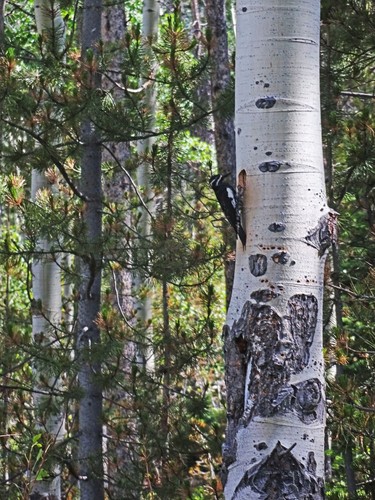
Williamson's Sapsucker
21-25 cm (8-10 in) long, 40-42 cm wingspan
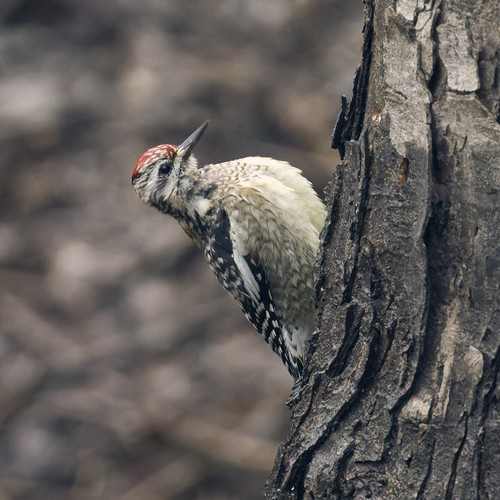
Yellow-bellied Sapsucker
18-21 cm (7-8.3 in) long, 34-40 cm wingspan
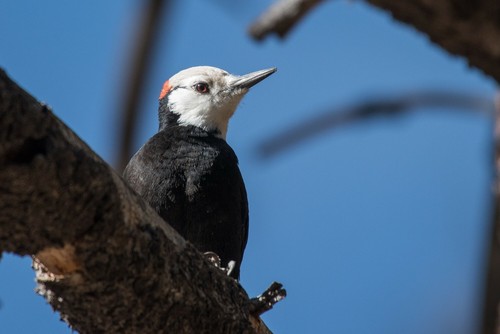
White-headed Woodpecker
20-23 cm (8-9 in) long, 38-41 cm wingspan
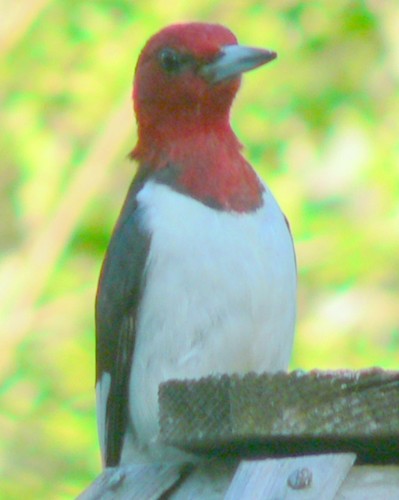
Red-headed Woodpecker
19-23 cm (7.5-9 in) long, 42-46 cm wingspan
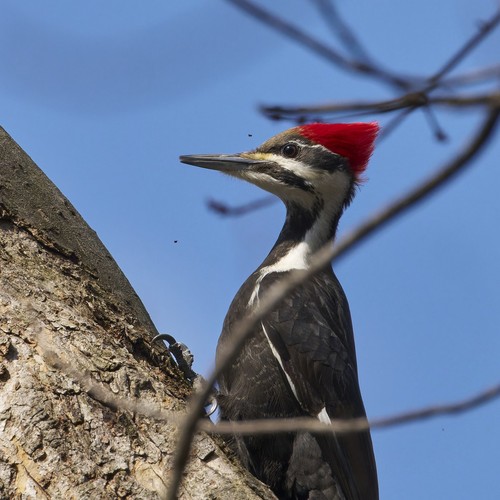
Pileated Woodpecker
40-49 cm (16-19 in) long, 66-75 cm wingspan
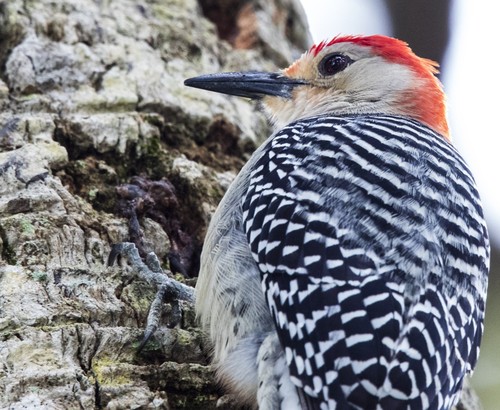
Red-bellied Woodpecker
22-27 cm (9-10.5 in) long, 38-46 cm wingspan
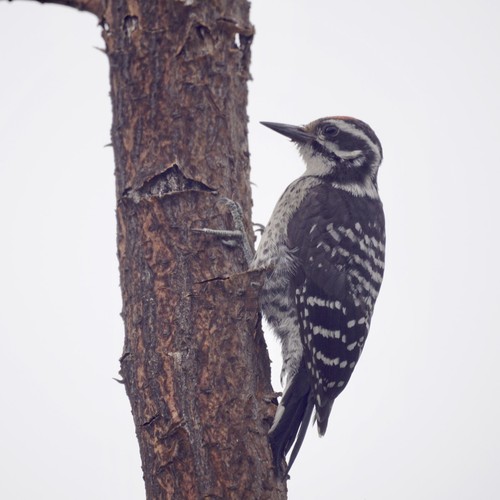
Nuttall's Woodpecker
18-20 cm (7-8 in) long, 34-38 cm wingspan
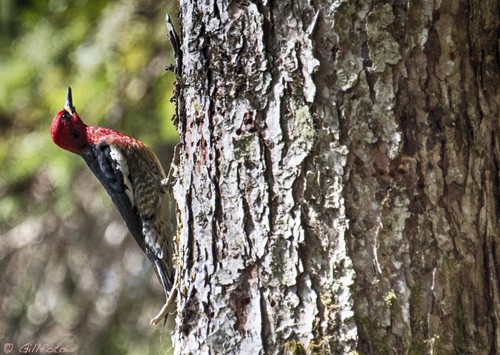
Red-breasted Sapsucker
20-23 cm (8-9 in) long, 34-40 cm wingspan
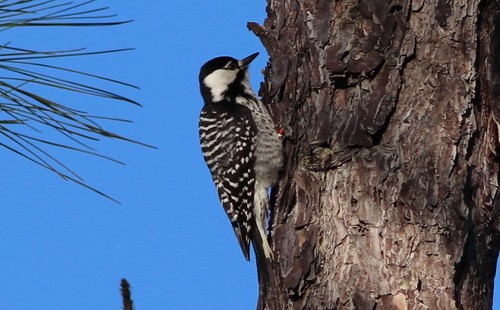
Red-cockaded Woodpecker
20-23 cm (8-9 in) long, 35-38 cm wingspan
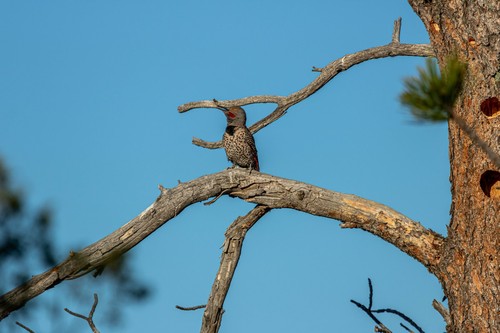
Northern Flicker
28-36 cm (11-14 in) long, 42-51 cm wingspan
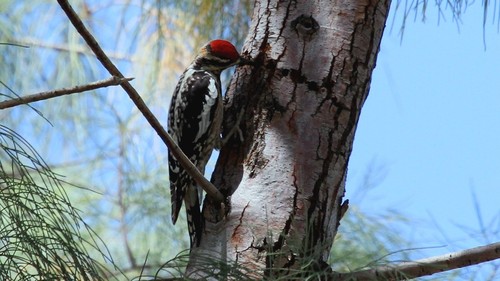
Red-naped Sapsucker
19-21 cm (7.5-8.3 in) long, 34-40 cm wingspan
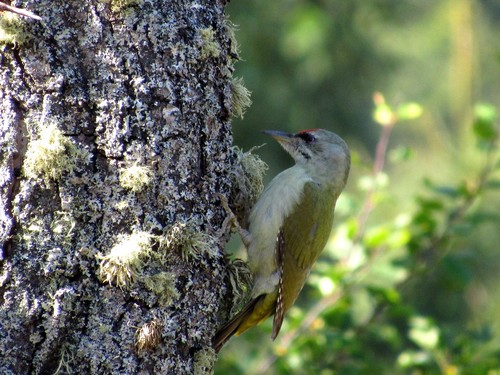
Grey-headed Woodpecker
25-33 cm (10-13 in) long, 38-40 cm wingspan