
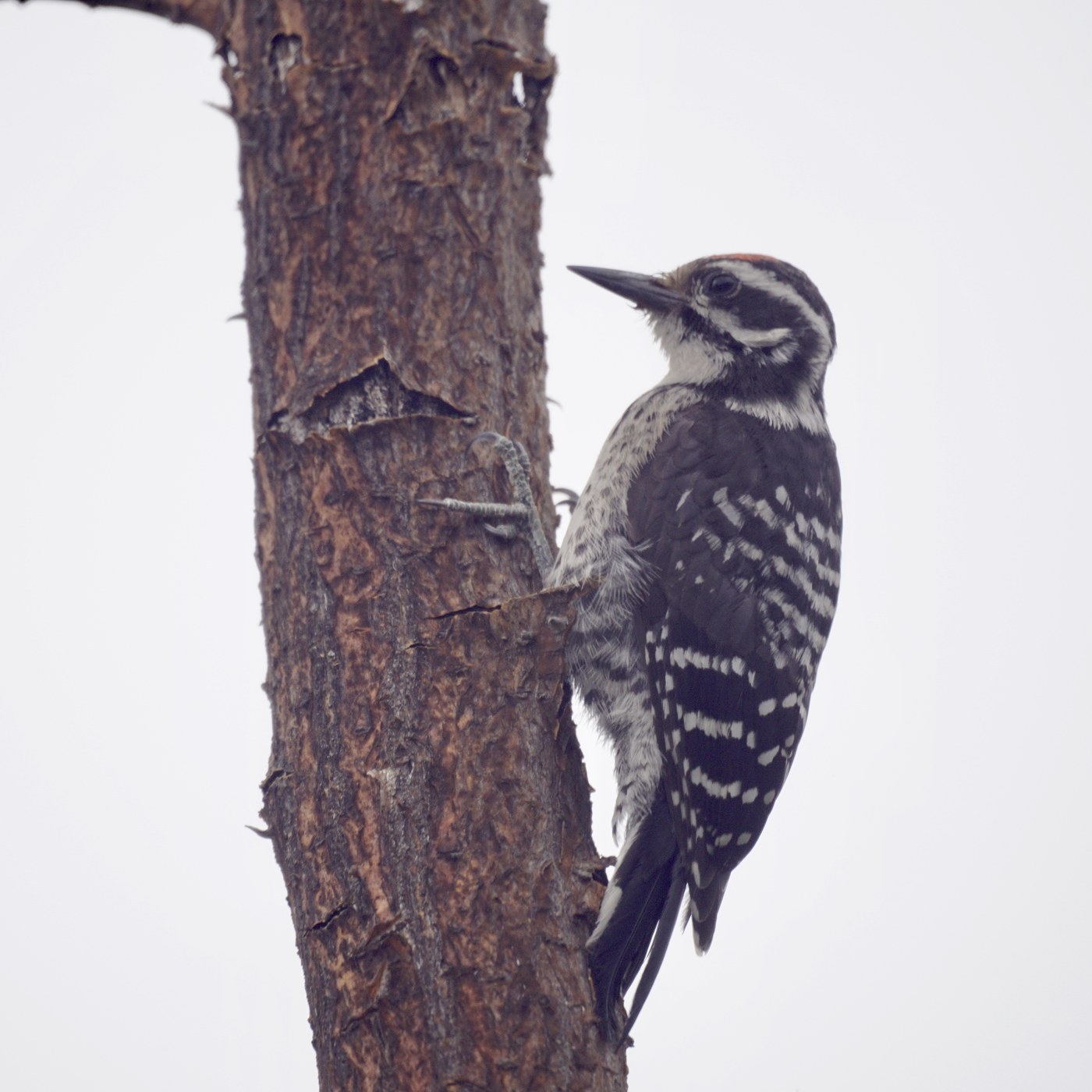
Nuttall's Woodpecker
Dryobates nuttallii
A small black-and-white woodpecker nearly endemic to California, closely tied to oak woodland and streamside groves.
- Size
- 18-20 cm (7-8 in) long, 34-38 cm wingspan
- Habitat
- oak woodlands and riparian groves of California and northern Baja California
- Type
- woodpecker
Spotted a bird like this?
Identify any bird from a photo, free.
Overview
Nuttall's Woodpecker is a small, boldly patterned woodpecker found almost entirely within California, making it one of the most range-restricted woodpeckers in North America. It has a black back with narrow white barring concentrated mainly toward the lower back and wings, a black-and-white streaked face, and spotted white underparts.
Males show a red patch on the back of the crown, while females have an all-black crown without red. Overall, the species appears darker and more solidly black-backed than the similar Ladder-backed Woodpecker found in drier habitats farther east and south.
Closely associated with California's oak woodlands and riparian corridors, Nuttall's Woodpecker is a characteristic species of the state's foothill and valley habitats.
How to identify it
Key Field Marks
- Mostly black back with narrower white barring than the Ladder-backed Woodpecker, appearing darker overall
- Clean black-and-white streaked face
- Spotted white underparts
- Males have a red patch restricted to the rear crown/nape; females all-black crown
Similar Species
- Ladder-backed Woodpecker has more extensive, evenly spaced white barring across the entire back and a slightly browner-toned face; the two species overlap and occasionally hybridize in a narrow contact zone in California, with Nuttall's favoring oak woodland and Ladder-backed favoring drier desert scrub.
- Downy Woodpecker has a solid white back stripe rather than barring and a shorter bill.
Habitat & range
Nuttall's Woodpecker is largely restricted to California, occurring west of the Sierra Nevada and Cascades from the northern part of the state south into northern Baja California, Mexico, with a small range extension into western Nevada. It favors oak woodland, oak-riparian groves, and adjacent chaparral and streamside habitats.
This species is non-migratory and resident year-round within its limited range.
Behavior & voice
Behavior
Nuttall's Woodpeckers forage actively on oak trunks and branches, often in pairs, and can be found in mixed foraging flocks with other woodland birds outside the breeding season.
Voice
The call is a sharp "pitik" or similar note, along with a rattling whinny call typical of small Dryobates woodpeckers, used in territorial and pair interactions.
Feeding
Insects, especially wood-boring beetle larvae found in oak bark and dead wood, form the bulk of the diet, supplemented by acorns and berries, particularly outside the breeding season.
Nesting & Breeding
Both parents excavate a nest cavity, typically in a dead oak limb or riparian tree, laying 3-6 eggs, with both sexes sharing incubation and feeding duties through the nesting period.
Frequently asked questions
Where is Nuttall's Woodpecker found?
It is nearly endemic to California, occurring west of the Sierra Nevada from northern California south into northern Baja California, closely associated with oak woodlands.
How do you tell Nuttall's Woodpecker from a Ladder-backed Woodpecker?
Nuttall's Woodpecker has a darker, more solidly black back with narrower white barring, while the Ladder-backed Woodpecker shows more extensive, even white barring across the entire back; the two overlap only in a narrow contact zone in California.
What habitat does Nuttall's Woodpecker prefer?
It is closely tied to California oak woodlands and riparian groves, rarely straying far from areas with oaks.
What does Nuttall's Woodpecker eat?
Mostly insects, especially beetle larvae extracted from oak bark and dead wood, along with some acorns and berries.
Nuttall's Woodpecker guides
In-depth guides for identifying, finding, and understanding Nuttall's Woodpecker.
Other birds you may enjoy
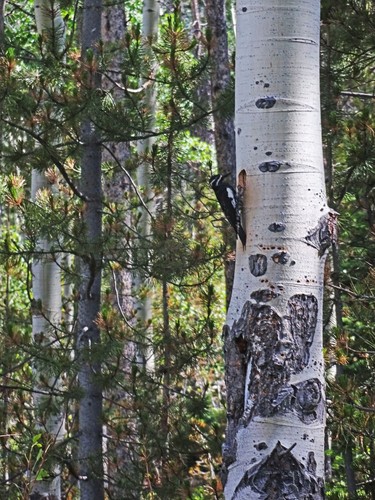
Williamson's Sapsucker
21-25 cm (8-10 in) long, 40-42 cm wingspan
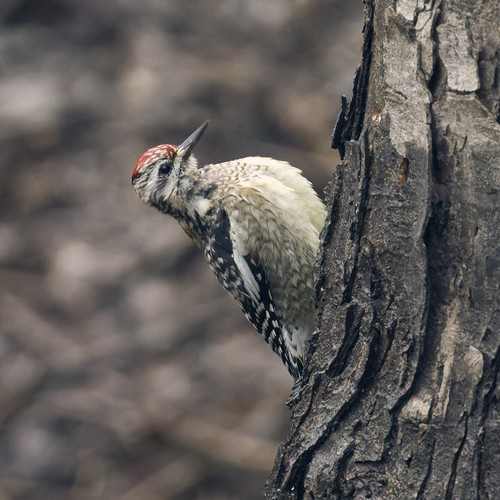
Yellow-bellied Sapsucker
18-21 cm (7-8.3 in) long, 34-40 cm wingspan
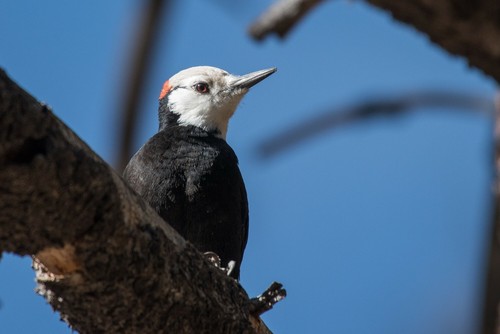
White-headed Woodpecker
20-23 cm (8-9 in) long, 38-41 cm wingspan
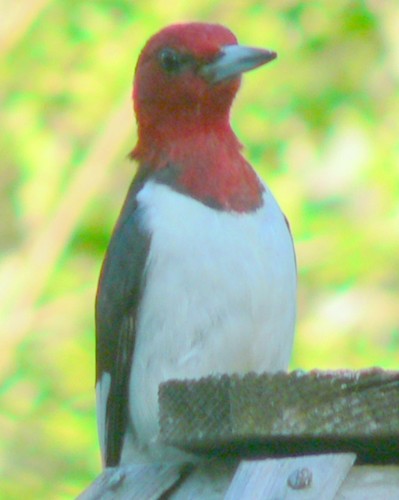
Red-headed Woodpecker
19-23 cm (7.5-9 in) long, 42-46 cm wingspan
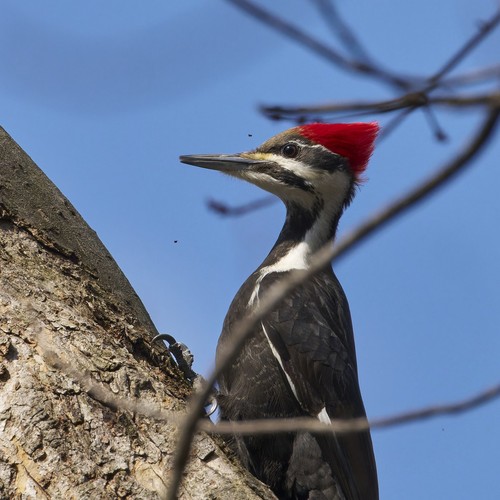
Pileated Woodpecker
40-49 cm (16-19 in) long, 66-75 cm wingspan
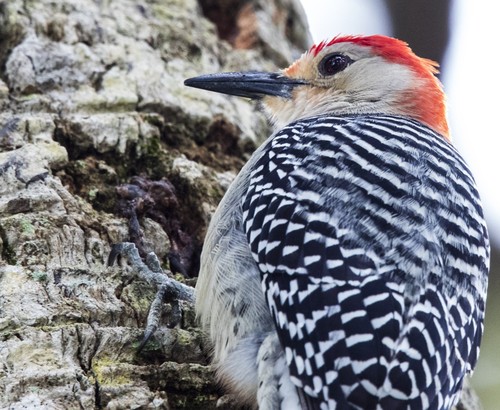
Red-bellied Woodpecker
22-27 cm (9-10.5 in) long, 38-46 cm wingspan
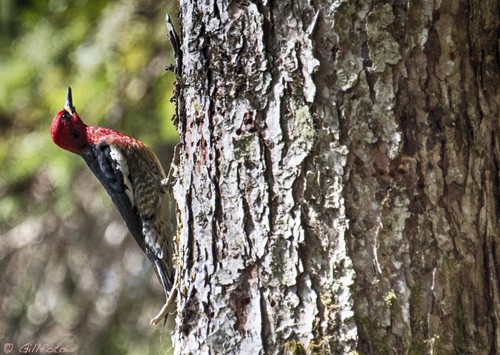
Red-breasted Sapsucker
20-23 cm (8-9 in) long, 34-40 cm wingspan
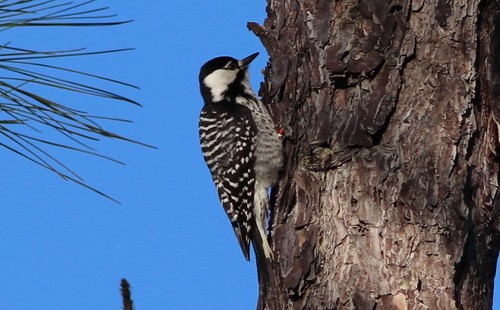
Red-cockaded Woodpecker
20-23 cm (8-9 in) long, 35-38 cm wingspan
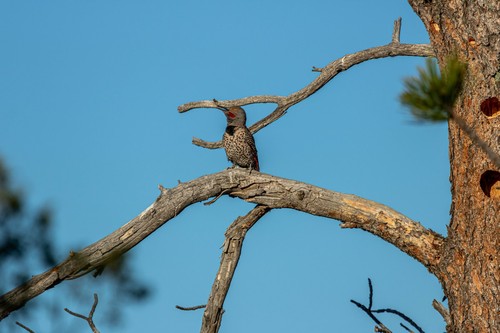
Northern Flicker
28-36 cm (11-14 in) long, 42-51 cm wingspan
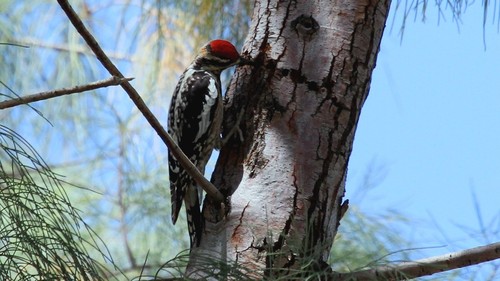
Red-naped Sapsucker
19-21 cm (7.5-8.3 in) long, 34-40 cm wingspan
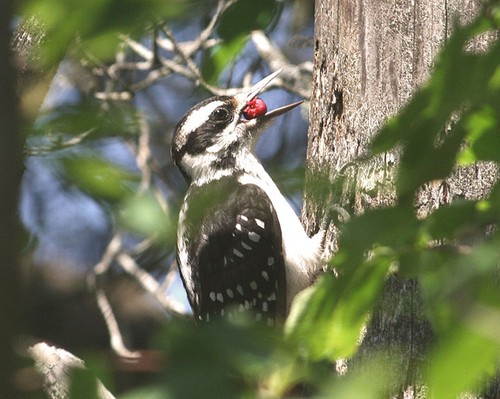
Hairy Woodpecker
23-26 cm (9-10 in) long, 33-41 cm wingspan
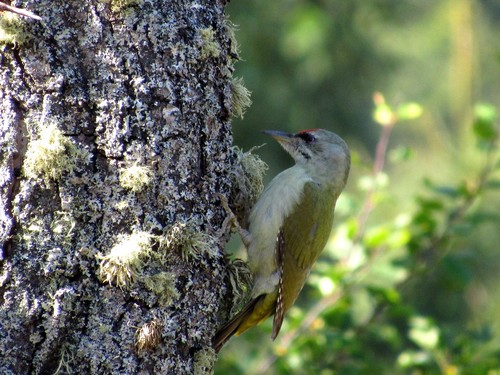
Grey-headed Woodpecker
25-33 cm (10-13 in) long, 38-40 cm wingspan