
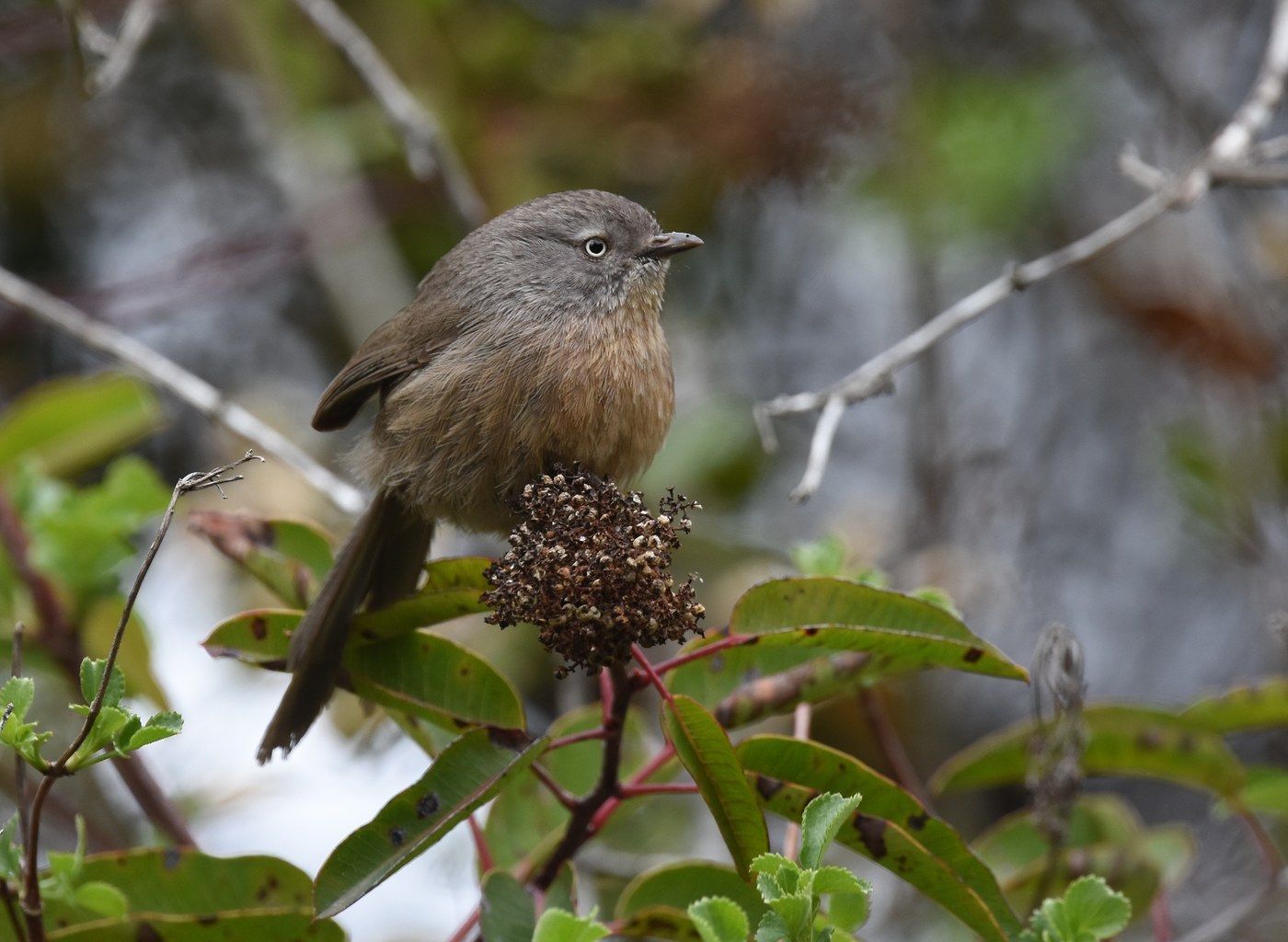
Wrentit
Chamaea fasciata
A drab, long-tailed skulker of Pacific coastal chaparral, far more often heard than seen, with a distinctive bouncing-ball song.
- Size
- 16-17 cm (6.3-6.7 in) long, 17-19 cm (6.7-7.5 in) wingspan
- Habitat
- dense chaparral and coastal scrub
- Type
- songbird
Spotted a bird like this?
Identify any bird from a photo, free.
Overview
The Wrentit is a small, plain brownish songbird endemic to the chaparral and coastal scrub of the Pacific coast, from Oregon to Baja California. Its name reflects a combination of wren-like behavior (skulking, cocked tail) and titmouse-like plumage tones, though it is not closely related to either group and is the sole North American member of the babbler family.
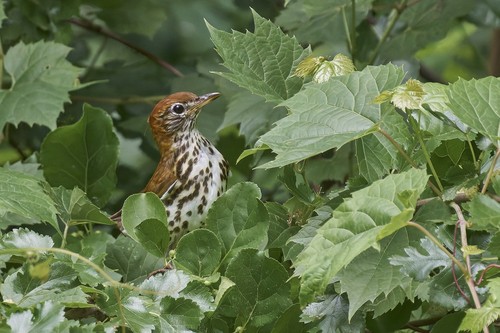
Plumage is warm brown to grayish-brown overall, with faint streaking on the breast, a pale eye that stands out against the plain face, and a long, rounded tail often held cocked upward. Wrentits pair for life and remain on the same small territory year-round.
How to identify it
Key field marks
- Small, plump body with a notably long, rounded tail often cocked up
- Plain warm brown to gray-brown plumage with faint breast streaking
- Pale, whitish eye
- Short, stubby bill
- Stays low and hidden in dense chaparral, rarely seen in the open
Similar species
Bushtit is smaller, grayer, more social (moving in active flocks), and has a dark eye rather than pale. Wrens (such as Bewick's Wren) have finer barring and a thinner, more curved bill; Wrentit's stubby bill and pale eye are distinctive once learned. Most observers identify Wrentit primarily by voice.
Habitat & range
Habitat
Wrentits are chaparral and coastal scrub specialists, favoring dense, shrubby cover such as manzanita, ceanothus, and coastal sage scrub; they rarely venture far from thick cover.
Range
Resident along the Pacific coast and coastal ranges from western Oregon south through California to northern Baja California, Mexico. Wrentits are strongly sedentary, with individuals often spending their entire lives within a single small territory of just a few acres.
Behavior & voice
Behavior
Wrentits are highly territorial and monogamous, with mated pairs staying together and defending the same patch of chaparral year-round. They forage low and hidden within dense shrubs, rarely making short flights in the open.
Voice
The song, a series of accelerating notes that speed up like a bouncing ball coming to rest, is one of the most characteristic sounds of California chaparral and is often the only clue to the bird's presence. Pairs also give a dry, rattling call.
Feeding and nesting
Diet includes insects, spiders, and berries gleaned from dense shrub foliage. The nest is a small, neat cup built low in a shrub, constructed and defended cooperatively by both members of the pair, which mate for life.
Frequently asked questions
What family is the Wrentit in?
The Wrentit is the only North American member of the babbler family (Sylviidae/Timaliidae lineage), an otherwise Old World group, making it a biogeographic curiosity.
What does a Wrentit sound like?
Its song is a series of short notes that accelerate and run together like a bouncing ball coming to rest, a familiar sound in California chaparral.
Where can I find a Wrentit?
In dense chaparral and coastal scrub along the Pacific coast from Oregon to Baja California; listen for the song since the bird itself stays hidden.
Do Wrentits migrate?
No, Wrentits are strongly sedentary, often remaining within the same small territory their entire lives.
Do Wrentits mate for life?
Yes, Wrentit pairs are monogamous and stay together year-round on a shared territory, one of the strongest pair bonds known among North American songbirds.
Wrentit guides
In-depth guides for identifying, finding, and understanding Wrentit.
Other birds you may enjoy
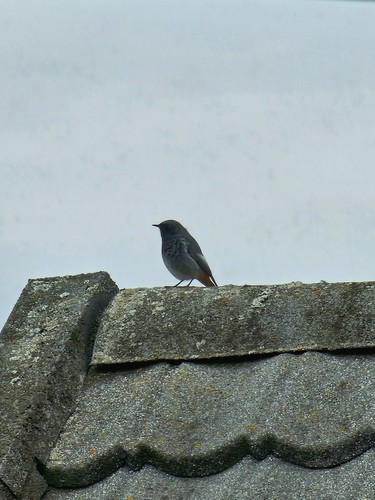
Black Redstart
13-14.5 cm (5.1-5.7 in) long, 23-26 cm wingspan
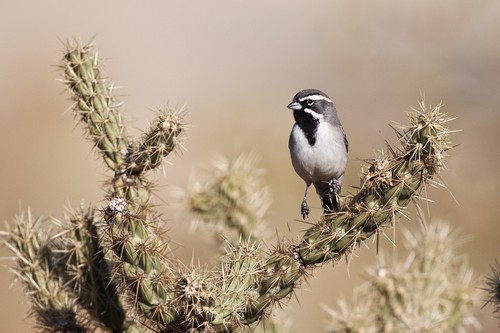
Black-throated Sparrow
12-14 cm (4.7-5.5 in) long, about 19-20 cm (7.5-8 in) wingspan
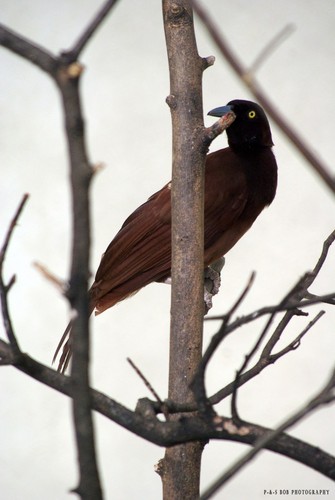
Greater Bird-of-paradise
Body about 43 cm; males with additional flank plumes up to 50 cm and long tail wires
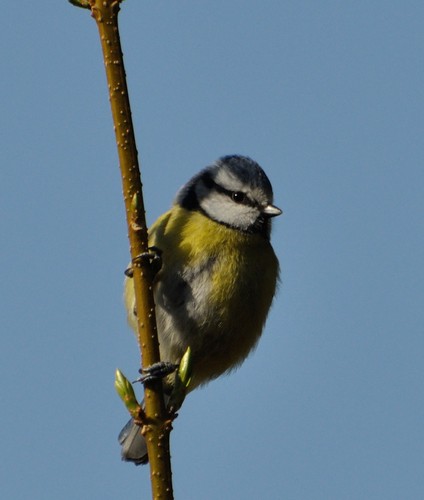
Blue Tit
11-12 cm (4.3-4.7 in) long, 17-20 cm wingspan
Red-billed Quelea
11.5–13 cm long, wingspan about 20–22 cm
White-plumed Antbird
13-14 cm (5-5.5 in) long
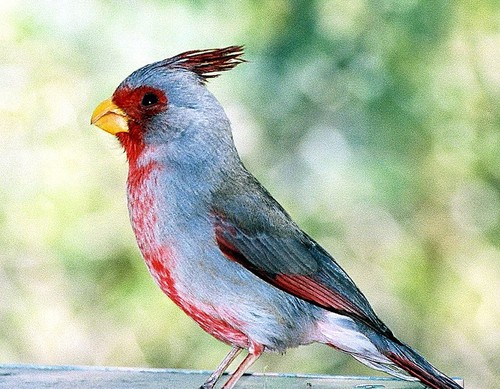
Pyrrhuloxia
19-22 cm (7.5-8.7 in) long, 30 cm wingspan
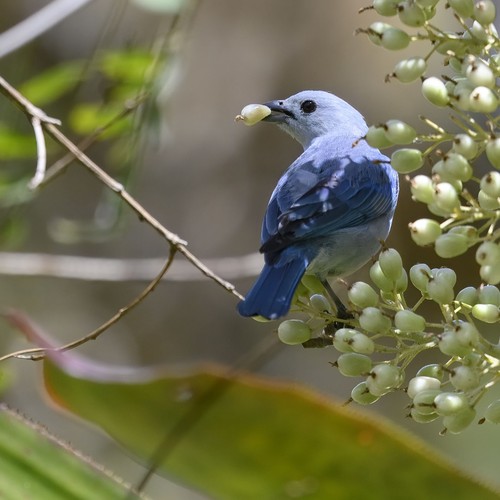
Blue-gray Tanager
16-18 cm (6-7 in) long
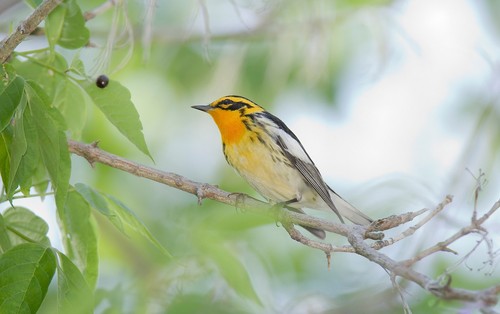
Blackburnian Warbler
11-13 cm (4.3-5.1 in) long, 20-22 cm wingspan
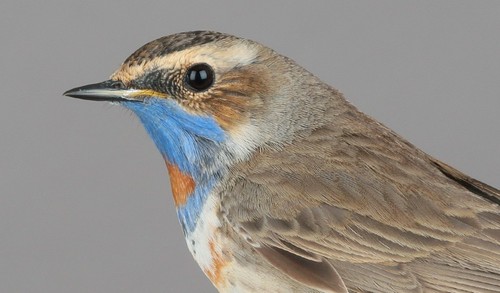
Bluethroat
13-14 cm (5.1-5.5 in) long, 20-22 cm wingspan
Eurasian Nuthatch
12-14.5 cm (4.7-5.7 in) long, 22.5-27 cm wingspan
Wood Thrush
19-21 cm (7.5-8.3 in) long, about 33 cm (13 in) wingspan