
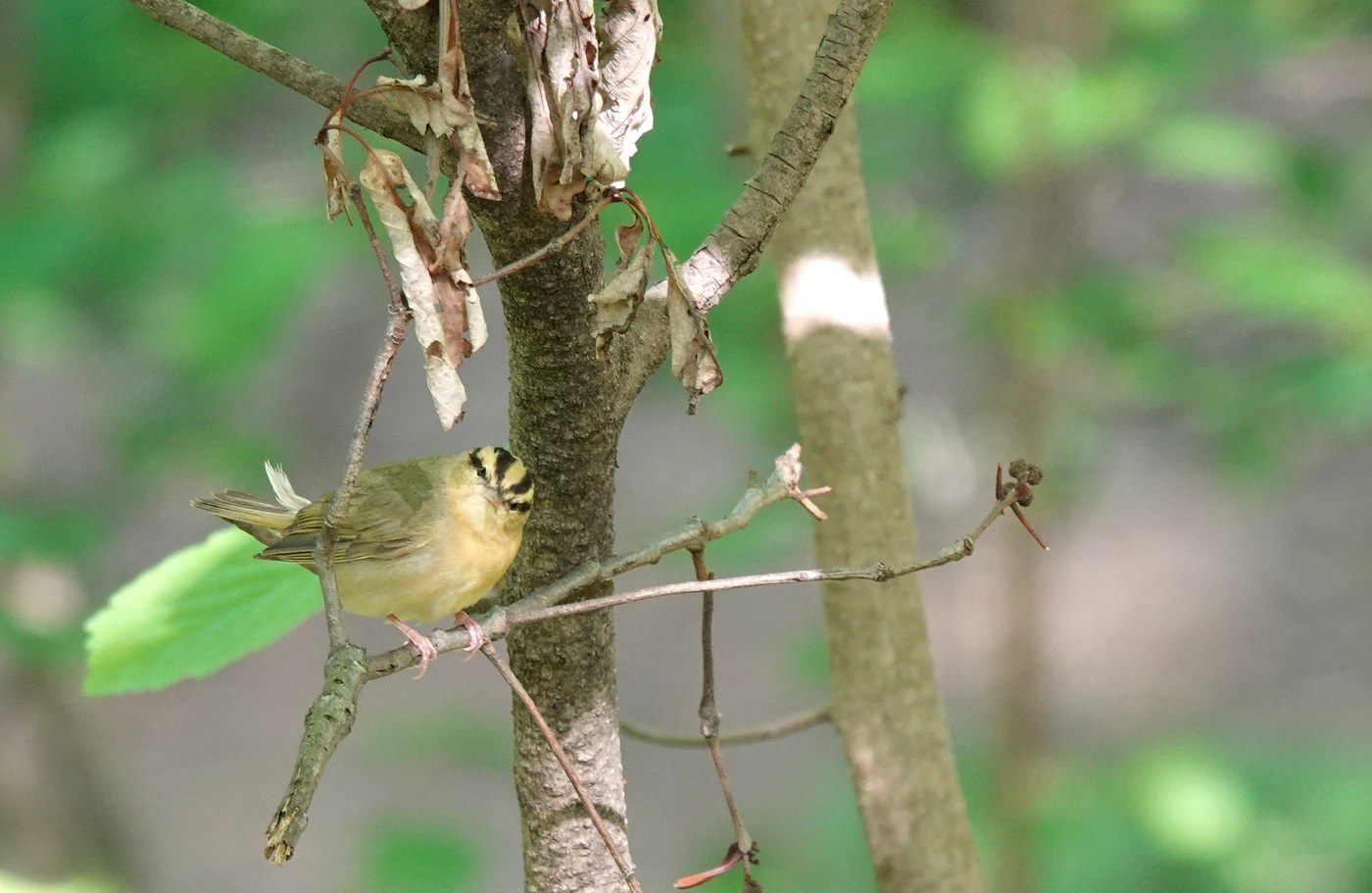
Worm-eating Warbler
Helmitheros vermivorum
A plain buffy warbler with bold black head stripes, best known for its habit of probing curled dead leaves for caterpillars rather than eating earthworms.
- Size
- 13 cm (5.1 in) long, 20-22 cm wingspan
- Habitat
- dense understory of deciduous forest on hillsides and ravines
- Type
- songbird
Spotted a bird like this?
Identify any bird from a photo, free.
Overview
The Worm-eating Warbler is a plain but distinctively marked bird, with warm buffy-olive underparts and a buffy head set off by two bold black stripes running along the crown and through the eye. Its upperparts are a plain, unstreaked olive-brown, and it has a notably long, pointed bill relative to its body size.
Despite the name, this species does not eat earthworms; the name instead refers to its habit of feeding on caterpillars, often colloquially called "worms," which it extracts by probing into curled dead leaves.
How to identify it
Key field marks
- Buffy head with two bold black stripes (crown stripe and eye stripe)
- Plain, unstreaked olive-brown upperparts and buffy-olive underparts
- Long, pointed bill
- Pinkish legs
- No wingbars
Similar species
Swainson's Warbler is superficially similar in its plain brown coloring but lacks the bold black head stripes of Worm-eating Warbler and has a plainer face with just a dark eyeline. Sparrows with striped crowns are much bulkier and lack the thin warbler bill and olive tones.
Habitat & range
Worm-eating Warblers breed in mature deciduous forest across the eastern United States, with a strong preference for steep, wooded hillsides and ravines that have a dense shrub layer, often in areas with mountain laurel or similar understory thickets.
They winter in the understory of humid lowland forest from Mexico through Central America and into the Caribbean.
Behavior & voice
Behavior and voice
Worm-eating Warblers forage in a very distinctive way, often hanging upside down or clinging to probe into clusters of curled dead leaves in search of hidden caterpillars, a technique that sets them apart from most other warblers.
The song is a dry, insect-like trill delivered on a single pitch, similar to the trill of a Chipping Sparrow but more buzzy and less musical.
Nesting
The nest is built on the ground, typically on a steep, wooded slope, tucked among dead leaves at the base of a shrub or sapling. Clutches usually contain 3-5 eggs.
Frequently asked questions
Does the Worm-eating Warbler actually eat earthworms?
No. Its name refers to its habit of eating caterpillars, colloquially called "worms," not true earthworms.
How does a Worm-eating Warbler forage?
It has a distinctive habit of probing into clusters of curled dead leaves, sometimes clinging upside down, to find hidden caterpillars.
What does a Worm-eating Warbler look like?
It has a buffy head marked with two bold black stripes, plain olive-brown upperparts, buffy underparts, and a notably long, pointed bill.
What habitat does the Worm-eating Warbler prefer?
Mature deciduous forest with dense shrubby understory, typically on steep wooded hillsides and ravines in the eastern United States.
What does a Worm-eating Warbler sound like?
A dry, buzzy, insect-like trill on one pitch, similar to a Chipping Sparrow's trill but drier and more mechanical.
Worm-eating Warbler guides
In-depth guides for identifying, finding, and understanding Worm-eating Warbler.
Other birds you may enjoy
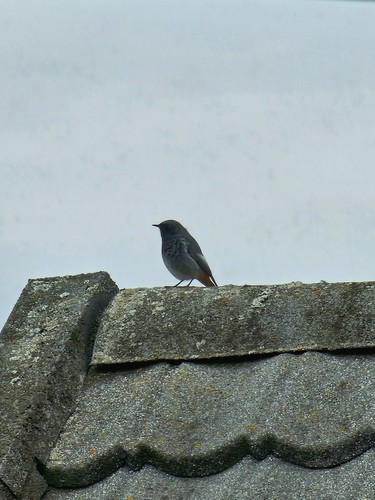
Black Redstart
13-14.5 cm (5.1-5.7 in) long, 23-26 cm wingspan
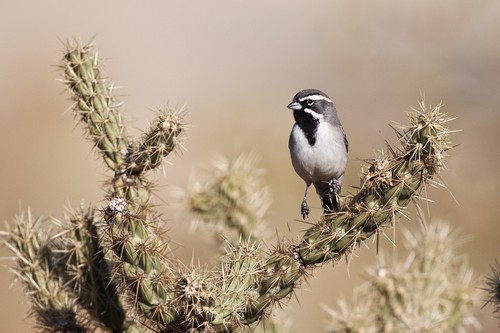
Black-throated Sparrow
12-14 cm (4.7-5.5 in) long, about 19-20 cm (7.5-8 in) wingspan
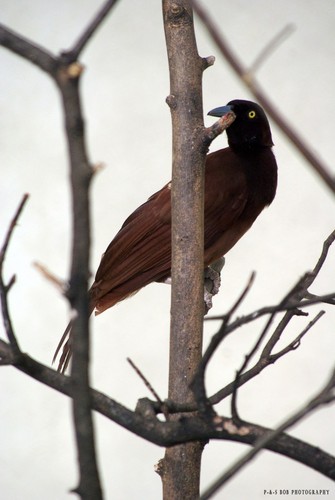
Greater Bird-of-paradise
Body about 43 cm; males with additional flank plumes up to 50 cm and long tail wires
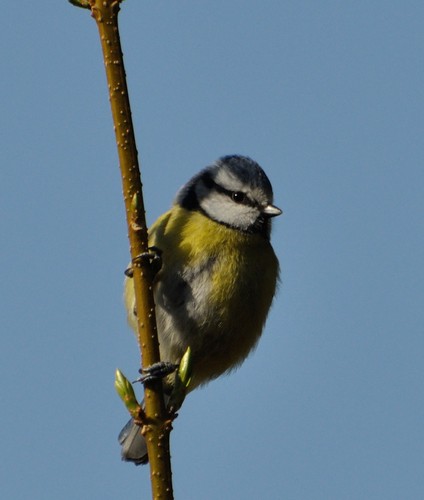
Blue Tit
11-12 cm (4.3-4.7 in) long, 17-20 cm wingspan
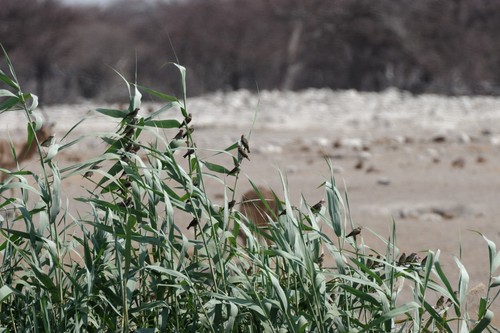
Red-billed Quelea
11.5–13 cm long, wingspan about 20–22 cm
White-plumed Antbird
13-14 cm (5-5.5 in) long
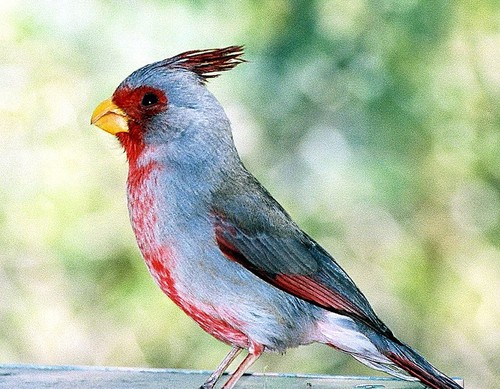
Pyrrhuloxia
19-22 cm (7.5-8.7 in) long, 30 cm wingspan
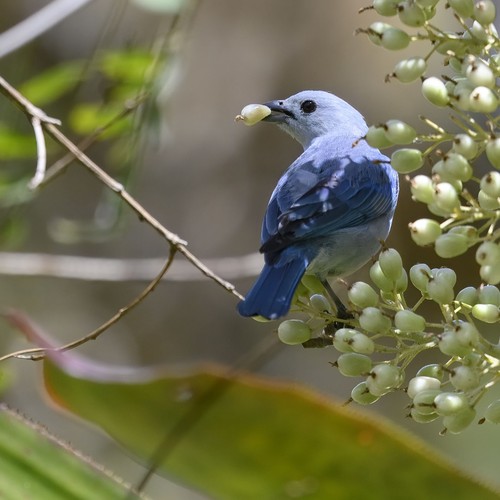
Blue-gray Tanager
16-18 cm (6-7 in) long
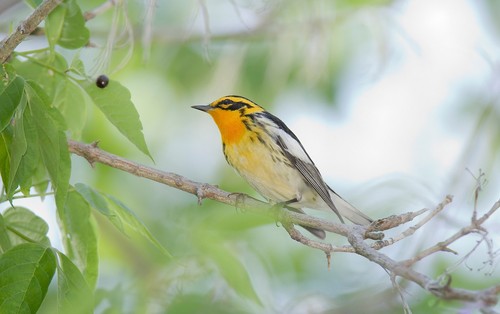
Blackburnian Warbler
11-13 cm (4.3-5.1 in) long, 20-22 cm wingspan
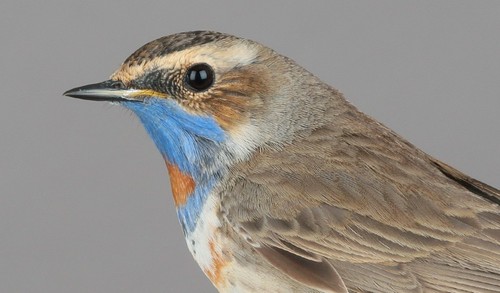
Bluethroat
13-14 cm (5.1-5.5 in) long, 20-22 cm wingspan
Eurasian Nuthatch
12-14.5 cm (4.7-5.7 in) long, 22.5-27 cm wingspan
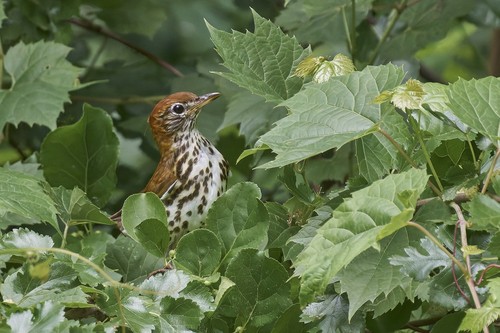
Wood Thrush
19-21 cm (7.5-8.3 in) long, about 33 cm (13 in) wingspan