
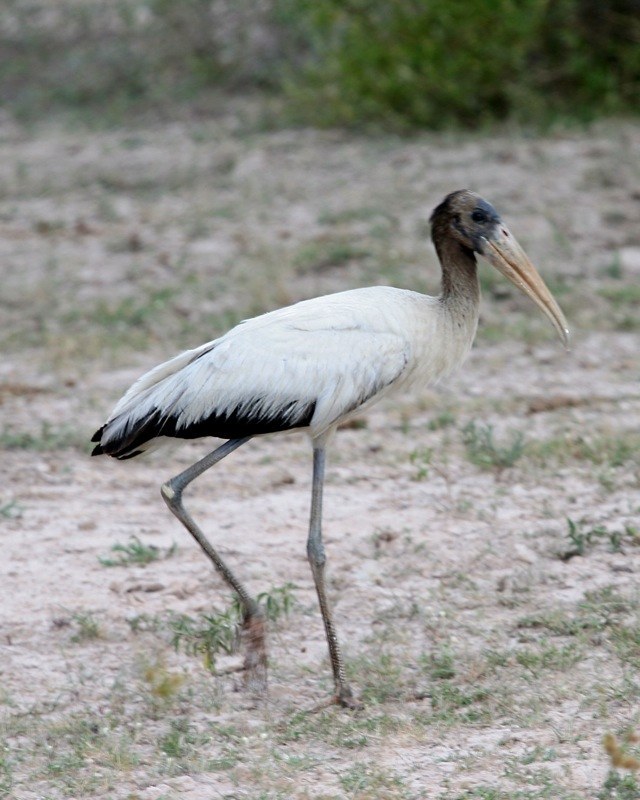
Wood Stork
Mycteria americana
A large white stork of the Americas with a bald, scaly grey-black head and neck, famous for hunting fish by feel in shallow water.
- Size
- 83-115 cm (33-45 in) long, 150-180 cm wingspan
- Habitat
- freshwater and brackish wetlands, swamps, and mangroves
- Type
- wading-bird
Spotted a bird like this?
Identify any bird from a photo, free.
Overview
The Wood Stork is the only stork species that breeds in North America, ranging from the southeastern United States through Central America and much of South America. It is a large, heavy-bodied bird with mostly white plumage, black flight feathers and tail, and a bald, dark, scaly-skinned head and neck that give it an almost prehistoric appearance.
The thick, long, downcurved bill is used in one of the fastest reflexes known among birds: when the bill tip touches a fish, it snaps shut in a fraction of a second. Wood Storks are colonial nesters and are considered an indicator species for the health of wetland ecosystems, particularly in the Florida Everglades.
How to identify it
Key field marks
- Large white-bodied stork with black flight feathers visible in flight
- Bald, dark grey to blackish, scaly-skinned head and neck
- Thick, heavy, downcurved black bill
- Long dark legs with pink toes
- Soars on thermals with neck and legs extended, wings held flat
Similar species
White Ibis is much smaller with an all-feathered head and a thin, downcurved red bill. American White Pelican is far bulkier with a huge orange bill and black flight feathers, but has a feathered head. No other native North American stork overlaps in range, making the bald head and heavy bill diagnostic within the region.
Habitat & range
Wood Storks inhabit freshwater marshes, cypress swamps, mangrove estuaries, and other shallow wetlands where receding water concentrates fish into small pools. In the United States they breed primarily in Florida, Georgia, South Carolina, and along the Gulf Coast, with the population having expanded northward in recent decades.
The species' broader range extends through Mexico, Central America, and much of South America, where it is a widespread resident. U.S. breeders may disperse widely after the nesting season, and the species was downlisted from Endangered to Threatened in the U.S. in 2014 following population recovery tied to wetland restoration.
Behavior & voice
Wood Storks forage using a technique called grope-feeding or tactolocation: they wade through shallow water with the bill open and partly submerged, snapping it shut the instant it contacts prey, regardless of visibility. This makes them highly dependent on shrinking pools of concentrated fish, which is why their breeding often coincides with seasonal wetland drawdowns.
They are largely silent away from the nest, communicating mainly through bill-clattering displays. Wood Storks nest colonially in large trees over water, often alongside herons and egrets, building bulky stick nests. Both parents incubate the 2-5 eggs and feed the young by regurgitation; successful breeding is closely tied to adequate food availability during the nesting season.
Frequently asked questions
Why does the Wood Stork have a bald head?
The featherless, scaly skin on the head and neck is thought to help with thermoregulation and hygiene, since the bird often has its head near water and prey while foraging.
How does a Wood Stork catch fish?
It wades with its bill partly open in the water and snaps it shut by reflex the instant it touches a fish, a technique called grope-feeding that works even in murky water.
Is the Wood Stork endangered?
It was reclassified from Endangered to Threatened in the U.S. in 2014 after population increases, and is listed as Least Concern globally due to large, stable populations in Central and South America.
Where can you see Wood Storks in the U.S.?
Florida hosts the largest U.S. breeding population, especially in the Everglades and coastal wetlands, with additional colonies in Georgia and South Carolina.
Wood Stork guides
In-depth guides for identifying, finding, and understanding Wood Stork.
Other birds you may enjoy
Demoiselle Crane
85-100 cm (33-39 in) long, 155-180 cm wingspan
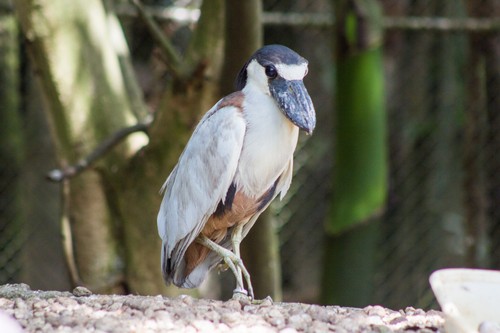
Boat-billed Heron
41-56 cm (16-22 in) long
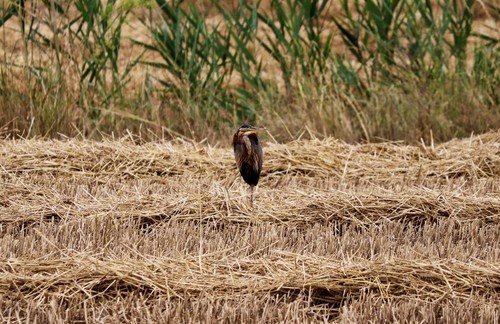
Purple Heron
78-90 cm (31-35 in) long, 120-152 cm wingspan
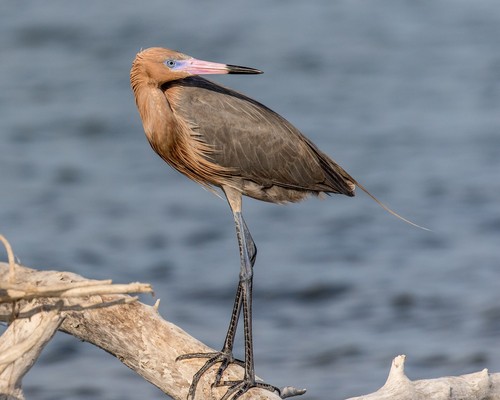
Reddish Egret
68-82 cm (27-32 in) long, 116-125 cm wingspan
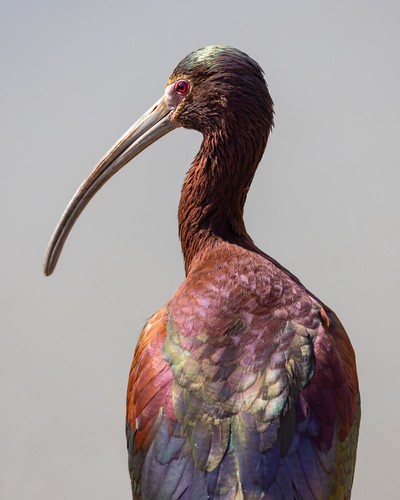
White-faced Ibis
46-56 cm (18-22 in) long, 88-93 cm wingspan
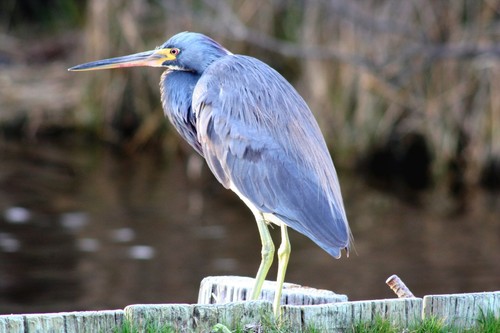
Tricolored Heron
61-76 cm (24-30 in) long, about 96 cm wingspan
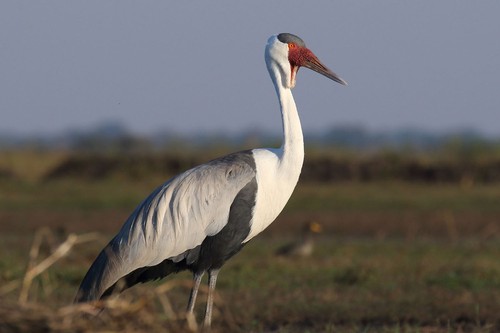
Wattled Crane
120-175 cm (47-69 in) tall, one of the tallest cranes, wingspan up to about 230 cm (7.5 ft)
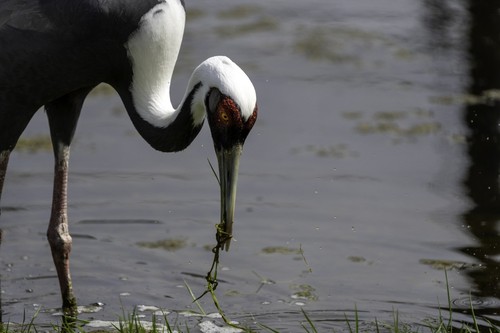
White-naped Crane
112-125 cm (44-49 in) long, 195-210 cm wingspan
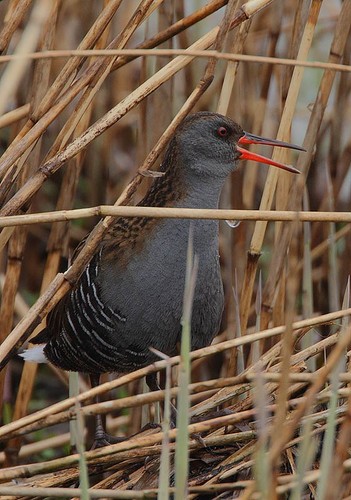
Water Rail
23-28 cm (9-11 in) long, wingspan 38-45 cm
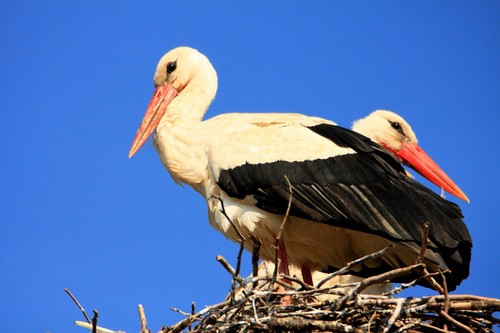
White Stork
100-125 cm (39-49 in) long, 155-215 cm wingspan
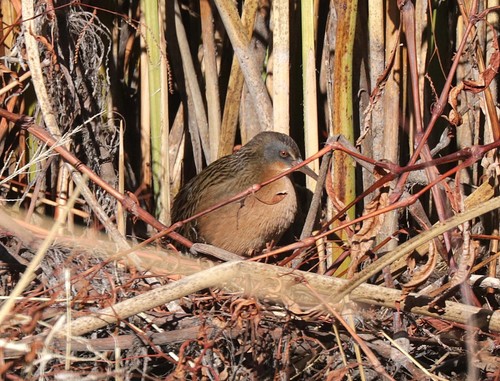
Virginia Rail
20-27 cm (8-11 in) long, wingspan 32-38 cm
Wattled Jacana
17-23 cm (7-9 in) long