
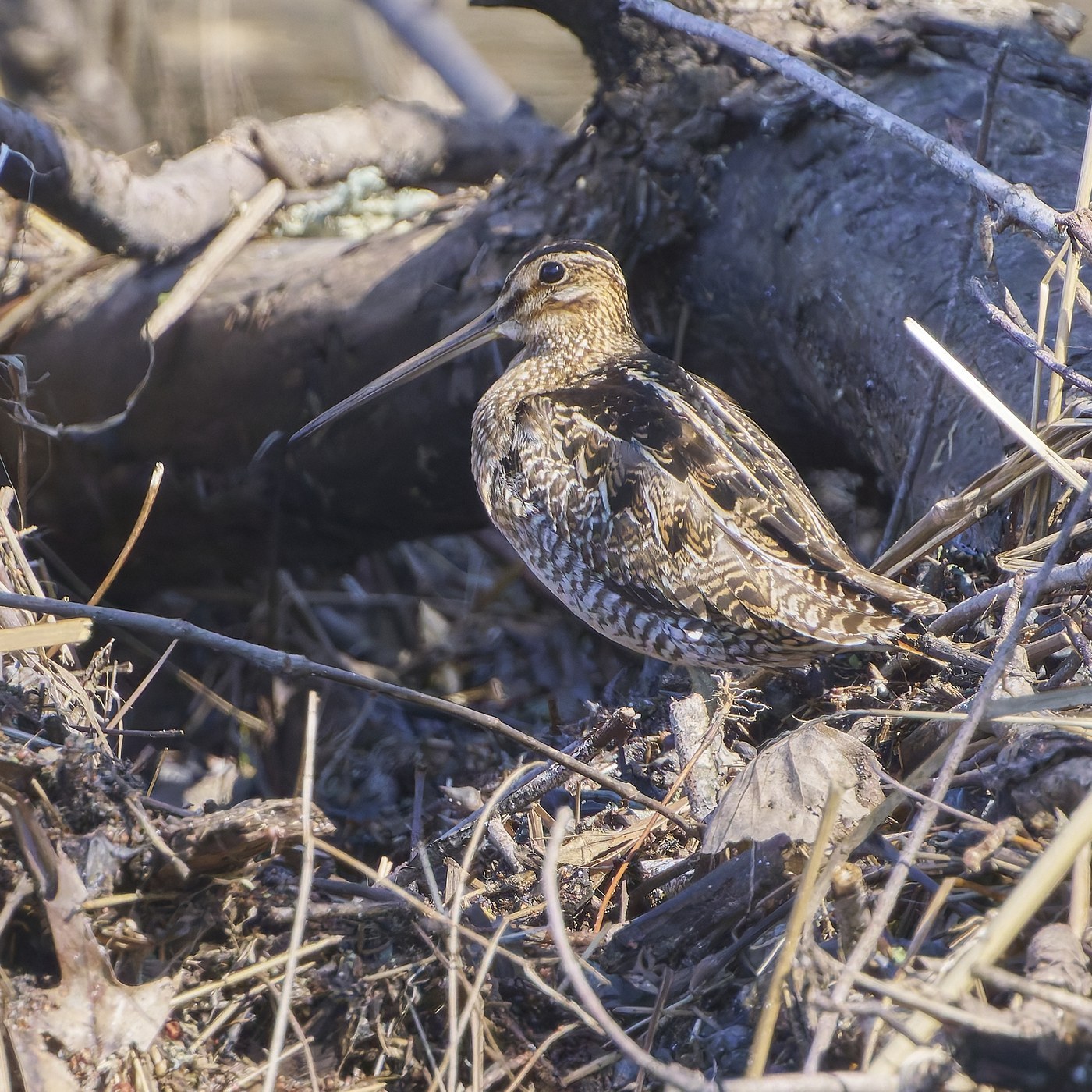
Wilson's Snipe
Gallinago delicata
A stocky, cryptically patterned North American marsh bird with an extremely long bill, best known for the eerie winnowing sound males make during display flights.
- Size
- 25-30 cm (10-12 in) long, 39-45 cm wingspan
- Habitat
- wet meadows, marshes, and bogs
- Type
- shorebird
Spotted a bird like this?
Identify any bird from a photo, free.
Overview
Wilson's Snipe is a plump, well-camouflaged shorebird of North American wetlands, more often heard or flushed underfoot than seen at rest, thanks to its superb cryptic plumage of buff, brown, and black stripes that blends seamlessly with marsh vegetation.
It has a very long, straight bill used for deep probing in soft mud, short legs, a stocky body, and large eyes set unusually far back and high on the head, giving it a wide field of view to watch for predators while feeding head-down.
When flushed, Wilson's Snipe explodes into a fast, erratic, zigzagging flight accompanied by a harsh call, a behavior that has made it a classic quarry for wingshooting enthusiasts historically, though today it is best appreciated for its remarkable display behavior.
How to identify it
Key field marks
- Extremely long, straight bill relative to body size
- Bold buff and dark brown longitudinal stripes on the back and head
- Short legs and a stocky, chunky body shape
- Large eyes set far back on the head
- Erratic, zigzagging flushing flight
- Harsh, rasping "scaipe" call given when flushed
Similar species
- Common Snipe (Eurasian counterpart): extremely similar in appearance; best distinguished by range, subtle differences in wing pattern, and the distinct pitch of the winnowing sound produced by narrower outer tail feathers.
- American Woodcock: found in woodland rather than open marsh, rounder body, different flight pattern, and lacks the bold striping pattern of the snipe.
- Dowitchers: longer legs, different bill shape, found in open mudflats rather than dense marsh vegetation.
Habitat & range
Habitat
Wilson's Snipe inhabits wet meadows, marshes, bogs, and the muddy edges of ponds and streams, relying on dense low vegetation for cover while probing soft ground for food.
Range and migration
It breeds across much of Canada, Alaska, and the northern United States in wetland habitats. Many populations migrate south to winter across the southern United States, Mexico, and Central America, with some remaining in milder parts of the breeding range year-round.
Behavior & voice
Behavior
During the breeding season, male Wilson's Snipe perform a spectacular aerial display known as "winnowing," flying high in circles and then diving steeply; air rushing through specially shaped outer tail feathers produces an eerie, hollow, tremulous sound audible from a considerable distance.
Voice
Besides the mechanical winnowing sound, the snipe gives a harsh, nasal "scaipe" call when flushed, and a repetitive "chip-per" song from perches during the breeding season.
Feeding
It probes deeply into soft mud with its long, sensitive bill tip to locate earthworms, insect larvae, and other invertebrates, often feeding largely by touch with the bill submerged.
Nesting and breeding
The female builds a well-hidden ground nest in dense marsh vegetation and incubates a clutch of typically four eggs; the precocial young leave the nest soon after hatching but are tended by the parents, who often split the brood between them.
Frequently asked questions
What is the winnowing sound associated with Wilson's Snipe?
It is an eerie, hollow, tremulous sound produced by air rushing through the male's specially shaped outer tail feathers during high, diving display flights in the breeding season, not a vocal call.
How is Wilson's Snipe different from the American Woodcock?
Wilson's Snipe inhabits open wet marshes and has bold longitudinal stripes and an erratic zigzag flush flight, while the American Woodcock lives in wooded thickets and has a rounder, more mottled, less striped appearance.
What does a Wilson's Snipe eat?
Mainly earthworms, insect larvae, and other invertebrates probed from soft, wet soil using its long, sensitive bill.
How is Wilson's Snipe related to the Common Snipe?
The two were once considered a single species; Wilson's Snipe occurs in North America and Common Snipe in Eurasia, and they differ subtly in wing pattern and the sound of their tail-feather winnowing display.
Why is Wilson's Snipe hard to spot?
Its bold buff-and-brown striped plumage blends almost perfectly with the marsh vegetation it inhabits, and it typically stays still and hidden until flushed at close range.
Wilson's Snipe guides
In-depth guides for identifying, finding, and understanding Wilson's Snipe.
Other birds you may enjoy
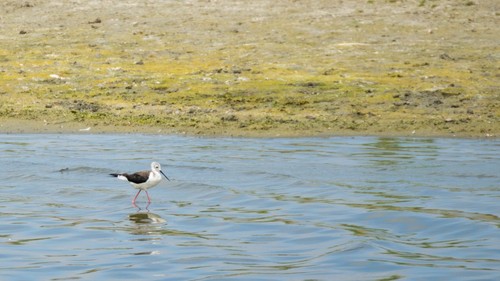
Black-winged Stilt
33-36 cm (13-14 in) long, wingspan 67-83 cm
Willet
33-41 cm (13-16 in) long, 65-70 cm wingspan
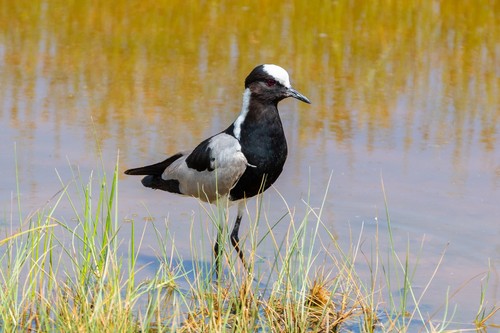
Blacksmith Lapwing
Body length about 30 cm; wingspan 55-65 cm
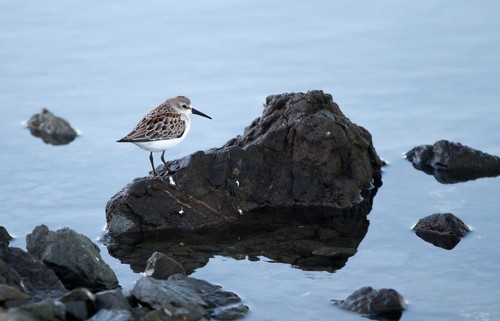
Western Sandpiper
14-17 cm (5.5-6.7 in) long, 28-37 cm wingspan
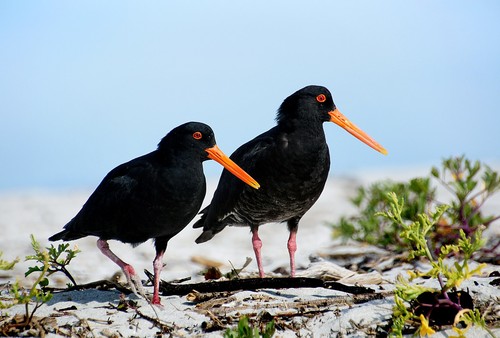
Variable Oystercatcher
46-49 cm (18-19 in) long
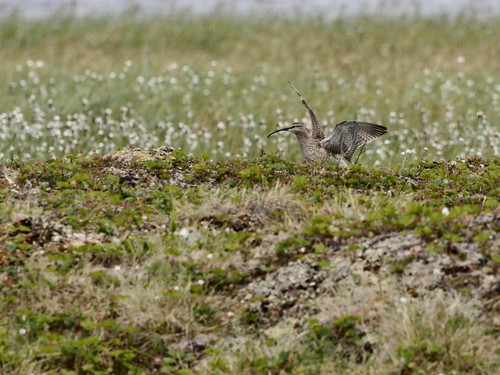
Whimbrel
40-46 cm (16-18 in) long, 76-89 cm wingspan
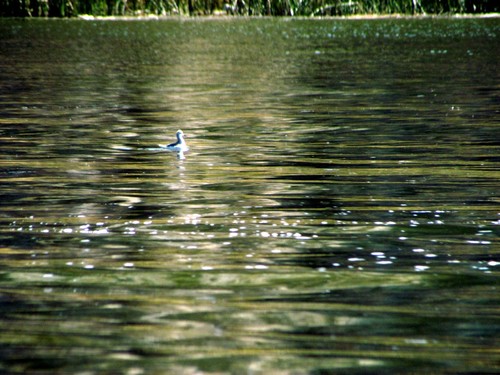
Wilson's Phalarope
22-24 cm (8.5-9.5 in) long, 37-43 cm wingspan
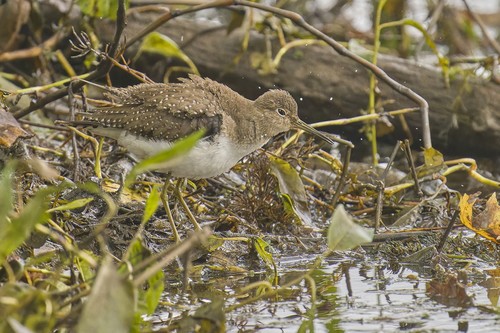
Solitary Sandpiper
19-23 cm (7.5-9 in) long, 50-56 cm wingspan
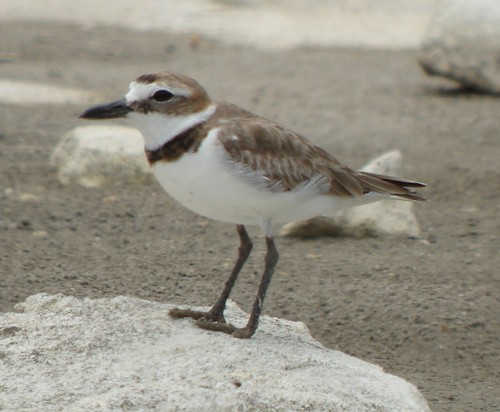
Wilson's Plover
17-19 cm (6.7-7.5 in) long, 45-50 cm wingspan
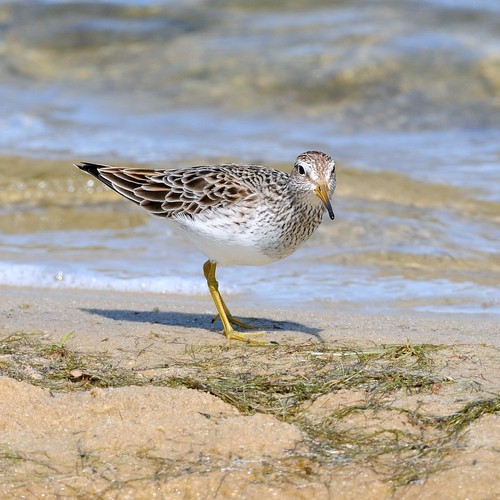
Pectoral Sandpiper
19-23 cm (7.5-9 in) long, 43-49 cm wingspan
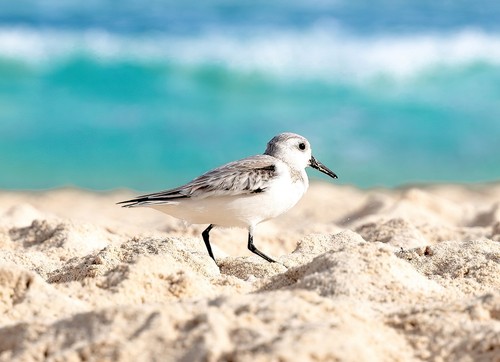
Sanderling
18-20 cm (7-8 in) long, 40-43 cm wingspan
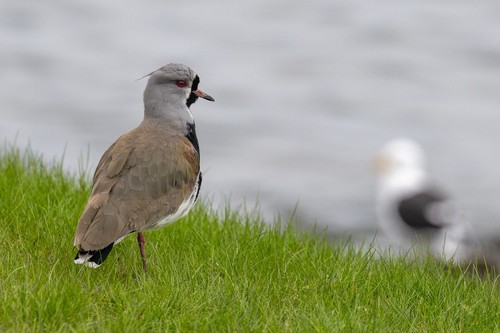
Southern Lapwing
32-38 cm (12.5-15 in) long, 70-80 cm wingspan