
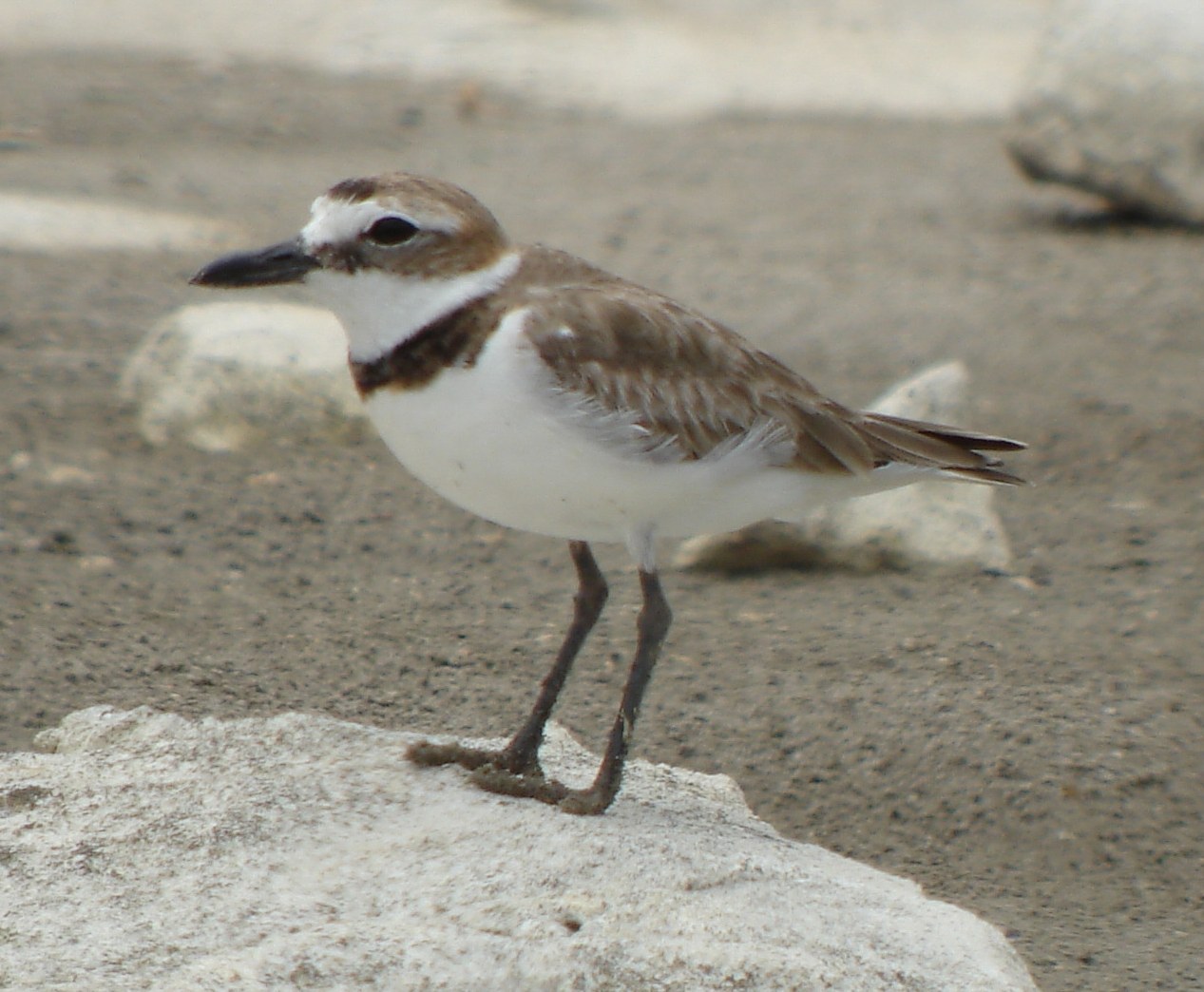
Wilson's Plover
Charadrius wilsonia
A stocky coastal plover named for ornithologist Alexander Wilson, easily told by its oversized, heavy black bill.
- Size
- 17-19 cm (6.7-7.5 in) long, 45-50 cm wingspan
- Habitat
- sandy and shell beaches, tidal flats, and coastal dunes
- Type
- shorebird
Spotted a bird like this?
Identify any bird from a photo, free.
Overview
Wilson's Plover is a medium-sized plover of the Americas, distinguished from other small plovers by its notably large, thick, all-black bill—an adaptation for handling fiddler crabs, its favored prey.
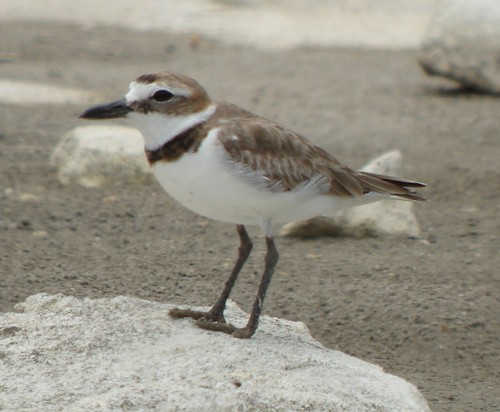
Adults have plain brownish-gray upperparts, white underparts, and a single dark breast band; pale pinkish-gray legs complete the look. Sexes are similar, though males often show a slightly darker, more solidly black breast band than females.
It is a specialist of undisturbed sandy and shelly beaches along warm coastlines, where it is often seen near fiddler crab burrows.
How to identify it
Key field marks
- Large, heavy, all-black bill—longer and thicker than in other small plovers
- Single solid dark breast band
- Plain sandy-brown upperparts, white underparts
- Dull pinkish-gray legs
Similar species
- Semipalmated Plover has a much smaller bill with an orange base and orange legs.
- Piping Plover is paler overall with orange legs and a small orange-and-black bill.
- Snowy Plover is smaller and paler with a thin black bill and incomplete breast patches.
Habitat & range
Wilson's Plover breeds on sandy or shell beaches, sandbars, and coastal dunes along the Atlantic and Gulf coasts of the southeastern United States, Mexico, Central America, the Caribbean, and the Pacific and Atlantic coasts of South America.
Most populations are resident or make only short-distance movements, though northern breeders may shift south along the coast in winter. It favors open, sparsely vegetated beach habitat close to tidal flats where fiddler crabs are abundant.
Behavior & voice
Voice
A sharp, whistled whit or wheet and a rapid rattling call given in alarm or during territorial encounters.
Feeding
Specializes in hunting fiddler crabs, which it seizes, subdues, and often dismembers before swallowing; it also takes other crustaceans, marine worms, and insects picked from open sand and mudflats.
Nesting
Nests in a shallow scrape above the high-tide line, often near dune vegetation or debris. Both parents share incubation and use distraction displays to draw predators away from eggs or chicks, which are precocial and leave the nest soon after hatching.
Frequently asked questions
What makes Wilson's Plover easy to identify?
Its unusually large, thick, all-black bill is much bigger than that of any similar small plover.
What do Wilson's Plovers eat?
Mainly fiddler crabs, along with other small crustaceans, marine worms, and insects.
Where is Wilson's Plover found?
Along sandy and shelly beaches of the southeastern U.S., Gulf and Caribbean coasts, and both coasts of Central and South America.
Is Wilson's Plover migratory?
Southern populations are largely resident, while northern breeders often move short distances south for the winter.
Wilson's Plover guides
In-depth guides for identifying, finding, and understanding Wilson's Plover.
Other birds you may enjoy
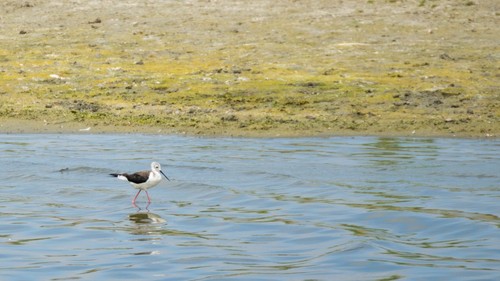
Black-winged Stilt
33-36 cm (13-14 in) long, wingspan 67-83 cm
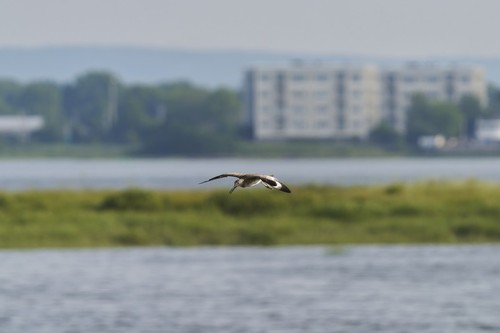
Willet
33-41 cm (13-16 in) long, 65-70 cm wingspan
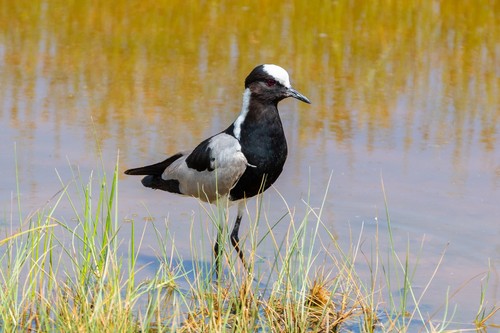
Blacksmith Lapwing
Body length about 30 cm; wingspan 55-65 cm
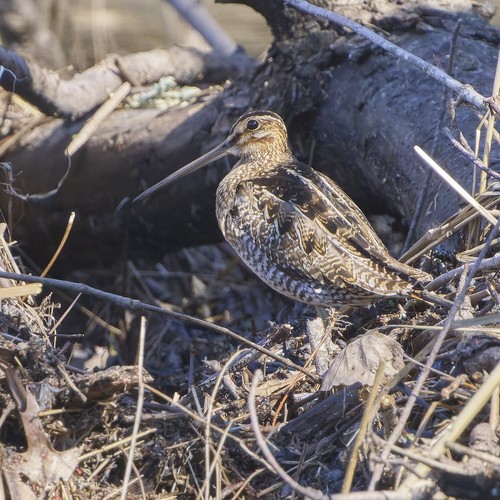
Wilson's Snipe
25-30 cm (10-12 in) long, 39-45 cm wingspan
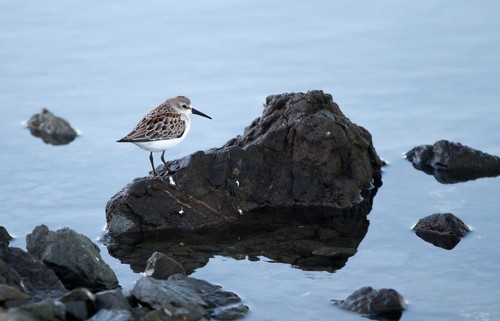
Western Sandpiper
14-17 cm (5.5-6.7 in) long, 28-37 cm wingspan
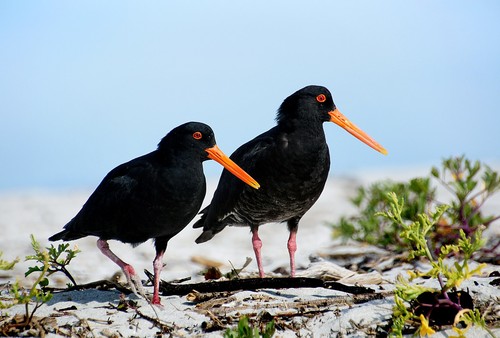
Variable Oystercatcher
46-49 cm (18-19 in) long
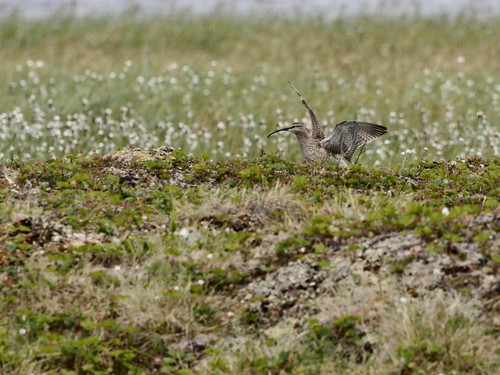
Whimbrel
40-46 cm (16-18 in) long, 76-89 cm wingspan
Wilson's Phalarope
22-24 cm (8.5-9.5 in) long, 37-43 cm wingspan
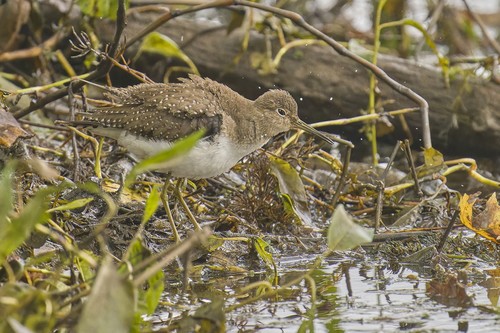
Solitary Sandpiper
19-23 cm (7.5-9 in) long, 50-56 cm wingspan
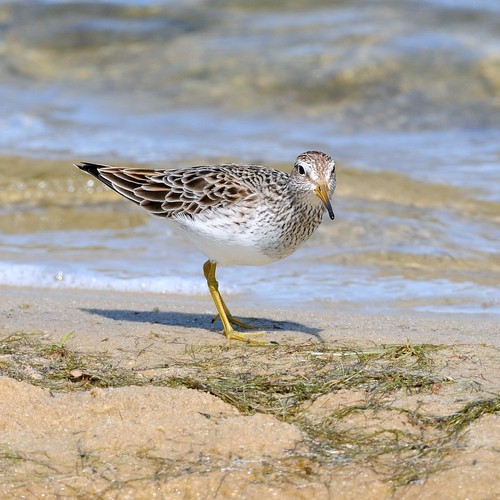
Pectoral Sandpiper
19-23 cm (7.5-9 in) long, 43-49 cm wingspan
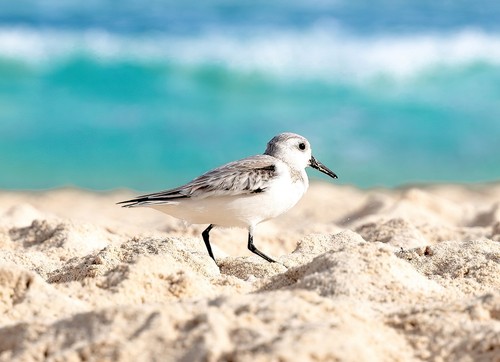
Sanderling
18-20 cm (7-8 in) long, 40-43 cm wingspan
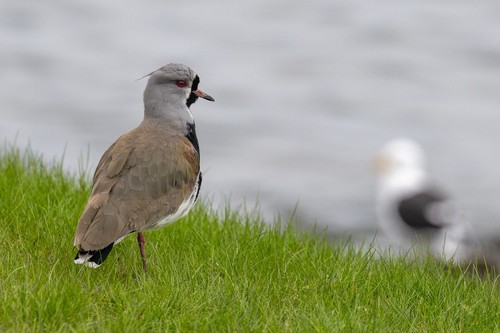
Southern Lapwing
32-38 cm (12.5-15 in) long, 70-80 cm wingspan