
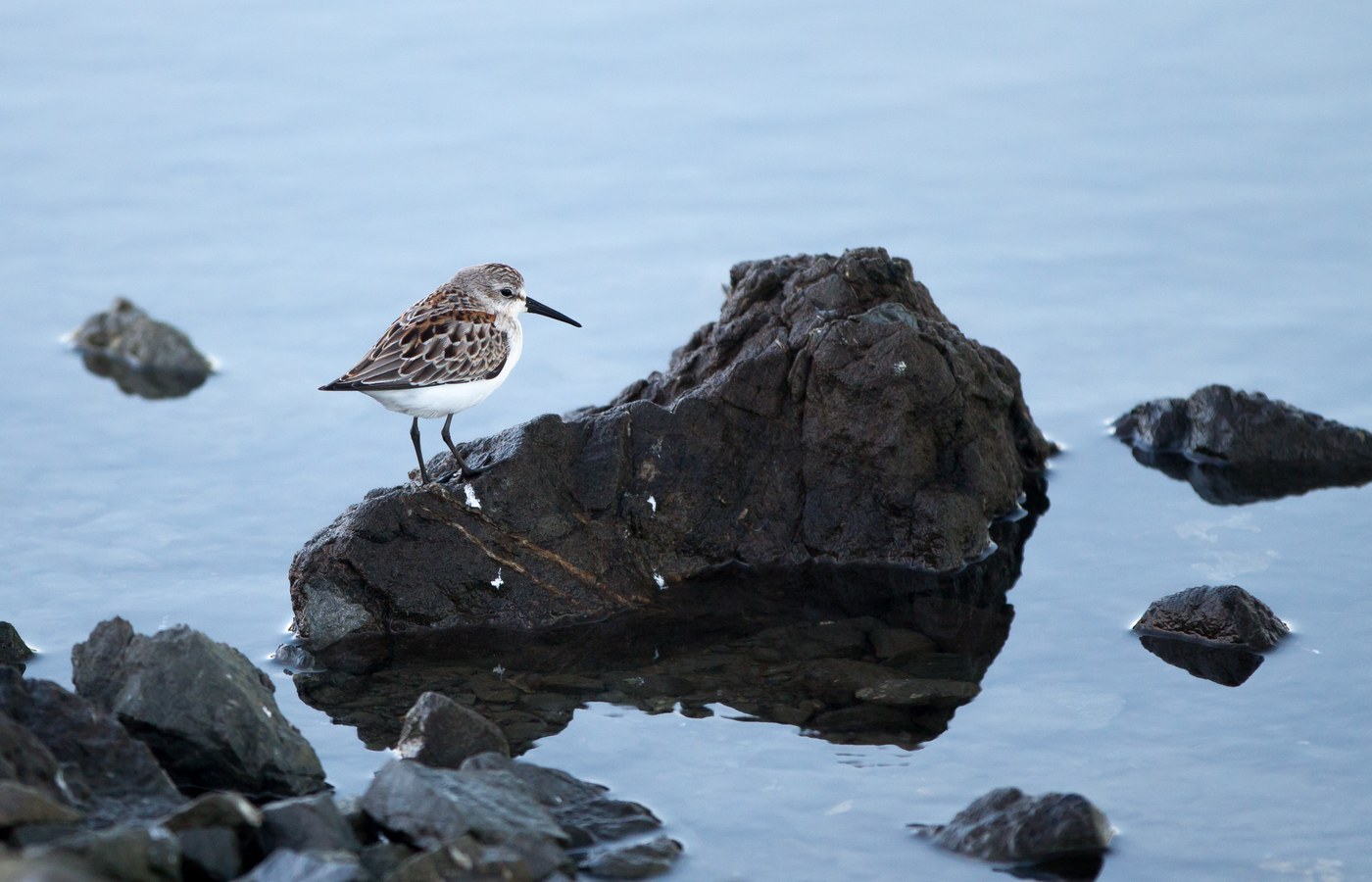
Western Sandpiper
Calidris mauri
A tiny, abundant sandpiper with a longer, slightly drooped bill than its similar peep relatives, forming vast flocks at key coastal stopover sites.
- Size
- 14-17 cm (5.5-6.7 in) long, 28-37 cm wingspan
- Habitat
- coastal mudflats and estuaries, breeding on western Alaskan tundra
- Type
- shorebird
Spotted a bird like this?
Identify any bird from a photo, free.
Overview
The Western Sandpiper is one of the most numerous small shorebirds in North America, part of the group known informally as "peeps" for their diminutive size and superficial similarity to one another.
In breeding plumage, it shows rufous tones on the crown and scapulars, with dark chevron-shaped markings along the flanks. Nonbreeding birds are plain gray-brown above and white below, much like other peeps. The bill is a key identification feature — noticeably longer and finer than that of the very similar Semipalmated Sandpiper, with a slight downward droop near the tip.
Western Sandpipers migrate in enormous numbers, with key staging areas hosting hundreds of thousands of birds at a time.
How to identify it
Key field marks
- Longer, thinner bill with a slight downward droop, longer on average than Semipalmated Sandpiper
- Rufous tones on crown and scapulars in breeding plumage
- Dark chevron markings along the flanks in breeding plumage
- Black legs
- Small, compact "peep" size
Similar species
- Semipalmated Sandpiper: shorter, straighter, stubbier bill, less rufous overall, and only partial toe webbing shared by both species (not a distinguishing feature in the field).
- Least Sandpiper: smaller, browner, with yellowish-green (not black) legs.
- Dunlin: notably larger with a longer, more strongly drooped bill.
Habitat & range
Habitat
Western Sandpipers favor open coastal mudflats, estuaries, and tidal flats, where they feed in dense, mixed flocks with other small shorebirds.
Range and migration
They breed on tundra in western Alaska and easternmost Siberia. During migration, enormous concentrations gather at key stopover sites such as the Copper River Delta in Alaska and the Fraser River estuary in British Columbia, before continuing on to wintering grounds along Pacific, Gulf, and Atlantic coasts from the southern United States to South America.
Behavior & voice
Behavior
Western Sandpipers are highly gregarious, forming some of the largest shorebird flocks in North America during migration, often mixing with Semipalmated and Least Sandpipers and other small waders.
Voice
The flight call is a thin, high-pitched "jeet" or "cheet," typical of the peep group but slightly more strident than that of the Semipalmated Sandpiper.
Feeding
They probe rapidly in soft mud for small invertebrates, including insects and marine worms, often wading in shallow water at the tide's edge.
Nesting and breeding
Pairs nest on the ground on Arctic tundra, in a shallow scrape lined with lichen and leaves; the female typically lays four eggs, and both parents assist with incubation before the female often departs early, leaving the male to tend the young.
Frequently asked questions
How do you tell a Western Sandpiper from a Semipalmated Sandpiper?
Western Sandpiper has a noticeably longer, thinner bill with a slight droop near the tip, plus more rufous tones in breeding plumage, while Semipalmated Sandpiper has a shorter, straighter, stubbier bill.
Where do Western Sandpipers breed?
On tundra in western Alaska and the easternmost tip of Siberia.
Why are Western Sandpipers important at places like the Copper River Delta?
They gather there in enormous numbers during migration to refuel on abundant invertebrates before continuing their journey to breeding or wintering grounds.
What do Western Sandpipers eat?
Small invertebrates such as insects and marine worms, probed rapidly from soft coastal mud.
What is a 'peep'?
"Peep" is a birder's informal term for the group of very small, similar-looking sandpipers in the genus Calidris, including Western, Semipalmated, and Least Sandpipers.
Western Sandpiper guides
In-depth guides for identifying, finding, and understanding Western Sandpiper.
Other birds you may enjoy
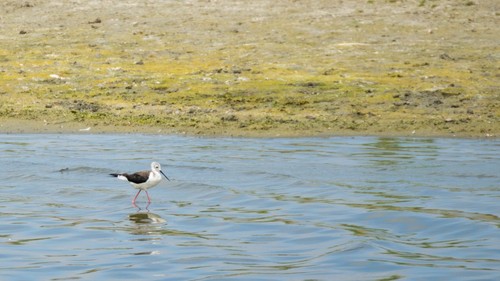
Black-winged Stilt
33-36 cm (13-14 in) long, wingspan 67-83 cm
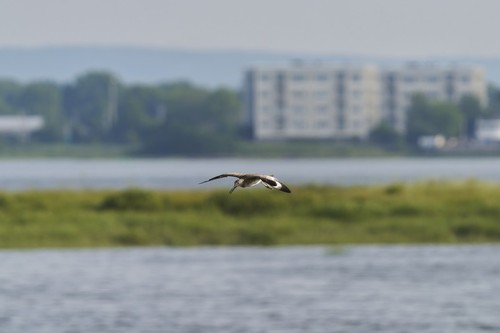
Willet
33-41 cm (13-16 in) long, 65-70 cm wingspan
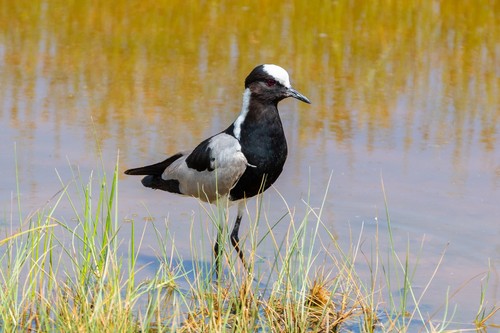
Blacksmith Lapwing
Body length about 30 cm; wingspan 55-65 cm
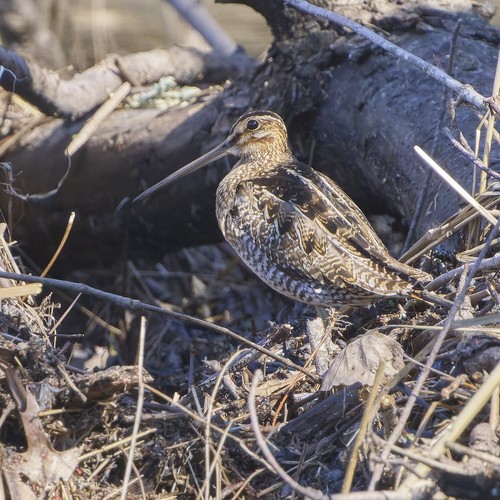
Wilson's Snipe
25-30 cm (10-12 in) long, 39-45 cm wingspan
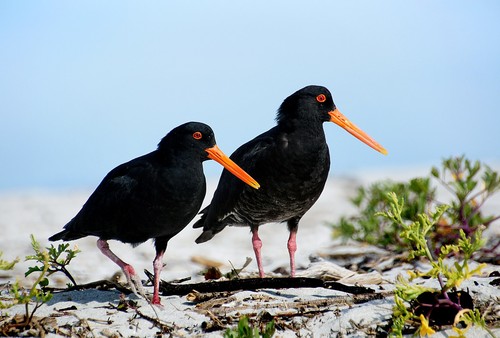
Variable Oystercatcher
46-49 cm (18-19 in) long
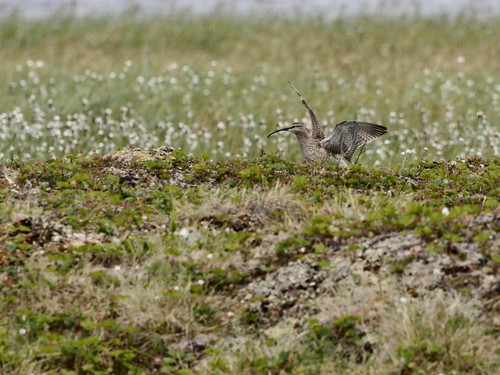
Whimbrel
40-46 cm (16-18 in) long, 76-89 cm wingspan
Wilson's Phalarope
22-24 cm (8.5-9.5 in) long, 37-43 cm wingspan
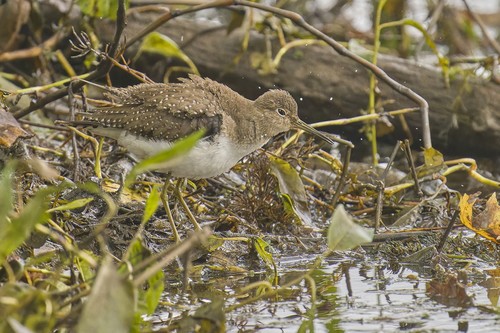
Solitary Sandpiper
19-23 cm (7.5-9 in) long, 50-56 cm wingspan
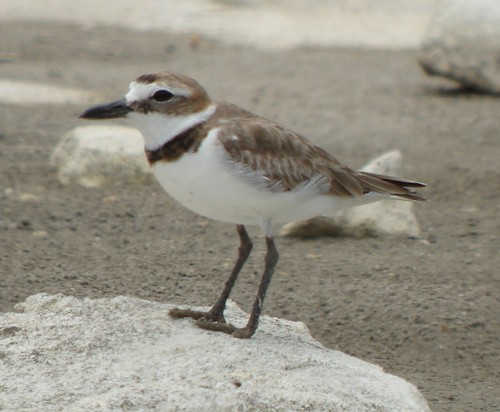
Wilson's Plover
17-19 cm (6.7-7.5 in) long, 45-50 cm wingspan
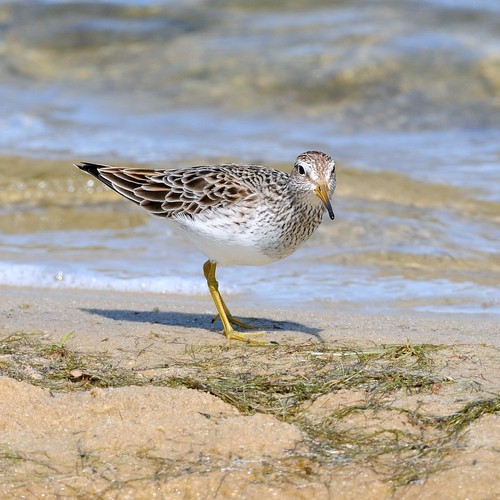
Pectoral Sandpiper
19-23 cm (7.5-9 in) long, 43-49 cm wingspan
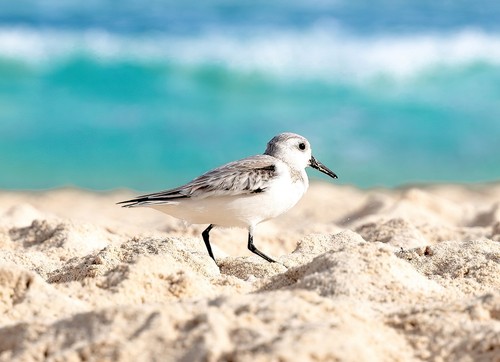
Sanderling
18-20 cm (7-8 in) long, 40-43 cm wingspan
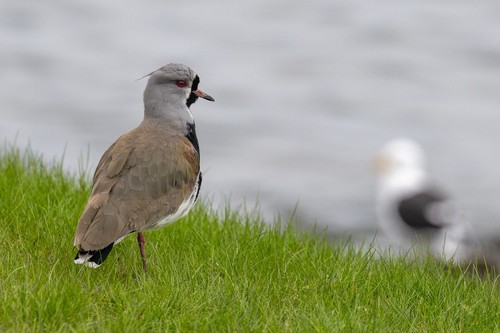
Southern Lapwing
32-38 cm (12.5-15 in) long, 70-80 cm wingspan