
Willet
Tringa semipalmata
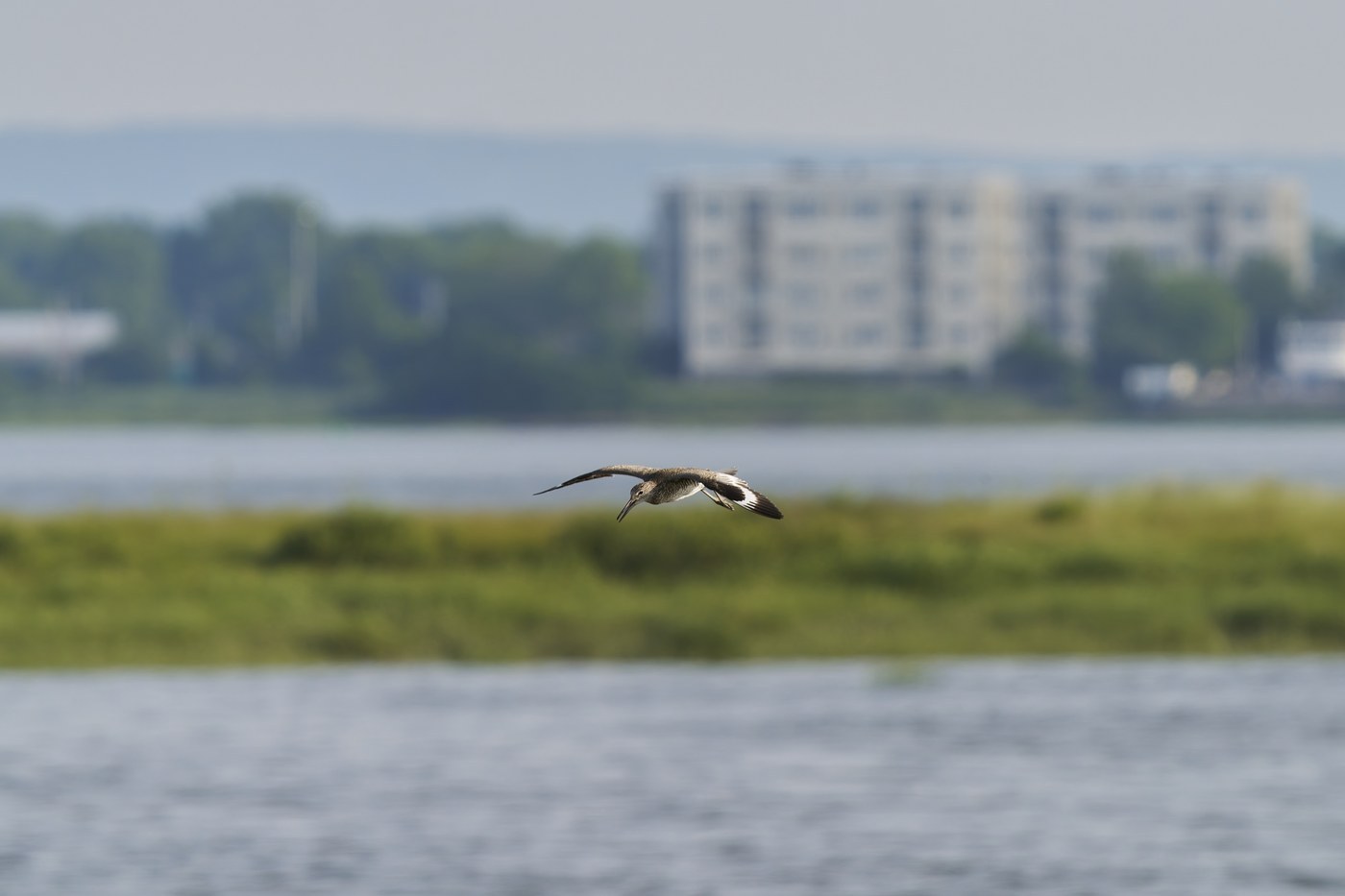
A plain gray-brown sandpiper that transforms in flight, flashing a bold black-and-white wing pattern unlike any other North American shorebird.
- Size
- 33-41 cm (13-16 in) long, 65-70 cm wingspan
- Habitat
- coastal marshes and beaches; inland prairie wetlands (breeding, western populations)
- Type
- shorebird
Spotted a bird like this?
Identify any bird from a photo, free.
Overview
The Willet is a large, stocky sandpiper that looks rather plain and unremarkable at rest—gray-brown above, paler below, with a straight, stout bill and blue-gray legs. In flight, however, it is utterly transformed, revealing a bold, striking black-and-white wing pattern that makes it instantly identifiable even at a distance.
Two subspecies are recognized: the eastern Willet, which breeds in coastal salt marshes along the Atlantic and Gulf coasts, and the western Willet, which breeds in freshwater prairie wetlands of the interior and is somewhat larger, paler, and longer-billed.
Its loud, ringing calls are a familiar and territorial sound of both prairie wetlands and coastal marshes during the breeding season.
How to identify it
Key field marks
- Plain gray-brown upperparts at rest, straight stout bill, blue-gray legs
- Bold black-and-white wing pattern revealed only in flight—diagnostic
- Large, robust sandpiper shape
Similar species
- Greater Yellowlegs has bright yellow legs and lacks the black-and-white flight pattern.
- At rest, the Willet can look nondescript and is best confirmed by flushing it to see the wing pattern.
Habitat & range
Eastern Willets breed in coastal salt marshes along the Atlantic and Gulf coasts of the United States and the Caribbean, while western Willets breed inland in freshwater prairie marshes and wet grasslands of the north-central United States and south-central Canada.
Outside the breeding season, both subspecies winter along coastal beaches, mudflats, and estuaries from the southern United States through Central America to South America.
Behavior & voice
Voice
A loud, ringing, oft-repeated pill-will-willet call, from which the species gets its name, along with sharp alarm notes given when defending territory.
Feeding
Forages by probing and picking in mud, sand, and shallow water for insects, crustaceans, mollusks, and small fish; often wades belly-deep while feeding.
Nesting
Nests on the ground in a shallow, grass-lined scrape hidden among marsh or prairie vegetation. Both parents share incubation and are highly territorial and vocal, often calling loudly and flying at intruders near the nest.
Frequently asked questions
Why is the Willet hard to identify at rest?
At rest it looks like a plain gray-brown sandpiper with no obvious field marks, but in flight it reveals a bold black-and-white wing pattern that is unmistakable.
What is the difference between eastern and western Willets?
Eastern Willets breed in coastal salt marshes and are smaller and darker, while western Willets breed in inland prairie wetlands and are larger, paler, and longer-billed.
What does the Willet's call sound like?
A loud, ringing pill-will-willet, which gives the species its name.
What does a Willet eat?
Insects, crustaceans, mollusks, and small fish, foraged from mud, sand, and shallow water.
Willet guides
In-depth guides for identifying, finding, and understanding Willet.
Other birds you may enjoy
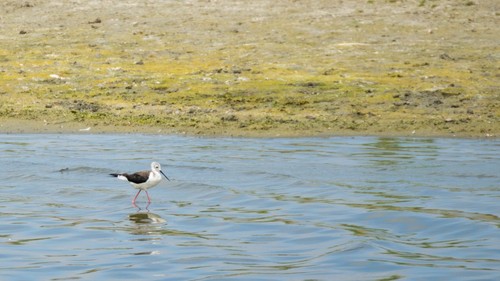
Black-winged Stilt
33-36 cm (13-14 in) long, wingspan 67-83 cm
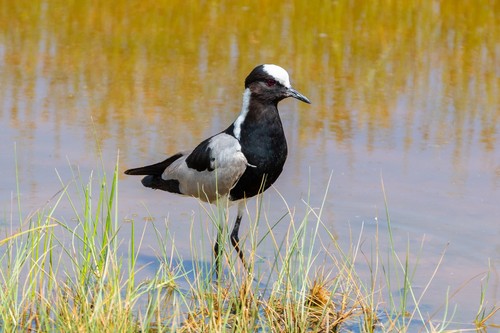
Blacksmith Lapwing
Body length about 30 cm; wingspan 55-65 cm
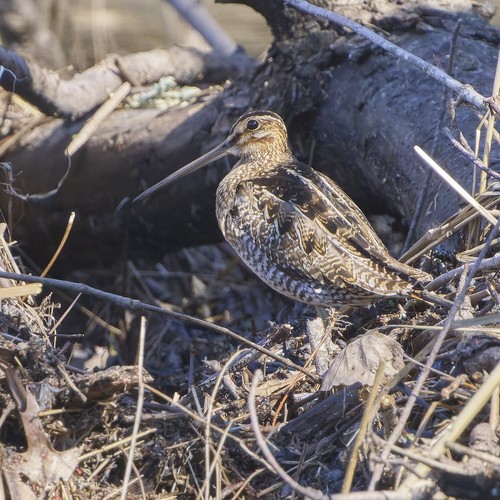
Wilson's Snipe
25-30 cm (10-12 in) long, 39-45 cm wingspan
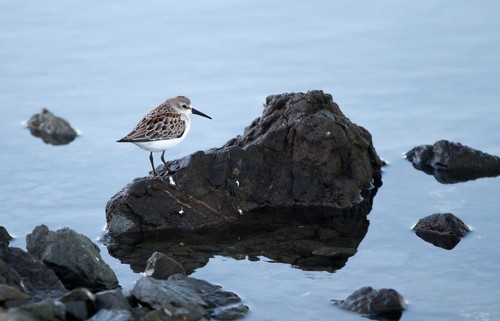
Western Sandpiper
14-17 cm (5.5-6.7 in) long, 28-37 cm wingspan
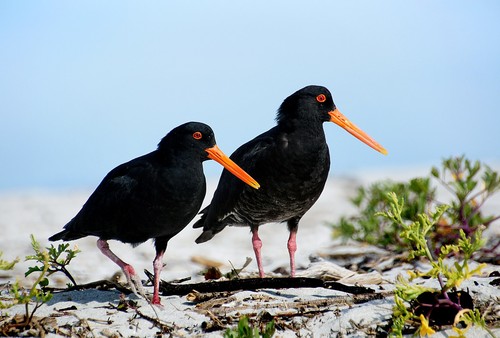
Variable Oystercatcher
46-49 cm (18-19 in) long
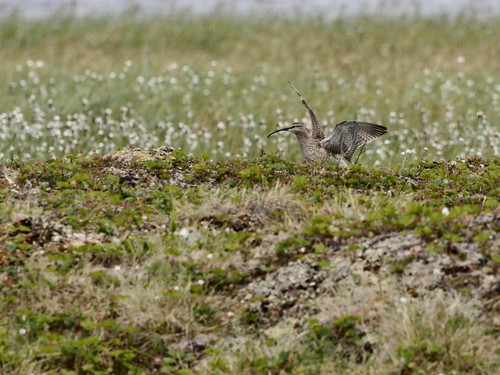
Whimbrel
40-46 cm (16-18 in) long, 76-89 cm wingspan
Wilson's Phalarope
22-24 cm (8.5-9.5 in) long, 37-43 cm wingspan
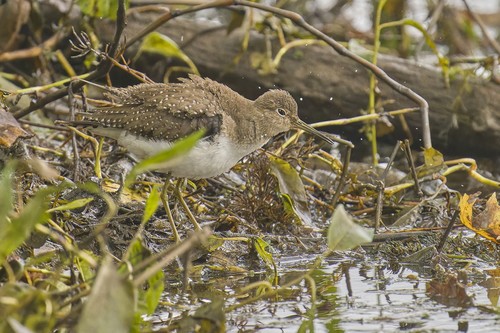
Solitary Sandpiper
19-23 cm (7.5-9 in) long, 50-56 cm wingspan
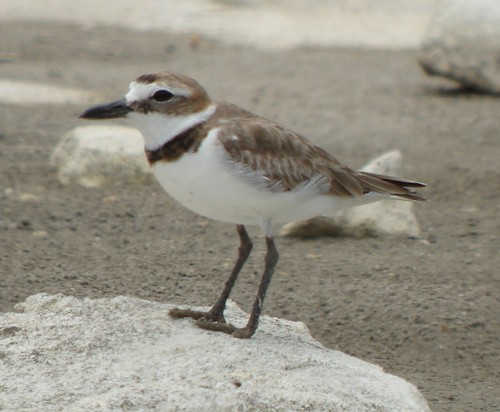
Wilson's Plover
17-19 cm (6.7-7.5 in) long, 45-50 cm wingspan
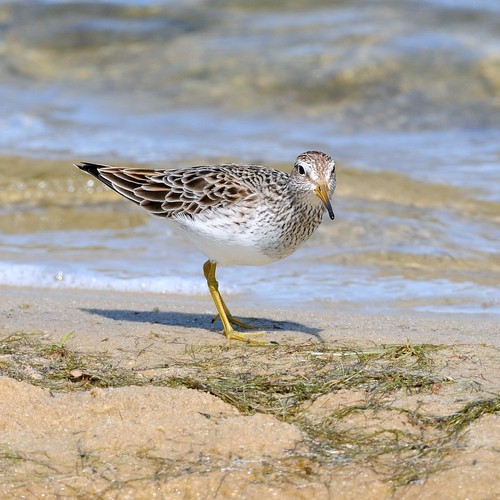
Pectoral Sandpiper
19-23 cm (7.5-9 in) long, 43-49 cm wingspan
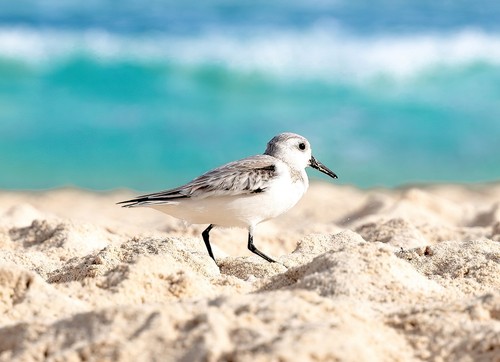
Sanderling
18-20 cm (7-8 in) long, 40-43 cm wingspan
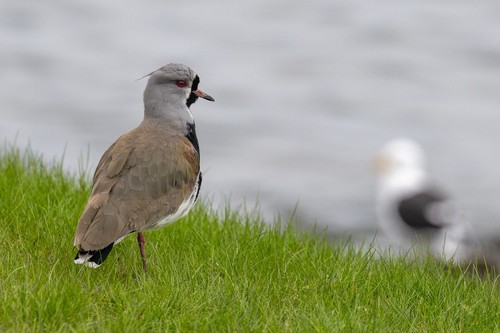
Southern Lapwing
32-38 cm (12.5-15 in) long, 70-80 cm wingspan