
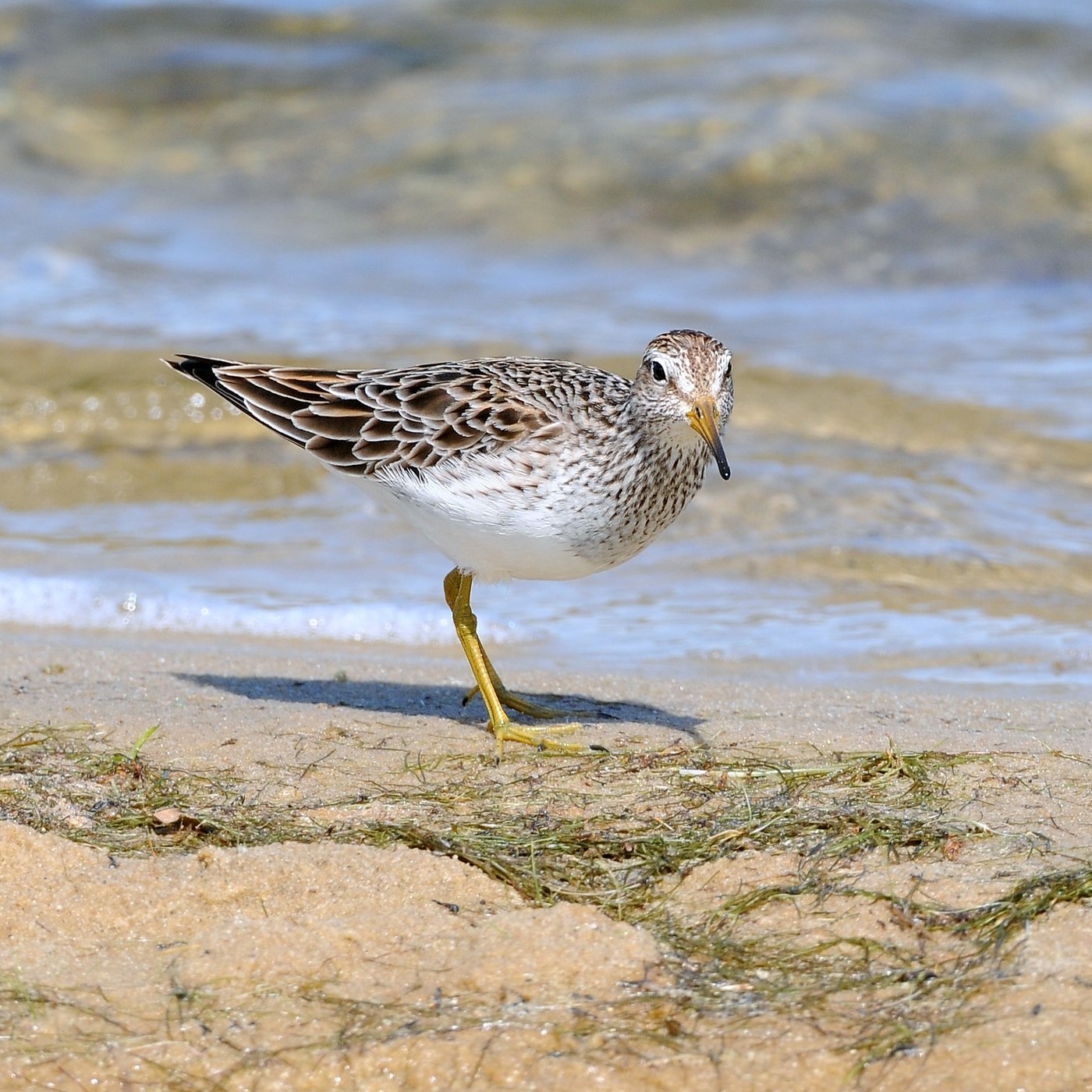
Pectoral Sandpiper
Calidris melanotos
A medium-sized, long-necked sandpiper with a sharply demarcated streaked breast band, favoring wet grassy meadows over open mudflats.
- Size
- 19-23 cm (7.5-9 in) long, 43-49 cm wingspan
- Habitat
- wet grassy meadows, flooded fields, and marsh edges
- Type
- shorebird
Spotted a bird like this?
Identify any bird from a photo, free.
Overview
The Pectoral Sandpiper is a medium-sized shorebird notable for its long neck and upright stance, giving it a somewhat more elegant profile than many of its stockier relatives. Its name refers to the dense streaking on its breast, which ends abruptly in a sharp line against the clean white belly — resembling a distinct bib or "pectoral" patch.
Upperparts are brown, streaked and edged with buff and rufous tones, and the legs are a soft yellowish-green. The bill is medium length, slightly drooped, with a dark tip and paler base.
During the breeding season, males develop an inflatable throat sac used in dramatic courtship displays on the Arctic tundra.
How to identify it
Key field marks
- Dense brown streaking on the breast that ends in a sharp, clean line against the white belly
- Longer neck and more upright posture than most sandpipers
- Yellowish-green legs
- Medium-length, slightly drooped bill with a dark tip
- Brown, streaked upperparts with buff and rufous edging
Similar species
- Sharp-tailed Sandpiper (rare vagrant from Asia): more rufous crown, breast streaking fades gradually rather than ending in a sharp line.
- Least Sandpiper: much smaller, lacks the sharply demarcated breast band.
- Baird's Sandpiper: buffier overall, longer wings extending past the tail, lacks the bold breast demarcation.
Habitat & range
Habitat
Pectoral Sandpipers favor wet, grassy habitats such as flooded fields, sedge meadows, and marsh edges rather than open mudflats or sandy beaches, setting them apart from many other sandpipers.
Range and migration
They breed on Arctic tundra across Siberia and North America. Most birds migrate long distances to winter primarily in South America, with the North American breeding population undertaking one of the longest migrations of any bird by proportion of body size, and the species occurs as a scarce but regular vagrant in Australia and New Zealand.
Behavior & voice
Behavior
During the breeding season, male Pectoral Sandpipers perform elaborate courtship displays, inflating an air sac in the throat and chest to produce a deep, hooting sound while flying low over the tundra to attract mates — a highly unusual display among shorebirds.
Voice
Outside the display, calls include a low, reedy "churk" or "trrp," typically given when flushed.
Feeding
They forage by walking through wet grass and shallow water, picking and probing for insects, seeds, and small invertebrates, often more methodically than the frantic pecking of smaller peeps.
Nesting and breeding
Males are polygynous, mating with multiple females and taking no part in incubation or chick-rearing; females alone incubate the eggs in a ground nest and tend the precocial young.
Frequently asked questions
Why is it called the Pectoral Sandpiper?
Its name refers to the dense streaking across the breast, which ends abruptly in a sharp line against the clean white belly, resembling a distinct pectoral bib.
What habitat do Pectoral Sandpipers prefer?
Wet, grassy habitats such as flooded fields and sedge meadows, rather than open mudflats or sandy beaches.
How do male Pectoral Sandpipers attract mates?
They inflate an air sac in the throat and chest to produce a deep hooting sound during low display flights over the breeding tundra.
Where do Pectoral Sandpipers breed and winter?
They breed on Arctic tundra in Siberia and North America and winter mainly in South America, migrating very long distances.
What do Pectoral Sandpipers eat?
Insects, seeds, and small invertebrates, gathered by walking and probing through wet grass and shallow water.
Pectoral Sandpiper guides
In-depth guides for identifying, finding, and understanding Pectoral Sandpiper.
Other birds you may enjoy
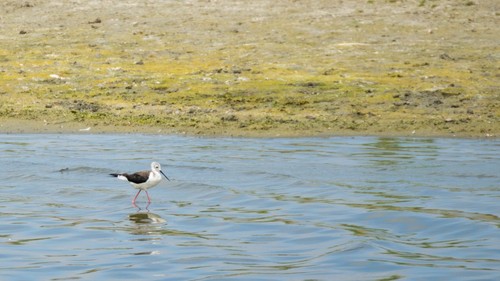
Black-winged Stilt
33-36 cm (13-14 in) long, wingspan 67-83 cm
Willet
33-41 cm (13-16 in) long, 65-70 cm wingspan
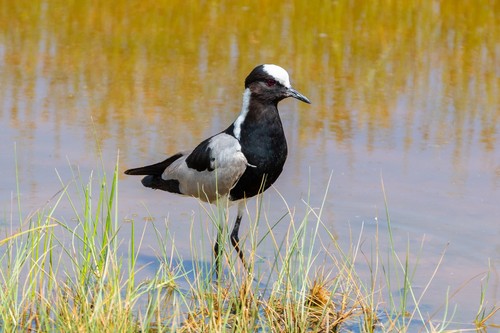
Blacksmith Lapwing
Body length about 30 cm; wingspan 55-65 cm
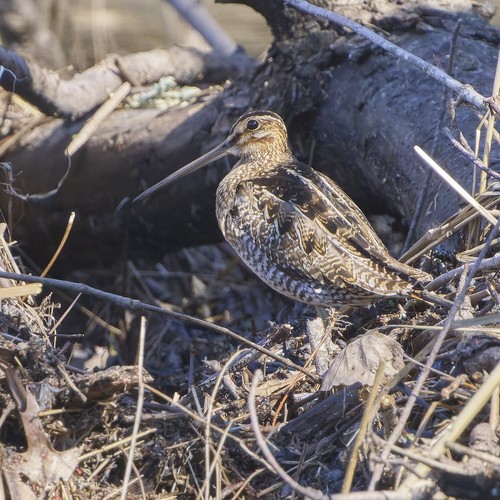
Wilson's Snipe
25-30 cm (10-12 in) long, 39-45 cm wingspan
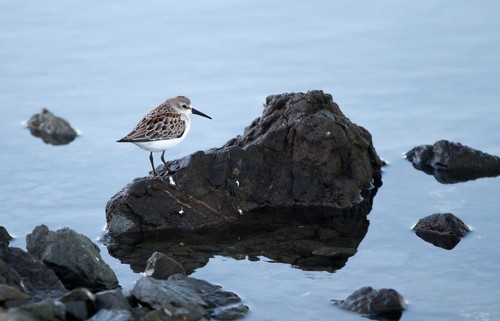
Western Sandpiper
14-17 cm (5.5-6.7 in) long, 28-37 cm wingspan
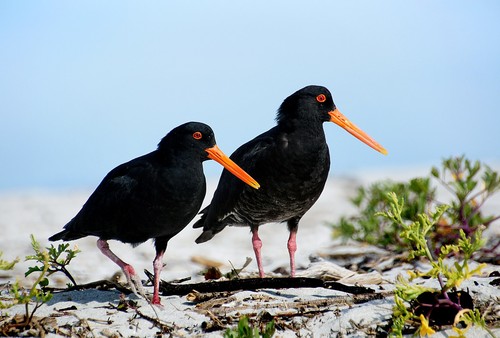
Variable Oystercatcher
46-49 cm (18-19 in) long
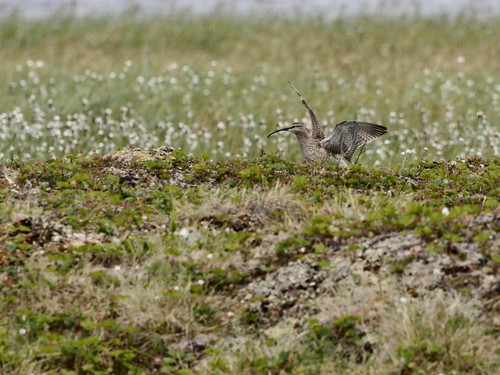
Whimbrel
40-46 cm (16-18 in) long, 76-89 cm wingspan
Wilson's Phalarope
22-24 cm (8.5-9.5 in) long, 37-43 cm wingspan
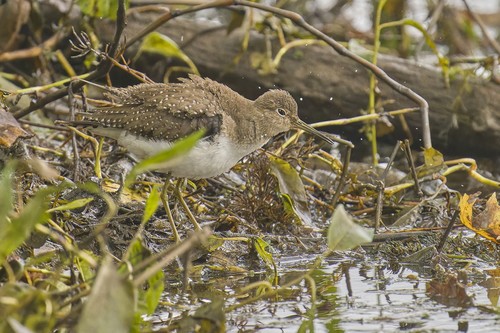
Solitary Sandpiper
19-23 cm (7.5-9 in) long, 50-56 cm wingspan
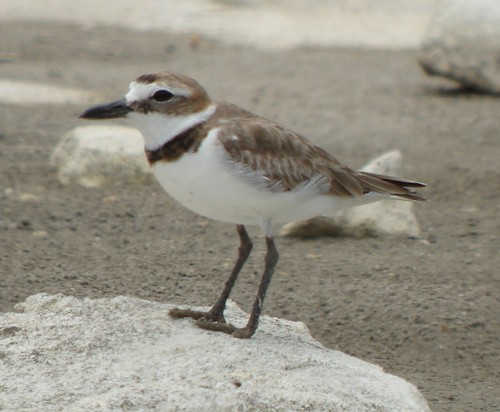
Wilson's Plover
17-19 cm (6.7-7.5 in) long, 45-50 cm wingspan
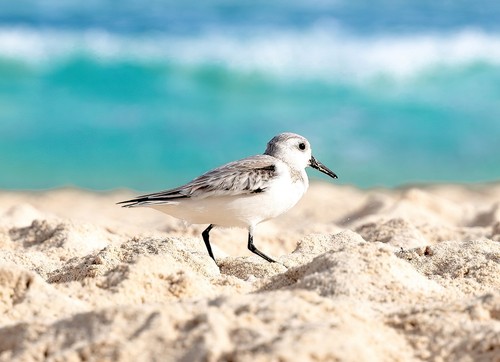
Sanderling
18-20 cm (7-8 in) long, 40-43 cm wingspan
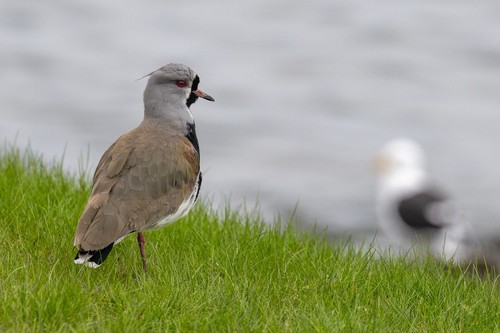
Southern Lapwing
32-38 cm (12.5-15 in) long, 70-80 cm wingspan