
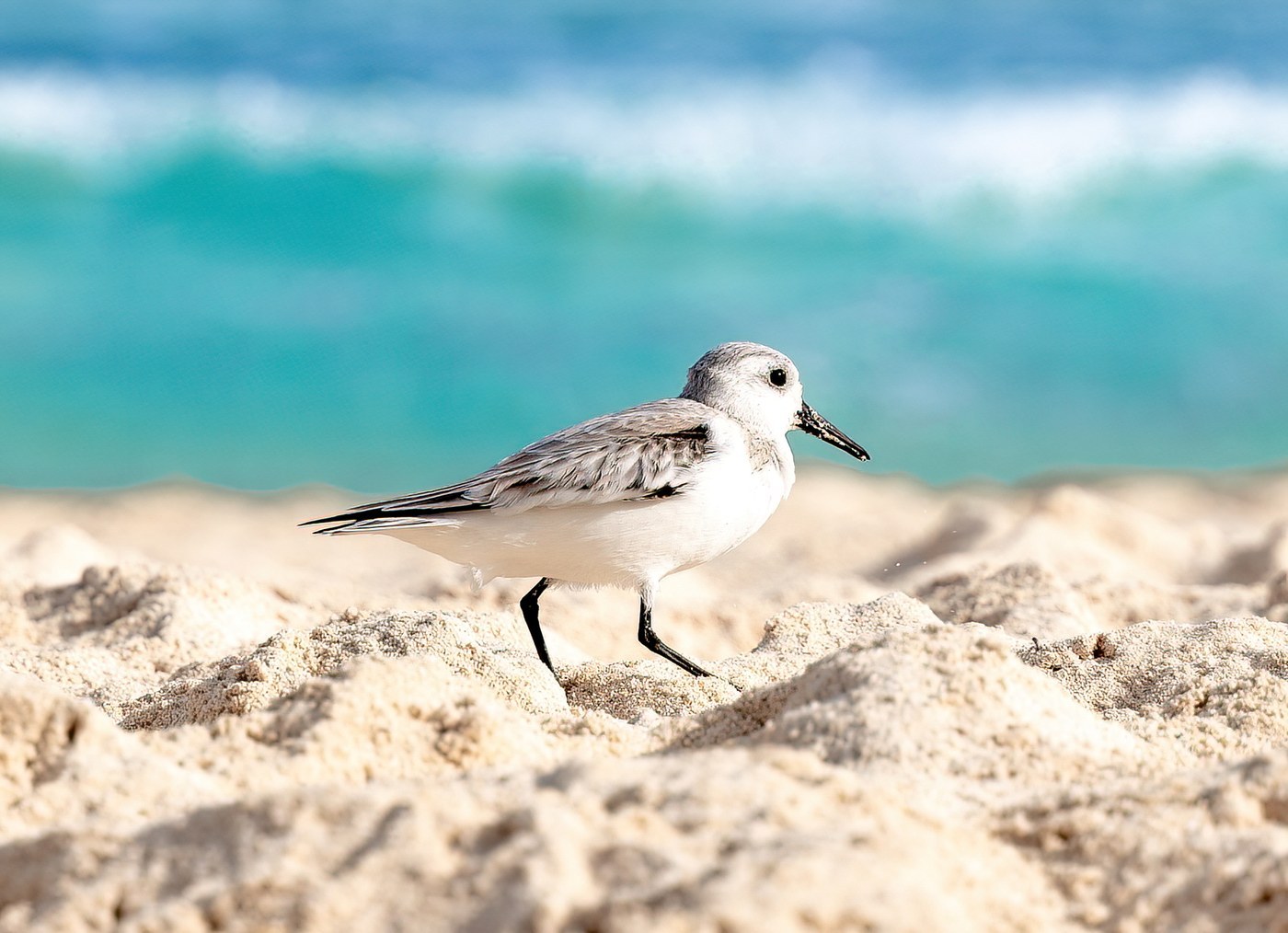
Sanderling
Calidris alba
The pale, plump little sandpiper that chases retreating waves on sandy beaches worldwide, running like a wind-up toy to snatch food from the wet sand.
- Size
- 18-20 cm (7-8 in) long, 40-43 cm wingspan
- Habitat
- sandy ocean beaches, breeding on high Arctic tundra
- Type
- shorebird
Spotted a bird like this?
Identify any bird from a photo, free.
Overview
The Sanderling is one of the most familiar shorebirds to anyone who has walked a sandy beach, instantly recognizable by its habit of scurrying along the swash zone in tight little groups, always just ahead of the incoming waves.
In nonbreeding plumage it is the palest of all sandpipers — pale gray above and clean white below, with a black bill, black legs, and a black shoulder patch. Breeding adults become mottled rufous and black on the head, neck, and upper back, though this bright plumage is less often seen away from the Arctic.
Unusually among sandpipers, the Sanderling lacks a hind toe, an adaptation thought to aid its distinctive fast running gait on sand.
How to identify it
Key field marks
- Palest of the small sandpipers in nonbreeding plumage: pale gray above, white below
- Black bill and black legs
- Lack of a hind toe (visible in close photographs, unlike other small sandpipers)
- Rufous-and-black mottled plumage on head and upperparts in breeding season
- Bold black wingstripe visible in flight
- Characteristic wave-chasing feeding behavior on open sandy beaches
Similar species
- Dunlin (nonbreeding): browner and grayer, with a longer, drooped bill, and does not chase waves in the same tight, mechanical fashion.
- Western Sandpiper / Semipalmated Sandpiper: smaller, browner overall, longer or shorter bills respectively, typically on mudflats rather than open sandy surf beaches.
Habitat & range
Habitat
Sanderlings are strongly associated with open, sandy ocean beaches, where they feed in the wave-wash zone, though they also use mudflats and lakeshores during migration.
Range and migration
They breed on high Arctic tundra in a circumpolar distribution, including the northernmost parts of North America, Greenland, and Siberia. After breeding, they undertake long migrations to winter on sandy beaches across nearly every continent, making the Sanderling one of the most widely distributed shorebirds in the world.
Behavior & voice
Behavior
Sanderlings feed by running rapidly back and forth with the rhythm of the waves, probing the wet sand exposed as each wave recedes and retreating just ahead of the next one — a highly energetic, almost comical feeding style.
Voice
Calls include a short, sharp "kip" or "twick," often given in flight or when flushed from a feeding flock.
Feeding
They feed primarily on small invertebrates exposed by wave action, including mole crabs (sand crabs), amphipods, and marine worms, probing rapidly with their short bills.
Nesting and breeding
Pairs nest on the ground on open Arctic tundra, often in gravelly or sparsely vegetated areas; the female may lay two clutches with different mates in a single season, an unusual breeding strategy among shorebirds.
Frequently asked questions
Why do Sanderlings run back and forth on the beach?
They are chasing the rhythm of the waves, probing wet sand exposed as each wave recedes for small invertebrates like mole crabs and amphipods, then retreating ahead of the next wave.
How can you recognize a Sanderling?
It is the palest small sandpiper on the beach — pale gray above and white below in winter, with a black bill and legs — and it lacks a hind toe, unlike most other sandpipers.
Where do Sanderlings breed?
On high Arctic tundra in a circumpolar range spanning northern North America, Greenland, and Siberia.
What does a Sanderling eat?
Small invertebrates exposed by wave action, especially mole crabs, amphipods, and marine worms.
Are Sanderlings social birds?
Yes, they typically feed and roost in tight little flocks along the beach, often moving in unison as the waves advance and retreat.
Sanderling guides
In-depth guides for identifying, finding, and understanding Sanderling.
Other birds you may enjoy
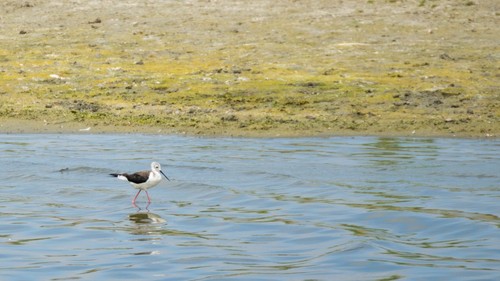
Black-winged Stilt
33-36 cm (13-14 in) long, wingspan 67-83 cm
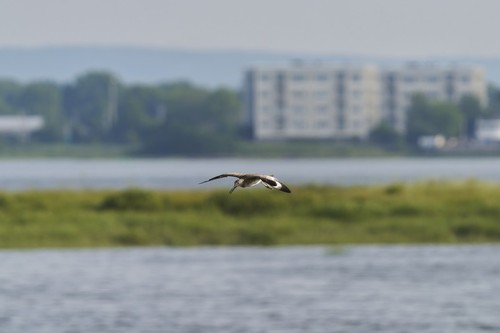
Willet
33-41 cm (13-16 in) long, 65-70 cm wingspan
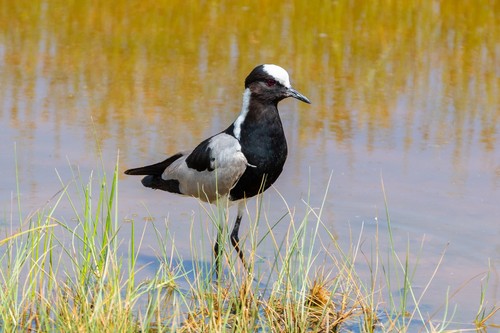
Blacksmith Lapwing
Body length about 30 cm; wingspan 55-65 cm
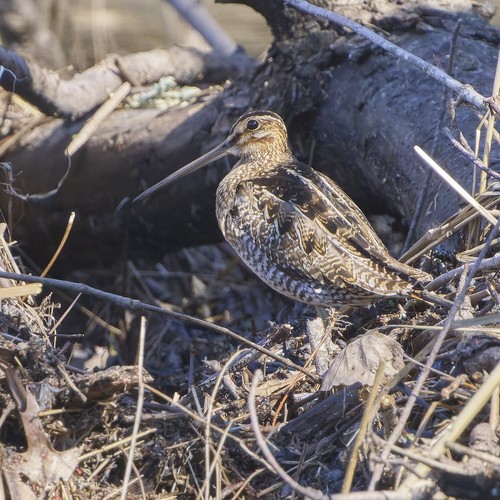
Wilson's Snipe
25-30 cm (10-12 in) long, 39-45 cm wingspan
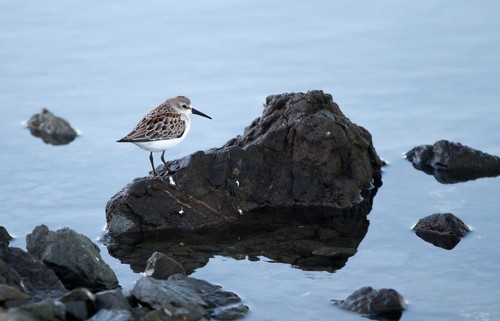
Western Sandpiper
14-17 cm (5.5-6.7 in) long, 28-37 cm wingspan
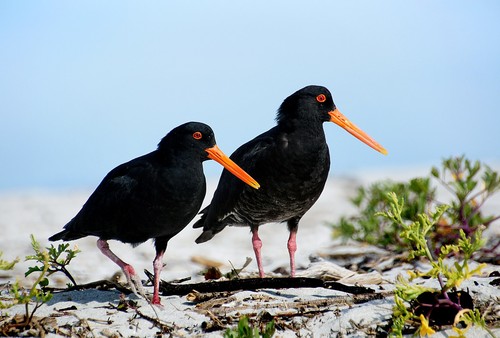
Variable Oystercatcher
46-49 cm (18-19 in) long
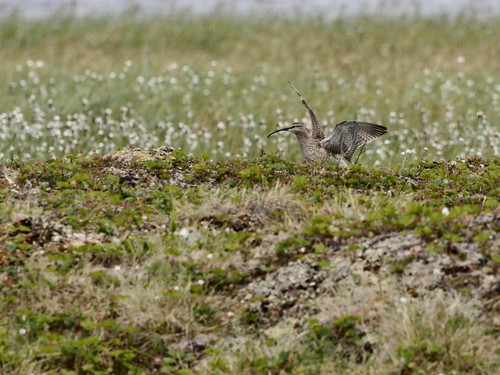
Whimbrel
40-46 cm (16-18 in) long, 76-89 cm wingspan
Wilson's Phalarope
22-24 cm (8.5-9.5 in) long, 37-43 cm wingspan
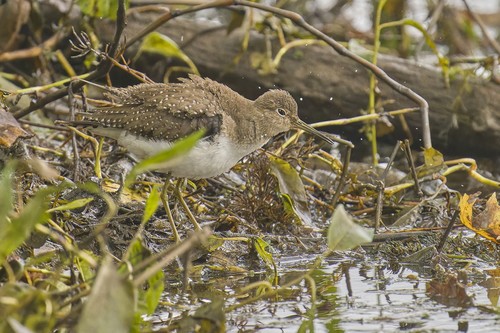
Solitary Sandpiper
19-23 cm (7.5-9 in) long, 50-56 cm wingspan
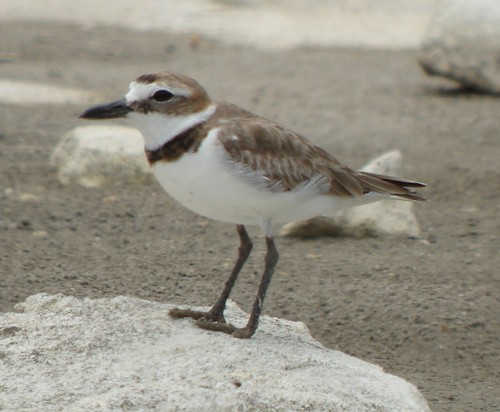
Wilson's Plover
17-19 cm (6.7-7.5 in) long, 45-50 cm wingspan
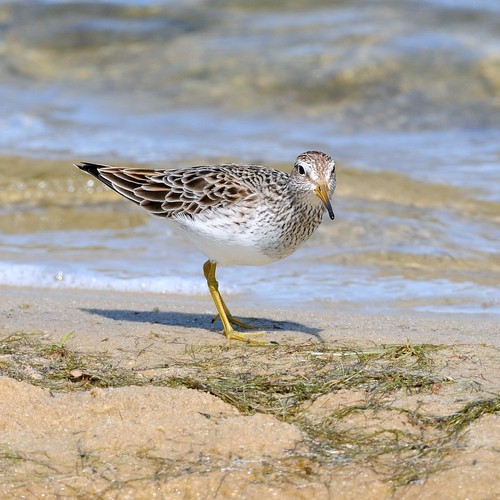
Pectoral Sandpiper
19-23 cm (7.5-9 in) long, 43-49 cm wingspan
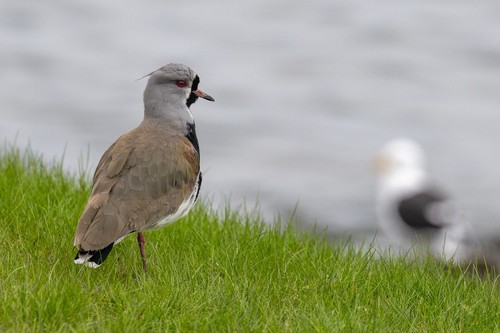
Southern Lapwing
32-38 cm (12.5-15 in) long, 70-80 cm wingspan