
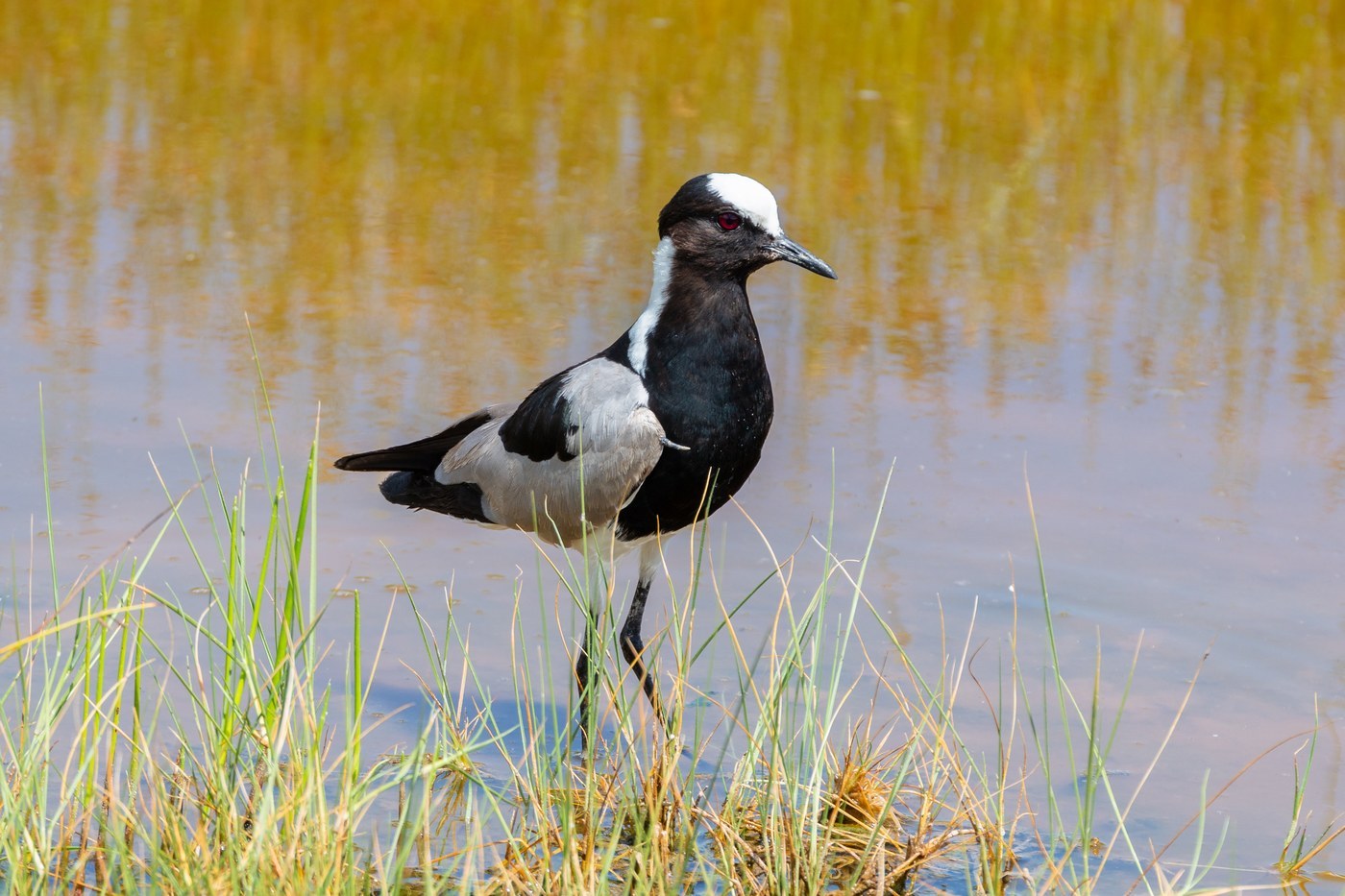
Blacksmith Lapwing
Vanellus armatus
The Blacksmith Lapwing is a striking black, white, and grey wetland plover named for its metallic "tink-tink" alarm call that resembles a blacksmith's hammer on an anvil.
- Size
- Body length about 30 cm; wingspan 55-65 cm
- Habitat
- Wetland margins, marshes, and grassland near water across sub-Saharan Africa
- Type
- shorebird
Spotted a bird like this?
Identify any bird from a photo, free.
Overview
The Blacksmith Lapwing is a bold, boldly patterned plover of African wetlands, one of the most conspicuous and noisy birds around water bodies where it occurs.
Appearance
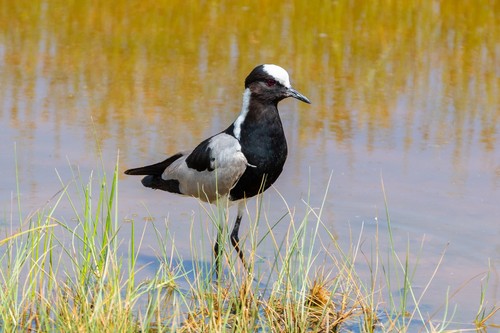
- Black crown, face, throat, and breast
- Contrasting white neck sides and belly
- Pale grey back and wing coverts
- Bright red eyes and black bill and legs
How to identify it
Key field marks
- Sharp black-and-white pattern on the head and underparts
- Pale grey mantle and wings
- Red eye and all-black bill and legs
Similar species
The Crowned Lapwing has a brown back, a black cap ringed with white, and lacks the solid black breast and face of the Blacksmith Lapwing, making the two easy to tell apart at a glance.
Habitat & range
Range
Widespread across sub-Saharan Africa, most common in eastern and southern regions.
Habitat
Frequents the margins of wetlands, marshes, dams, floodplains, and damp grassland or farmland near water.
Movement
Mostly resident with some local movements tracking water availability.
Behavior & voice
Behavior
Conspicuous and highly territorial, especially around nests, often seen standing sentinel near water.
Voice
Gives a loud, sharp, metallic "tink-tink-tink" alarm call that recalls a blacksmith striking an anvil, giving the species its name.
Feeding
Forages on the ground for insects and other invertebrates using a run-stop-peck technique.
Nesting and breeding
Nests in a simple scrape on bare ground near water; both parents aggressively mob and dive-bomb intruders, including large mammals, to defend the nest and chicks.
Frequently asked questions
Why is it called the Blacksmith Lapwing?
Its loud, metallic "tink-tink" alarm call sounds like a blacksmith hammering metal on an anvil.
How can I tell a Blacksmith Lapwing from a Crowned Lapwing?
The Blacksmith Lapwing has a black face and breast with a grey back, while the Crowned Lapwing has a brown back and a white-ringed black cap.
Where does the Blacksmith Lapwing live?
It is found near wetlands, marshes, and damp grassland throughout sub-Saharan Africa, especially in the east and south.
Is the Blacksmith Lapwing aggressive near its nest?
Yes, it is a very vocal and aggressive nest defender, mobbing intruders that approach its eggs or chicks.
Blacksmith Lapwing guides
In-depth guides for identifying, finding, and understanding Blacksmith Lapwing.
Other birds you may enjoy
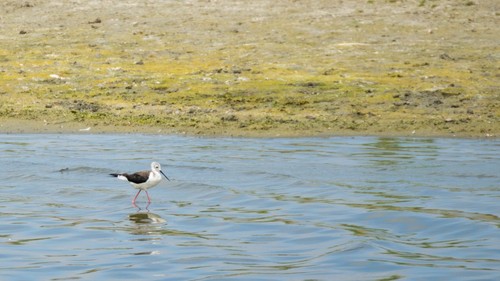
Black-winged Stilt
33-36 cm (13-14 in) long, wingspan 67-83 cm
Willet
33-41 cm (13-16 in) long, 65-70 cm wingspan
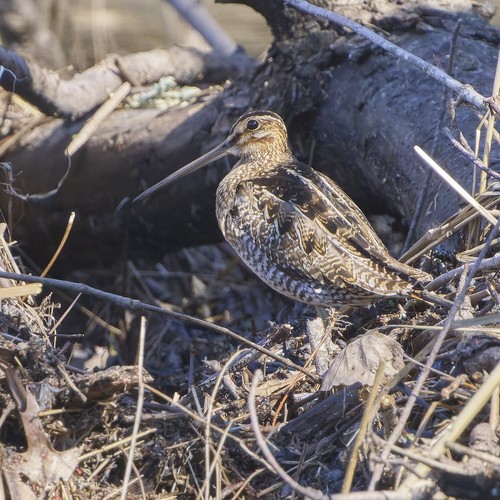
Wilson's Snipe
25-30 cm (10-12 in) long, 39-45 cm wingspan

Western Sandpiper
14-17 cm (5.5-6.7 in) long, 28-37 cm wingspan

Variable Oystercatcher
46-49 cm (18-19 in) long
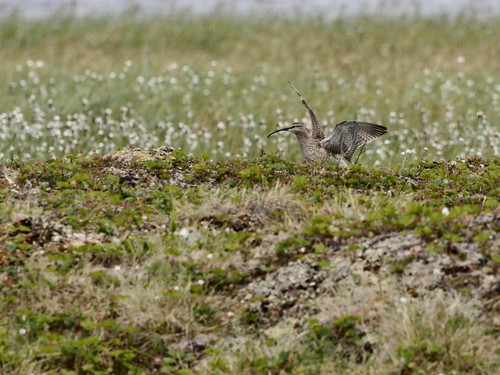
Whimbrel
40-46 cm (16-18 in) long, 76-89 cm wingspan
Wilson's Phalarope
22-24 cm (8.5-9.5 in) long, 37-43 cm wingspan
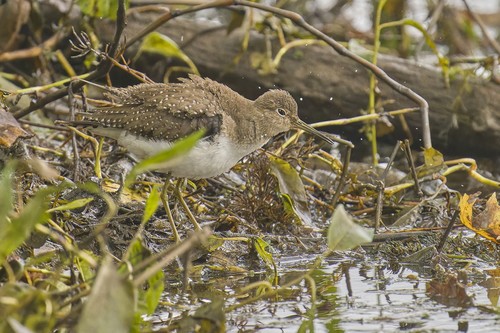
Solitary Sandpiper
19-23 cm (7.5-9 in) long, 50-56 cm wingspan
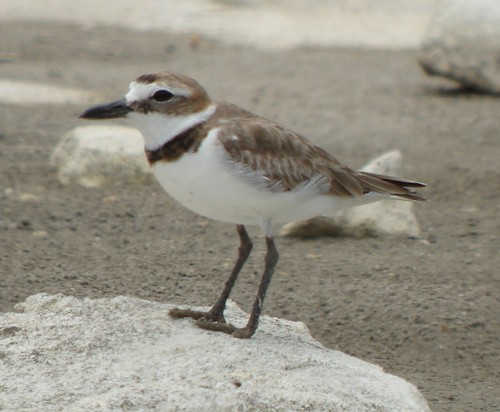
Wilson's Plover
17-19 cm (6.7-7.5 in) long, 45-50 cm wingspan
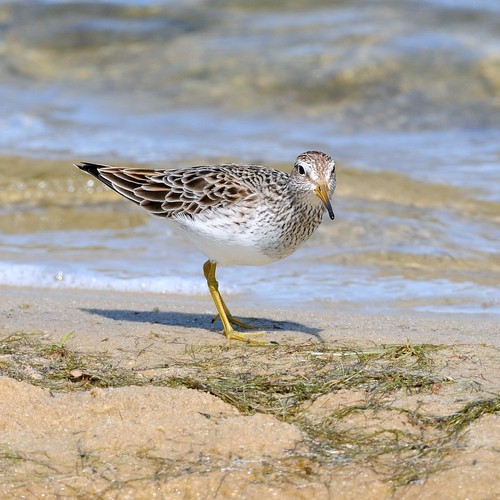
Pectoral Sandpiper
19-23 cm (7.5-9 in) long, 43-49 cm wingspan
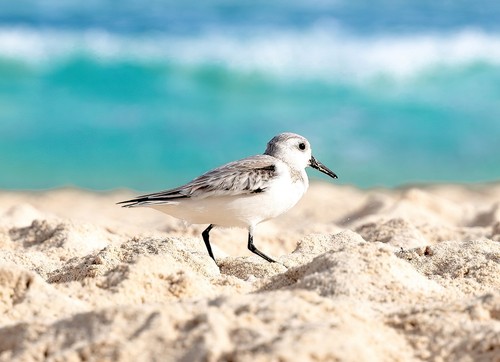
Sanderling
18-20 cm (7-8 in) long, 40-43 cm wingspan
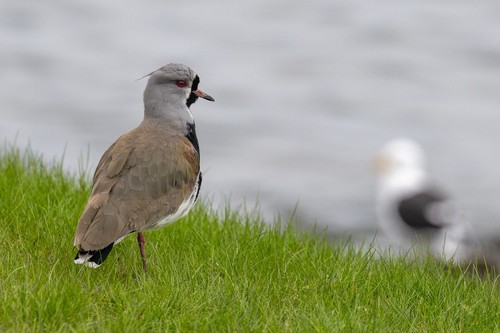
Southern Lapwing
32-38 cm (12.5-15 in) long, 70-80 cm wingspan