
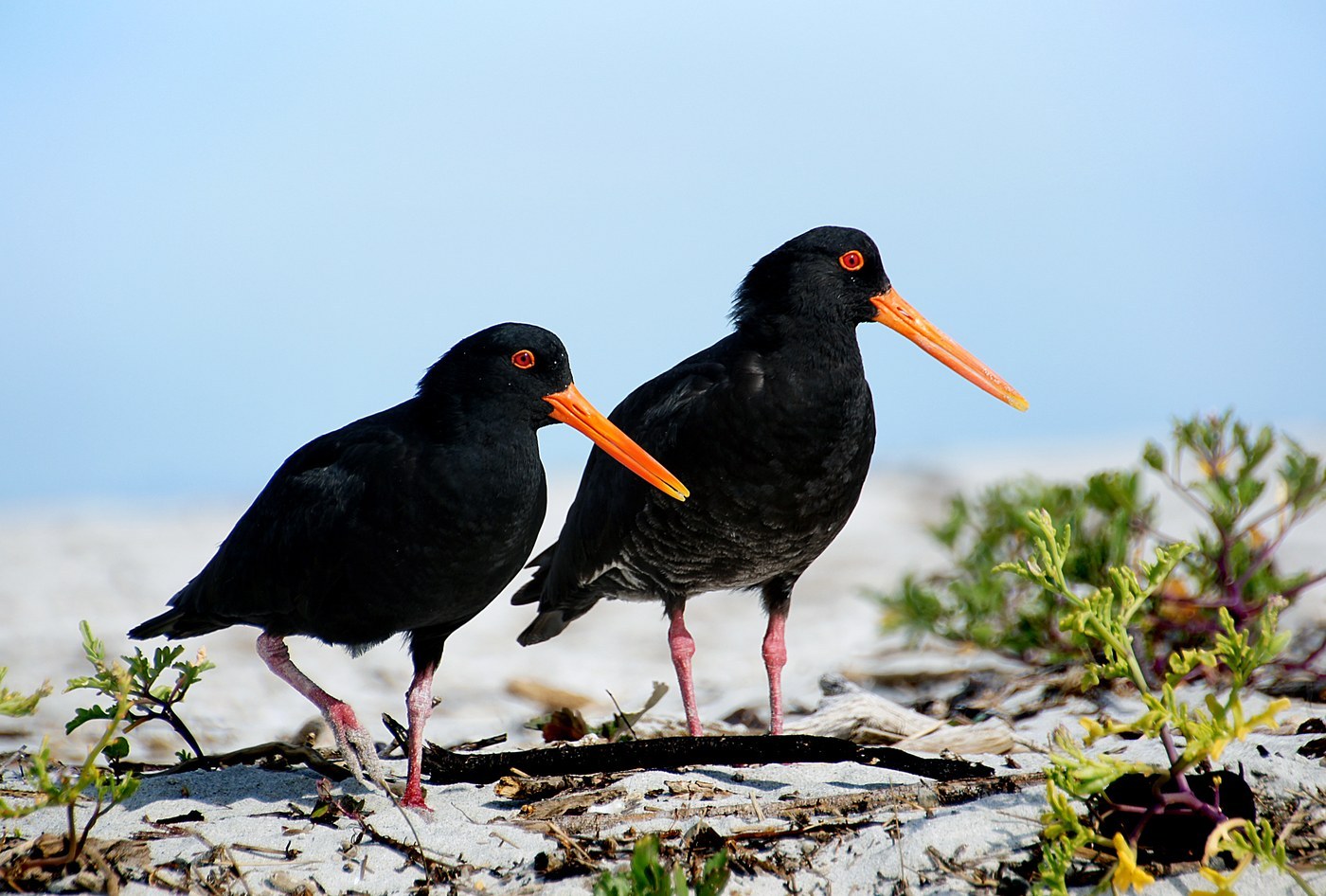
Variable Oystercatcher
Haematopus unicolor
A coastal New Zealand shorebird with a long, chisel-like orange-red bill, notable for its variable plumage ranging from fully black to a pied black-and-white form.
- Size
- 46-49 cm (18-19 in) long
- Habitat
- sandy and rocky coastlines, estuaries, and beaches around New Zealand
- Type
- shorebird
Spotted a bird like this?
Identify any bird from a photo, free.
Overview
The Variable Oystercatcher, torea pango in Maori, is a robust coastal shorebird endemic to New Zealand, named for the unusual variability in its plumage, which ranges across a spectrum from entirely sooty black to a strongly pied pattern with a white belly and breast patch, with many intermediate forms in between. All morphs share the same long, straight, laterally flattened orange-red bill and sturdy pink legs typical of oystercatchers.
It is most often seen singly or in pairs patrolling sandy beaches, rocky shorelines, and estuary flats, probing and hammering for shellfish and other invertebrates with its powerful bill. Pairs are strongly territorial along stretches of coastline and can be quite vocal and aggressive in defending nesting areas from intruders.
How to identify it
Key field marks
- Long, straight, laterally flattened orange-red bill
- Sturdy pink legs
- Plumage variable from all-black to pied (white belly and breast patch with black head, back, and wings)
- Red eye-ring and reddish-orange eye
- Stocky, heavy-bodied shorebird shape
Similar species
- South Island Pied Oystercatcher always shows the pied pattern (never the all-black form) and is generally slimmer-billed and found more often inland during breeding, unlike the Variable Oystercatcher's strictly coastal habits.
- All-black morphs of the Variable Oystercatcher can resemble the (Australian-breeding) Sooty Oystercatcher but that species does not occur in New Zealand, so an all-black oystercatcher on New Zealand coasts is safely identified as this species.
Habitat & range
Range
Endemic to New Zealand, breeding around the coastlines of the North Island, South Island, and Stewart Island/Rakiura.
Habitat
Strictly coastal, using sandy beaches, rocky shore platforms, shell banks, and estuarine mudflats for both feeding and nesting.
Migration
Mostly sedentary, with local movements between breeding territories and post-breeding flocking sites, sometimes gathering at favored estuaries outside the nesting season.
Behavior & voice
Behavior
Usually encountered singly, in pairs, or small loose groups, walking and probing along the shoreline; pairs defend nesting territories vigorously, chasing off intruding birds with loud calls and aggressive displays.
Voice
A loud, piercing "kleep" or "peep" call, often repeated in alarm or territorial disputes, along with softer contact notes between pair members.
Feeding
Uses its strong bill to pry open or hammer through the shells of mussels, cockles, and other shellfish, as well as probing sand and mud for worms and other invertebrates.
Nesting
Nests in a simple scrape on sand, shell, or shingle above the high-tide line, often with little added lining; both parents incubate the two to three eggs and defend the nest and chicks aggressively from predators and intruders.
Frequently asked questions
Why is it called the Variable Oystercatcher?
Because its plumage varies widely between individuals, ranging from entirely black to a strongly pied black-and-white pattern, with many intermediate combinations.
How do you tell a Variable Oystercatcher from a South Island Pied Oystercatcher?
The Variable Oystercatcher can occur in an all-black form (which the Pied Oystercatcher never shows) and is found strictly along the coast, while pied morphs are best told apart by bill shape, habitat, and range details.
What does the Variable Oystercatcher eat?
Mainly shellfish such as mussels and cockles, pried open or hammered with its strong bill, along with marine worms and other coastal invertebrates.
Is the Variable Oystercatcher only found in New Zealand?
Yes, it is endemic to New Zealand, breeding only along its coastlines.
Variable Oystercatcher guides
In-depth guides for identifying, finding, and understanding Variable Oystercatcher.
Other birds you may enjoy
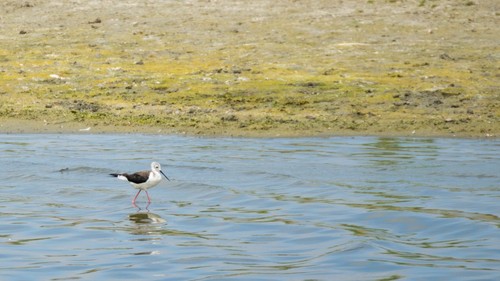
Black-winged Stilt
33-36 cm (13-14 in) long, wingspan 67-83 cm
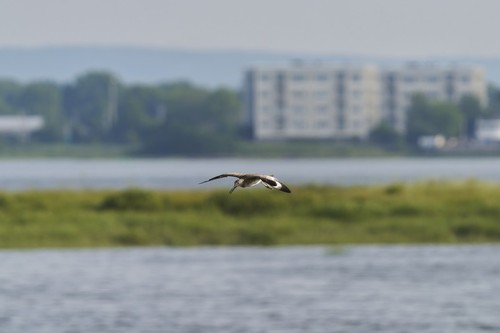
Willet
33-41 cm (13-16 in) long, 65-70 cm wingspan
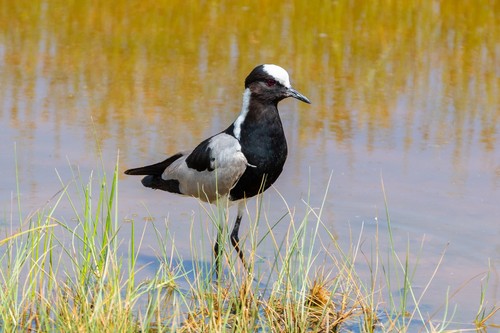
Blacksmith Lapwing
Body length about 30 cm; wingspan 55-65 cm
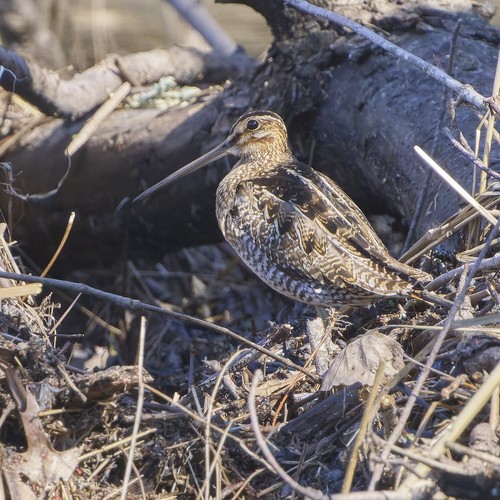
Wilson's Snipe
25-30 cm (10-12 in) long, 39-45 cm wingspan
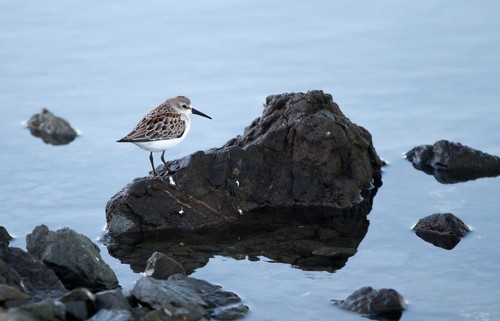
Western Sandpiper
14-17 cm (5.5-6.7 in) long, 28-37 cm wingspan
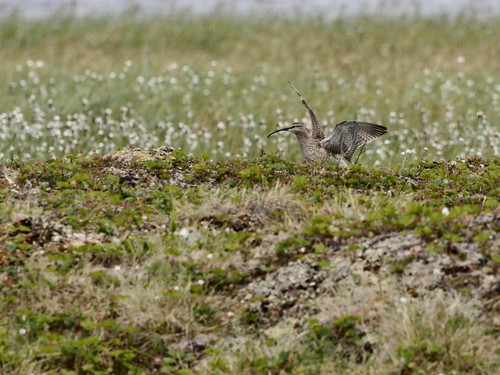
Whimbrel
40-46 cm (16-18 in) long, 76-89 cm wingspan
Wilson's Phalarope
22-24 cm (8.5-9.5 in) long, 37-43 cm wingspan
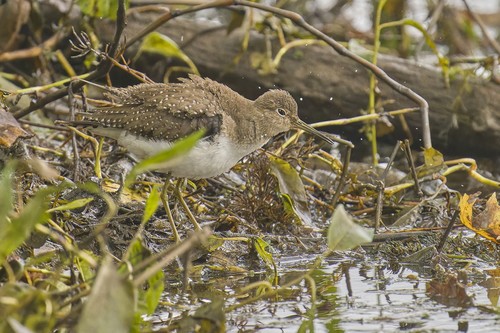
Solitary Sandpiper
19-23 cm (7.5-9 in) long, 50-56 cm wingspan
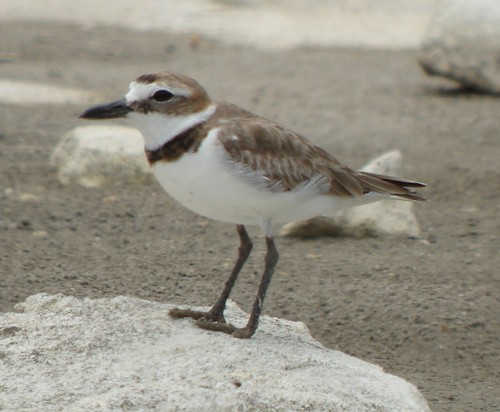
Wilson's Plover
17-19 cm (6.7-7.5 in) long, 45-50 cm wingspan
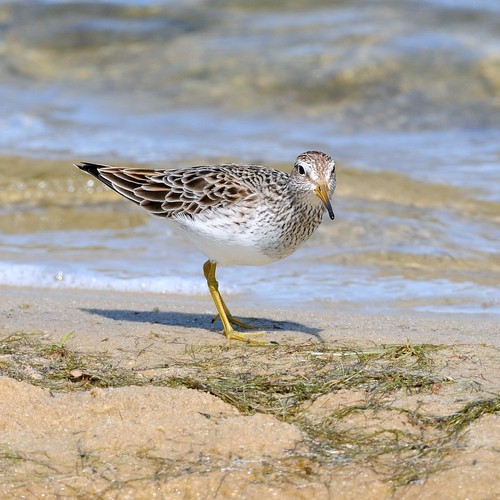
Pectoral Sandpiper
19-23 cm (7.5-9 in) long, 43-49 cm wingspan
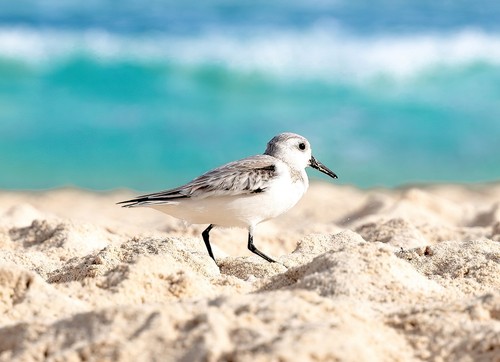
Sanderling
18-20 cm (7-8 in) long, 40-43 cm wingspan
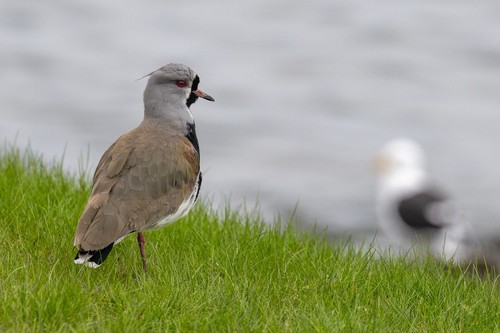
Southern Lapwing
32-38 cm (12.5-15 in) long, 70-80 cm wingspan