
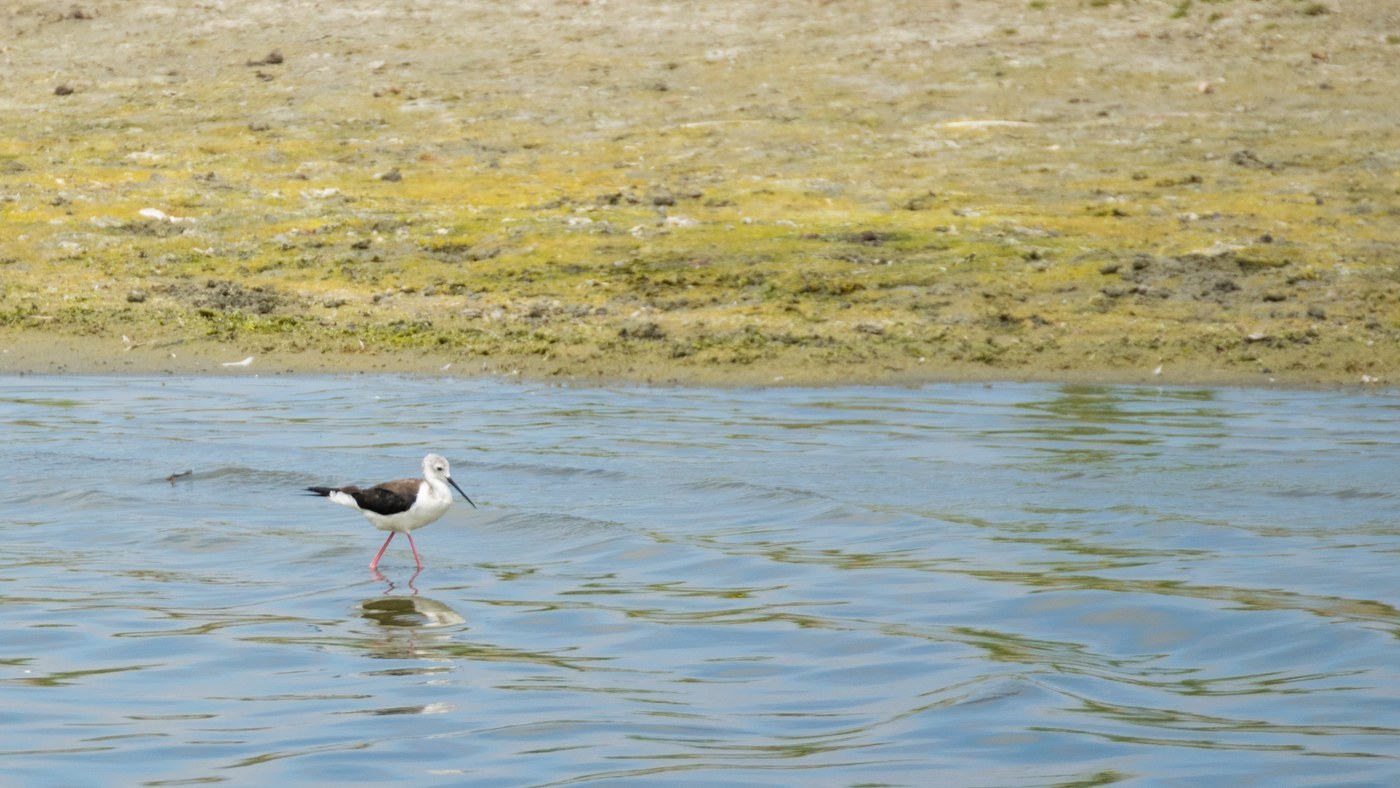
Black-winged Stilt
Himantopus himantopus
The Old World stilt, with black wings and back set against pure white underparts and extremely long pink legs.
- Size
- 33-36 cm (13-14 in) long, wingspan 67-83 cm
- Habitat
- shallow wetlands, salt pans, and marshes across Europe, Africa, and Asia
- Type
- shorebird
Spotted a bird like this?
Identify any bird from a photo, free.
Overview
The Black-winged Stilt is a graceful, long-legged shorebird with glossy black wings and back set against white underparts, neck, and head. The amount of dusky or black shading on the crown and hindneck varies, being more extensive in some individuals, particularly females and non-breeding birds. Its bill is thin and straight, and its legs are extremely long and pink-red.
Found across much of the Old World, it is a familiar and elegant sight wading through shallow wetlands from Europe to Africa and Asia.
How to identify it
Key field marks
- Black wings and back contrasting with white underparts
- Variable dusky or black markings on the head and hindneck
- Thin, straight black bill
- Extremely long pink legs, trailing well beyond the tail in flight
Similar species
The Black-necked Stilt of the Americas is nearly identical but tends to show more solid black on the head and neck. The Pied Avocet has an upturned bill and blue-gray legs rather than a straight bill and pink legs.
Habitat & range
Habitat
Shallow freshwater and brackish wetlands, salt pans, flooded fields, and marshes.
Range and migration
Found across southern Europe, Africa, and Asia. Northern populations migrate to Africa and southern Asia for winter, while many tropical populations are largely resident.
Behavior & voice
Behavior
Wades in shallow water, picking prey from the surface with quick jabs of the bill.
Voice
Sharp, yapping calls, especially when defending nests.
Feeding
Aquatic insects, crustaceans, worms, and small fish.
Nesting and breeding
Nests colonially on bare ground, small islands, or mounds near water, with pairs performing distraction displays to lure predators away from eggs or chicks.
Frequently asked questions
What's the difference between a Black-winged Stilt and a Black-necked Stilt?
They are very similar close relatives; the Black-winged Stilt of Eurasia/Africa typically shows less solid black on the head and neck than the American Black-necked Stilt.
Why are stilts' legs pink?
The bright pink-red leg color comes from pigments in their diet and is most vivid in breeding adults.
Where do Black-winged Stilts migrate?
Northern breeders migrate to Africa and southern Asia for the winter, while many tropical populations stay put year-round.
How do Black-winged Stilts defend their nests?
With loud alarm calls, mobbing behavior, and distraction displays to draw predators away from eggs or chicks.
What do Black-winged Stilts eat?
Aquatic insects, crustaceans, worms, and small fish picked from shallow water.
Black-winged Stilt guides
In-depth guides for identifying, finding, and understanding Black-winged Stilt.
Other birds you may enjoy
Willet
33-41 cm (13-16 in) long, 65-70 cm wingspan
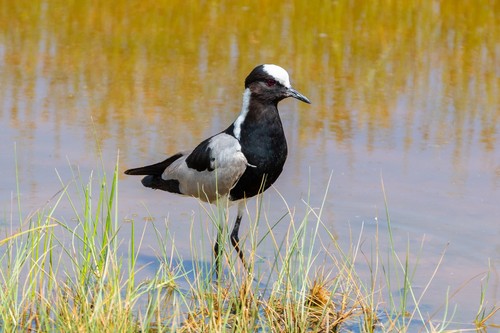
Blacksmith Lapwing
Body length about 30 cm; wingspan 55-65 cm
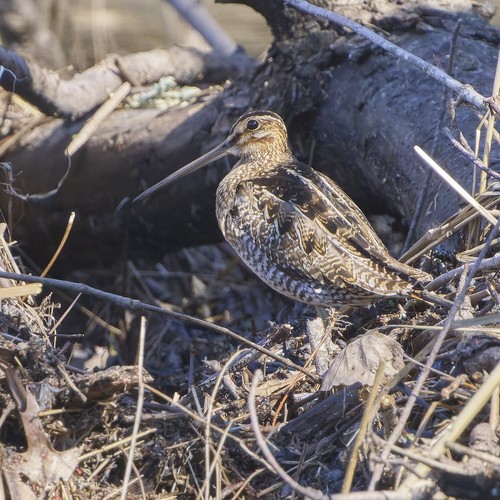
Wilson's Snipe
25-30 cm (10-12 in) long, 39-45 cm wingspan
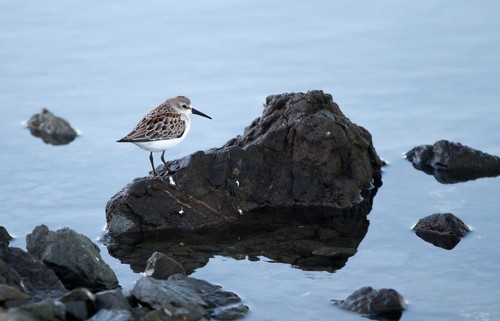
Western Sandpiper
14-17 cm (5.5-6.7 in) long, 28-37 cm wingspan
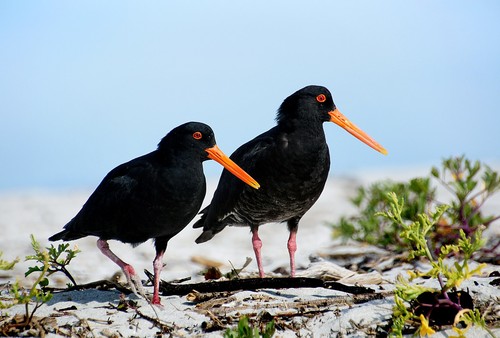
Variable Oystercatcher
46-49 cm (18-19 in) long
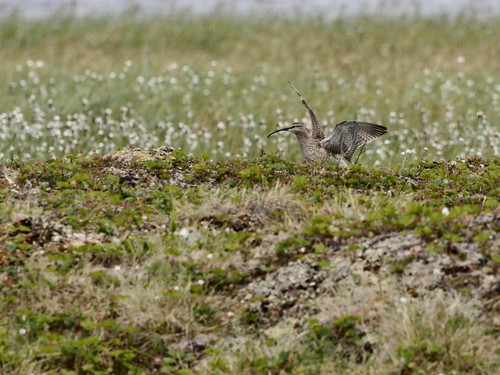
Whimbrel
40-46 cm (16-18 in) long, 76-89 cm wingspan
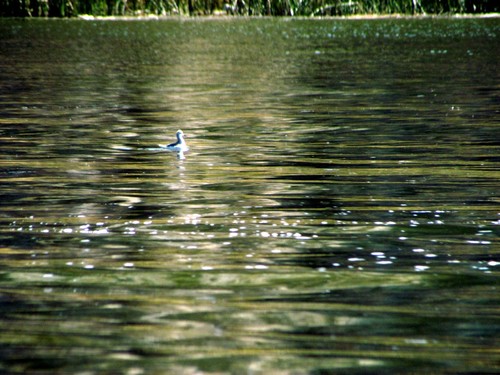
Wilson's Phalarope
22-24 cm (8.5-9.5 in) long, 37-43 cm wingspan
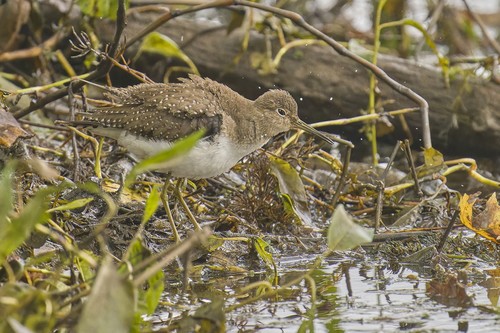
Solitary Sandpiper
19-23 cm (7.5-9 in) long, 50-56 cm wingspan
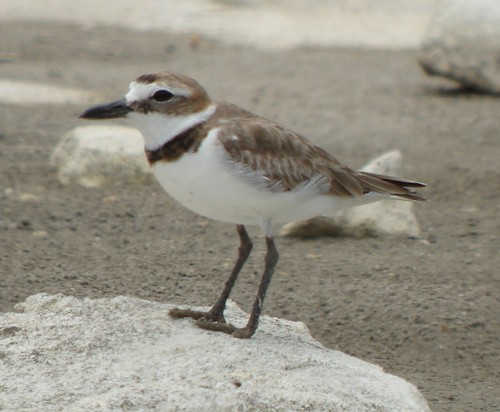
Wilson's Plover
17-19 cm (6.7-7.5 in) long, 45-50 cm wingspan
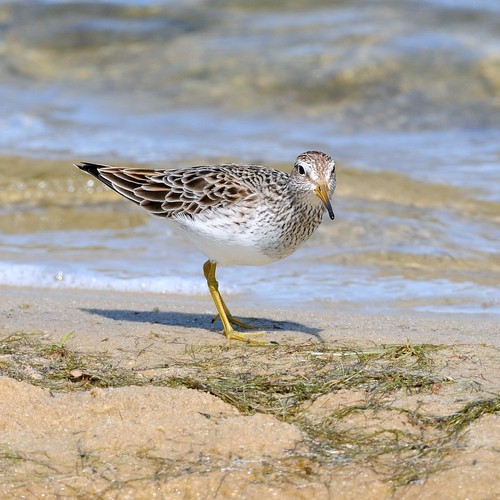
Pectoral Sandpiper
19-23 cm (7.5-9 in) long, 43-49 cm wingspan
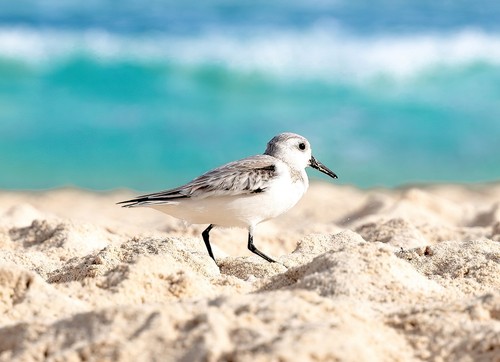
Sanderling
18-20 cm (7-8 in) long, 40-43 cm wingspan
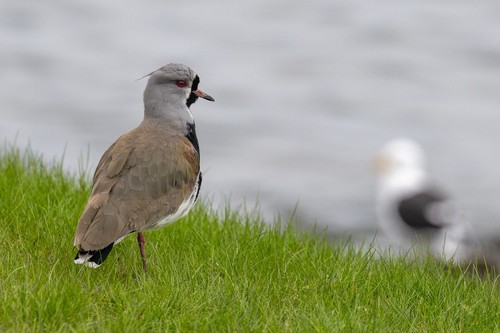
Southern Lapwing
32-38 cm (12.5-15 in) long, 70-80 cm wingspan