
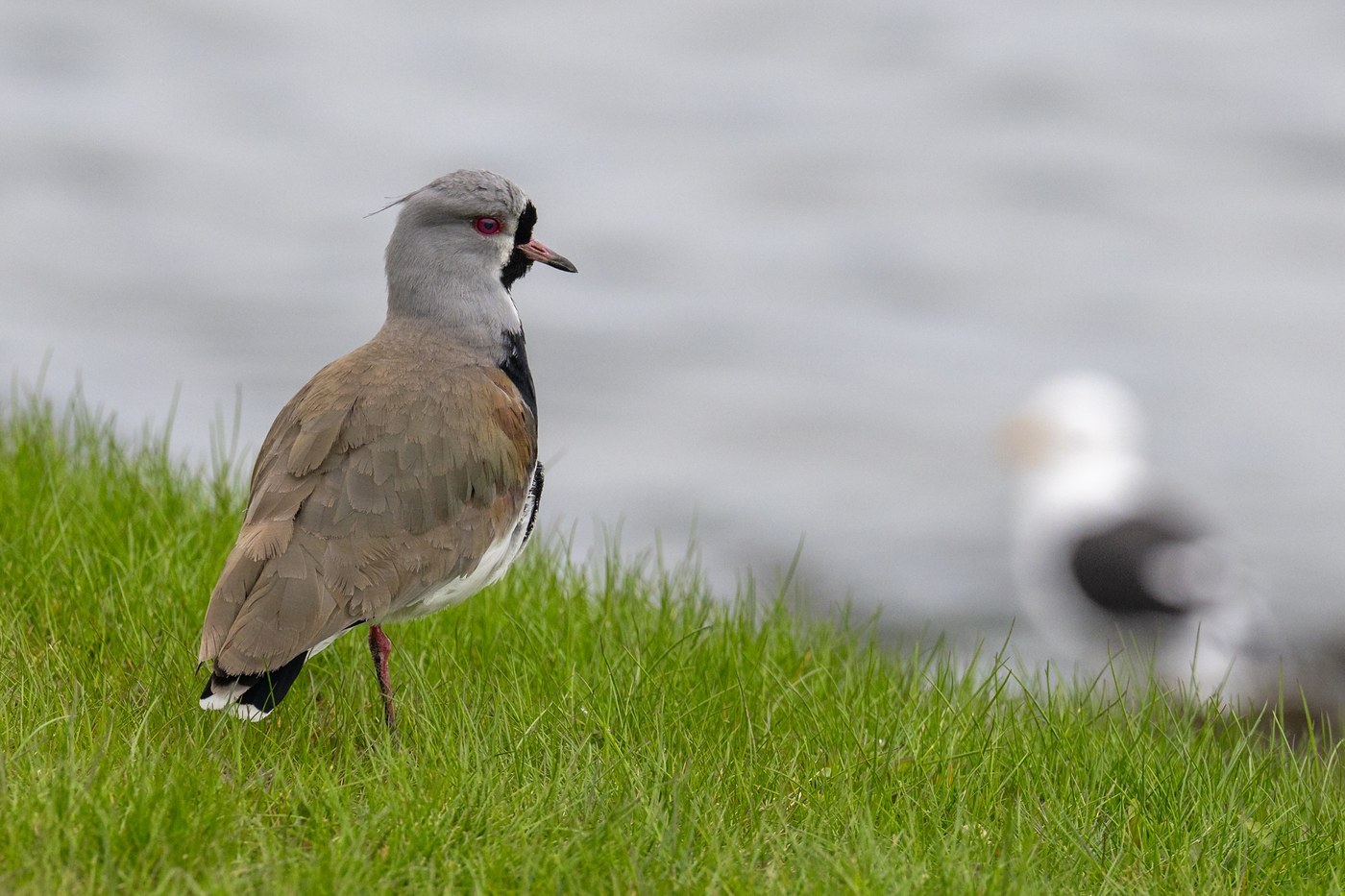
Southern Lapwing
Vanellus chilensis
A bold, noisy lapwing of South American grasslands and wetlands, easily recognized by its black chest markings, red eye-ring, and loud alarm calls.
- Size
- 32-38 cm (12.5-15 in) long, 70-80 cm wingspan
- Habitat
- open grasslands, pastures, wetlands, and agricultural land
- Type
- shorebird
Spotted a bird like this?
Identify any bird from a photo, free.
Overview
The Southern Lapwing is a large, striking plover with a grayish-brown back, a black crown and face patch, and a bold black "bib" across the throat and upper breast that contrasts with white underparts. A small backward-pointing crest sits atop the head, and the legs and bare eye-ring are bright pinkish-red. In flight it reveals a bronze-green iridescent patch on the upperwing.
One of the most familiar and conspicuous birds across much of South America, it is common in open country, from pastures and wetlands to city parks and airport grounds, and its loud, persistent alarm calls have earned it local names like "tero" in imitation of its call.
The species has expanded its range northward into Central America in recent decades, likely aided by deforestation creating suitable open habitat.
How to identify it
Key field marks
- Black crown, face patch, and bib contrasting with gray-brown back and white underparts
- Small, thin, backward-curving crest
- Bright pinkish-red legs and red eye-ring
- Bronze-green iridescent patch on the upperwing, visible in flight
- Black-tipped, red-based bill
Similar species
- Masked Lapwing of Australia has yellow facial wattles instead of a red eye-ring and different plumage pattern; ranges do not overlap.
- No other South American shorebird shares its combination of crest, black bib, and red legs.
Habitat & range
Southern Lapwings inhabit open grasslands, pastures, marshes, riverbanks, and increasingly urban parks and agricultural fields across most of South America, from the tropical lowlands to the southern cone. In recent decades the species has expanded its range into Panama and parts of Central America.
Most populations are largely resident, though some southern populations move northward outside the breeding season in response to weather.
Behavior & voice
Voice
A loud, harsh, repeated tero-tero-tero or similar rattling scream, given persistently in alarm, which has given the bird its widely used local name "tero."
Feeding
Forages by walking and running across open ground, using a run-stop-peck technique to catch insects and other invertebrates from grass and soil.
Nesting
Nests in a shallow scrape on open ground, often in surprisingly exposed or human-altered locations such as fields, road verges, or airport grounds. Extremely aggressive in nest defense, it mobs and dive-bombs intruders, including much larger animals and humans, while calling loudly.
Frequently asked questions
Why is the Southern Lapwing called "tero"?
Its loud, repeated tero-tero-tero alarm call gives rise to this widely used local name in South America.
Is the Southern Lapwing aggressive?
Yes, it is well known for fiercely defending its nest and chicks, loudly mobbing and dive-bombing intruders, including people and large animals.
Where does the Southern Lapwing live?
It is found throughout most of South America in open grasslands, wetlands, and increasingly in urban and agricultural areas, and has spread into Central America.
How is it different from the Northern Lapwing?
It lacks the long wispy crest of the Northern Lapwing and instead has a short crest, red legs and eye-ring, and a bold black bib; the two occur on different continents.
Southern Lapwing guides
In-depth guides for identifying, finding, and understanding Southern Lapwing.
Other birds you may enjoy
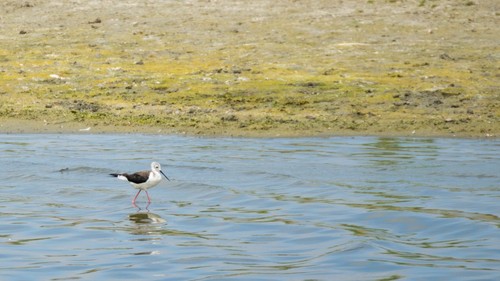
Black-winged Stilt
33-36 cm (13-14 in) long, wingspan 67-83 cm
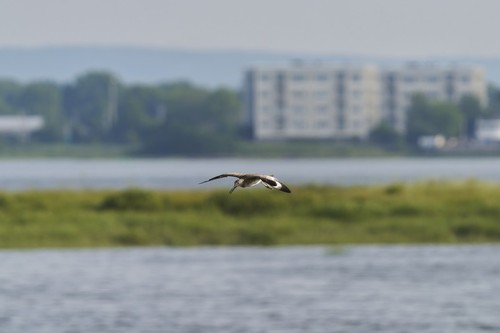
Willet
33-41 cm (13-16 in) long, 65-70 cm wingspan
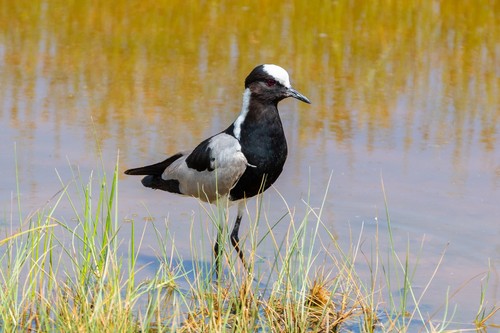
Blacksmith Lapwing
Body length about 30 cm; wingspan 55-65 cm
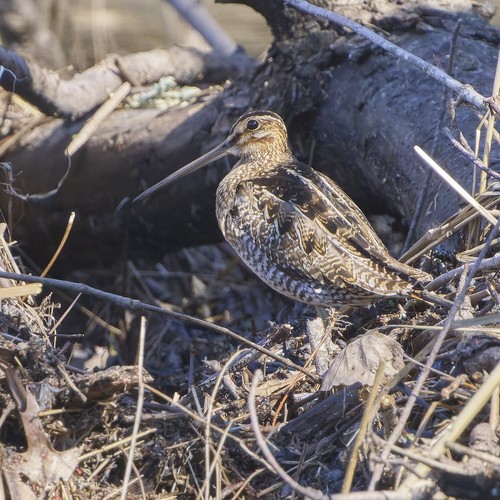
Wilson's Snipe
25-30 cm (10-12 in) long, 39-45 cm wingspan

Western Sandpiper
14-17 cm (5.5-6.7 in) long, 28-37 cm wingspan

Variable Oystercatcher
46-49 cm (18-19 in) long
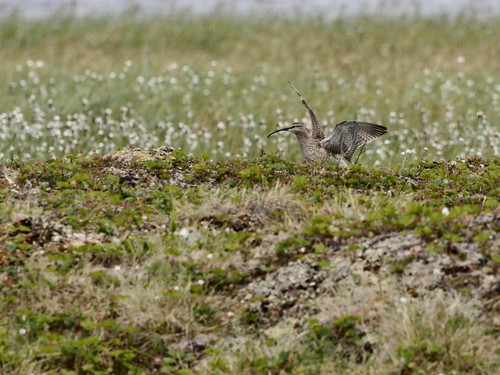
Whimbrel
40-46 cm (16-18 in) long, 76-89 cm wingspan

Wilson's Phalarope
22-24 cm (8.5-9.5 in) long, 37-43 cm wingspan
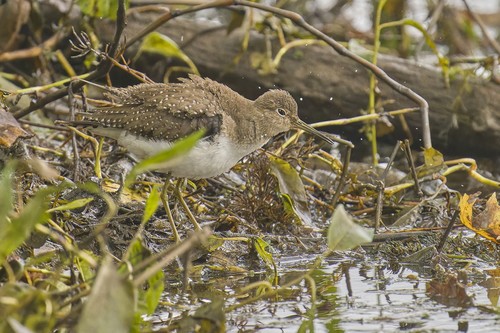
Solitary Sandpiper
19-23 cm (7.5-9 in) long, 50-56 cm wingspan
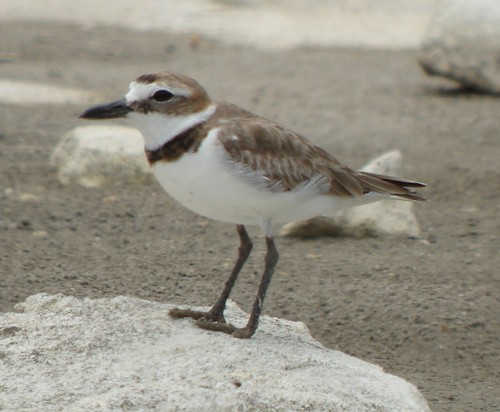
Wilson's Plover
17-19 cm (6.7-7.5 in) long, 45-50 cm wingspan
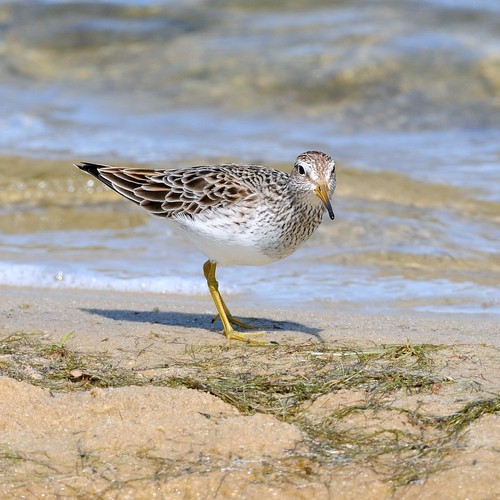
Pectoral Sandpiper
19-23 cm (7.5-9 in) long, 43-49 cm wingspan
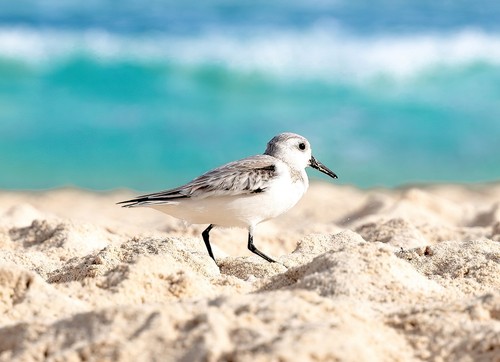
Sanderling
18-20 cm (7-8 in) long, 40-43 cm wingspan