
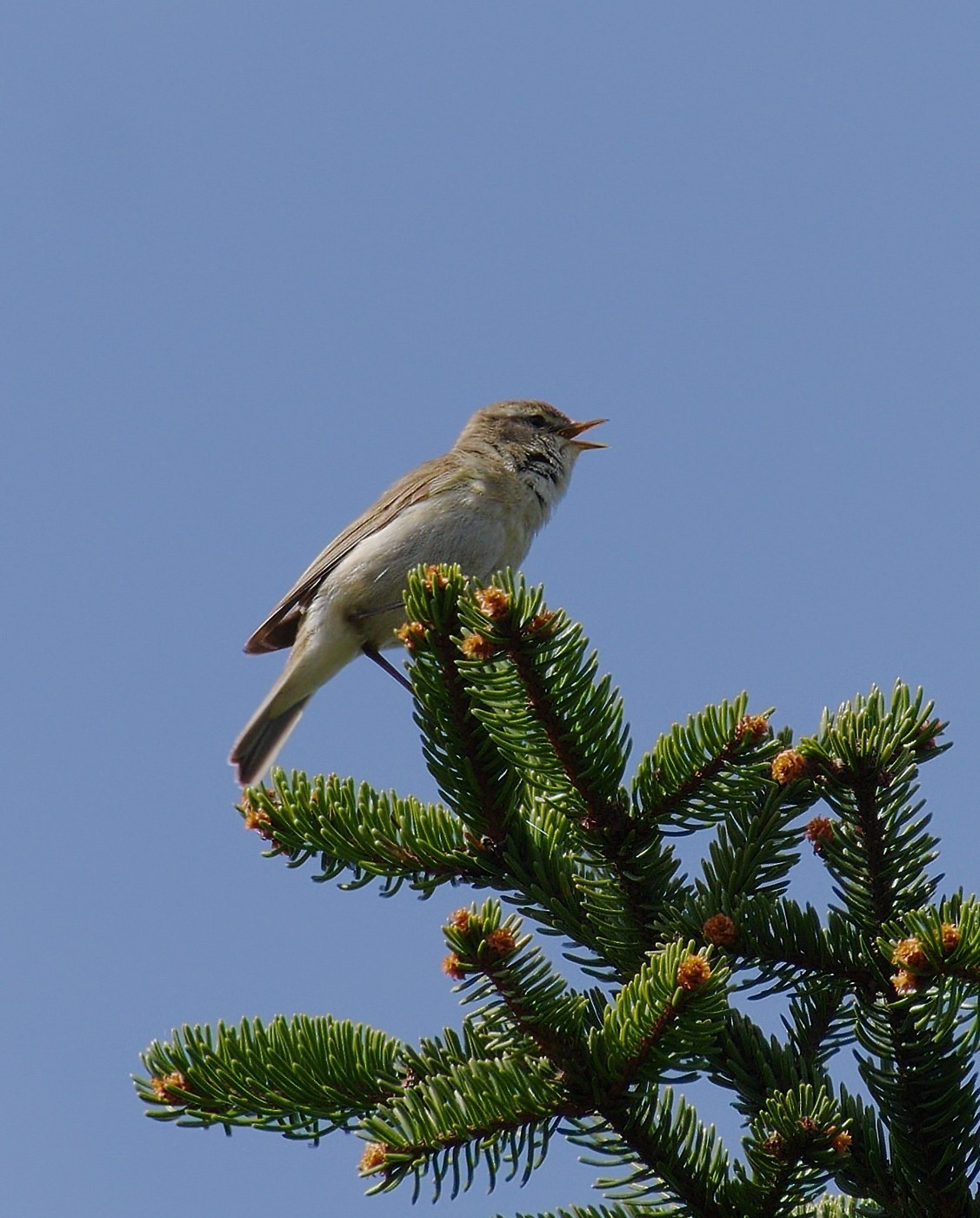
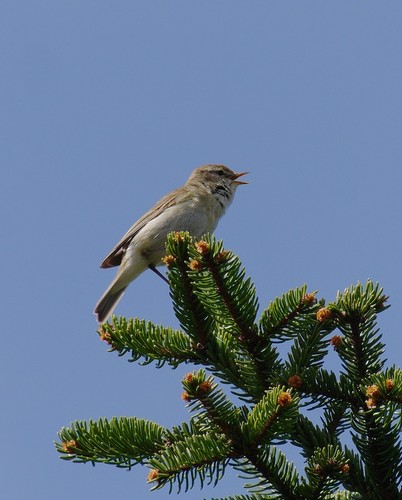
Willow Warbler
Phylloscopus trochilus
A delicate, greenish leaf warbler best known for its sweet, descending, cascading song, one of the clearest signs of spring across much of Europe.
- Size
- 11-12.5 cm (4.3-5 in) long, 17-22 cm wingspan
- Habitat
- open woodland, scrub, birch and willow thickets, and gardens
- Type
- songbird
Spotted a bird like this?
Identify any bird from a photo, free.
Overview
The Willow Warbler is a small, slender leaf warbler with soft greenish-olive upperparts and pale, yellowish-white underparts that can vary in brightness between individuals and populations. A pale supercilium (eyebrow stripe) runs from the bill to just behind the eye, and the overall plumage is fresh and clean-looking, especially in spring.
It is virtually identical in plumage to the Common Chiffchaff, and the two are among the classic identification challenges of European birding, best separated by leg colour and, especially, by voice.
One of the most numerous and widespread summer migrants in Europe, the Willow Warbler's gently descending, wistful song is a defining sound of birch woods, scrub, and hedgerows in spring and early summer.
How to identify it
Key field marks
- Greenish-olive upperparts, often brighter than Chiffchaff
- Pale, yellowish-white underparts
- Pale supercilium above the eye
- Pinkish-brown or pale flesh-coloured legs (key difference from Chiffchaff)
- Longer wings than Chiffchaff, giving a slightly more elongated shape
Similar species
- Common Chiffchaff: virtually identical in plumage but has dark, blackish legs (versus Willow Warbler's pale legs), a duller and browner tone, and a completely different "chiff-chaff" song.
- Wood Warbler: brighter yellow throat and breast with a sharply demarcated white belly, and a longer, more contrasty supercilium.
- Chaffinch and other finches: much stockier with conical bills, unlike the Willow Warbler's thin insectivorous bill.
Habitat & range
Willow Warblers breed across almost the entire temperate and subarctic zone of Europe and northern Asia, occupying open woodland, birch and willow scrub, young plantations, heathland edges, and large gardens with scattered trees and shrubs.
They are long-distance migrants, wintering in sub-Saharan Africa, and are among the most abundant migratory songbirds crossing between Europe and Africa each year.
The species arrives on breeding grounds from April, with its cascading song often the first confirmation that spring migration is well underway.
Behavior & voice
Voice
The song is a gentle, sweet, descending cascade of clear notes, often likened to a wistful, tumbling melody that fades away at the end. The call is a soft, disyllabic "hoo-eet," softer than the Chiffchaff's sharper "hweet."
Feeding
Willow Warblers glean small insects and spiders from leaves and twigs, often flitting actively through foliage and occasionally hovering briefly to pick prey from leaf surfaces.
Nesting and breeding
The nest is a domed structure built on or near the ground, hidden among grass or low vegetation, with a side entrance. Clutches typically contain six to seven eggs, among the larger clutches of European warblers.
Frequently asked questions
How do you tell a Willow Warbler from a Chiffchaff?
The clearest differences are leg colour (pale pinkish-brown in Willow Warbler versus dark in Chiffchaff) and song, since Willow Warbler sings a descending sweet cascade while Chiffchaff repeats its own name, 'chiff-chaff'.
What does a Willow Warbler sound like?
Its song is a gentle, sweet series of notes that descends and fades away, often described as wistful or melancholic in tone.
Where do Willow Warblers spend the winter?
They undertake long migrations to sub-Saharan Africa, among the most numerous of all European-breeding migrant songbirds making this journey.
What kind of nest does a Willow Warbler build?
It builds a domed, oven-shaped nest with a side entrance, hidden on or near the ground in grass or low vegetation.
What habitat do Willow Warblers prefer?
They favour open woodland, scrub, birch and willow thickets, young plantations, and gardens with scattered trees and shrubs.
Willow Warbler guides
In-depth guides for identifying, finding, and understanding Willow Warbler.
Other birds you may enjoy
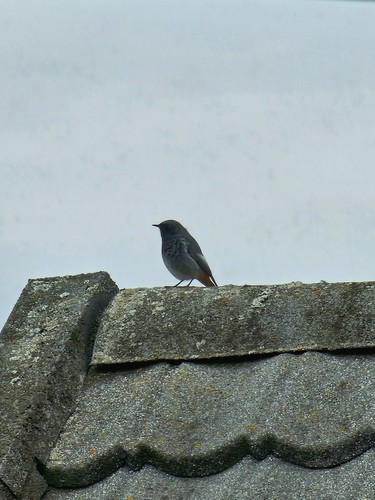
Black Redstart
13-14.5 cm (5.1-5.7 in) long, 23-26 cm wingspan
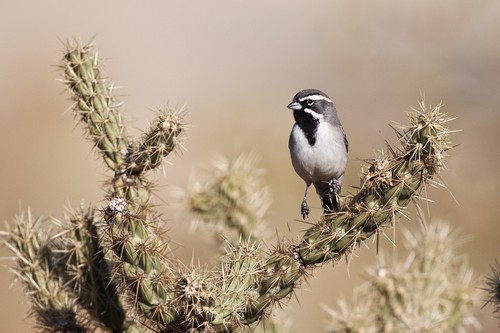
Black-throated Sparrow
12-14 cm (4.7-5.5 in) long, about 19-20 cm (7.5-8 in) wingspan
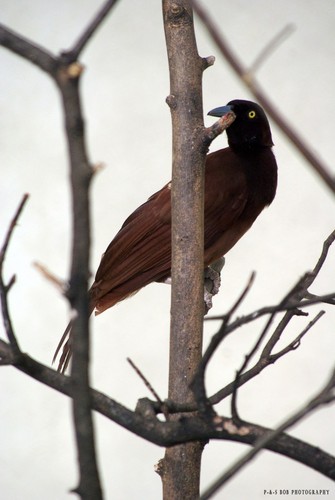
Greater Bird-of-paradise
Body about 43 cm; males with additional flank plumes up to 50 cm and long tail wires
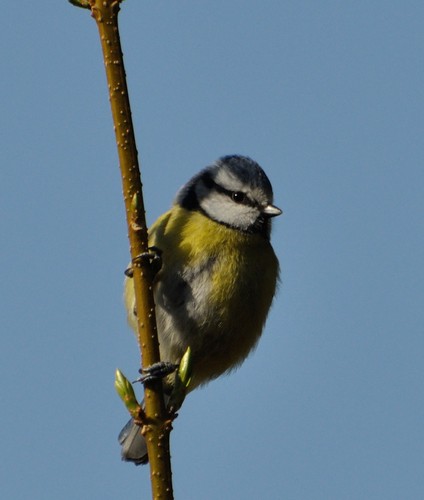
Blue Tit
11-12 cm (4.3-4.7 in) long, 17-20 cm wingspan

Red-billed Quelea
11.5–13 cm long, wingspan about 20–22 cm
White-plumed Antbird
13-14 cm (5-5.5 in) long
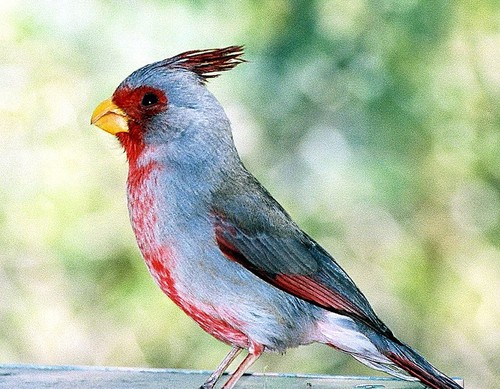
Pyrrhuloxia
19-22 cm (7.5-8.7 in) long, 30 cm wingspan
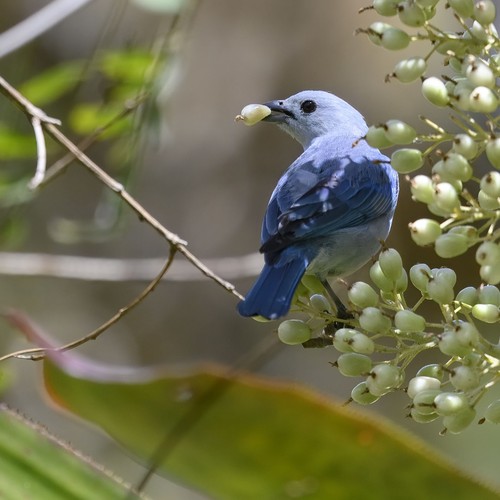
Blue-gray Tanager
16-18 cm (6-7 in) long
Blackburnian Warbler
11-13 cm (4.3-5.1 in) long, 20-22 cm wingspan
Bluethroat
13-14 cm (5.1-5.5 in) long, 20-22 cm wingspan
Eurasian Nuthatch
12-14.5 cm (4.7-5.7 in) long, 22.5-27 cm wingspan
Wood Thrush
19-21 cm (7.5-8.3 in) long, about 33 cm (13 in) wingspan