
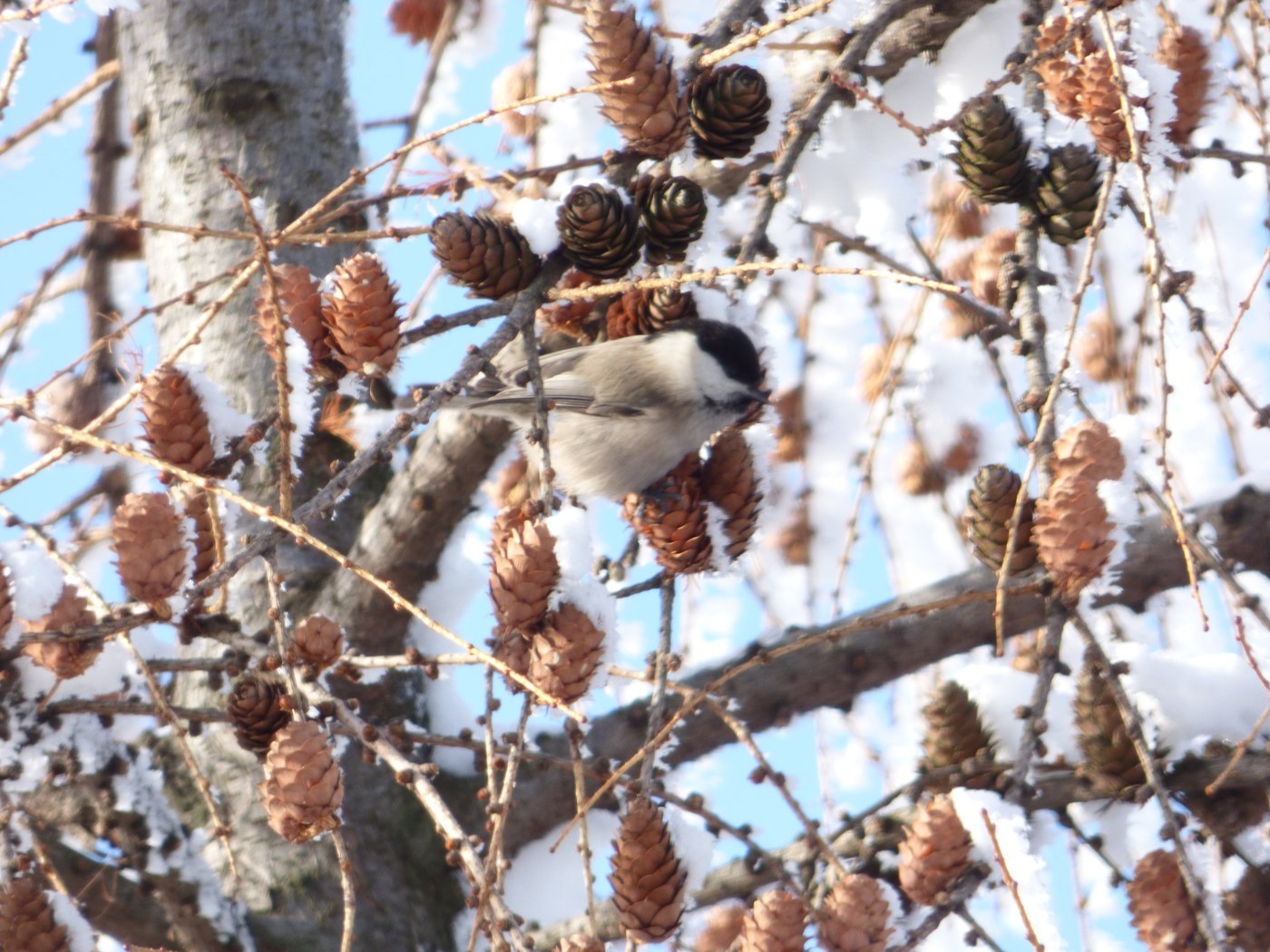
Willow Tit
Poecile montanus
A small, plain tit nearly identical to the Marsh Tit but with a duller matte-black cap, favoring damp woodland and willow or birch scrub.
- Size
- 11.5-12.5 cm (4.5-5 in) long, 17-20.5 cm wingspan
- Habitat
- damp woodland, willow scrub, birch woods, and wet thickets
- Type
- songbird
Spotted a bird like this?
Identify any bird from a photo, free.
Overview
The Willow Tit is a small, subtly marked tit closely resembling the Marsh Tit, with a matte (rather than glossy) black cap, a slightly larger and more diffuse black bib, and often a pale panel visible on the closed wing. It favors damper habitats than the Marsh Tit, particularly willow and birch scrub, wet woodland, and boggy thickets, and is notable among European tits for excavating its own nest cavity in soft, rotten wood.
Because the two species are so visually similar, the Willow Tit went unrecognized as a distinct species in Britain until the early 1900s, and voice remains the most dependable way to separate the two in the field.
How to identify it
Key field marks
- Matte, sooty black cap (not glossy)
- Larger, more diffuse black bib than Marsh Tit
- Often shows a pale panel on the closed wing
- Slightly bull-necked appearance
Similar species
- Marsh Tit has a glossy black cap, a smaller neater bib, and lacks the pale wing panel; the two are best separated by voice.
- Coal Tit has a white nape patch, absent in the Willow Tit.
Habitat & range
Habitat
Favors damp woodland, birch and willow scrub, boggy thickets, and wet coniferous or mixed forest, generally wetter habitat than the Marsh Tit.
Range
Widespread across northern and central Europe and Asia, though declining sharply in parts of Britain and western Europe.
Migration
Largely resident and sedentary, remaining on territory year-round.
Behavior & voice
Behavior
Forages through low branches and scrub, often in pairs holding a permanent territory; unlike most tits, it excavates its own nest hole in soft, rotten wood rather than using an existing cavity.
Voice
A nasal, buzzy "tchay-tchay-tchay" or harsh "zi-zi-churr" call distinguishes it from the sharper "pitchoo" of the Marsh Tit; song is a series of slow, plaintive, piping notes.
Feeding
Eats insects and spiders during the breeding season, switching to seeds in autumn and winter.
Nesting
Excavates its own nest cavity in soft, rotten wood, often in a dead willow or birch stump close to the ground; lays 6-9 white eggs with fine red-brown speckling.
Frequently asked questions
How do you tell a Willow Tit from a Marsh Tit?
The Willow Tit has a duller, matte black cap and a larger bib, often with a pale wing panel, while the Marsh Tit has a glossy cap and a smaller bib; their calls are the most reliable distinguishing feature.
Does the Willow Tit dig its own nest hole?
Yes, unusually among tits, it excavates its own nest cavity in soft, rotten wood, typically in a dead willow or birch stump.
What habitat does the Willow Tit prefer?
Damp woodland, willow and birch scrub, and boggy thickets, generally wetter habitat than the closely related Marsh Tit.
Is the Willow Tit declining?
Yes, it has undergone significant declines in parts of western Europe, including Britain, likely linked to habitat loss and woodland management changes.
Willow Tit guides
In-depth guides for identifying, finding, and understanding Willow Tit.
Other birds you may enjoy
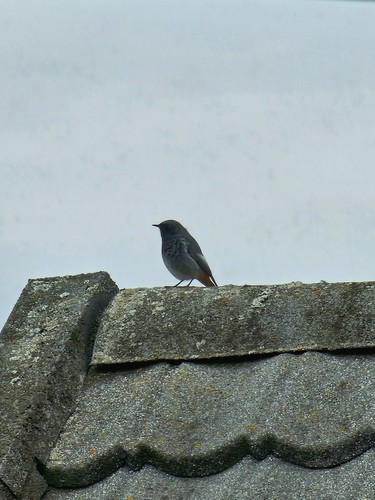
Black Redstart
13-14.5 cm (5.1-5.7 in) long, 23-26 cm wingspan
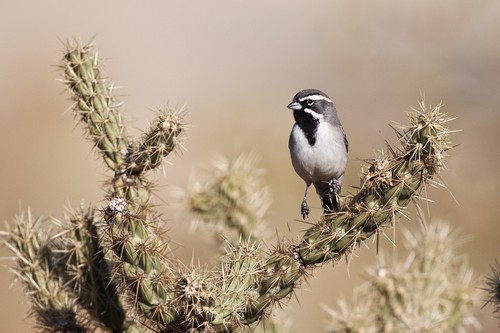
Black-throated Sparrow
12-14 cm (4.7-5.5 in) long, about 19-20 cm (7.5-8 in) wingspan
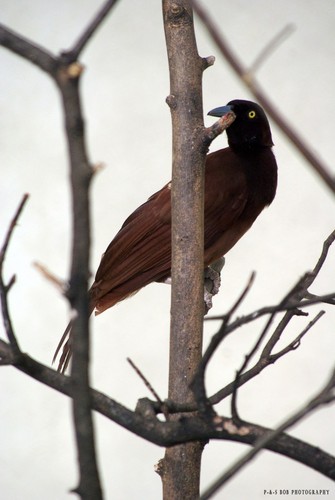
Greater Bird-of-paradise
Body about 43 cm; males with additional flank plumes up to 50 cm and long tail wires
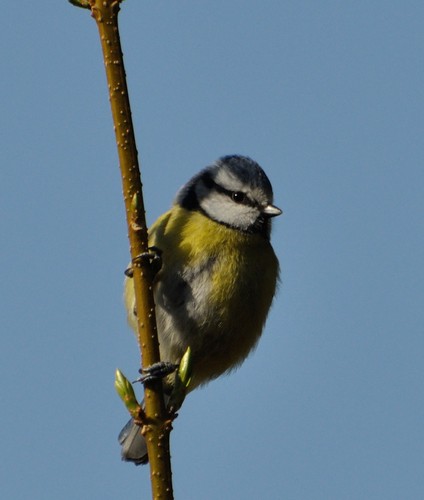
Blue Tit
11-12 cm (4.3-4.7 in) long, 17-20 cm wingspan

Red-billed Quelea
11.5–13 cm long, wingspan about 20–22 cm
White-plumed Antbird
13-14 cm (5-5.5 in) long
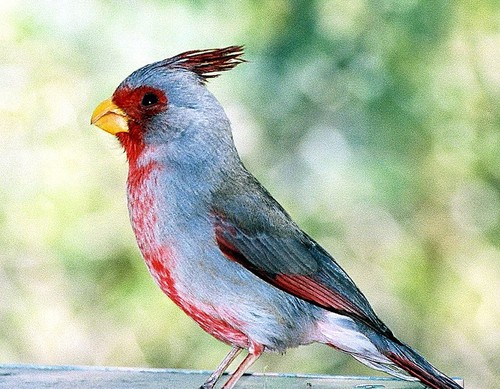
Pyrrhuloxia
19-22 cm (7.5-8.7 in) long, 30 cm wingspan
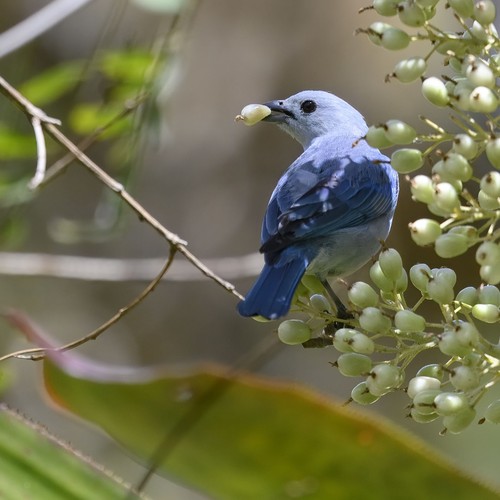
Blue-gray Tanager
16-18 cm (6-7 in) long
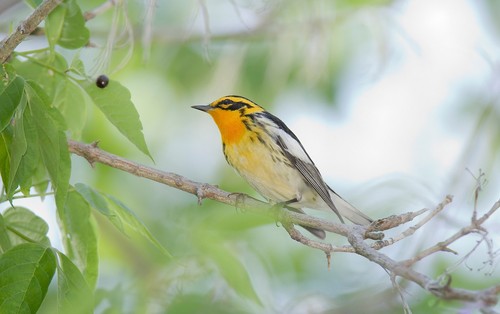
Blackburnian Warbler
11-13 cm (4.3-5.1 in) long, 20-22 cm wingspan
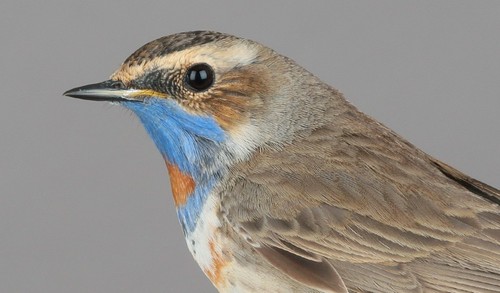
Bluethroat
13-14 cm (5.1-5.5 in) long, 20-22 cm wingspan
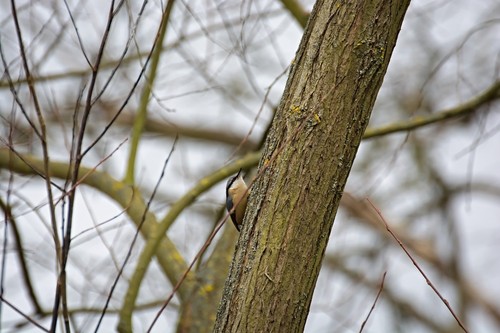
Eurasian Nuthatch
12-14.5 cm (4.7-5.7 in) long, 22.5-27 cm wingspan
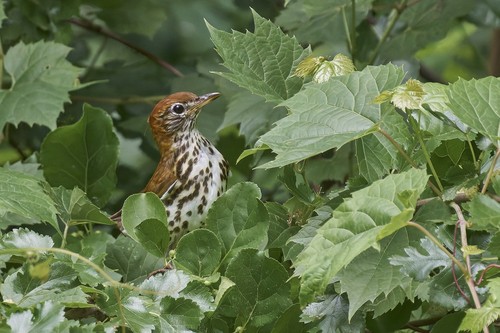
Wood Thrush
19-21 cm (7.5-8.3 in) long, about 33 cm (13 in) wingspan