
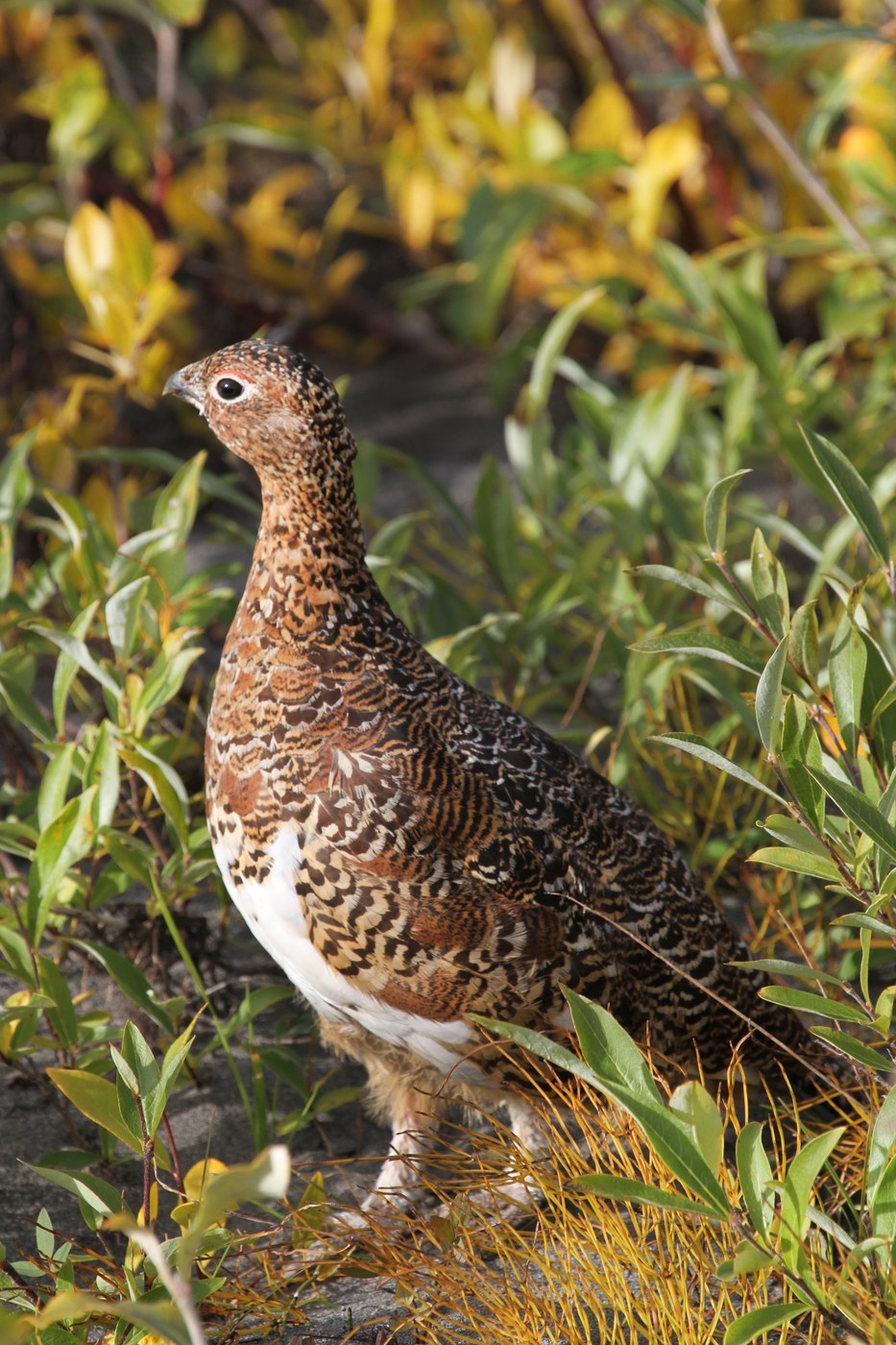
Willow Ptarmigan
Lagopus lagopus
A tundra grouse and Alaska's state bird, turning pure white in winter and rich mottled rufous-brown in summer, with males retaining a chestnut head and neck longest into spring.
- Size
- 37-42 cm (15-16.5 in) long
- Habitat
- arctic and subarctic tundra with willow and birch scrub
- Type
- gamebird
Spotted a bird like this?
Identify any bird from a photo, free.
Overview
The Willow Ptarmigan is a circumpolar grouse of the arctic and subarctic that undergoes one of the most dramatic seasonal plumage changes of any bird, molting from pure white in winter (aside from black tail feathers and, in males, a black eye-line) to richly mottled rufous-brown in summer for camouflage against the tundra vegetation. Males in breeding plumage are notably more reddish on the head and neck than females, retaining this coloration into early summer while the rest of the body molts to a more cryptic brown. It is the state bird of Alaska.
How to identify it
Key field marks
- White wings and belly year-round; body plumage changes from white (winter) to mottled rufous-brown (summer)
- Feathered legs and feet year-round, an adaptation to cold and snow
- Male in breeding plumage shows a more extensively chestnut-red head and neck than the female
- Black tail feathers visible in all plumages
Similar species
Rock Ptarmigan is very similar but slightly smaller, grayer in summer plumage, and males show a black eye-line ("mask") in spring that Willow Ptarmigan lacks; Rock Ptarmigan also favors higher, more barren, rocky terrain than the willow-scrub habitat preferred by Willow Ptarmigan. White-tailed Ptarmigan is smaller with an all-white tail in every season.
Habitat & range
Habitat and Range
Willow Ptarmigan favor lower-elevation arctic and subarctic tundra with willow and birch scrub, wetter and shrubbier habitat than the more barren terrain used by Rock Ptarmigan.
Range
The species has a circumpolar distribution across the arctic and subarctic regions of Alaska, Canada, Scandinavia, and Russia, generally at lower elevations and latitudes than Rock Ptarmigan within the same regions.
Migration
Most populations are largely resident or make only short-distance movements to lower, more sheltered wintering areas with accessible willow shrubs, though some far-northern populations move farther south in severe winters.
Behavior & voice
Behavior
Willow Ptarmigan are well camouflaged and generally rely on stillness to avoid detection, forming small flocks (coveys) especially in winter.
Voice
Males give a loud, raucous, laughing call often rendered as "go-BACK, go-BACK, go-BACK," typically delivered during a short display flight.
Feeding
Willow buds, catkins, and leaves make up the bulk of the winter diet, supplemented by berries in fall and insects, especially important for growing chicks in summer.
Nesting and breeding
Unlike most grouse, Willow Ptarmigan form monogamous pairs, and the male often remains near the nest and may help defend the female and brood, an unusual level of male parental involvement among gamebirds.
Frequently asked questions
Why does the Willow Ptarmigan turn white in winter?
Its plumage molts to pure white (except black tail feathers) to camouflage against snow-covered tundra, then molts back to mottled rufous-brown in summer to blend with vegetation.
How is Willow Ptarmigan different from Rock Ptarmigan?
Willow Ptarmigan is slightly larger, more reddish-brown in summer, favors lower, shrubbier willow habitat, and males lack the black eye-line that Rock Ptarmigan males show in spring.
Is the Willow Ptarmigan a state bird?
Yes, it is the official state bird of Alaska.
Do Willow Ptarmigan pairs stay together?
Yes, unlike most grouse species, Willow Ptarmigan often form monogamous pairs, and males may help defend the nest and brood.
Willow Ptarmigan guides
In-depth guides for identifying, finding, and understanding Willow Ptarmigan.
Other birds you may enjoy
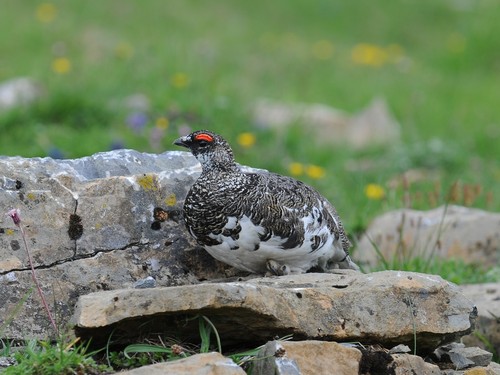
Rock Ptarmigan
34-36 cm (13-14 in) long
Congo Peafowl
Males about 64-70 cm long; females slightly smaller; no elaborate train
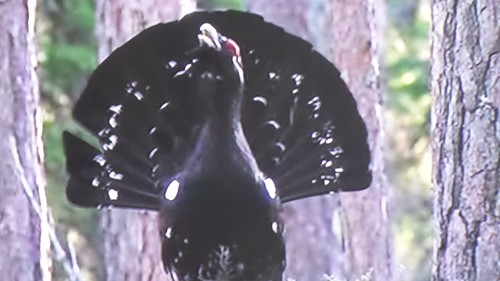
Western Capercaillie
male 74-90 cm (29-35 in), female 54-64 cm; male wingspan up to 125-130 cm
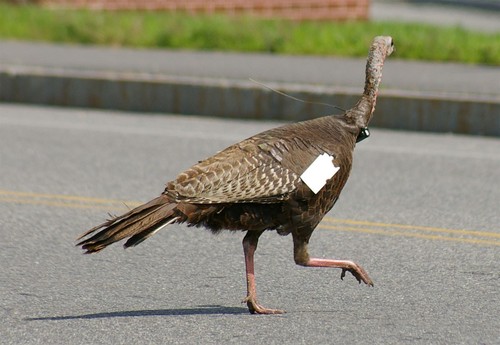
Wild Turkey
males 100-125 cm (39-49 in) long; females smaller, around 76-95 cm (30-37 in)
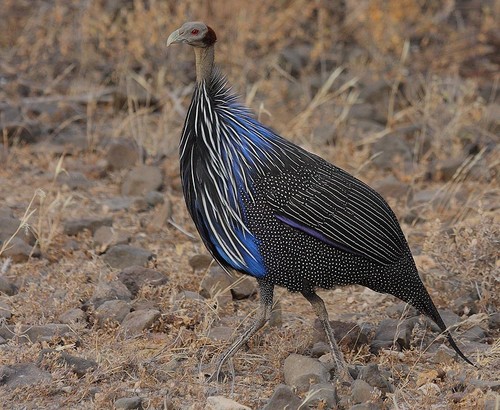
Vulturine Guineafowl
Length 61-71 cm, the largest guineafowl species, with a notably long neck and tail
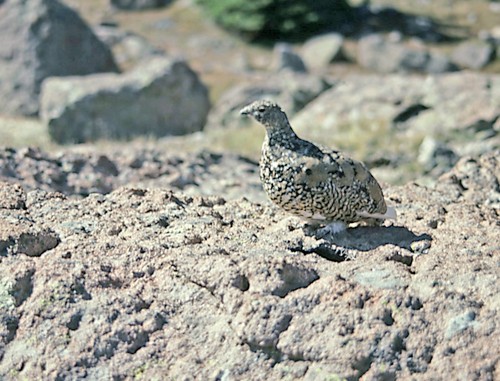
White-tailed Ptarmigan
30-33 cm (12-13 in) long; the smallest ptarmigan species
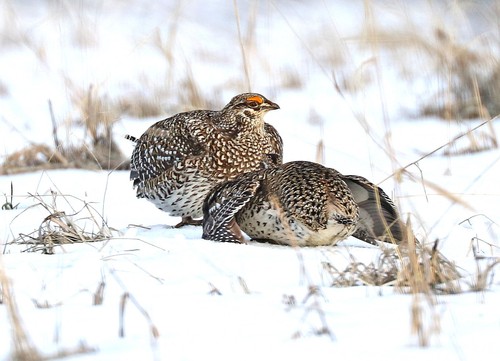
Sharp-tailed Grouse
38-48 cm (15-19 in) long
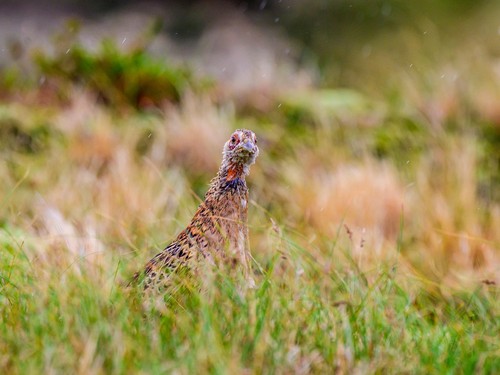
Ring-necked Pheasant
males 76-90 cm (30-35 in) long including a long tail; females smaller, 55-65 cm (22-26 in)
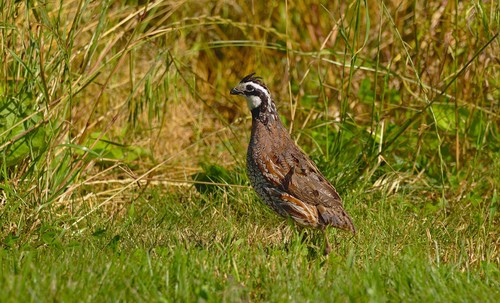
Northern Bobwhite
24-28 cm (9.5-11 in) long, 33-38 cm wingspan
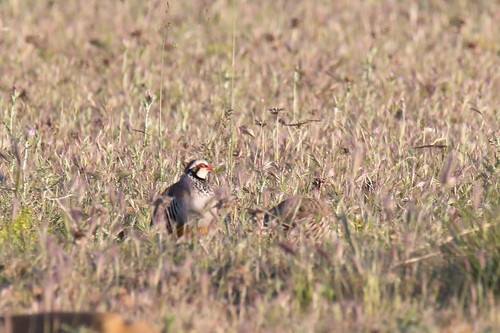
Red-legged Partridge
32-34 cm (13 in) long, 47-50 cm wingspan
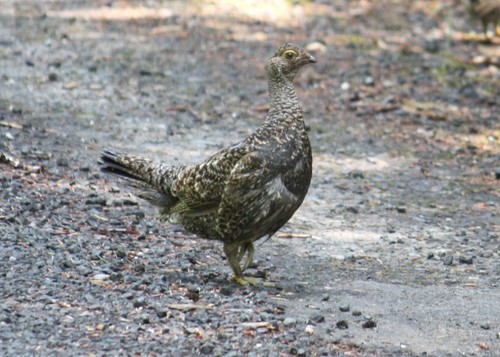
Sooty Grouse
43-48 cm (17-19 in) long; males larger than females
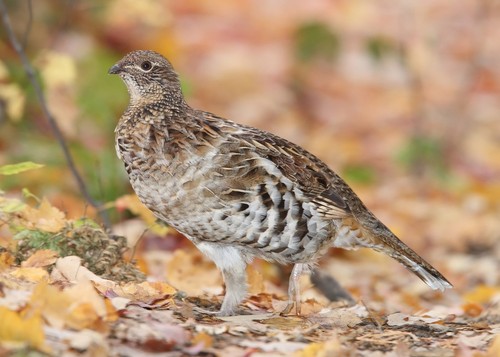
Ruffed Grouse
40-48 cm (16-19 in) long, 50-64 cm (20-25 in) wingspan