
Ring-necked Pheasant
Phasianus colchicus
An Asian-native, farmland-loving pheasant with an iridescent green head, red face wattles, and a long pointed tail on the flashy male.
- Size
- males 76-90 cm (30-35 in) long including a long tail; females smaller, 55-65 cm (22-26 in)
- Habitat
- farmland, grasslands, hedgerows, and brushy field edges
- Type
- gamebird
Spotted a bird like this?
Identify any bird from a photo, free.
Overview
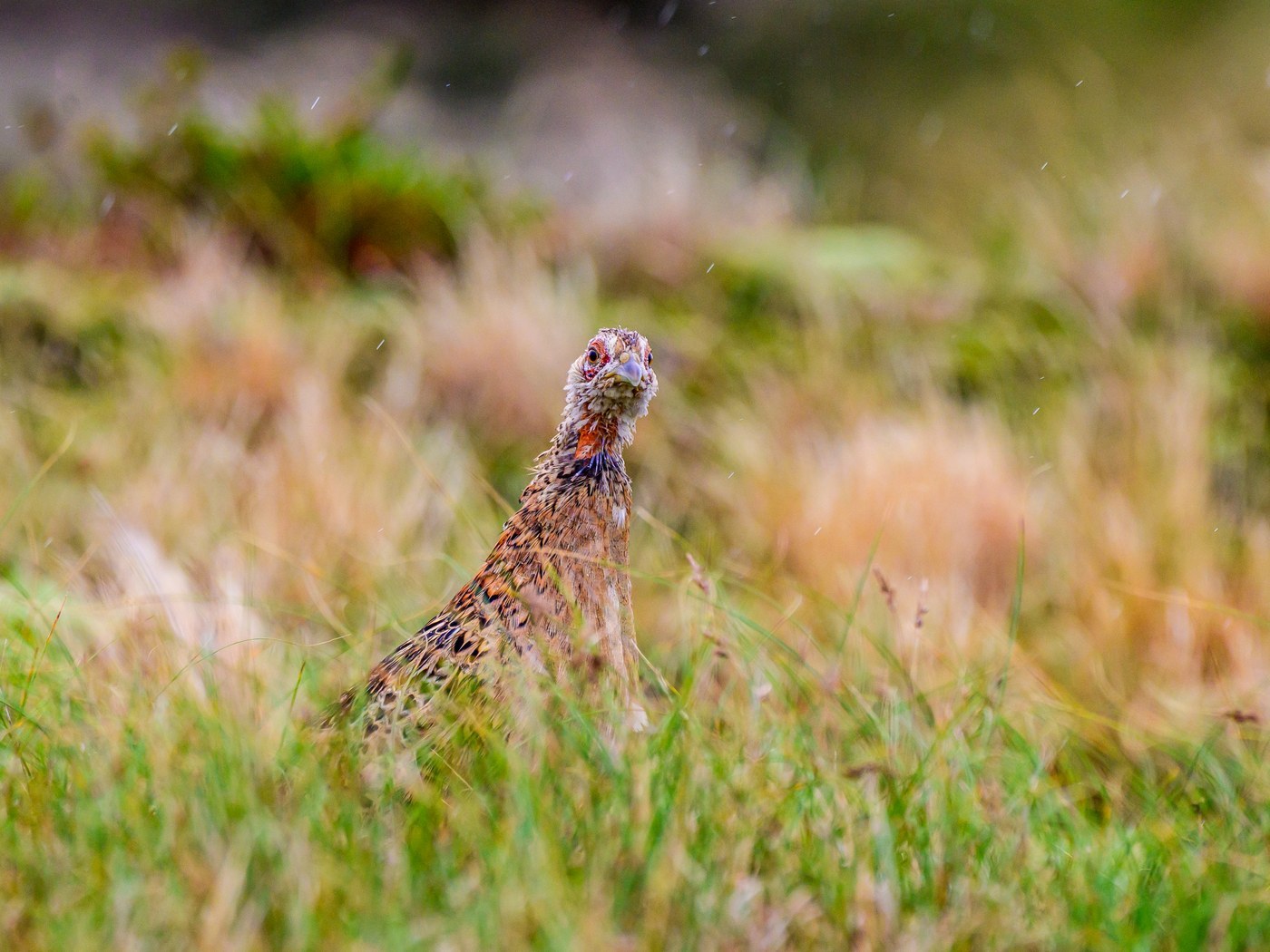
The Ring-necked Pheasant is a large, long-tailed gamebird native to Asia that has been widely introduced around the world, including across much of the northern United States and southern Canada, where it is now a familiar sight of open farm country. Males are unmistakably showy, with an iridescent bottle-green head, bright red bare facial skin, a white neck ring (in most populations), and a coppery, richly patterned body trailing a very long, pointed, barred tail. Females are mottled brown and buff overall, providing camouflage while nesting, with a shorter tail than the male.
How to identify it
Key field marks
- Male: glossy green head, red facial wattles, often a white neck ring, coppery-brown body, very long pointed tail
- Female: mottled brown, streaky, cryptic plumage with a moderately long pointed tail (shorter than the male's)
- Explosive, noisy flush from cover with rapid wingbeats followed by a glide
Similar species
No native North American bird resembles the male; females can suggest a young turkey or grouse but are distinguished by their long, pointed tail and smaller size.
Habitat & range
Habitat and Range
Ring-necked Pheasants favor open agricultural land, grasslands, weedy field margins, hedgerows, and marsh edges that provide both feeding areas and dense cover for nesting and roosting.
Range
Native to Asia, the species was introduced to North America in the late 1800s and is now established across the northern and central United States and southern Canada, especially in the Midwest grain belt.
Migration
They are non-migratory, remaining year-round on relatively small home ranges, though they may move short distances to find winter cover during harsh weather.
Behavior & voice
Behavior
Pheasants typically walk or run through cover and prefer to escape danger on foot, but flush explosively when pressed, with loud wingbeats and a startling call.
Voice
The male's advertising call is a loud, harsh, two-syllable crow ("kork-kok") followed by a burst of whirring wingbeats, often given from an open perch or the ground.
Feeding
They feed on the ground, taking waste grain, seeds, and insects, and are strongly associated with agricultural crops such as corn, wheat, and soybeans.
Nesting and breeding
Males are polygynous, mating with several hens within a territory. The hen builds a shallow, grass-lined scrape hidden in dense vegetation and incubates a clutch of about 10-12 eggs alone.
Frequently asked questions
Are Ring-necked Pheasants native to North America?
No, they are native to Asia and were introduced to North America in the late 19th century for hunting; they are now well established across the northern and central US and southern Canada.
What does a male pheasant look like?
Males have an iridescent green head, red bare facial skin, often a white neck ring, a coppery patterned body, and a very long, pointed, barred tail.
Do all Ring-necked Pheasants have a white neck ring?
Most North American birds descend from stock that shows a white neck ring, but due to mixed ancestry from different Asian subspecies, some individuals lack it entirely.
What habitat do Ring-necked Pheasants prefer?
They favor open farmland, grasslands, and brushy field edges that provide both waste grain for food and dense cover for nesting.
Ring-necked Pheasant guides
In-depth guides for identifying, finding, and understanding Ring-necked Pheasant.
Other birds you may enjoy
Rock Ptarmigan
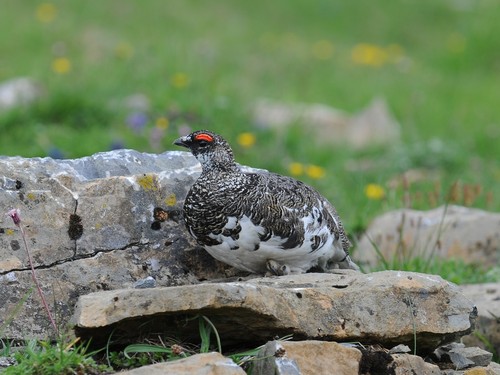
34-36 cm (13-14 in) long
Congo Peafowl
Males about 64-70 cm long; females slightly smaller; no elaborate train
Willow Ptarmigan
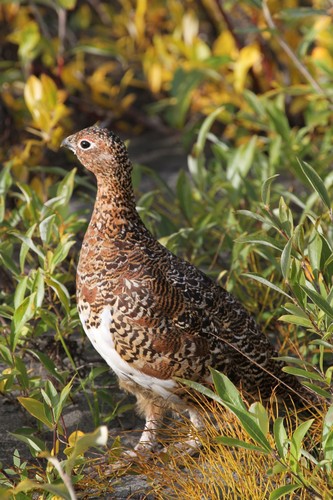
37-42 cm (15-16.5 in) long
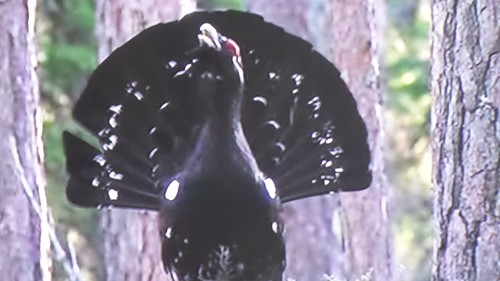
Western Capercaillie
male 74-90 cm (29-35 in), female 54-64 cm; male wingspan up to 125-130 cm
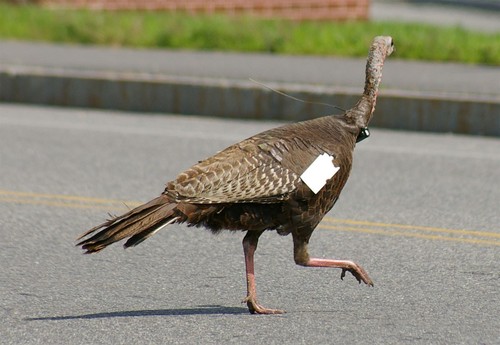
Wild Turkey
males 100-125 cm (39-49 in) long; females smaller, around 76-95 cm (30-37 in)
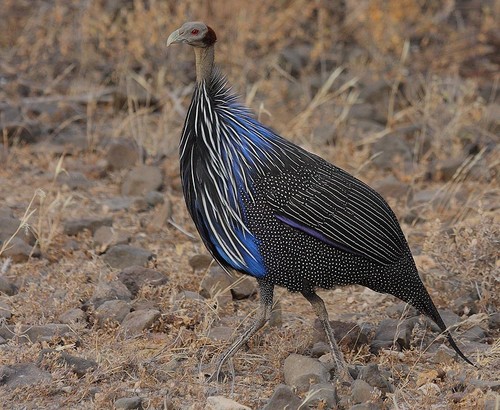
Vulturine Guineafowl
Length 61-71 cm, the largest guineafowl species, with a notably long neck and tail
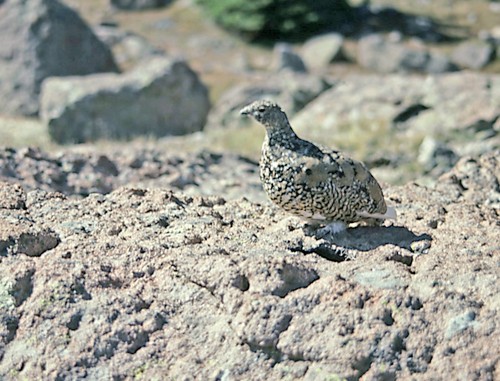
White-tailed Ptarmigan
30-33 cm (12-13 in) long; the smallest ptarmigan species
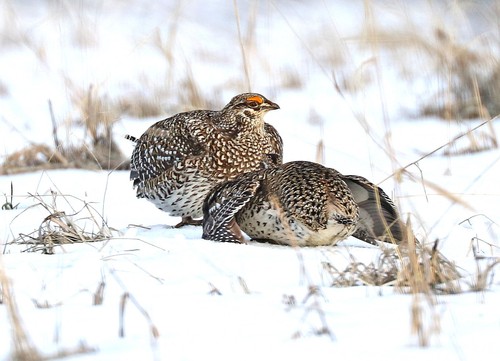
Sharp-tailed Grouse
38-48 cm (15-19 in) long
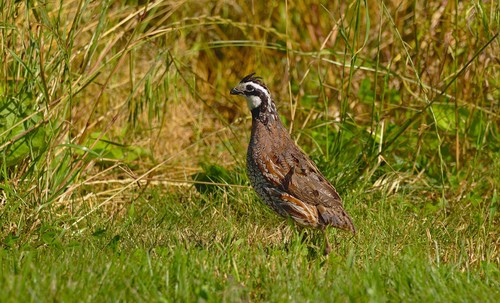
Northern Bobwhite
24-28 cm (9.5-11 in) long, 33-38 cm wingspan
Red-legged Partridge
32-34 cm (13 in) long, 47-50 cm wingspan
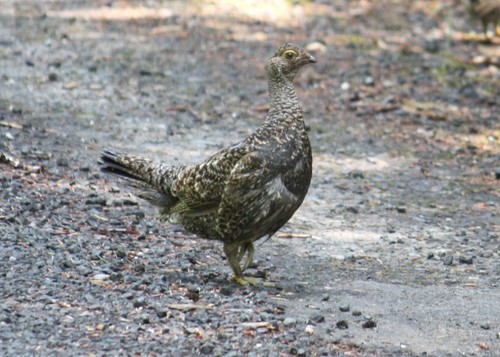
Sooty Grouse
43-48 cm (17-19 in) long; males larger than females
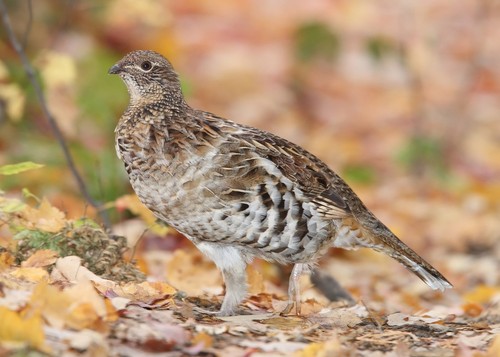
Ruffed Grouse
40-48 cm (16-19 in) long, 50-64 cm (20-25 in) wingspan