
Congo Peafowl
Afropavo congensis
A secretive rainforest pheasant endemic to the Congo Basin, notable as the only peafowl species native to Africa and for lacking the elaborate train of its Asian relatives.
- Size
- Males about 64-70 cm long; females slightly smaller; no elaborate train
- Habitat
- Dense lowland tropical rainforest of the Congo Basin
- Type
- gamebird
Spotted a bird like this?
Identify any bird from a photo, free.
Overview
The Congo Peafowl is Africa's only native peafowl species and one of the last large bird species to be scientifically described, in 1936, after ornithologist James Chapin recognized an unusual feather in a Congolese headdress. It lives deep within the rainforests of the Democratic Republic of the Congo and is rarely seen due to its shy, elusive habits.
Males are dark, glossy blue-violet and green over the body with bare red skin on the throat and neck, black underparts, and a distinctive white, bristly crest of upright feathers. Unlike Asian peafowl, males have no long ornamental train; the tail is relatively short and unadorned. Females are duller, with chestnut-brown body plumage, a metallic green back, and a shorter blackish crest.
How to identify it
Key field marks
- Compact build with no elongated train (a key difference from Asian peafowl)
- Male: glossy blue-violet body, bare red throat skin, white bristly crest
- Female: chestnut-brown body, green-glossed back and wings, dark crest
- Bare, reddish facial skin in both sexes
Similar species
No other peafowl or large galliform overlaps its range; guineafowl and forest francolins found in the same forests are much smaller and lack the crest and iridescent plumage.
Habitat & range
Habitat
Congo Peafowl inhabit dense, undisturbed primary and mature secondary lowland and submontane rainforest, favoring areas with a closed canopy.
Range
Endemic to the central Democratic Republic of the Congo (Congo Basin), with a fragmented distribution across several forest blocks.
Migration
The species is non-migratory and sedentary, remaining within its forest home range year-round.
Behavior & voice
Behavior
Congo Peafowl are extremely shy and difficult to observe, typically encountered in pairs or small family groups walking quietly through forest undergrowth.
Voice
Vocalizations include loud, resonant duetting calls between paired birds, along with harsher alarm notes; calls are most often heard at dawn.
Feeding
They forage on the forest floor for fallen fruit, seeds, and invertebrates such as insects and other small invertebrates.
Nesting and breeding
Congo Peafowl are believed to be largely monogamous, nesting on the ground or in low vegetation; clutches are small, and breeding biology in the wild remains incompletely studied due to the species' secrecy and remote habitat.
Frequently asked questions
Is the Congo Peafowl related to the Indian Peafowl?
They are both in the pheasant family (Phasianidae) but the Congo Peafowl is placed in its own genus, Afropavo, and is only distantly related to the Asian peafowl genus Pavo.
Why doesn't the Congo Peafowl have a long train?
It never evolved the elongated, ocellated train feathers seen in Asian peafowl; its tail is comparatively short in both sexes.
Where is the Congo Peafowl found?
It is endemic to lowland rainforest in the Democratic Republic of the Congo and found nowhere else in the world.
Is the Congo Peafowl endangered?
It is listed as Vulnerable, threatened by deforestation, hunting, and regional instability that hampers conservation efforts.
When was the Congo Peafowl discovered?
It was formally described in 1936 by James Chapin, making it one of the last large bird species discovered by Western science.
Congo Peafowl guides
In-depth guides for identifying, finding, and understanding Congo Peafowl.
Other birds you may enjoy
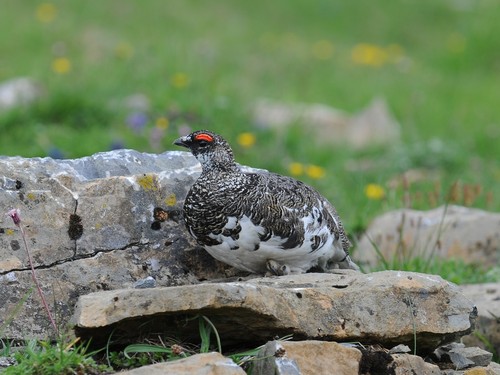
Rock Ptarmigan
34-36 cm (13-14 in) long
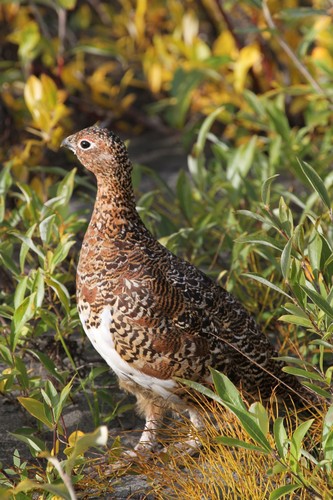
Willow Ptarmigan
37-42 cm (15-16.5 in) long
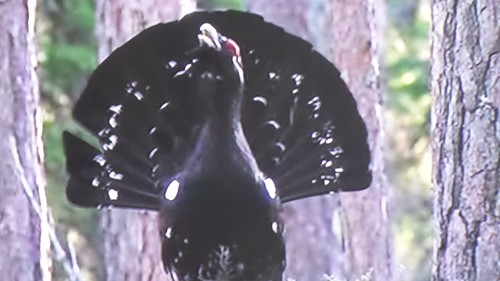
Western Capercaillie
male 74-90 cm (29-35 in), female 54-64 cm; male wingspan up to 125-130 cm
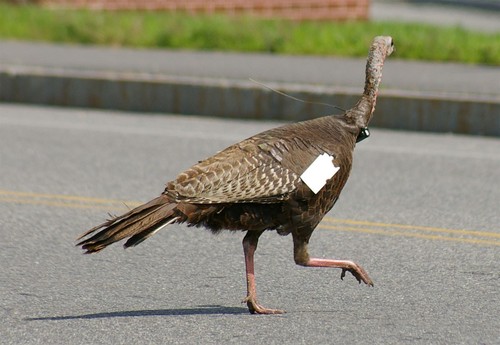
Wild Turkey
males 100-125 cm (39-49 in) long; females smaller, around 76-95 cm (30-37 in)
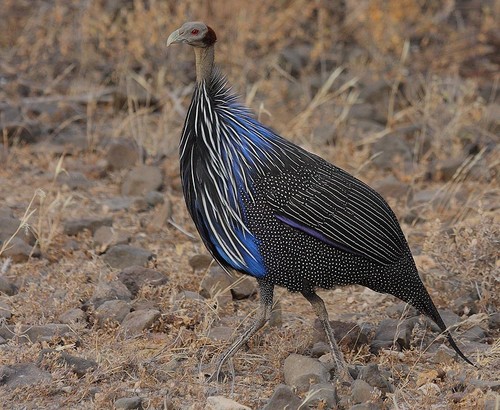
Vulturine Guineafowl
Length 61-71 cm, the largest guineafowl species, with a notably long neck and tail
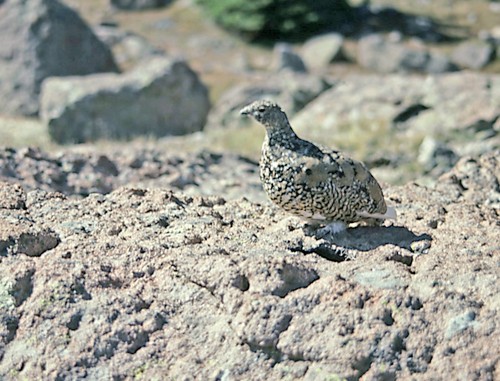
White-tailed Ptarmigan
30-33 cm (12-13 in) long; the smallest ptarmigan species
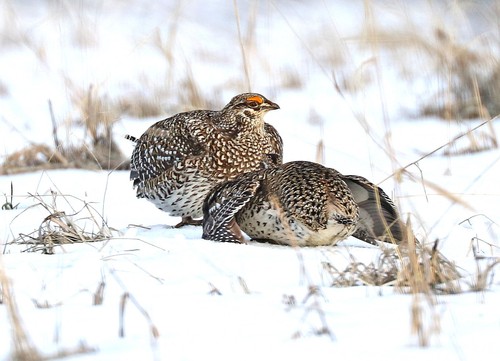
Sharp-tailed Grouse
38-48 cm (15-19 in) long
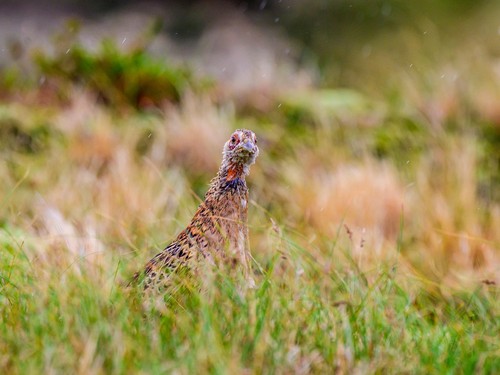
Ring-necked Pheasant
males 76-90 cm (30-35 in) long including a long tail; females smaller, 55-65 cm (22-26 in)
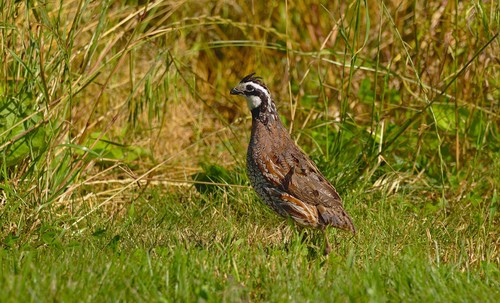
Northern Bobwhite
24-28 cm (9.5-11 in) long, 33-38 cm wingspan
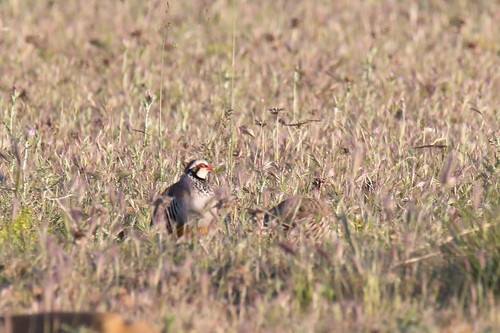
Red-legged Partridge
32-34 cm (13 in) long, 47-50 cm wingspan
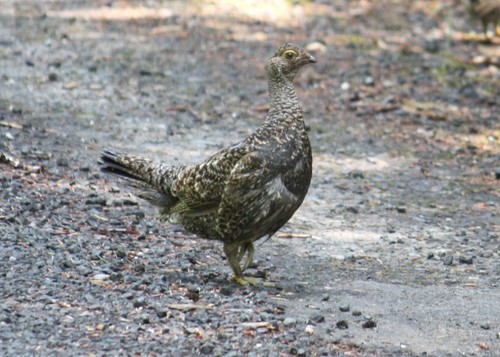
Sooty Grouse
43-48 cm (17-19 in) long; males larger than females
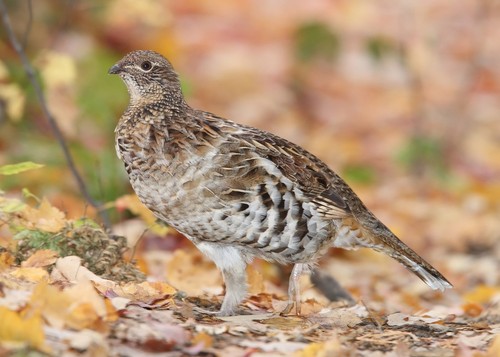
Ruffed Grouse
40-48 cm (16-19 in) long, 50-64 cm (20-25 in) wingspan