
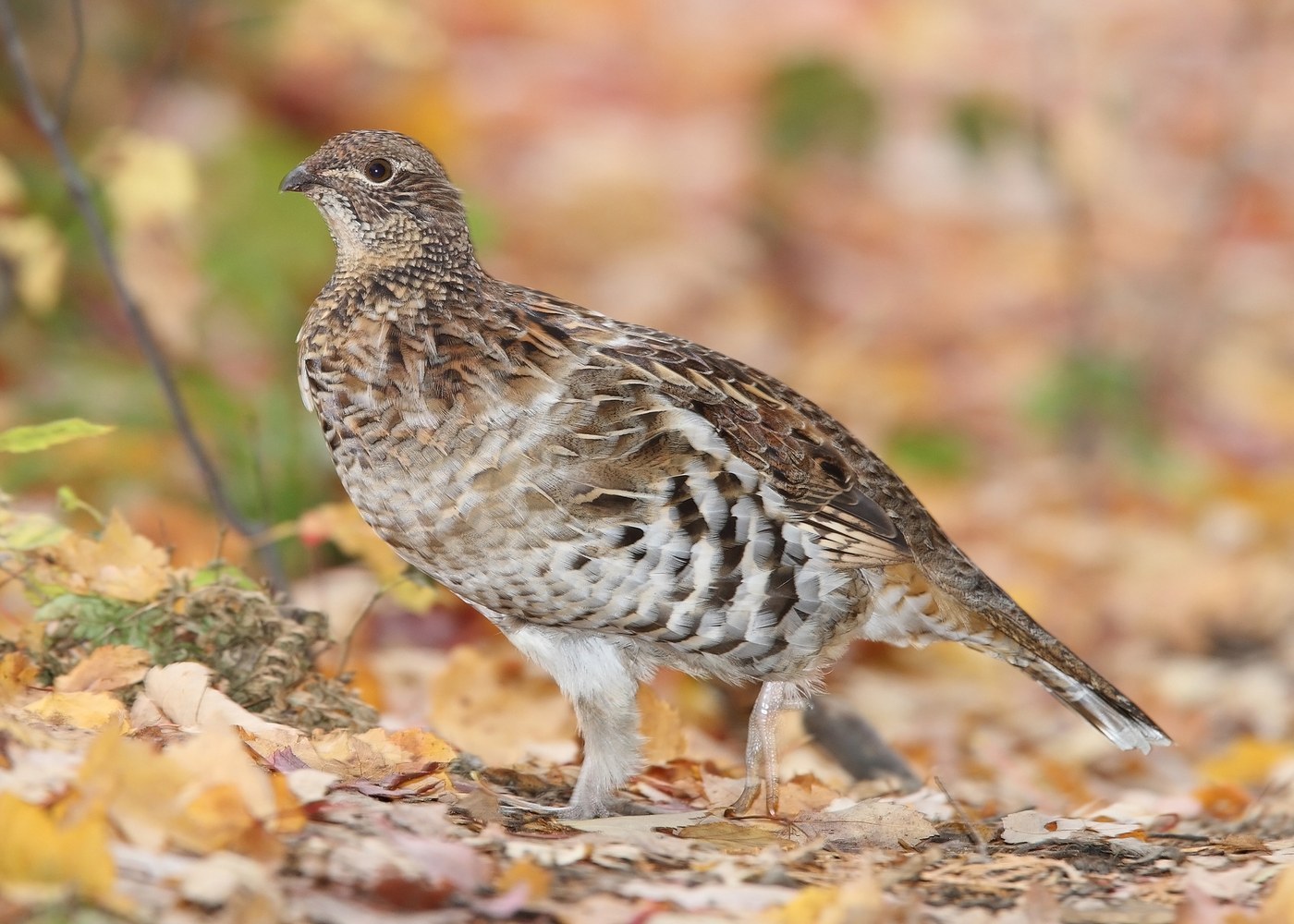
Ruffed Grouse
Bonasa umbellus
A woodland grouse famous for the male's low, accelerating wing-drumming display that resembles a distant engine starting up.
- Size
- 40-48 cm (16-19 in) long, 50-64 cm (20-25 in) wingspan
- Habitat
- deciduous and mixed forests, especially young aspen and birch stands
- Type
- gamebird
Spotted a bird like this?
Identify any bird from a photo, free.
Overview
The Ruffed Grouse is a medium-sized, chunky forest grouse found across a broad swath of North American woodlands. Plumage is intricately patterned in mottled browns, grays, and buffs that provide excellent camouflage against leaf litter and bark, and the species occurs in two color morphs, red and gray, that vary geographically. Both sexes have a fan-shaped tail with a bold dark subterminal band and tufts of dark neck feathers (the "ruff") that males erect during courtship display, along with a small crest.
How to identify it
Key field marks
- Mottled brown or gray plumage, cryptically patterned overall
- Fan-shaped tail with a broad, dark, near-complete subterminal band
- Small crest and dark neck ruff, most conspicuous when displaying
- Explosive, startling flush from forest understory
Similar species
Spruce Grouse and Dusky/Sooty Grouse overlap in range in parts of the north and west but are darker overall and lack the Ruffed Grouse's strongly banded fan tail and mottled, bark-like camouflage pattern.
Habitat & range
Habitat and Range
Ruffed Grouse favor deciduous and mixed forests, particularly successional stands of aspen, birch, and alder that provide both dense brushy cover and abundant buds for winter food.
Range
The species is widespread across Canada, the northern and Appalachian United States, and the Pacific Northwest, generally following the boreal and northern hardwood forest belt.
Migration
Ruffed Grouse are non-migratory and typically spend their entire life within a small home range of a few dozen acres.
Behavior & voice
Behavior
Males perform a distinctive drumming display, standing on a log and beating their wings in an accelerating series of thumps to create a low, muffled sound that carries through the forest, used to attract mates and declare territory rather than a true vocalization.
Voice
Besides drumming, Ruffed Grouse give soft clucks and hisses; the drumming itself is often mistaken for a distant motor starting up.
Feeding
They feed on tree buds and catkins (especially aspen) in winter, switching to leaves, berries, and insects in the warmer months; chicks rely heavily on insects for protein.
Nesting and breeding
Males are non-territorial beyond their drumming logs and take no part in raising young. The hen nests on the ground at the base of a tree or under brush, laying 9-14 eggs.
Frequently asked questions
What is the drumming sound Ruffed Grouse make?
It is a non-vocal display in which the male beats his wings rapidly against the air while standing on a log, producing a low, accelerating thumping sound used to attract mates and mark territory.
Do Ruffed Grouse come in different colors?
Yes, the species has a red morph and a gray morph that vary in the color of the tail and body plumage, with the gray morph more common in colder, northern regions.
Where do Ruffed Grouse live?
They inhabit deciduous and mixed forests across Canada, the northern US, the Appalachians, and the Pacific Northwest, favoring young aspen and birch stands.
What do Ruffed Grouse eat in winter?
In winter they rely heavily on the buds and catkins of trees such as aspen, birch, and alder.
Ruffed Grouse guides
In-depth guides for identifying, finding, and understanding Ruffed Grouse.
Other birds you may enjoy
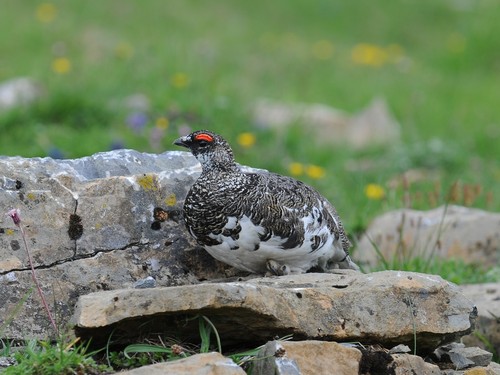
Rock Ptarmigan
34-36 cm (13-14 in) long
Congo Peafowl
Males about 64-70 cm long; females slightly smaller; no elaborate train
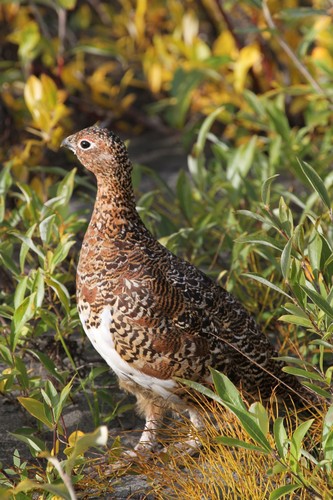
Willow Ptarmigan
37-42 cm (15-16.5 in) long
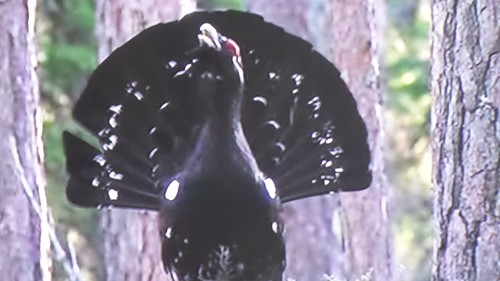
Western Capercaillie
male 74-90 cm (29-35 in), female 54-64 cm; male wingspan up to 125-130 cm
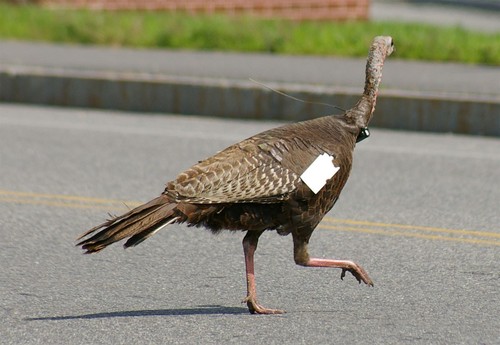
Wild Turkey
males 100-125 cm (39-49 in) long; females smaller, around 76-95 cm (30-37 in)
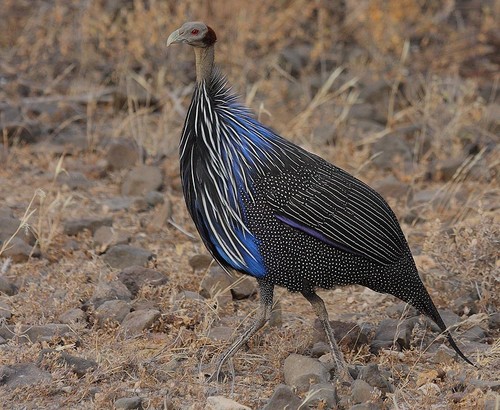
Vulturine Guineafowl
Length 61-71 cm, the largest guineafowl species, with a notably long neck and tail
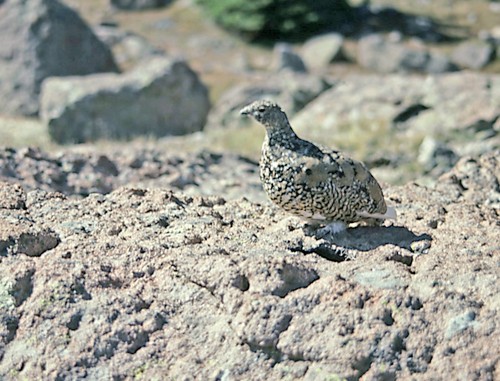
White-tailed Ptarmigan
30-33 cm (12-13 in) long; the smallest ptarmigan species
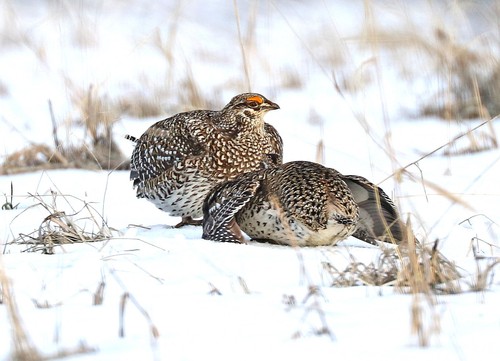
Sharp-tailed Grouse
38-48 cm (15-19 in) long
Ring-necked Pheasant
males 76-90 cm (30-35 in) long including a long tail; females smaller, 55-65 cm (22-26 in)
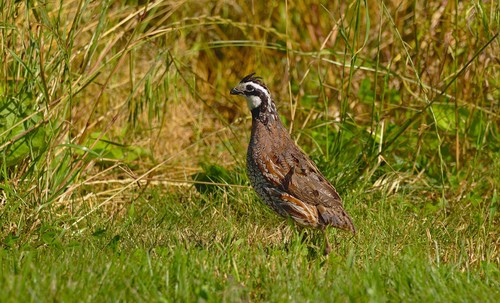
Northern Bobwhite
24-28 cm (9.5-11 in) long, 33-38 cm wingspan
Red-legged Partridge
32-34 cm (13 in) long, 47-50 cm wingspan
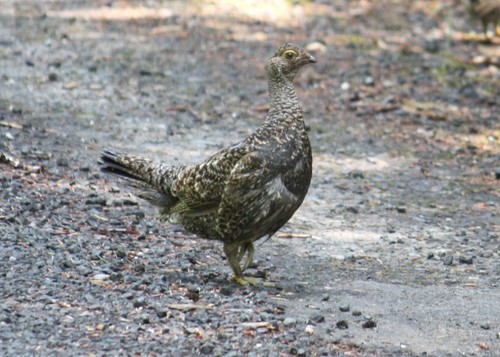
Sooty Grouse
43-48 cm (17-19 in) long; males larger than females