
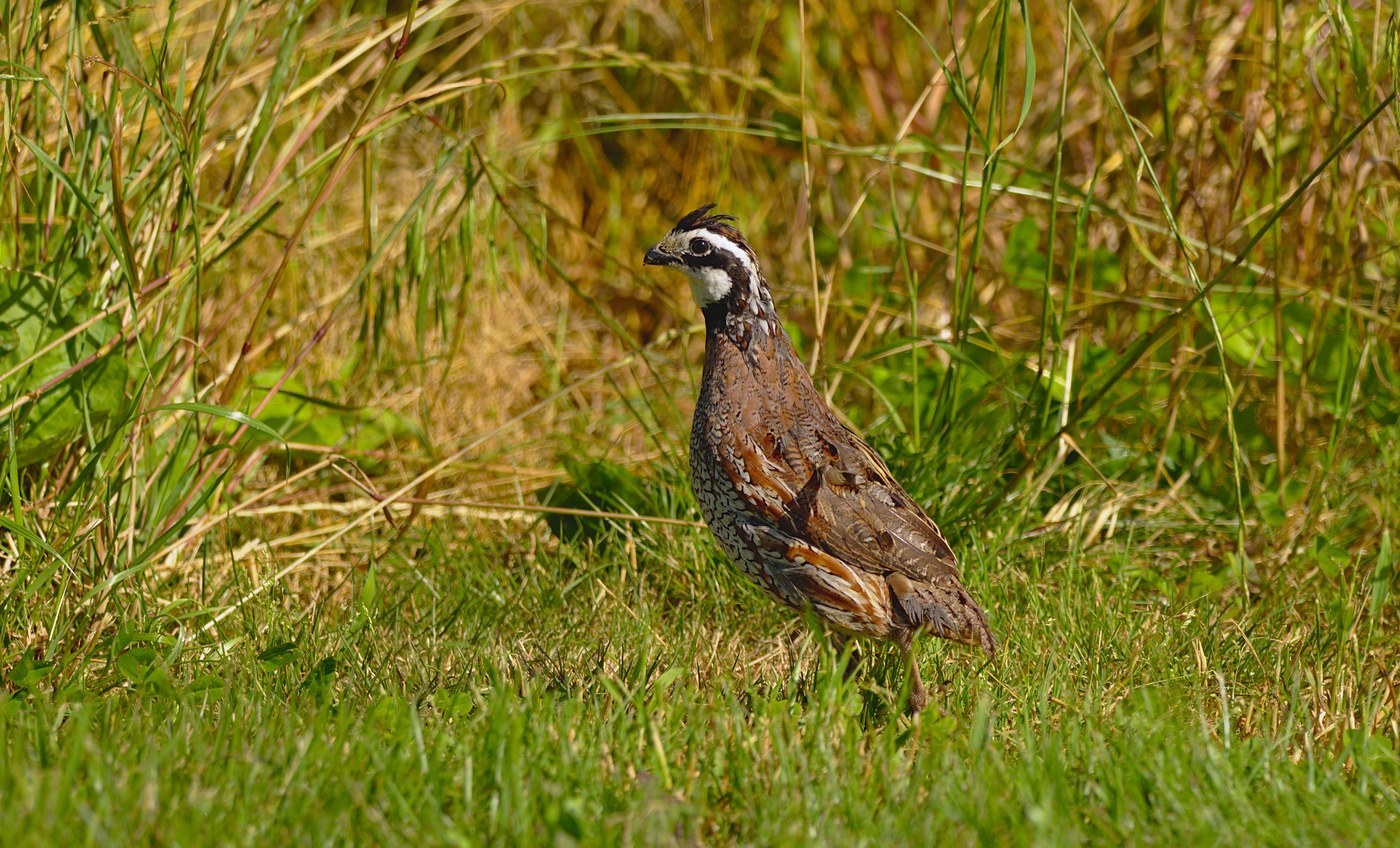
Northern Bobwhite
Colinus virginianus
A small, round-bodied quail of eastern grasslands, named for the male's clear, whistled "bob-WHITE" call.
- Size
- 24-28 cm (9.5-11 in) long, 33-38 cm wingspan
- Habitat
- grasslands, brushy fields, and open pine woodland edges
- Type
- gamebird
Spotted a bird like this?
Identify any bird from a photo, free.
Overview
The Northern Bobwhite is a small, plump, ground-dwelling quail well known for its cheerful, whistled call, which gives the species its name. Males are boldly patterned, with a black-bordered white eyebrow stripe and throat set against a mottled reddish-brown, gray, and buff body finely marked with black scaling. Females show a similar but more subdued pattern, with the white facial markings replaced by buff. Once abundant across much of its range, the species has suffered significant population declines linked to loss of the open grassland and brushy habitats it depends on.
How to identify it
Key Field Marks
- Small, round-bodied quail with a short tail
- Male: bold white eyebrow and throat stripes bordered in black
- Female: buffy version of the same head pattern, without the black borders
- Body mottled reddish-brown, gray, and buff with fine black scaling below
Similar Species
- Scaled Quail has a plain gray body with a distinctive scaled pattern and a white bushy crest, lacking the bold black-and-white face stripes.
- California and Gambel's Quail both have a forward-curving topknot plume that Bobwhites lack.
Habitat & range
Habitat
Northern Bobwhites favor a mosaic of grasslands, brushy old fields, hedgerows, and open pine woodland with a well-developed understory, needing dense ground cover for nesting and escape from predators.
Range
They are found across the eastern and central United States, from the Great Lakes and mid-Atlantic states south to Florida and west to the Great Plains and Texas, extending into eastern Mexico.
Migration
Northern Bobwhites are nonmigratory, remaining in the same general area year-round, though they may shift locally in response to habitat and weather conditions.
Behavior & voice
Behavior
Bobwhites are highly social outside the breeding season, forming tight family groups called coveys that roost together in a circle, facing outward for predator vigilance and warmth.
Voice
The male's clear, whistled "bob-WHITE" call is one of the most recognizable sounds of eastern farmland and open country during the breeding season; coveys also give soft contact calls to stay in touch while foraging.
Feeding
They forage on the ground for seeds, waste grain, green leaves, and insects, the latter being especially important for growing chicks.
Nesting
A well-hidden nest of grasses is built on the ground, typically in dense cover, and Northern Bobwhites may raise more than one brood in a season, with young able to leave the nest and feed themselves within hours of hatching.
Frequently asked questions
Why is the Northern Bobwhite called that?
Its name comes from the male's distinctive whistled call, which sounds like "bob-WHITE" and is commonly heard across its range during the breeding season.
Why are Northern Bobwhite populations declining?
Loss of grassland, brushy old-field, and open woodland habitat due to agricultural intensification, development, and forest maturation has driven significant long-term population declines.
What is a covey of quail?
A covey is a tight social group of bobwhites, typically composed of family members, that roost together in a circle facing outward and forage together for safety and warmth.
How can you tell a male from a female Northern Bobwhite?
Males have bold white eyebrow and throat stripes outlined in black, while females have a similar but buffy pattern without the black borders.
Northern Bobwhite guides
In-depth guides for identifying, finding, and understanding Northern Bobwhite.
Other birds you may enjoy
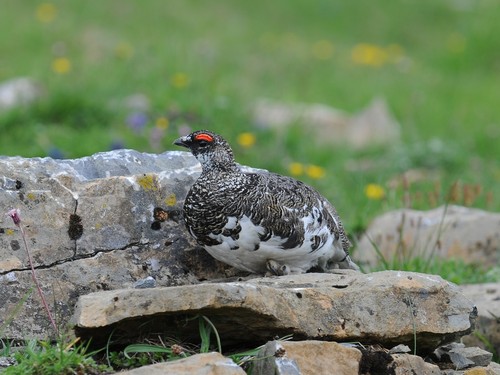
Rock Ptarmigan
34-36 cm (13-14 in) long
Congo Peafowl
Males about 64-70 cm long; females slightly smaller; no elaborate train
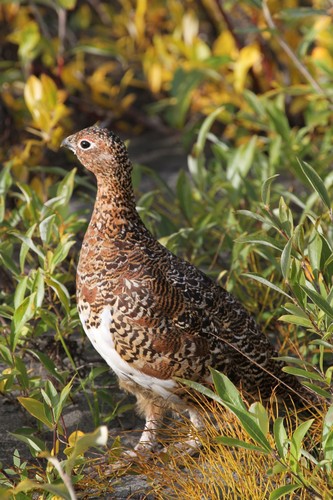
Willow Ptarmigan
37-42 cm (15-16.5 in) long
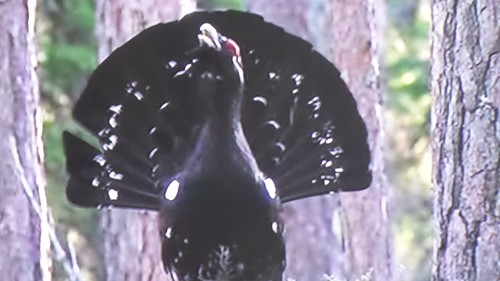
Western Capercaillie
male 74-90 cm (29-35 in), female 54-64 cm; male wingspan up to 125-130 cm
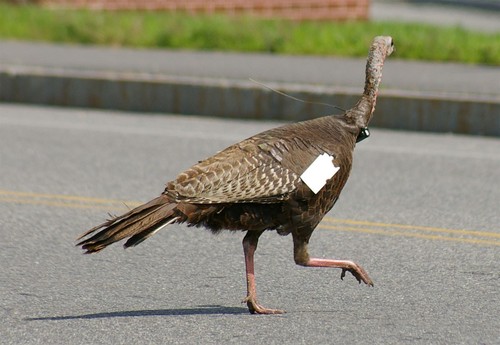
Wild Turkey
males 100-125 cm (39-49 in) long; females smaller, around 76-95 cm (30-37 in)
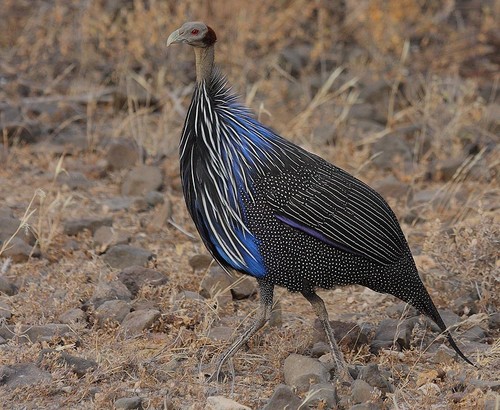
Vulturine Guineafowl
Length 61-71 cm, the largest guineafowl species, with a notably long neck and tail
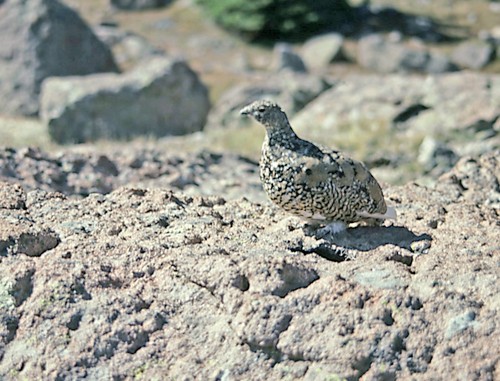
White-tailed Ptarmigan
30-33 cm (12-13 in) long; the smallest ptarmigan species
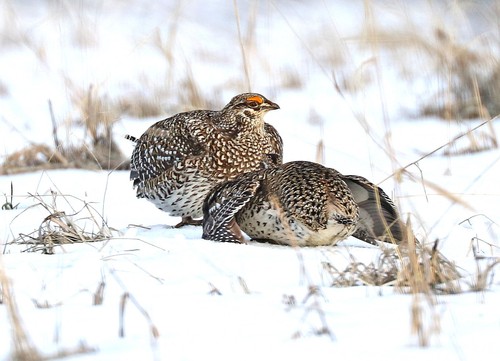
Sharp-tailed Grouse
38-48 cm (15-19 in) long
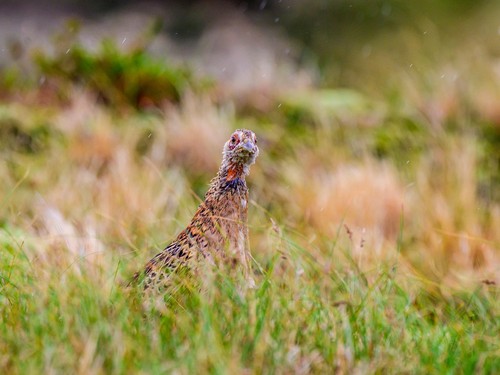
Ring-necked Pheasant
males 76-90 cm (30-35 in) long including a long tail; females smaller, 55-65 cm (22-26 in)
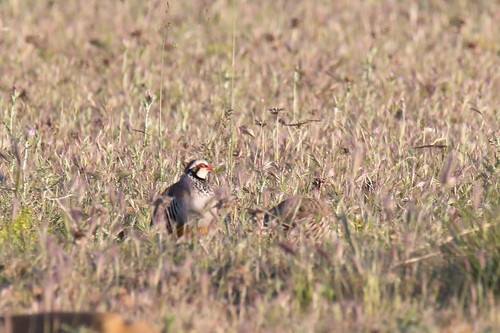
Red-legged Partridge
32-34 cm (13 in) long, 47-50 cm wingspan
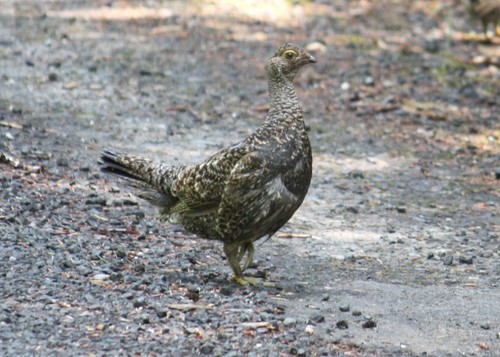
Sooty Grouse
43-48 cm (17-19 in) long; males larger than females
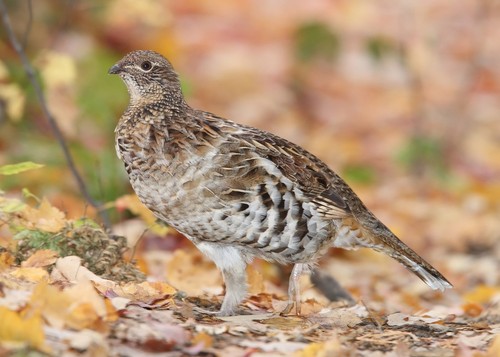
Ruffed Grouse
40-48 cm (16-19 in) long, 50-64 cm (20-25 in) wingspan