
Vulturine Guineafowl
Acryllium vulturinum
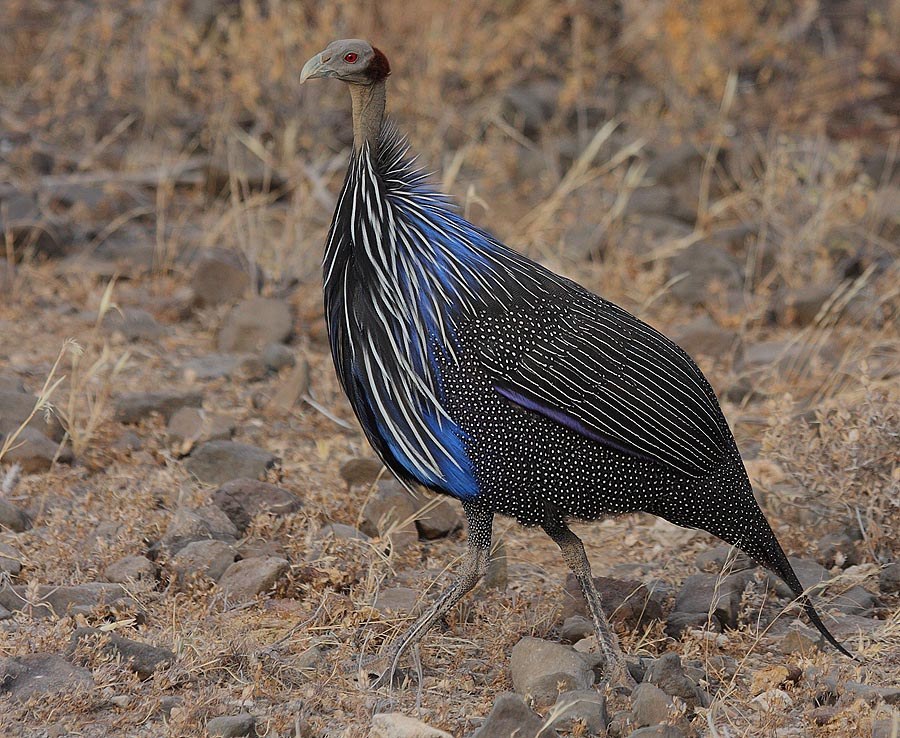
A strikingly patterned East African gamebird with a bare vulture-like blue head and cascading cobalt-blue breast plumes.
- Size
- Length 61-71 cm, the largest guineafowl species, with a notably long neck and tail
- Habitat
- Dry thorn scrub and semi-arid savanna of the Horn of Africa and East Africa
- Type
- gamebird
Spotted a bird like this?
Identify any bird from a photo, free.
Overview
The Vulturine Guineafowl is the largest and most colorful of the guineafowl, named for its bare, vulture-like head. Unlike the rounded Helmeted Guineafowl, it has a slender build with a long neck and an unusually long, pointed tail.
Appearance
- Bare blue-grey skin on the head and upper neck, lacking a bony casque
- A ruff of long, narrow, cobalt-blue and black-striped feathers cascading down the neck and breast
- Body plumage is dark, densely covered in fine white spotting, with a deep royal-blue breast patch
- Long, slender neck and long tail compared to other guineafowl
- Sexes are similar in appearance
How to identify it
Key field marks
- Bare blue head without any bony helmet
- Long, hackle-like blue-black neck plumes
- Vivid cobalt-blue breast patch
- Long neck and long tail giving a slimmer, more elegant silhouette than other guineafowl
Similar species
The Helmeted Guineafowl is more compact, has a bony casque on the head, and lacks the long blue neck hackles and bright blue breast patch of the Vulturine Guineafowl. Range also helps: Vulturine Guineafowl is restricted to dry country in the Horn of Africa and East Africa.
Habitat & range
Habitat
This species inhabits dry, thorny scrub, acacia bushland, and semi-arid savanna, typically staying near cover but foraging in open areas.
Range
It is restricted to the Horn of Africa and East Africa, including parts of Ethiopia, Somalia, Kenya, and Tanzania.
Migration
Vulturine Guineafowl are non-migratory and sedentary, remaining in stable home ranges but moving locally in search of water during dry periods.
Behavior & voice
Behavior
Vulturine Guineafowl live in tight, cohesive flocks that can number over twenty birds and maintain complex, stable social relationships across multiple family groups, an unusual trait among birds. They are strongly terrestrial, running rather than flying when disturbed, and roost communally in trees at night.
Voice
Calls include harsh chattering and cackling notes similar to other guineafowl, used to maintain contact within the flock and to signal alarm.
Feeding
They forage on the ground for seeds, bulbs, and invertebrates, scratching through soil and leaf litter, and can survive extended dry periods with minimal free water.
Nesting & breeding
Nests are shallow ground scrapes hidden in dense vegetation. Chicks are precocial and mobile shortly after hatching, and flock members may assist in guarding young.
Frequently asked questions
Why is it called Vulturine Guineafowl?
It is named for its bare, featherless head, which resembles that of a vulture, an adaptation shared for hygiene reasons.
How is it different from the Helmeted Guineafowl?
It is larger and slimmer with a longer neck and tail, has a bare blue head without a bony casque, and shows long blue neck hackles and a bright cobalt-blue breast patch.
Where do Vulturine Guineafowl live?
They are found in dry thornbush and semi-arid savanna of the Horn of Africa and East Africa, including Kenya, Ethiopia, Somalia, and Tanzania.
Do Vulturine Guineafowl fly?
They can fly but strongly prefer running on the ground, taking flight mainly to reach roosting trees or escape immediate danger.
Vulturine Guineafowl guides
In-depth guides for identifying, finding, and understanding Vulturine Guineafowl.
Other birds you may enjoy
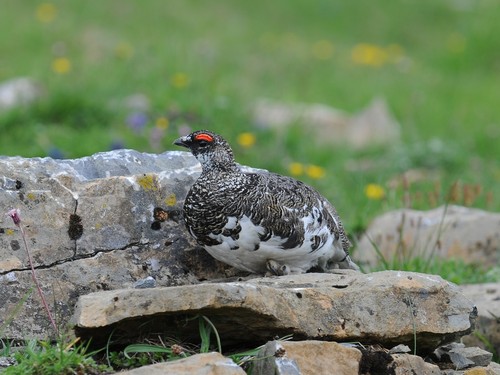
Rock Ptarmigan
34-36 cm (13-14 in) long
Congo Peafowl
Males about 64-70 cm long; females slightly smaller; no elaborate train
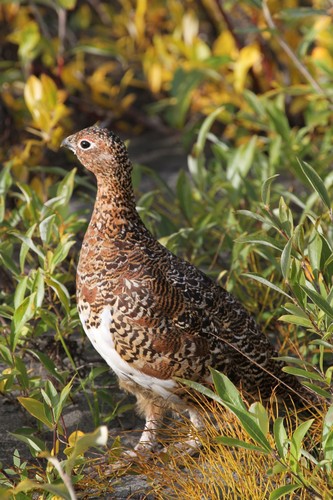
Willow Ptarmigan
37-42 cm (15-16.5 in) long
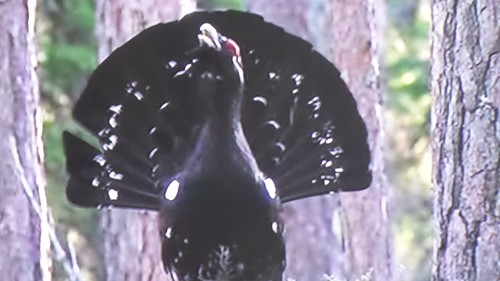
Western Capercaillie
male 74-90 cm (29-35 in), female 54-64 cm; male wingspan up to 125-130 cm
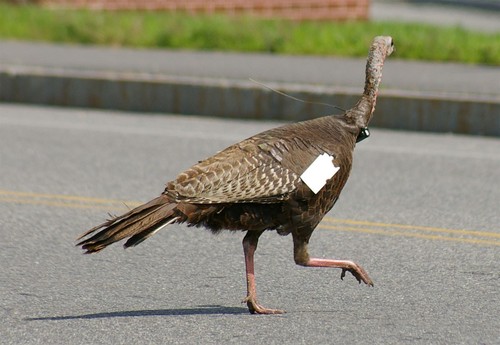
Wild Turkey
males 100-125 cm (39-49 in) long; females smaller, around 76-95 cm (30-37 in)
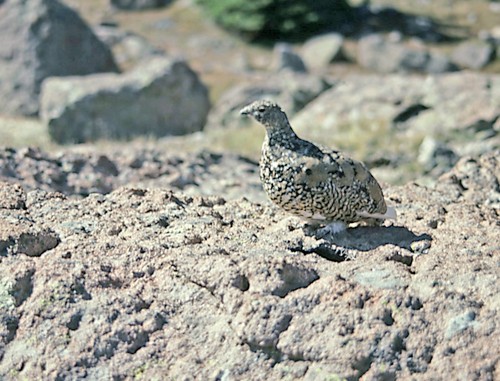
White-tailed Ptarmigan
30-33 cm (12-13 in) long; the smallest ptarmigan species
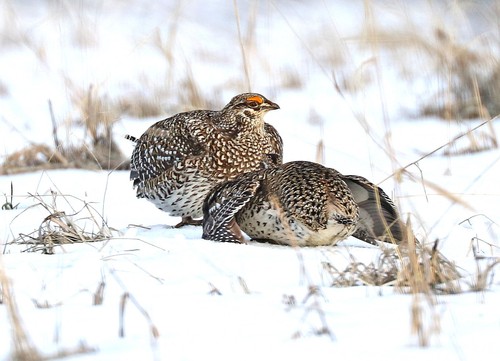
Sharp-tailed Grouse
38-48 cm (15-19 in) long
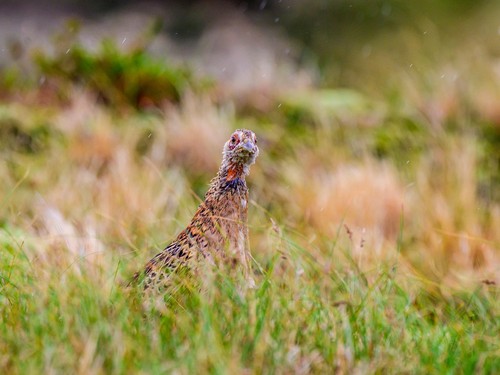
Ring-necked Pheasant
males 76-90 cm (30-35 in) long including a long tail; females smaller, 55-65 cm (22-26 in)
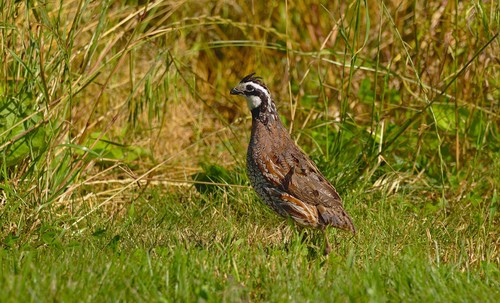
Northern Bobwhite
24-28 cm (9.5-11 in) long, 33-38 cm wingspan
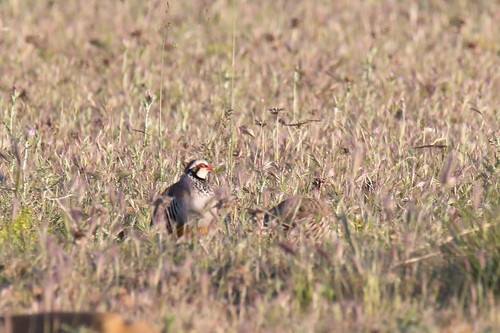
Red-legged Partridge
32-34 cm (13 in) long, 47-50 cm wingspan
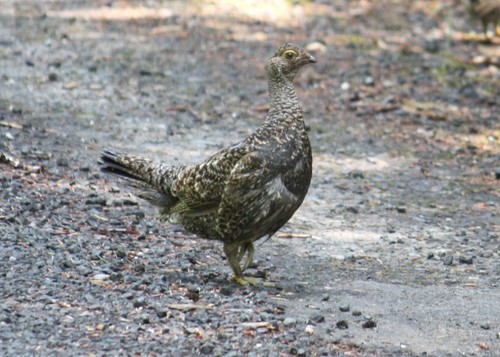
Sooty Grouse
43-48 cm (17-19 in) long; males larger than females
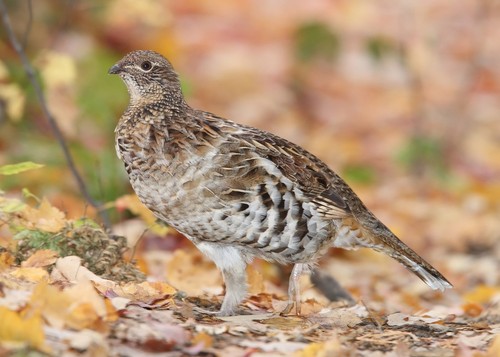
Ruffed Grouse
40-48 cm (16-19 in) long, 50-64 cm (20-25 in) wingspan