
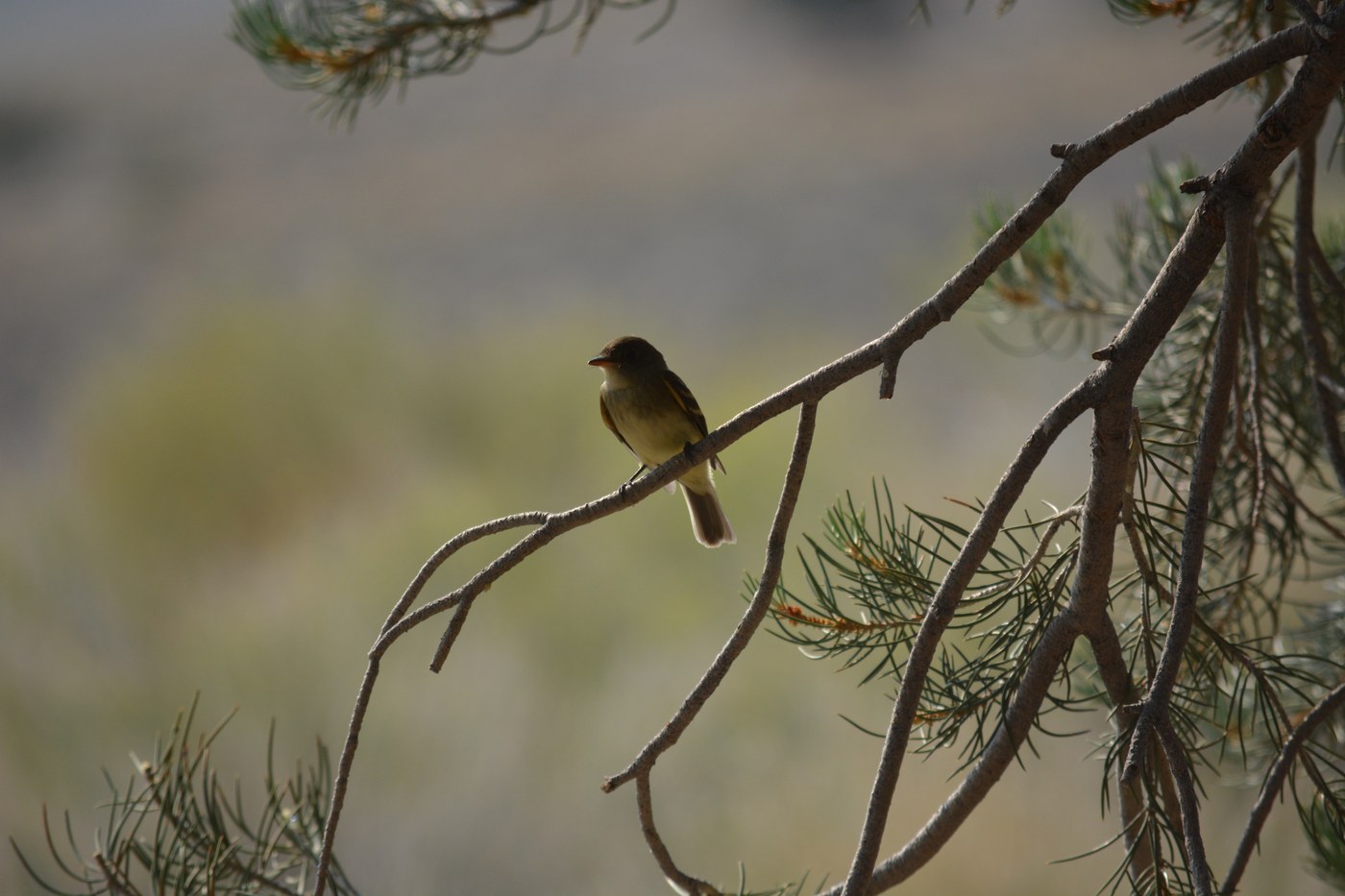
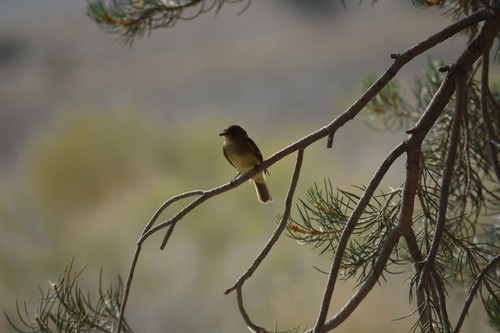
Willow Flycatcher
Empidonax traillii
A plain, greenish-brown Empidonax flycatcher best identified by its sneezy 'fitz-bew' song, breeding in dense willow thickets across North America.
- Size
- 13-17 cm (5-6.7 in) long, 19-22 cm wingspan
- Habitat
- willow thickets and shrubby wetlands across much of North America
- Type
- songbird
Spotted a bird like this?
Identify any bird from a photo, free.
Overview
The Willow Flycatcher is a classic example of the notoriously difficult-to-identify Empidonax flycatcher genus, showing plain olive-brown upperparts, a faint, often indistinct eye-ring, and pale wing bars, with little to visually separate it from several close relatives. As its name suggests, it favors dense willow and shrub thickets, particularly in wet areas, where its buzzy, sneezing song is often the only reliable way to confirm identification.
This species includes the federally endangered Southwestern Willow Flycatcher subspecies (E. t. extimus), whose riparian willow habitat in the desert Southwest has been severely reduced, making habitat conservation a priority for that population even though the species as a whole remains widespread and secure.
How to identify it
Key Field Marks
- Plain olive-brown to grayish-brown upperparts with little contrast
- Faint or absent white eye-ring (unlike most other Empidonax species)
- Two pale, buffy-white wing bars
- Whitish throat grading to a pale olive-washed breast and yellowish belly
Similar Species
- Alder Flycatcher is virtually identical in appearance and best separated by voice; the Alder Flycatcher's song is a more explosive free-beer compared to the Willow's sneezy fitz-bew.
- Least Flycatcher is smaller with a more prominent white eye-ring.
- Positive identification among Empidonax flycatchers, including this species, almost always requires hearing the voice.
Habitat & range
Willow Flycatchers breed across much of the United States and southern Canada, favoring dense shrubby vegetation, especially willow thickets, in wet meadows, along streams, and around wetland edges. Distribution and habitat needs vary by subspecies, with the Southwestern Willow Flycatcher restricted to riparian willow and tamarisk habitat in the arid Southwest.
The species winters in Mexico, Central America, and northern South America, arriving on breeding grounds later in spring than many other flycatchers.
Behavior & voice
Voice
Sings a sneezy, emphatic fitz-bew, the primary field mark distinguishing it from the nearly identical Alder Flycatcher; also gives a liquid whit call note.
Feeding
Sallies from a low perch within shrubby vegetation to catch flying insects, and also gleans prey from leaves and twigs.
Nesting
Builds a compact cup nest of grass and plant fibers low in a willow or other dense shrub, typically within a few feet of the ground; the Southwestern subspecies' dependence on specific riparian willow habitat has made nest-site availability a key conservation concern.
Frequently asked questions
How can I tell a Willow Flycatcher from an Alder Flycatcher?
The two species look nearly identical, so voice is the most reliable way to distinguish them: the Willow Flycatcher sings a sneezy 'fitz-bew' while the Alder Flycatcher gives a more explosive 'free-beer'.
Why is the Southwestern Willow Flycatcher endangered?
This subspecies depends on dense riparian willow thickets in the desert Southwest, a habitat type that has been severely reduced by water diversion, development, and invasive plant species.
What habitat does the Willow Flycatcher prefer?
It breeds in dense willow and shrub thickets, typically in wet meadows or along streams and wetland edges.
Where do Willow Flycatchers spend the winter?
They migrate to winter in Mexico, Central America, and northern South America.
Willow Flycatcher guides
In-depth guides for identifying, finding, and understanding Willow Flycatcher.
Other birds you may enjoy
Black Redstart
13-14.5 cm (5.1-5.7 in) long, 23-26 cm wingspan
Black-throated Sparrow
12-14 cm (4.7-5.5 in) long, about 19-20 cm (7.5-8 in) wingspan
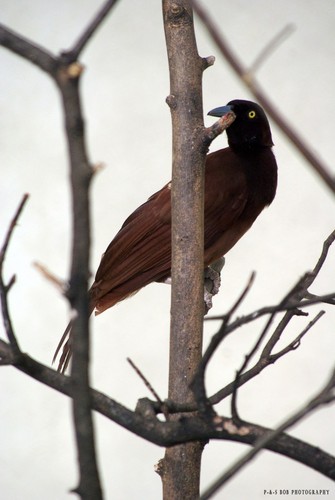
Greater Bird-of-paradise
Body about 43 cm; males with additional flank plumes up to 50 cm and long tail wires
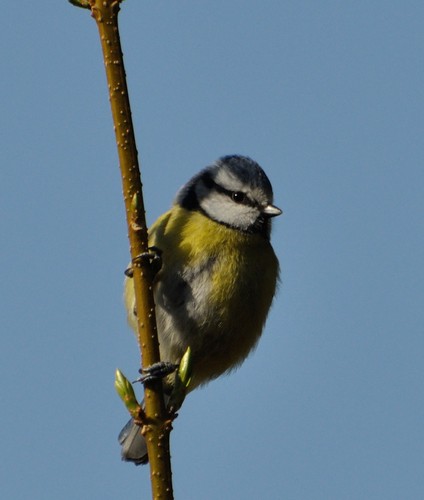
Blue Tit
11-12 cm (4.3-4.7 in) long, 17-20 cm wingspan

Red-billed Quelea
11.5–13 cm long, wingspan about 20–22 cm
White-plumed Antbird
13-14 cm (5-5.5 in) long
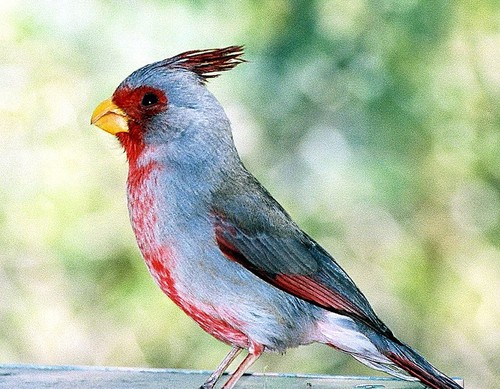
Pyrrhuloxia
19-22 cm (7.5-8.7 in) long, 30 cm wingspan
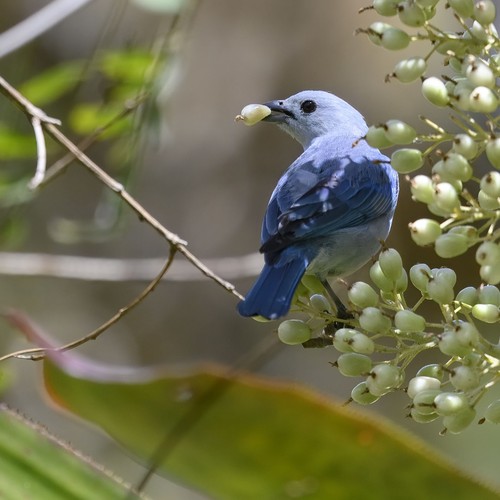
Blue-gray Tanager
16-18 cm (6-7 in) long
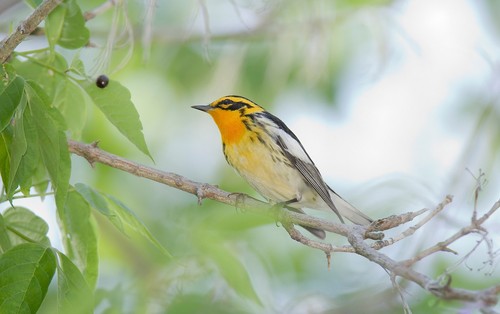
Blackburnian Warbler
11-13 cm (4.3-5.1 in) long, 20-22 cm wingspan
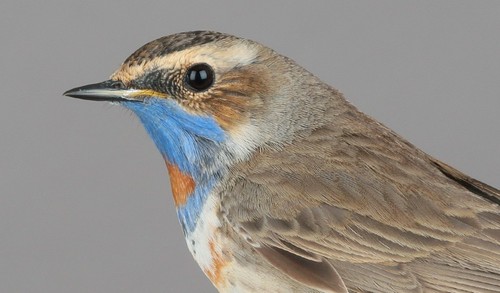
Bluethroat
13-14 cm (5.1-5.5 in) long, 20-22 cm wingspan
Eurasian Nuthatch
12-14.5 cm (4.7-5.7 in) long, 22.5-27 cm wingspan
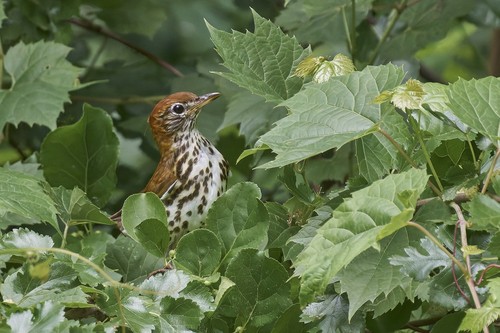
Wood Thrush
19-21 cm (7.5-8.3 in) long, about 33 cm (13 in) wingspan