
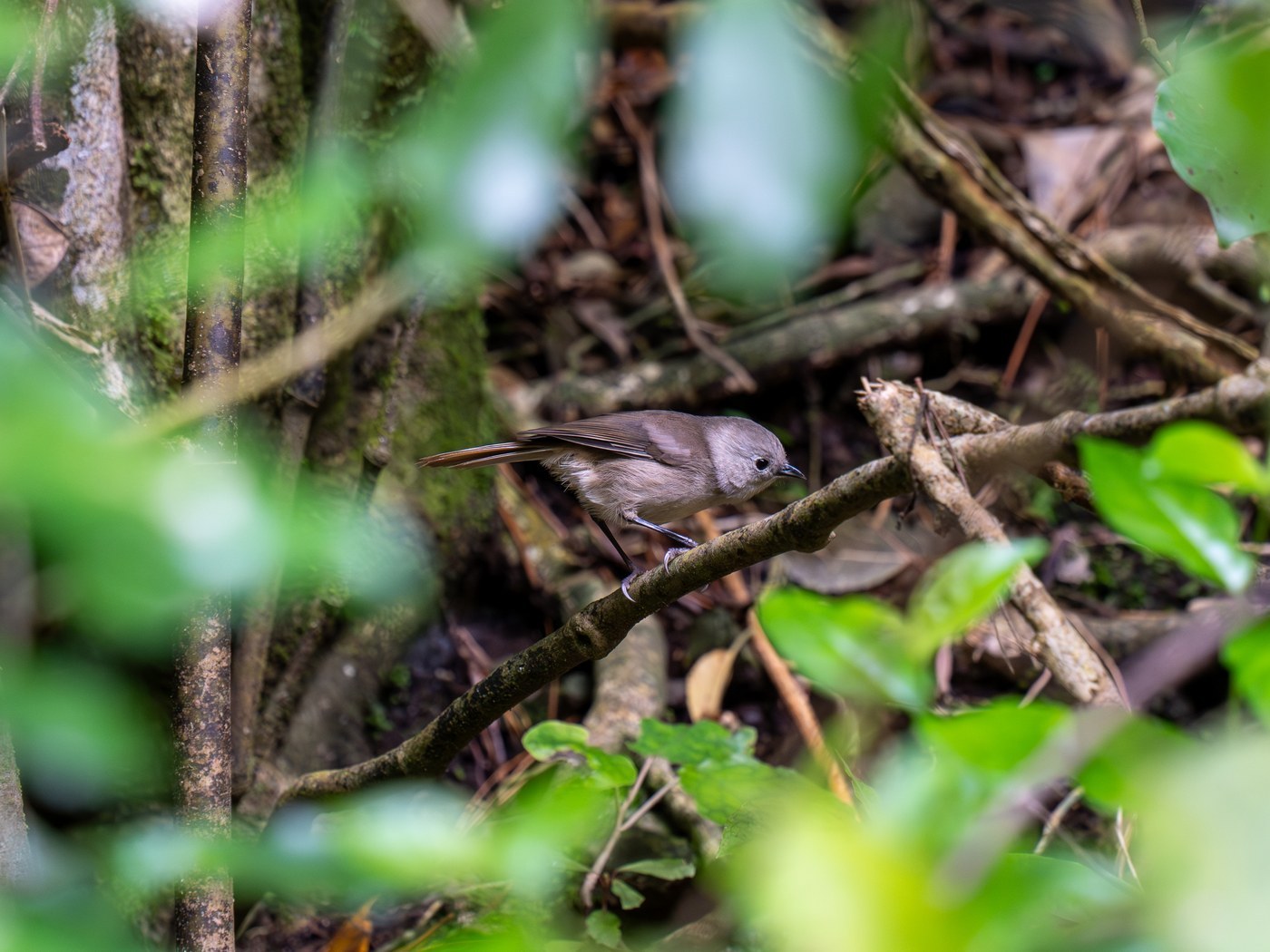
Whitehead
Mohoua albicilla
A small, sociable North Island endemic songbird with a plain grey-brown body and a distinctive whitish head, usually encountered in noisy, active foraging flocks.
- Size
- 15 cm (6 in) long
- Habitat
- native forest of the North Island, New Zealand
- Type
- songbird
Spotted a bird like this?
Identify any bird from a photo, free.
Overview
The Whitehead is a small, plain New Zealand endemic songbird best identified by its name-giving feature: a pale, whitish head and breast that contrast with warmer grey-brown upperparts, wings, and tail. Males show a cleaner, brighter white head than the somewhat duller females, but both sexes share the same overall soft, understated coloring.
Restricted entirely to the North Island and nearby offshore islands, the Whitehead is a highly social bird, usually found moving through the forest in small, active, chattering flocks that often include other small insectivorous species, gleaning insects from bark, leaves, and moss as they go.
How to identify it
Key field marks
- Small size with a pale whitish head and breast
- Grey-brown upperparts, wings, and tail
- Short, thin bill suited to gleaning insects
- Usually encountered in active, chattering flocks
Similar species
- Yellowhead, its close relative on the South Island, has a bright yellow head rather than white and does not overlap in range.
- Brown Creeper, also a South Island species, is superficially similar in shape but has a streaked brown head, not a whitish one, and again does not overlap geographically.
Habitat & range
Habitat
Found in native forest, including regenerating and mature stands, as well as some exotic pine plantations.
Range
Endemic to the North Island of New Zealand and a number of surrounding offshore islands, where translocated populations have also been established as part of conservation efforts.
Migration
Non-migratory and sedentary, remaining within forest home ranges year-round.
Behavior & voice
Behavior
Highly social, typically foraging in small flocks that move rapidly through the forest, gleaning food from bark, foliage, and moss; often acts as a host species for the parasitic Long-tailed Cuckoo.
Voice
A cheerful, high-pitched chirping and chattering song, along with sharp contact calls that help flock members stay together while foraging.
Feeding
Feeds mainly on insects and spiders gleaned from bark, leaves, and moss, supplemented with small fruits.
Nesting
Builds a compact cup nest of moss, bark, and cobwebs in dense foliage; typically raises two broods per season and is a frequent host of the parasitic Long-tailed Cuckoo.
Frequently asked questions
How do you identify a Whitehead?
Look for a small, plain grey-brown bird with a distinctly pale, whitish head and breast, usually seen in active foraging flocks.
Is the Whitehead related to the Yellowhead?
Yes, the Whitehead and Yellowhead are closely related New Zealand endemics; the Whitehead occurs on the North Island while the Yellowhead is found on the South Island.
What does a Whitehead eat?
Mainly insects and spiders gleaned from bark and foliage, along with some small fruits.
Where can you find a Whitehead?
In native forests of the North Island of New Zealand and on several offshore islands with conservation populations.
Whitehead guides
In-depth guides for identifying, finding, and understanding Whitehead.
Other birds you may enjoy
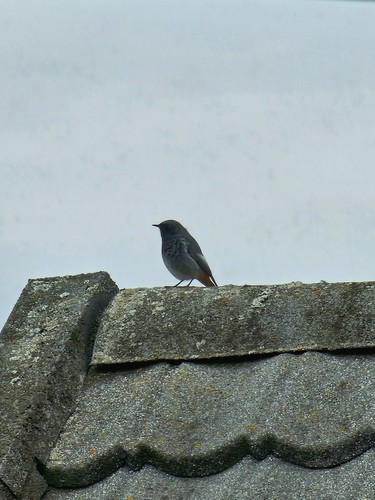
Black Redstart
13-14.5 cm (5.1-5.7 in) long, 23-26 cm wingspan
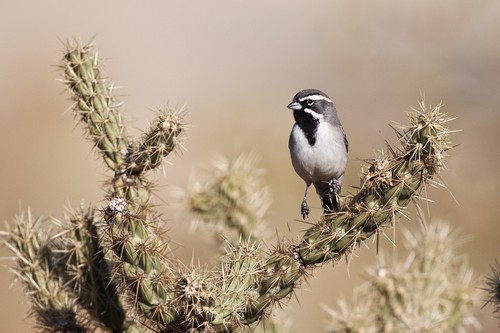
Black-throated Sparrow
12-14 cm (4.7-5.5 in) long, about 19-20 cm (7.5-8 in) wingspan
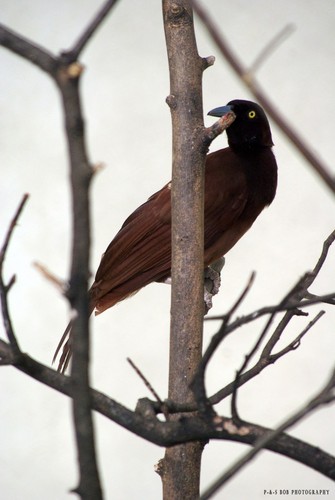
Greater Bird-of-paradise
Body about 43 cm; males with additional flank plumes up to 50 cm and long tail wires
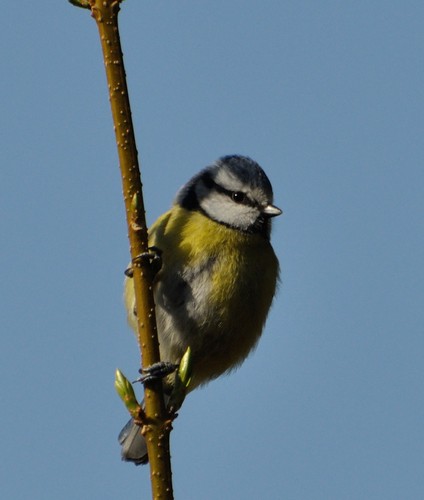
Blue Tit
11-12 cm (4.3-4.7 in) long, 17-20 cm wingspan
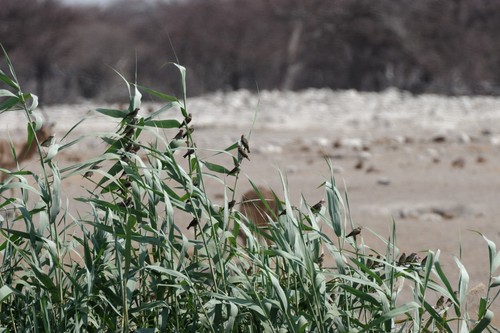
Red-billed Quelea
11.5–13 cm long, wingspan about 20–22 cm
White-plumed Antbird
13-14 cm (5-5.5 in) long
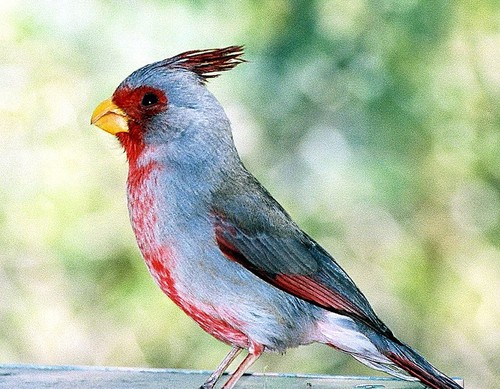
Pyrrhuloxia
19-22 cm (7.5-8.7 in) long, 30 cm wingspan
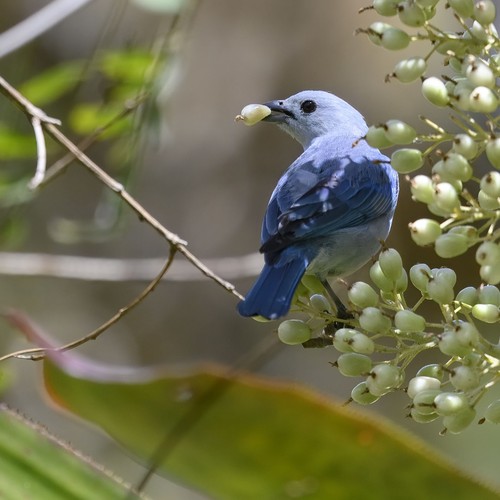
Blue-gray Tanager
16-18 cm (6-7 in) long
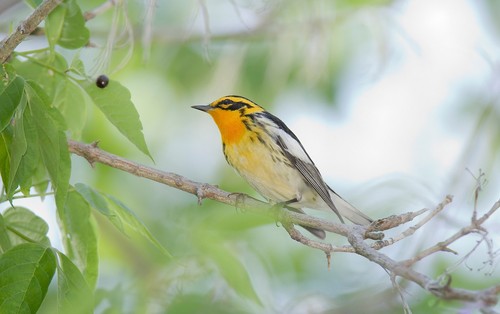
Blackburnian Warbler
11-13 cm (4.3-5.1 in) long, 20-22 cm wingspan
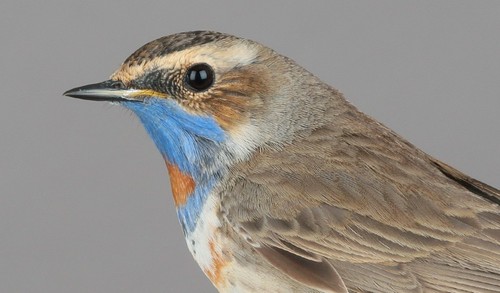
Bluethroat
13-14 cm (5.1-5.5 in) long, 20-22 cm wingspan
Eurasian Nuthatch
12-14.5 cm (4.7-5.7 in) long, 22.5-27 cm wingspan
Wood Thrush
19-21 cm (7.5-8.3 in) long, about 33 cm (13 in) wingspan