
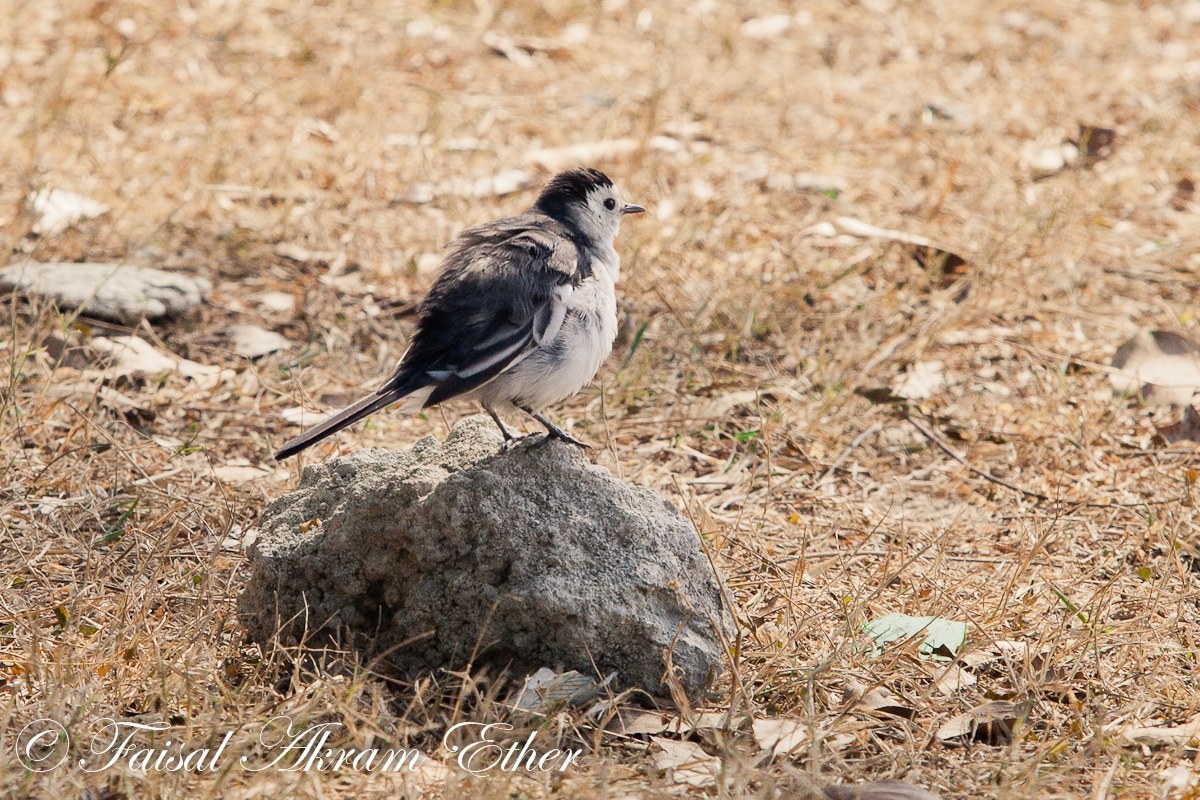
White Wagtail
Motacilla alba
A slim, long-tailed black, white, and grey bird, constantly wagging its tail as it darts about open ground catching insects, equally at home in farmland or city centres.
- Size
- 16.5-19 cm (6.5-7.5 in) long, 25-30 cm wingspan
- Habitat
- open ground near water, farmland, urban areas, car parks, and rooftops
- Type
- songbird
Spotted a bird like this?
Identify any bird from a photo, free.
Overview
The White Wagtail is a slim, long-tailed bird with a striking pattern of black, white, and grey, instantly recognisable by its habit of constantly pumping its long tail up and down as it walks and runs. Breeding males show a crisp black cap, black bib, and clean grey back, contrasting with a white face and underparts, while females and non-breeding birds are somewhat duller.
Its long legs and slender build suit its foraging style: quick, energetic runs across open ground interspersed with sudden dashes or short aerial leaps to catch insects.
The species includes several regional forms across its very wide range, with the black-backed Pied Wagtail of Britain and Ireland treated as a distinctive subspecies of the White Wagtail.
How to identify it
Key field marks
- Black, white, and grey plumage with a long, constantly wagging tail
- Black cap and bib in breeding males, contrasting with white face
- Grey back (in the nominate White Wagtail form)
- Long, slender legs suited to fast ground movement
- White wing bars visible on folded and open wings
Similar species
- Pied Wagtail (subspecies of White Wagtail in Britain/Ireland): shows a black rather than grey back, otherwise very similar in shape and behaviour.
- Grey Wagtail: much longer tail relative to body, yellow underparts, and a preference for fast-flowing water rather than open ground generally.
- Yellow Wagtail: shorter tail, olive-green upperparts, and bright yellow underparts, quite different in overall colour tone.
Habitat & range
White Wagtails have one of the broadest breeding distributions of any European songbird, occurring across virtually the whole of Europe and much of Asia, and occupying an equally broad range of open habitats: farmland, riverbanks, lake shores, car parks, rooftops, and urban plazas.
Northern and eastern populations are migratory, wintering in southern Europe, Africa, and southern Asia, while some southern and western populations, including many Pied Wagtails in Britain, are largely resident or only make short-distance movements.
The species readily exploits human-altered environments, often nesting on buildings and foraging around car parks, roadsides, and farmyards where insects are plentiful.
Behavior & voice
Voice
The call is a bright, cheerful, disyllabic "chizzick" or "chissick," frequently given in flight and one of the most recognisable and easily learned calls of open farmland and urban areas. The song is a simple, chattering extension of the call notes.
Feeding
White Wagtails feed mainly on insects, caught by quick pursuit on foot across open ground, with frequent short jumps or brief aerial sallies to snatch flying prey; they are often seen foraging around livestock, mowed fields, and puddles where insects concentrate.
Nesting and breeding
The nest is a cup of grass and moss placed in a wall crevice, building ledge, or similar sheltered site, reflecting the species' comfort nesting close to human structures. Clutches typically contain five to six eggs, and outside the breeding season birds often form large communal winter roosts, sometimes in urban trees or on buildings.
Frequently asked questions
How do you identify a White Wagtail?
Look for a slim, long-tailed bird in black, white, and grey, constantly wagging its tail while it runs across open ground, with a black cap and bib in breeding males.
What is the difference between White Wagtail and Pied Wagtail?
Pied Wagtail is the black-backed subspecies of White Wagtail found in Britain and Ireland, while the nominate White Wagtail found across most of the rest of Europe has a grey back.
Why do wagtails wag their tails?
The constant tail-pumping is thought to help flush insects from the ground or vegetation and may also serve as a signal of alertness to predators, though the exact function is still debated.
Where do White Wagtails nest?
They often nest in wall crevices, building ledges, and other sheltered sites close to human structures, as well as in natural crevices near water.
Do White Wagtails form flocks?
Outside the breeding season they often gather in large communal roosts, sometimes numbering hundreds of birds, frequently in urban trees or on building ledges.
White Wagtail guides
In-depth guides for identifying, finding, and understanding White Wagtail.
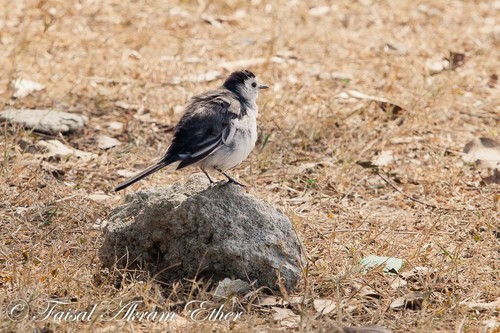
White Wagtail identified by the community
Real birds identified with Bird Identifier.

Other birds you may enjoy
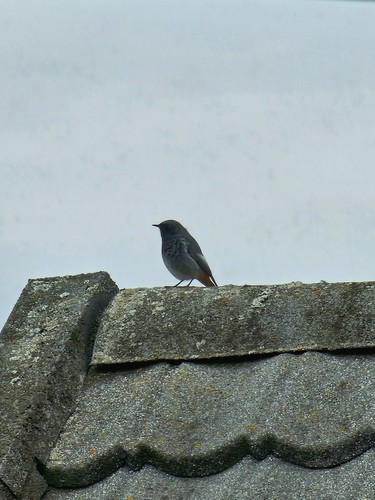
Black Redstart
13-14.5 cm (5.1-5.7 in) long, 23-26 cm wingspan
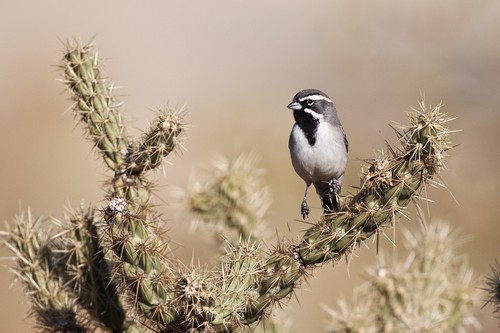
Black-throated Sparrow
12-14 cm (4.7-5.5 in) long, about 19-20 cm (7.5-8 in) wingspan
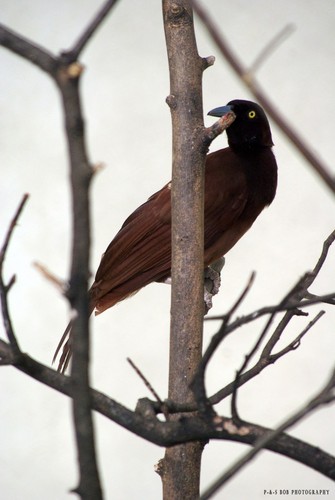
Greater Bird-of-paradise
Body about 43 cm; males with additional flank plumes up to 50 cm and long tail wires
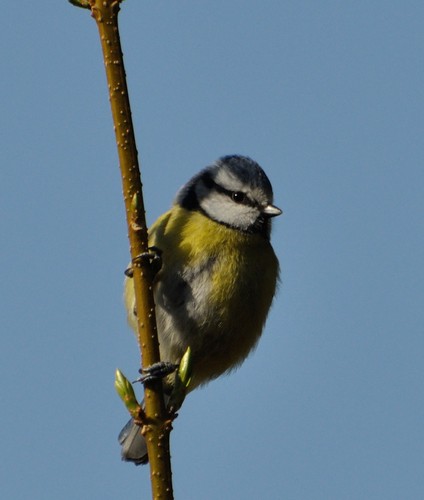
Blue Tit
11-12 cm (4.3-4.7 in) long, 17-20 cm wingspan
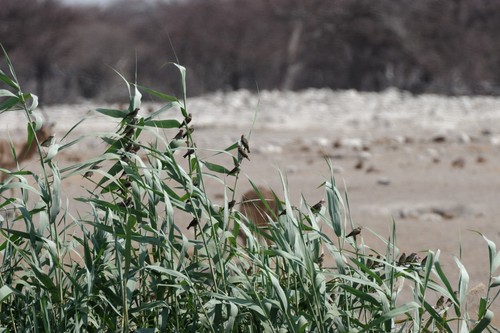
Red-billed Quelea
11.5–13 cm long, wingspan about 20–22 cm
White-plumed Antbird
13-14 cm (5-5.5 in) long
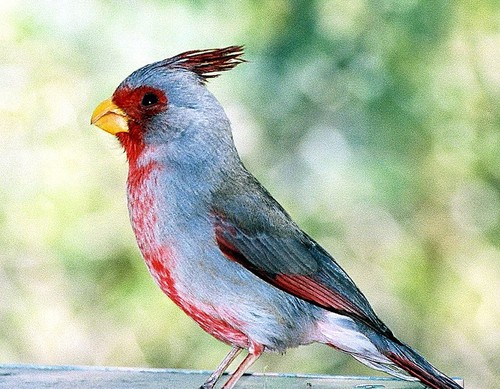
Pyrrhuloxia
19-22 cm (7.5-8.7 in) long, 30 cm wingspan
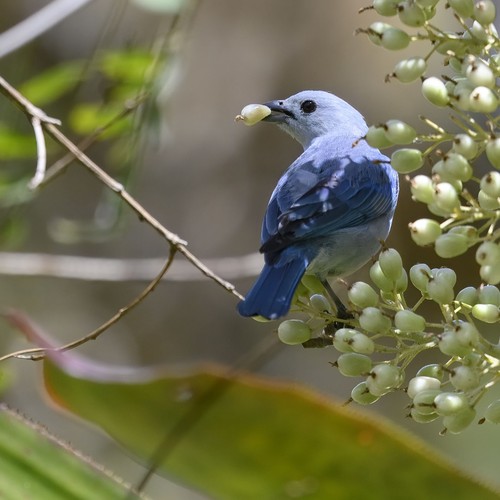
Blue-gray Tanager
16-18 cm (6-7 in) long
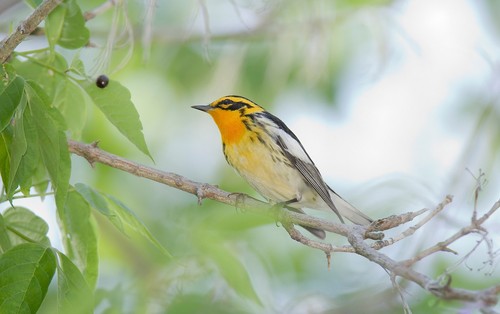
Blackburnian Warbler
11-13 cm (4.3-5.1 in) long, 20-22 cm wingspan
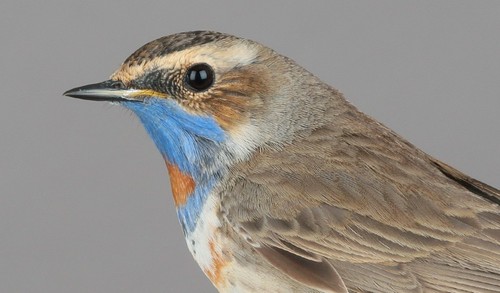
Bluethroat
13-14 cm (5.1-5.5 in) long, 20-22 cm wingspan
Eurasian Nuthatch
12-14.5 cm (4.7-5.7 in) long, 22.5-27 cm wingspan
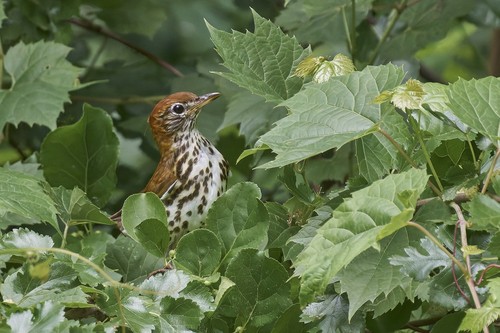
Wood Thrush
19-21 cm (7.5-8.3 in) long, about 33 cm (13 in) wingspan