
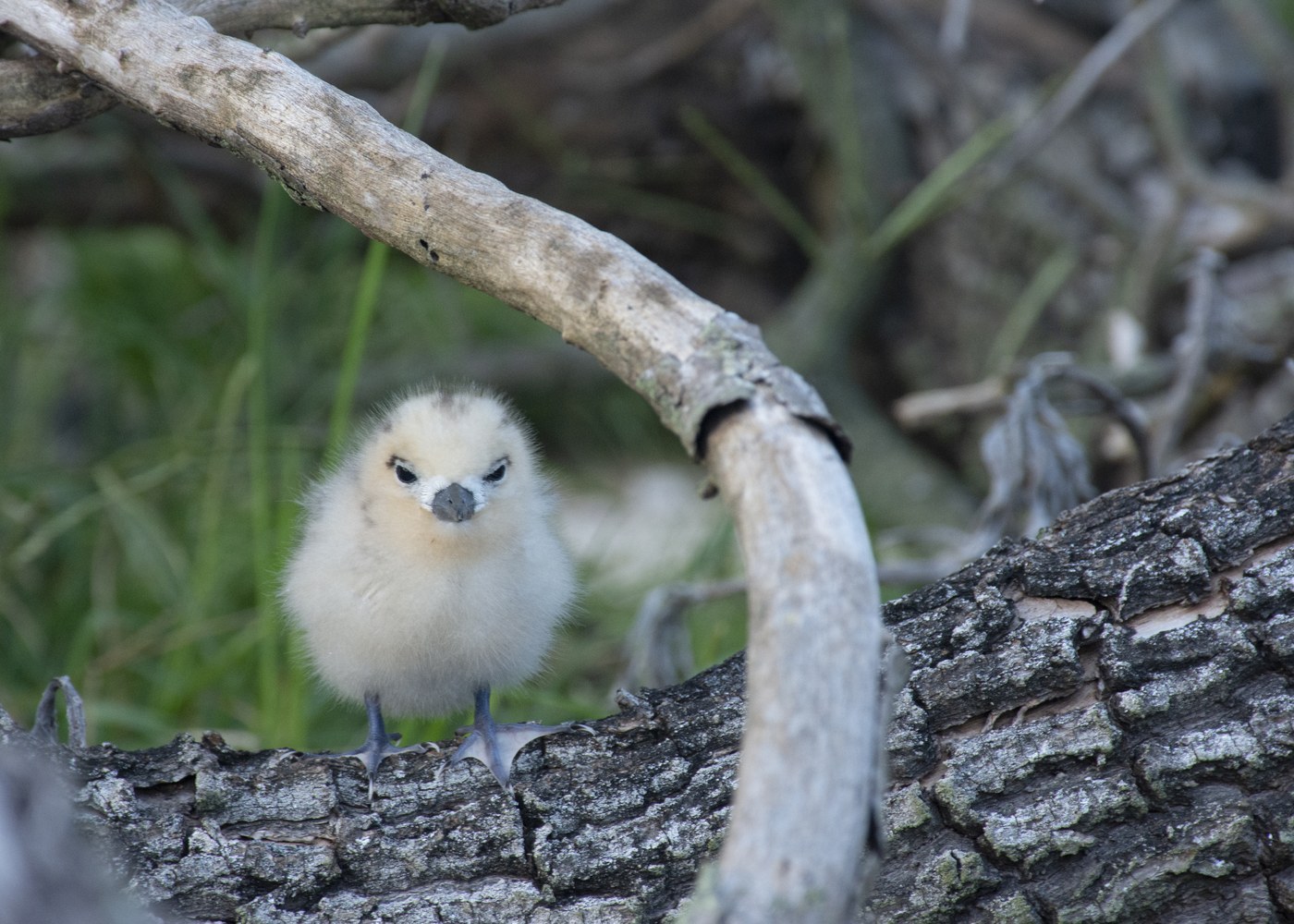
White Tern
Gygis alba
An entirely white, ethereal tern with large dark eyes that famously balances its single egg on a bare tree branch without building any nest at all.
- Size
- 28-33 cm (11-13 in) long, 70-87 cm wingspan
- Habitat
- tropical oceanic islands and open ocean
- Type
- seabird
Spotted a bird like this?
Identify any bird from a photo, free.
Overview
The White Tern is an almost impossibly delicate-looking seabird, appearing as a pure white silhouette against tropical skies. Its snow-white plumage and buoyant, hovering flight give it an almost fairy-like quality, and it is sometimes called the Fairy Tern in parts of its range.
Appearance
Adults are entirely white with a black ring around large, dark eyes and a black bill with a blue-grey base. The plumage has a translucent, almost pearly quality in strong light, and the bird's buoyant, hovering flight adds to its otherworldly appearance.
How to identify it
Key field marks
- Entirely white plumage with no dark markings on the body
- Large black eye-ring standing out against the white face
- Black bill with a pale blue-grey base
- Hovering, buoyant flight, often near cliffs or trees
Similar species
The White Tern is essentially unmistakable within its range; no other common tern is entirely white-bodied with this striking dark eye-ring. Fairy terns and white noddies in some regions may cause brief confusion, but the combination of all-white plumage and prominent eye-ring is diagnostic.
Habitat & range
Habitat and range
White Terns are found across tropical oceans worldwide, breeding on remote islands and atolls in the Pacific, Atlantic, and Indian Oceans. Outside the breeding season they range widely over open water, often far from land.
Colonies frequently occur on islands with trees, since the species is unusual among terns in nesting above ground rather than on bare earth.
Behavior & voice
Behavior
White Terns forage by hovering low over the ocean surface and dipping down to catch small fish and squid, sometimes carrying several fish crosswise in the bill back to the nest site at once.
Voice
Calls include a harsh, grating "gek-gek" or clicking notes, given both in flight and near nest sites.
Nesting and breeding
Uniquely among terns, the White Tern builds no nest at all, instead balancing its single egg directly on a bare, often precarious tree branch, rock ledge, or building. The chick hatches with strong feet adapted for clinging to its perch and remains balanced there until fledging, a striking adaptation to avoid nest predation.
Frequently asked questions
Why doesn't the White Tern build a nest?
It has evolved to balance its single egg directly on a bare tree branch or ledge, an unusual strategy among birds that may help avoid ground predators and nest parasites.
How can I identify a White Tern?
Look for its entirely white plumage, large dark eyes with a prominent black eye-ring, and a black bill with a blue-grey base.
Where does the White Tern live?
On tropical oceanic islands across the Pacific, Atlantic, and Indian Oceans, ranging widely over open water outside the breeding season.
What does the White Tern eat?
Small fish and squid, caught by hovering low over the water and dipping to the surface.
Is the White Tern the same as the Fairy Tern?
"Fairy Tern" is a common alternate name used for the White Tern in some regions, though it should not be confused with the separate species sometimes also called Fairy Tern (Sternula nereis) in Australia and New Zealand.
White Tern guides
In-depth guides for identifying, finding, and understanding White Tern.
Other birds you may enjoy
Peruvian Pelican
137-152 cm (54-60 in) long, up to 228 cm wingspan
Bonaparte's Gull
28-33 cm (11-13 in) long, 76-84 cm wingspan
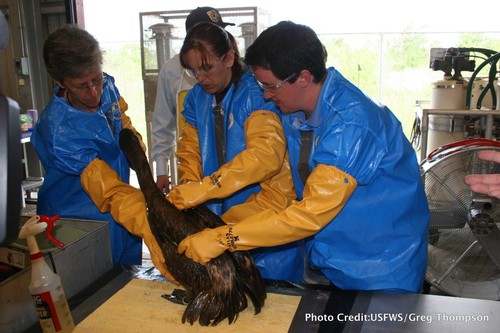
Brown Pelican
106-137 cm (42-54 in) long, 200-230 cm wingspan
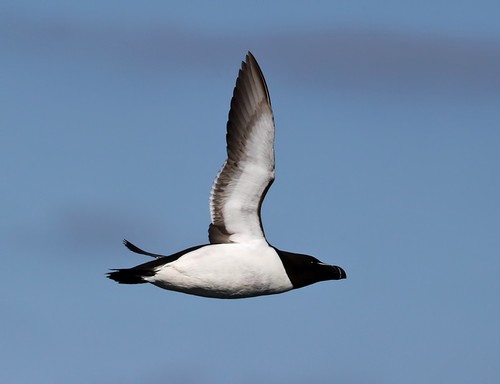
Razorbill
37-39 cm (15-15.5 in) long, 63-68 cm wingspan
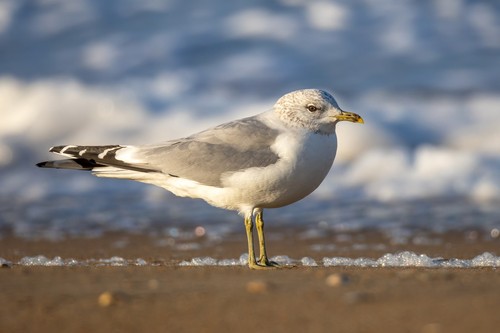
Common Gull
40-46 cm (16-18 in) long, 110-130 cm wingspan
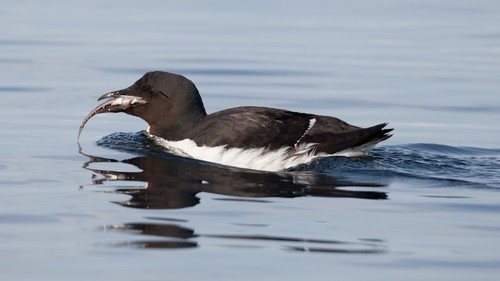
Thick-billed Murre
40-48 cm (16-19 in) long, 65-75 cm wingspan
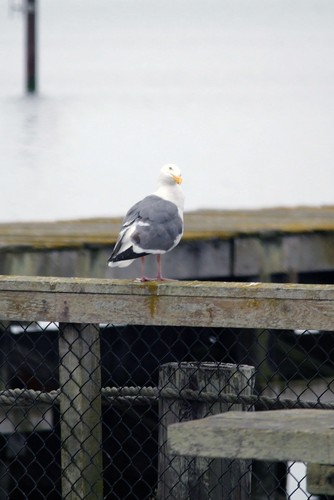
Western Gull
55-68 cm (22-27 in) long, 130-144 cm wingspan
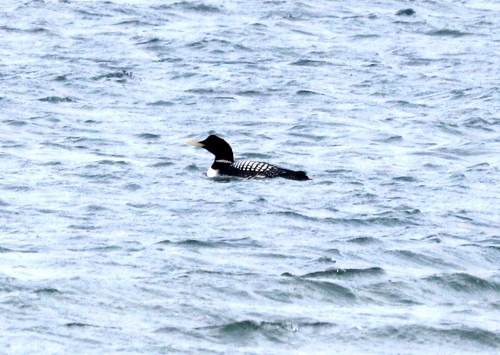
Yellow-billed Loon
76-97 cm (30-38 in) long, 135-152 cm wingspan
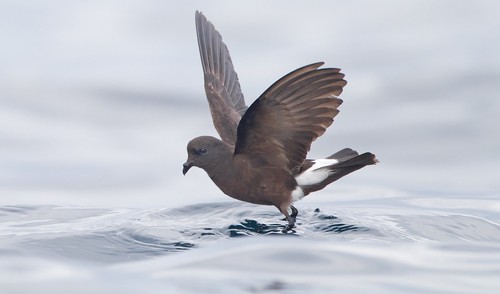
Wilson's Storm-Petrel
15-19 cm (6-7.5 in) long, wingspan 38-42 cm (15-16.5 in)
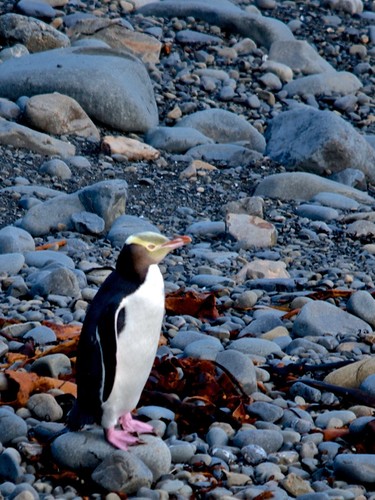
Yellow-eyed Penguin
62-79 cm (24-31 in) tall, 3-8.5 kg (6.6-18.7 lb)
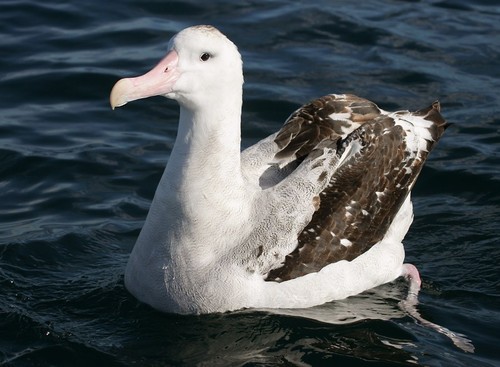
Wandering Albatross
107-135 cm (42-53 in) long, wingspan up to 3.5 m (11.5 ft)

Tufted Puffin
35-41 cm (14-16 in) long, about 63-70 cm wingspan