
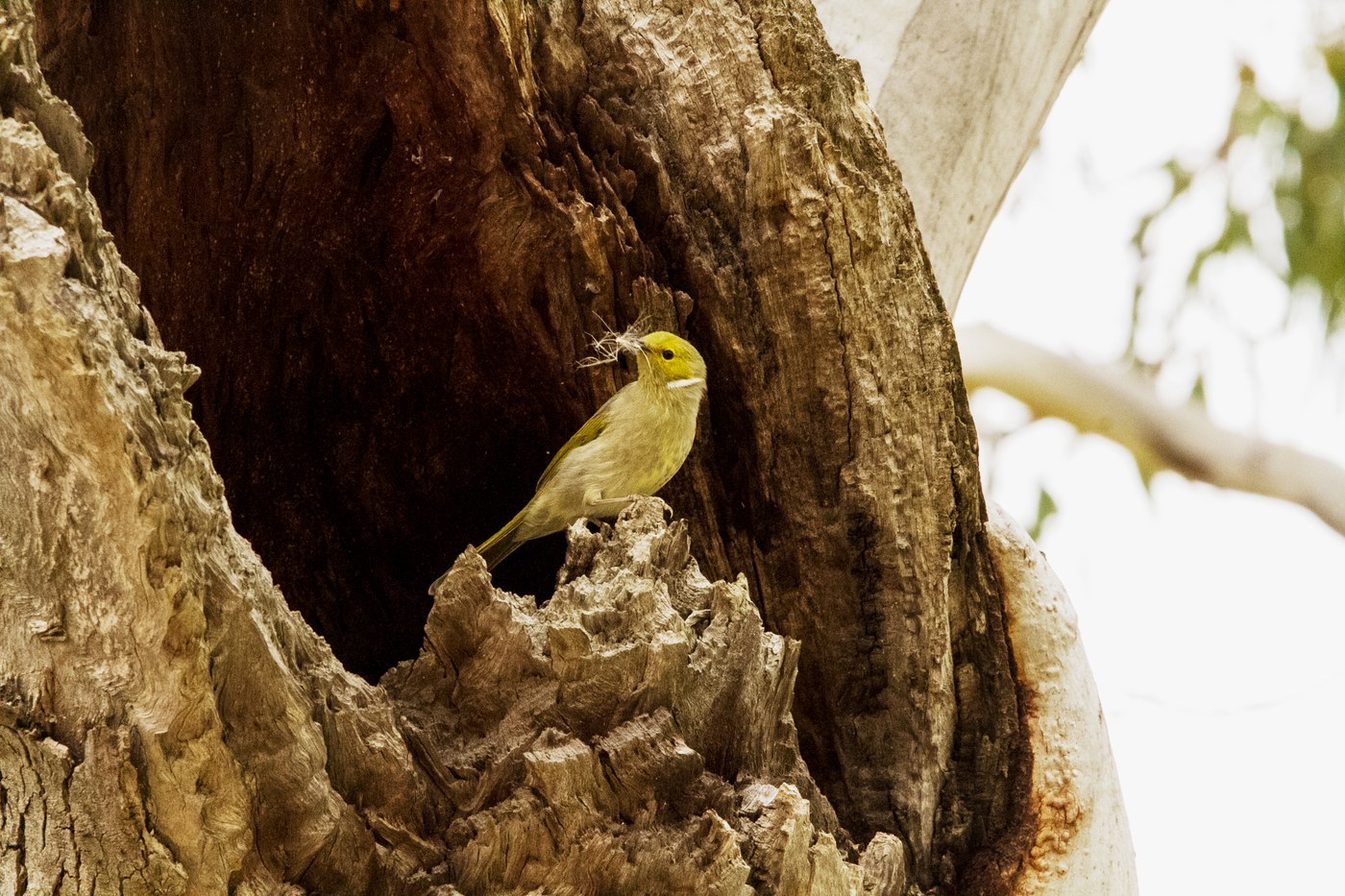
White-plumed Honeyeater
Ptilotula penicillata
A small olive-yellow honeyeater with a slender white crescent-shaped plume on the side of the neck, common near inland rivers and eucalypts.
- Size
- 16-17.5 cm (6.3-7 in) long, 20-25 cm wingspan
- Habitat
- riverside woodland, eucalypt forest, and inland watercourses
- Type
- songbird
Spotted a bird like this?
Identify any bird from a photo, free.
Overview
The White-plumed Honeyeater is a small, plainly colored honeyeater, mostly olive-yellow above and paler grey-yellow below, with a thin black line through the eye. Its most distinctive feature is a narrow, curved white plume of feathers on the side of the neck, bordered above and below by black, which stands out clearly against the otherwise subdued plumage.
One of the most familiar honeyeaters of inland Australia, it is closely tied to eucalypts, especially river red gums along watercourses, where its persistent, cheerful calls are a constant backdrop.
How to identify it
Key field marks
- Olive-yellow upperparts and paler yellowish-grey underparts
- Narrow, crescent-shaped white plume on the neck, edged in black
- Fine black line through the eye
- Slim build and active foraging behavior high in eucalypt canopy
Similar species
- Yellow-plumed Honeyeater and Grey-fronted Honeyeater are similar but occur in drier mallee habitats and show subtle differences in the neck plume and head pattern.
- Fuscous Honeyeater lacks the obvious white neck plume, showing only a faint mark.
Habitat & range
Habitat
Strongly associated with eucalypt woodland along rivers and creeks, especially river red gum forests, as well as other open eucalypt woodland.
Range
Widespread across inland and eastern Australia, from southern Queensland through New South Wales, Victoria, South Australia, and into parts of Western Australia.
Migration
Mostly sedentary but locally nomadic, with movements linked to eucalypt flowering and the availability of lerp and honeydew.
Behavior & voice
Behavior
Active and often gregarious, foraging in loose flocks through the eucalypt canopy and calling frequently; can be aggressive toward other honeyeaters at good feeding sites.
Voice
A persistent, cheerful, bell-like "chick-owee" or "tea-cup" call repeated often, among the most recognizable sounds of eucalypt woodland.
Feeding
Feeds on nectar, insects gleaned from foliage and bark, and sugary lerp secretions produced by sap-sucking insects on eucalypt leaves.
Nesting
Builds a small, deep cup nest of bark and grass, often suspended in outer eucalypt foliage; lays 2-3 pinkish eggs with fine reddish spotting.
Frequently asked questions
How do you identify a White-plumed Honeyeater?
Look for olive-yellow plumage, a fine black eye-line, and a distinctive narrow white crescent-shaped plume on the side of the neck.
Where are White-plumed Honeyeaters usually found?
They are strongly tied to eucalypts, especially river red gums along inland rivers and creeks, though they also occur in other open woodland.
What does a White-plumed Honeyeater eat?
Nectar, insects, and lerp (sugary secretions from sap-sucking insects) gathered from eucalypt foliage.
What does a White-plumed Honeyeater sound like?
It gives a persistent, cheerful, bell-like call often rendered as "chick-owee" or "tea-cup," repeated frequently.
White-plumed Honeyeater guides
In-depth guides for identifying, finding, and understanding White-plumed Honeyeater.
Other birds you may enjoy
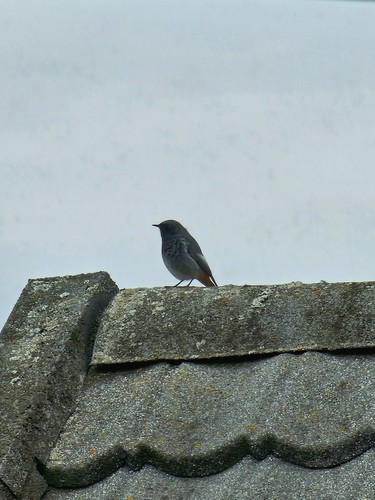
Black Redstart
13-14.5 cm (5.1-5.7 in) long, 23-26 cm wingspan
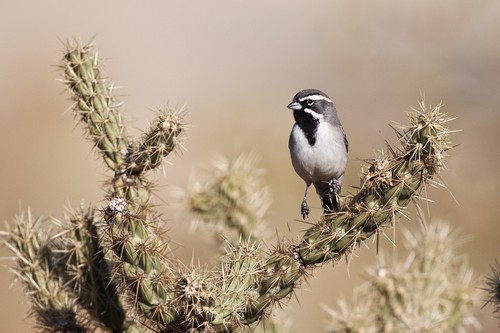
Black-throated Sparrow
12-14 cm (4.7-5.5 in) long, about 19-20 cm (7.5-8 in) wingspan
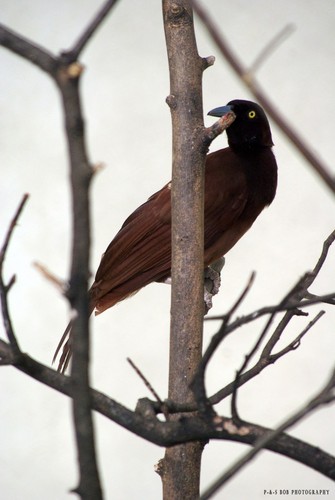
Greater Bird-of-paradise
Body about 43 cm; males with additional flank plumes up to 50 cm and long tail wires
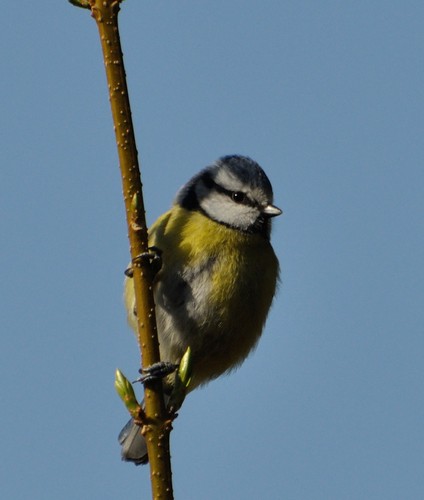
Blue Tit
11-12 cm (4.3-4.7 in) long, 17-20 cm wingspan
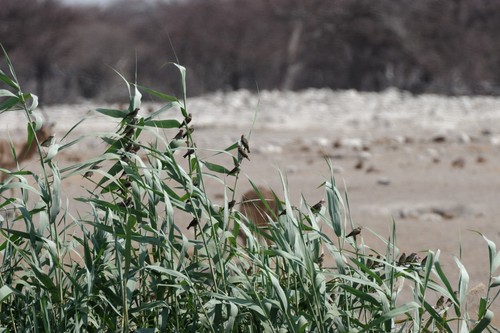
Red-billed Quelea
11.5–13 cm long, wingspan about 20–22 cm
White-plumed Antbird
13-14 cm (5-5.5 in) long
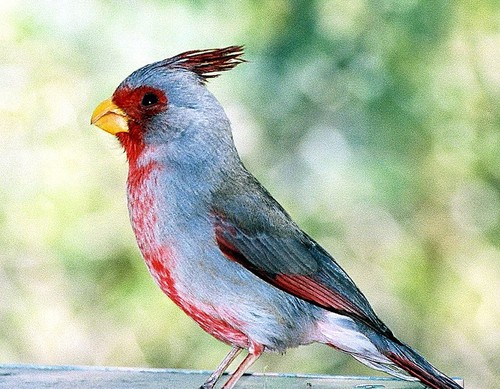
Pyrrhuloxia
19-22 cm (7.5-8.7 in) long, 30 cm wingspan
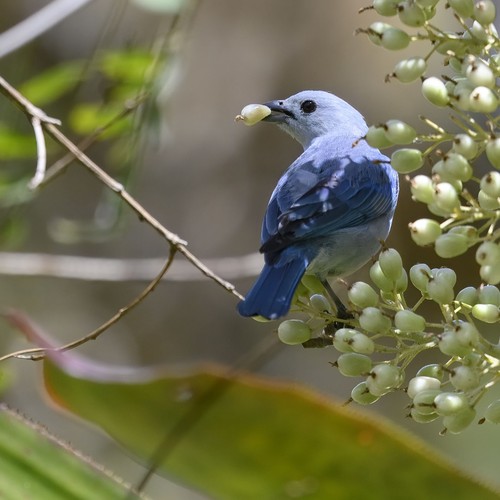
Blue-gray Tanager
16-18 cm (6-7 in) long
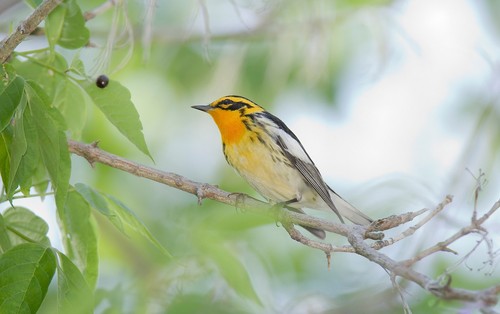
Blackburnian Warbler
11-13 cm (4.3-5.1 in) long, 20-22 cm wingspan
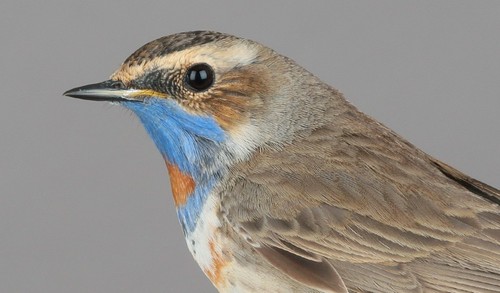
Bluethroat
13-14 cm (5.1-5.5 in) long, 20-22 cm wingspan
Eurasian Nuthatch
12-14.5 cm (4.7-5.7 in) long, 22.5-27 cm wingspan
Wood Thrush
19-21 cm (7.5-8.3 in) long, about 33 cm (13 in) wingspan